

Secretary of State Marco Rubio’s eyes bore into the camera as he excoriated, the agency he now heads. “They’re completely un-responsive,” chided Rubio on Fox News, referencing the U.S. Agency for International Development, which he currently leads as acting administrator.
“They don’t consider that they work for the U.S., they just think they’re a global entity and that their master is the globe and not the United States.”
The interview on Monday from the agency’s new leader signals a troubling new direction for USAID.
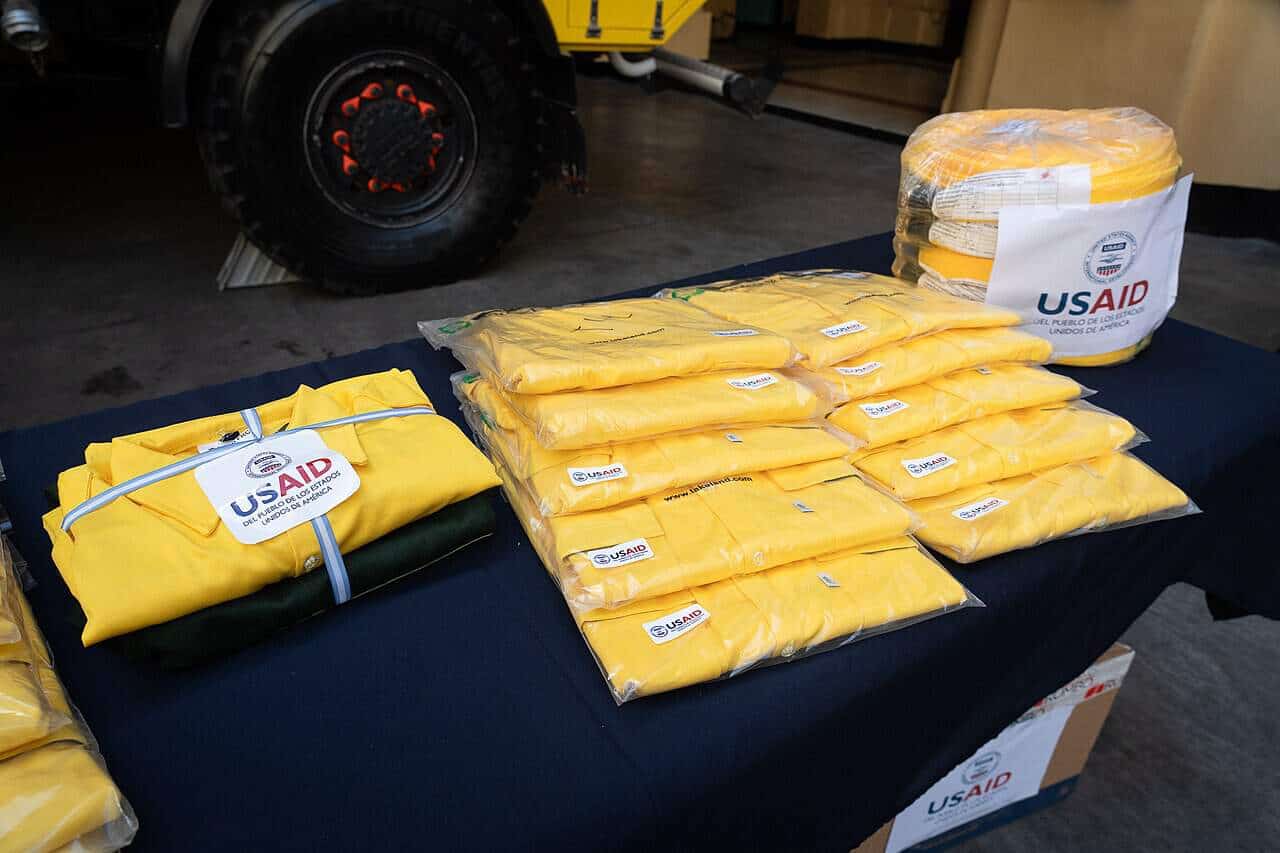
The agency, which provides billions of dollars of humanitarian and development assistance around the world has been under constant bombardment from the new administration.
Over the last two weeks, President Donald Trump has issued a broad 90-day freeze on foreign assistance, purged senior leadership, handed control of the agency to Rubio, closed the D.C. office, and announced that as of Friday, thousands of employees worldwide would be placed on leave and recalled stateside.
These moves have left the countless humanitarian and development organizations that rely on USAID funding in limbo. (Rubio, for his part, has refused to say whether he agrees with “Department of Government Efficiency” head Elon Musk that the agency needs to “die.“)
Promoting U.S. interests abroad, including global health and security, has always been an implicit part of delivering foreign assistance.