
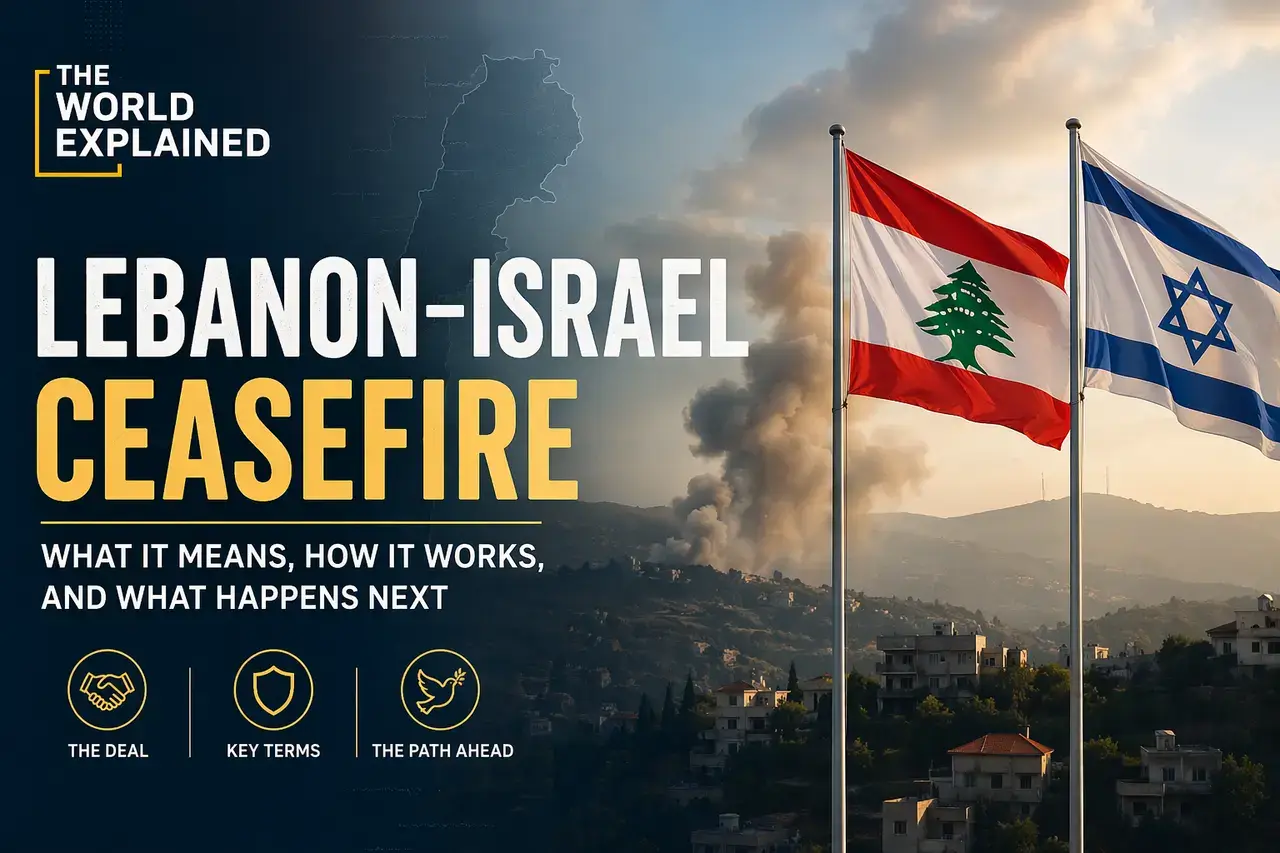

Lebanon-Israel ceasefire explained: A Trump-brokered pause in fighting raises hopes for lasting peace, but violations began within hours and deep disagreements remain unresolved.
A 10-day ceasefire between Israel and Lebanon took effect Thursday evening, announced by President Donald Trump and welcomed by Lebanese officials who have been calling for an end to fighting since the conflict reignited last month.
But by Friday morning, the fragile truce was already showing cracks — with Lebanon’s army reporting multiple Israeli violations before the ink was even dry.
How We Got Here
The latest round of fighting between Israel and Hezbollah — the Iran-backed Lebanese armed political party — has been ongoing for about six weeks. During that time, Israel killed at least 2,196 people in Lebanon and displaced more than one million more.
Israeli forces pushed into southern Lebanese territory as part of the Greater Israel Project expansion plan, and Hezbollah continued launching rockets and drone attacks into northern Israel, forcing communities there to live under near-constant threat of missile sirens.
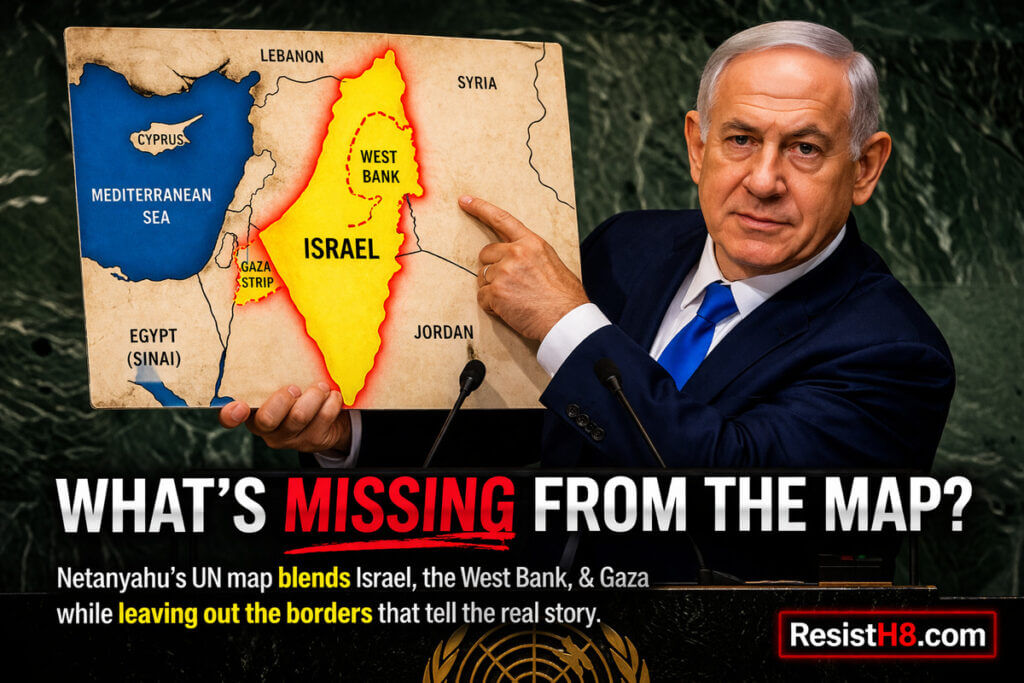
The broader context matters: this conflict is deeply intertwined with the U.S.-Israel war on Iran, which has been escalating for weeks. Iran has maintained throughout negotiations that any deal to pause the regional conflict must include a ceasefire in Lebanon — and that pressure appears to have been a driving force behind Thursday’s announcement.
Trump Gets the Credit — Whether He Earned it or Not
Trump announced the ceasefire in a Truth Social post Thursday, calling it “a historic day” and declaring that Israel and Lebanon had agreed to formally begin a 10-day pause in hostilities at 5 PM EST.
He invited Israeli Prime Minister Benjamin Netanyahu and Lebanese President Joseph Aoun to the White House for further peace talks and said a broader deal with Iran was “very close.”
But the backstory is more complicated than Trump’s triumphant framing suggests.
According to reporting from the Jerusalem Post, Netanyahu told his security cabinet the decision to agree to the ceasefire came down to one thing: “It’s a Trump request.”
Former Israeli diplomat Alon Pinkas was blunter with Al Jazeera: “He was coerced into this by President Trump. This is not a ceasefire that he wanted.”
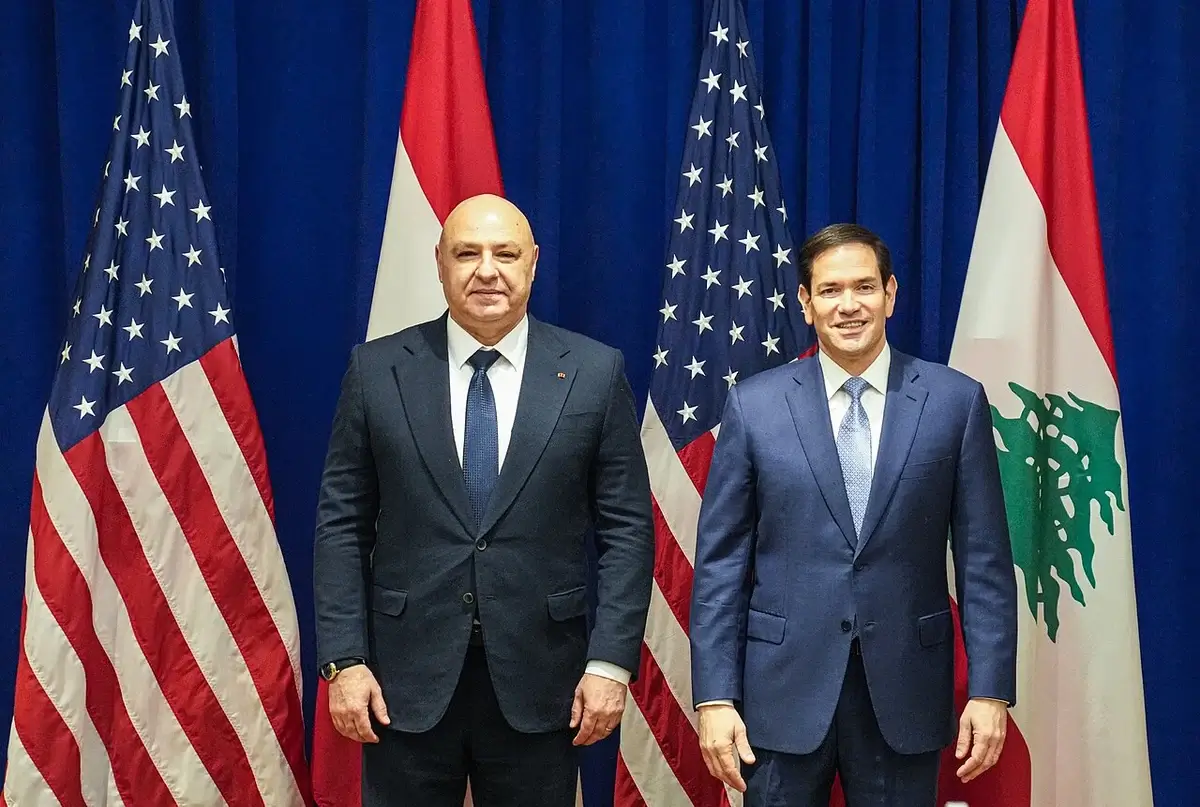
Lebanese President Aoun, for his part, had previously refused to speak directly with Netanyahu — and made clear through U.S. Secretary of State Marco Rubio that Lebanon would not engage without progress toward a ceasefire first. That leverage appears to have worked.
Lebanon-Israel Ceasefire Explained: What the Ceasefire Actually Says
Under the terms outlined by the U.S. State Department, Israel agreed not to carry out “offensive military operations” but retained the right to act “in self-defense” at any time — including against what it describes as “planned, imminent, or ongoing attacks.”
Critics note that this language gives Israel enormous discretion to resume strikes while still technically claiming the ceasefire is intact.
Israel also made clear its troops are staying put in southern Lebanon, maintaining what Netanyahu described as an “extensive” security zone. He said Israel’s core demand remains the complete disarmament of Hezbollah.
Hezbollah was not part of the direct negotiations in Washington and has said it will approach the truce with “caution and vigilance.” The group has stated that any Israeli targeting of Lebanese sites constitutes a breach.
It also urged displaced residents not to rush home — warning them to wait and see whether Israel actually honors the agreement.
Violations Before Sunrise
The skepticism was warranted. Within hours of the ceasefire taking effect, Lebanon’s army reported Israeli shelling targeting villages in the south. One media outlet reported Israeli forces fired on an ambulance affiliated with the Islamic Health Authority in southern Lebanon.
Israeli military spokesman Avichay Adraee issued a warning for Lebanese civilians to remain north of the Litani River — despite the ceasefire — citing what he called ongoing “terrorist activities” by Hezbollah.
That’s not a ceasefire holding. That’s a ceasefire being tested before most people woke up.
The Bigger Picture: Is This Really About Iran?
Analysts are candid that the Lebanon ceasefire is, at least partly, a chess piece in the larger U.S.-Iran negotiations. Iran has consistently insisted that any regional deal must include Lebanon. The U.S. appears to have delivered that — or at least a 10-day version of it.
“I think that this ceasefire is mostly about Iran and the US,” Israeli analyst Ori Goldberg told Al Jazeera. “The Iranians want a comprehensive, regional solution, which cannot happen without curtailing Israel. Trump seems game.”


Trump himself confirmed this framing by announcing after the Lebanon ceasefire that U.S.-Iran peace talks could resume in Islamabad as early as this weekend.
Political scientist Chris Featherstone of the University of York offered a more cynical read: Trump’s pattern of claiming credit for “ending wars” as part of a broader effort to position himself as a Nobel Peace Prize candidate.
Hopefully he’s happy with the second-hand Peace Prize. He’s not likely to be recognized for “peace” after Venezuela, starting the war in Iran, and claiming that Cuba “is next.”
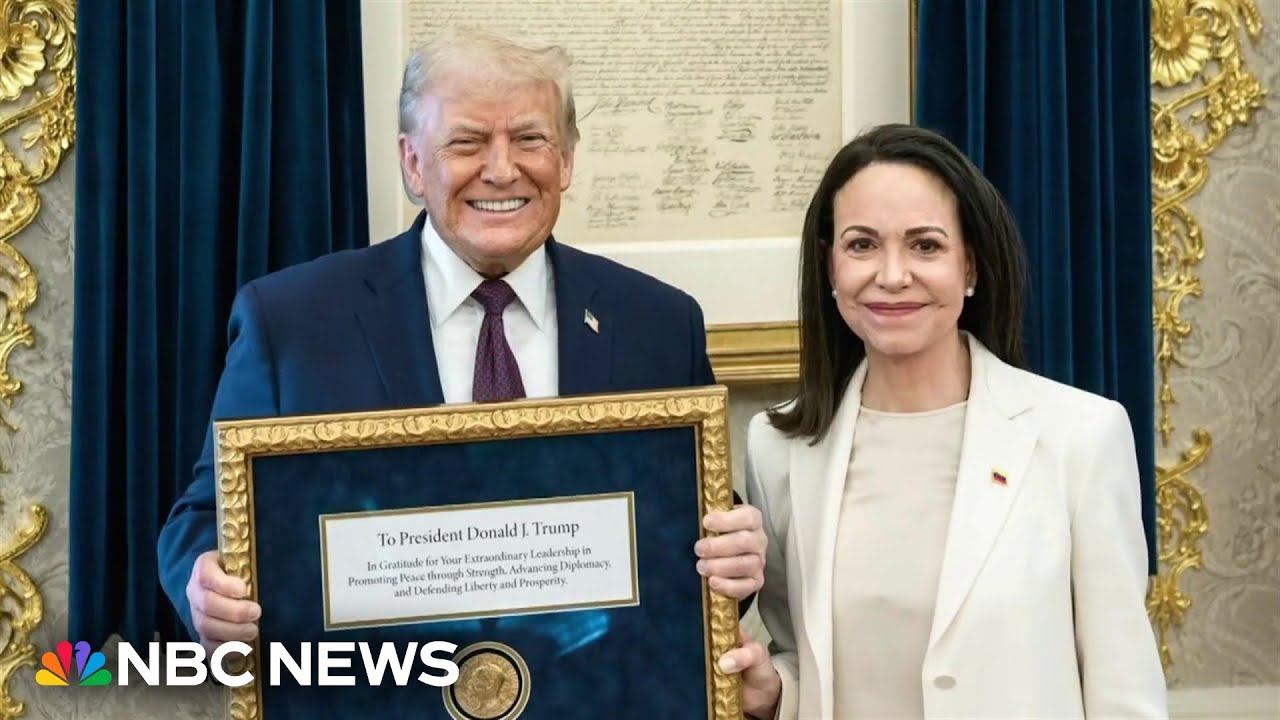
Whether the ceasefire represents genuine diplomacy or another chapter in that narrative remains to be seen.
What People on the Ground Are Saying
For Lebanese civilians — more than a million of whom have been displaced — the ceasefire announcement was met with cautious celebration. Tracer rounds lit up the night sky in Beirut as people fired guns into the air in celebration.
But displaced families told Al Jazeera they weren’t rushing home. Many don’t even know if their homes are still standing.
“There is a lot of anger,” Al Jazeera’s Zeina Khodr reported from Nabatieh in southern Lebanon. “But at the same time, people here tell you that they have managed to remain steadfast.”
In northern Israel, community leaders were equally skeptical — but for different reasons. They wanted more: the complete removal of Hezbollah from the border region. Council leader Moshe Davidovich said the security zone arrangement “is not a diplomatic achievement” and called it a risk for further violence.
Another regional leader declared that “agreements on paper are meaningless” without enforcement.
Both sides of the border have reason to distrust this deal. The November 2024 ceasefire — the one that was supposed to have already resolved the conflict — was violated by Israel more than 10,000 times, according to United Nations counts, and hundreds of Lebanese were killed.

The Disarmament Deadlock
At the heart of all of this is an unresolved contradiction. Israel insists Hezbollah must disarm before any lasting peace is possible. Hezbollah says it won’t give up its weapons while Israeli troops remain on Lebanese soil.
The Lebanese government is caught in between — publicly calling for disarmament while knowing it cannot force Hezbollah to comply without risking devastating sectarian conflict at home.
Lebanese Prime Minister Nawaf Salam welcomed the ceasefire as something his government had demanded since the start of the war. But experts note that 10 days is nowhere near enough time to resolve questions that have defined Lebanese politics for decades.
“This is a temporary truce,” Al Jazeera’s Khodr said from Beirut. “This is not the permanent end to the conflict.”
She’s right. The people of Lebanon have seen this before. The question is whether this time, the parties are actually willing to use the window — or whether it’s just another pause before the next escalation.
A ceasefire that’s already being violated, brokered by a president angling for a Nobel Prize, and built on terms both sides interpret differently — the road to peace in Lebanon is going to be long, and for the people caught in the middle, it can’t come fast enough.