

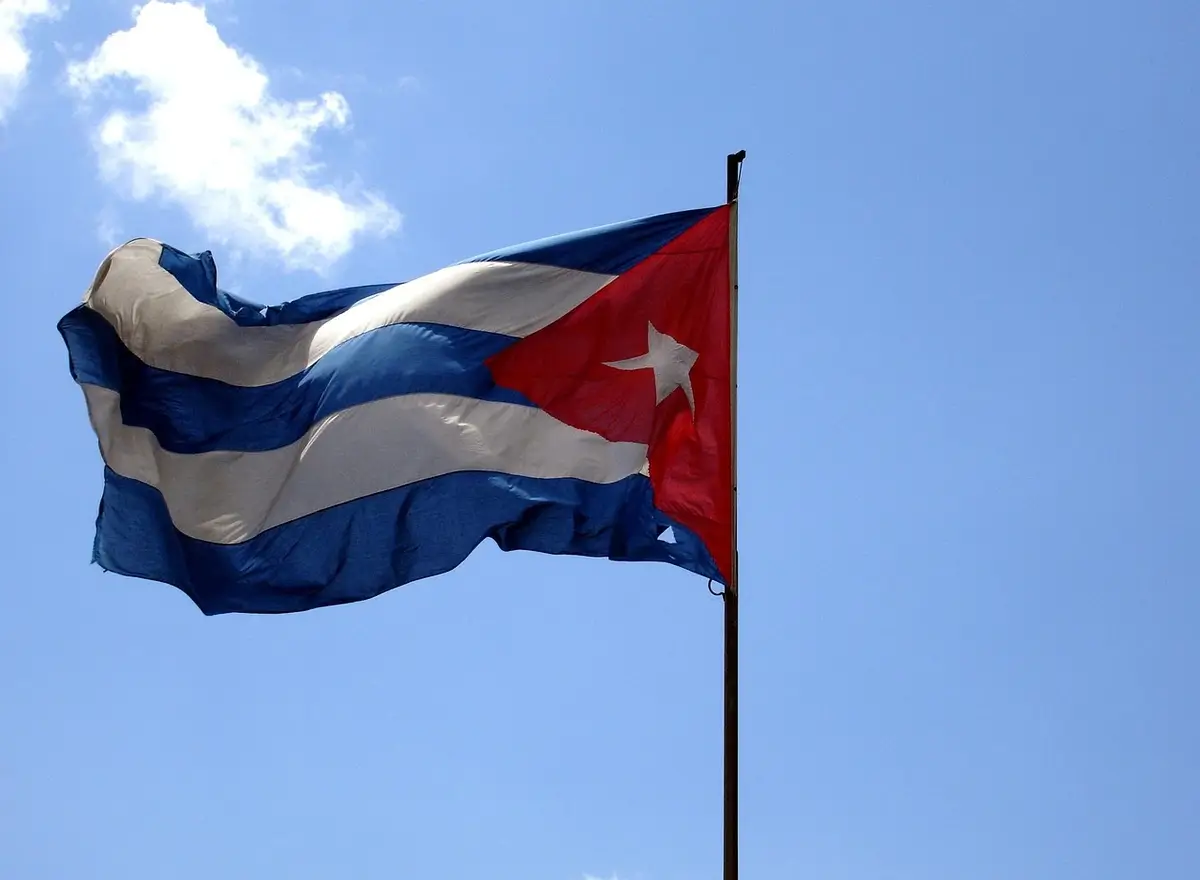

While the Iran war drags on with no end in sight and civilian casualties mount, the Trump administration is already lining up its next target. According to reports from both USA Today and Zeteo, the Pentagon has received a directive straight from the White House to ramp up planning for potential military operations against Cuba.
No decision has been made to invade — yet. But the fact that contingency planning is accelerating inside the Department of Defense tells you everything you need to know about where this administration’s head is at. They’re not looking for peace. They’re shopping for the next war.
What We Know
Two sources familiar with the directive told USA Today on Wednesday that the Pentagon is laying the groundwork for a possible military operation in Cuba, should Trump give the order.
Zeteo first broke the story, reporting that officials across the Pentagon and other government agencies were quietly told to intensify their preparations for military action in the Caribbean.
A Pentagon spokesperson declined to comment, referring questions to U.S. Southern Command, which oversees operations in Latin America. A Southern Command spokesperson said he didn’t “know anything about” plans involving Cuba — a non-denial that will convince exactly nobody.
The reports landed on Capitol Hill like a grenade, fueling speculation about a dramatic escalation in U.S. posture toward the island nation.
Trump Has Been Saying the Quiet Part Out Loud
This isn’t coming out of nowhere. Trump has been publicly dangling the possibility of a Cuba intervention for months.
On Monday — just two days before these reports broke — Trump said plainly: “We may stop by Cuba after we’re finished with this,” referring to the ongoing war in Iran.

Last month, he went further: “It may be a friendly takeover, it may not be a friendly takeover. It wouldn’t matter.”
And back in January, after U.S. forces captured Venezuelan President Nicolás Maduro in a nighttime raid that killed at least 40 people including civilians, Trump turned his attention to Havana almost immediately.
He posted on Truth Social that there would be “NO MORE OIL OR MONEY GOING TO CUBA — ZERO!” and told the Cuban government to “make a deal, BEFORE IT IS TOO LATE.”
That wasn’t bluster. It was a preview.
The Blockade is Already a Weapon
Before a single soldier sets foot on Cuban soil, the Trump administration has already been waging economic warfare against the island’s 10 million residents.
In January, Trump signed an executive order imposing tariffs on any country that ships oil to Cuba — effectively creating an oil blockade that cut off the island’s fuel supply. Mexico suspended shipments.
Venezuelan oil, Cuba’s lifeline for decades, was severed after the Maduro capture. The U.S. has seized oil tankers in the Caribbean bound for Cuba.
The results have been devastating. Widespread blackouts have plunged homes, schools, and hospitals into darkness. Food shortages have worsened. Inflation has skyrocketed. Hospitals can’t keep the lights on or refrigerate medicine.
The United Nations has warned of a possible humanitarian “collapse.” A 2025 study published in The Lancet Global Health estimated that economic sanctions globally are linked to 564,000 excess deaths per year. Cuba is now a textbook case.
Cuban President Miguel Díaz-Canel has blamed U.S. sanctions for the crisis. In a recent NBC News interview — his first on American television — he warned that a U.S. military conflict with Cuba would destabilize the entire region. He’s also said Cuba is “ready to defend the homeland to the last drop of blood.”

The Venezuela Playbook
What makes the Cuba planning especially alarming is the precedent set by Venezuela. In January, U.S. Delta Force operators captured President Maduro in an overnight raid on a fortified compound in Caracas. At least 40 people were killed, including civilians.
The power grid was knocked out. Thirty-two Cuban security personnel guarding Maduro were killed in the operation.
Trump praised it as a triumph. Secretary of State Marco Rubio — a longtime Cuba hawk who has openly pushed for regime change in Havana — pivoted to Cuba almost immediately after the Maduro capture, telling reporters: “If I lived in Havana and I was in the government, I’d be concerned.”
According to Zeteo, the administration may be considering a similar abduction operation targeting Cuban leadership if diplomatic talks fail. Two political insiders cited in the report said Díaz-Canel could find himself in the crosshairs.

A Pattern of Escalation Without Authorization
Here’s the part that should concern every American regardless of how they feel about Cuba’s government: none of this has been authorized by Congress.
The Iran war is already being fought without a formal declaration. The Venezuela raid was carried out unilaterally. And now the administration is planning for Cuba — a country 90 miles off the coast of Florida that hasn’t posed a military threat to the United States in decades.
This is not about freedom. It’s not about democracy. This is about an administration that has discovered it can wage wars, capture foreign leaders, and blockade nations without consequences — because Congress won’t act, and the courts move too slowly.
Meanwhile, as the Pentagon draws up battle plans for Cuba, the Iran war has killed an estimated 1,700 civilians and damaged at least 17 healthcare facilities and 22 schools. That’s the track record of the people now pointing their sights at Havana.
The Human Cost That Never Makes the Headlines
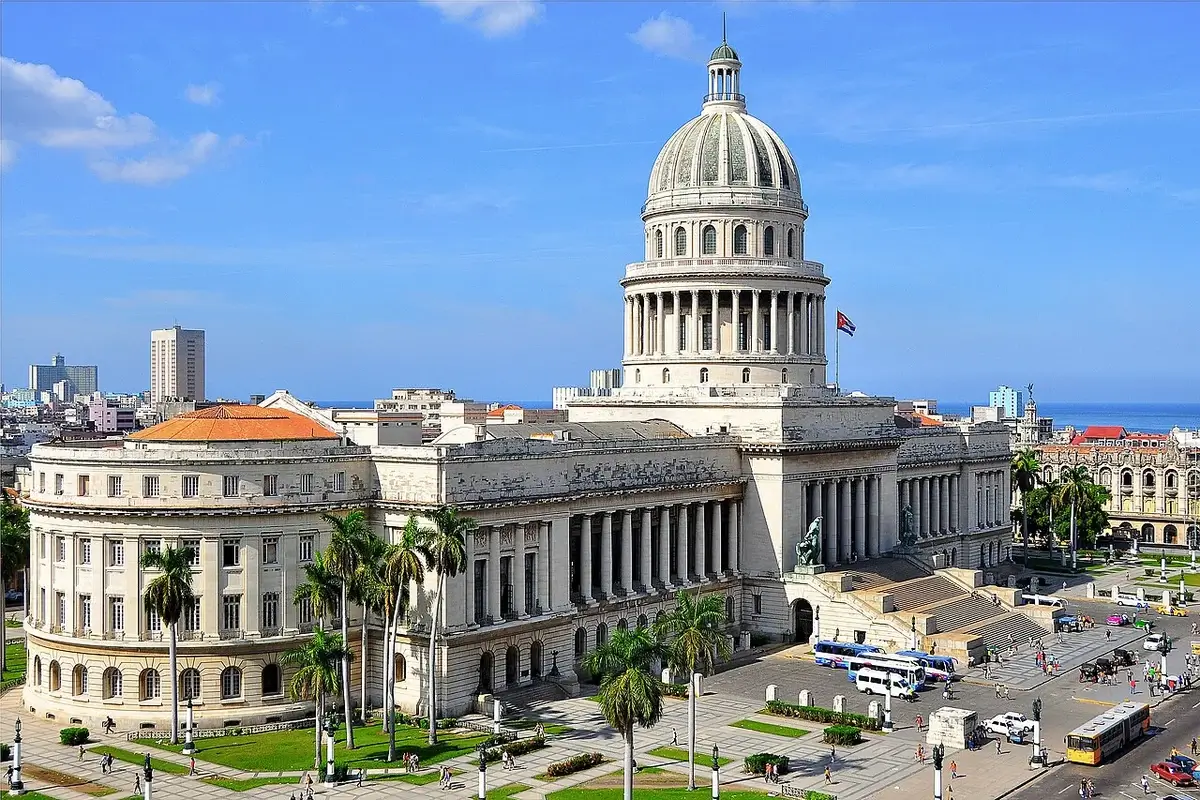
What’s happening in Cuba right now is a man-made disaster. Eleven million people didn’t choose this. They didn’t start a war. They didn’t threaten the United States.
They’re ordinary people trying to keep the lights on, feed their families, and survive — and the most powerful country on Earth is strangling them into submission while planning a military operation on their doorstep.
If this administration invades Cuba, it won’t be to liberate anyone. It will be to complete a project that started with Venezuela and continues with Iran — the assertion of American dominance through force, without accountability, without authorization, and without regard for the people who will pay the price.