



Resist Hate was created to provide reality-based, factual news and to combat hate — alongside a community of people who believe in our mission: to “Make kindness the norm.”
Right now, people in power are weaponizing hate and fear to control the population.
They lie to the American people and spread propaganda even when video evidence exists that proves them wrong.
Acts of political violence are becoming more common, and members of both major political parties increasingly see each other not as opponents, but as enemies.
The President has repeatedly attacked Representative Ilhan Omar using hateful, racist rhetoric — at rallies, on Truth Social, and during his State of the Union address, where he called Somali Minnesotans “pirates.”
Unsurprisingly, Omar was attacked at a town hall meeting in her home state shortly after one of his tirades.
Mass deportations have shown us just how ugly hate and dehumanization can get.
ICE and Border Patrol agents have invaded communities, causing chaos and terror. Two American citizens were shot and killed by federal agents in Minneapolis.
So what can we actually do to push back?
Understanding the Roots of Hate
To fight hate effectively, we need to understand where it comes from.
Hate isn’t just an emotion — it’s a belief system that leads to harmful actions.
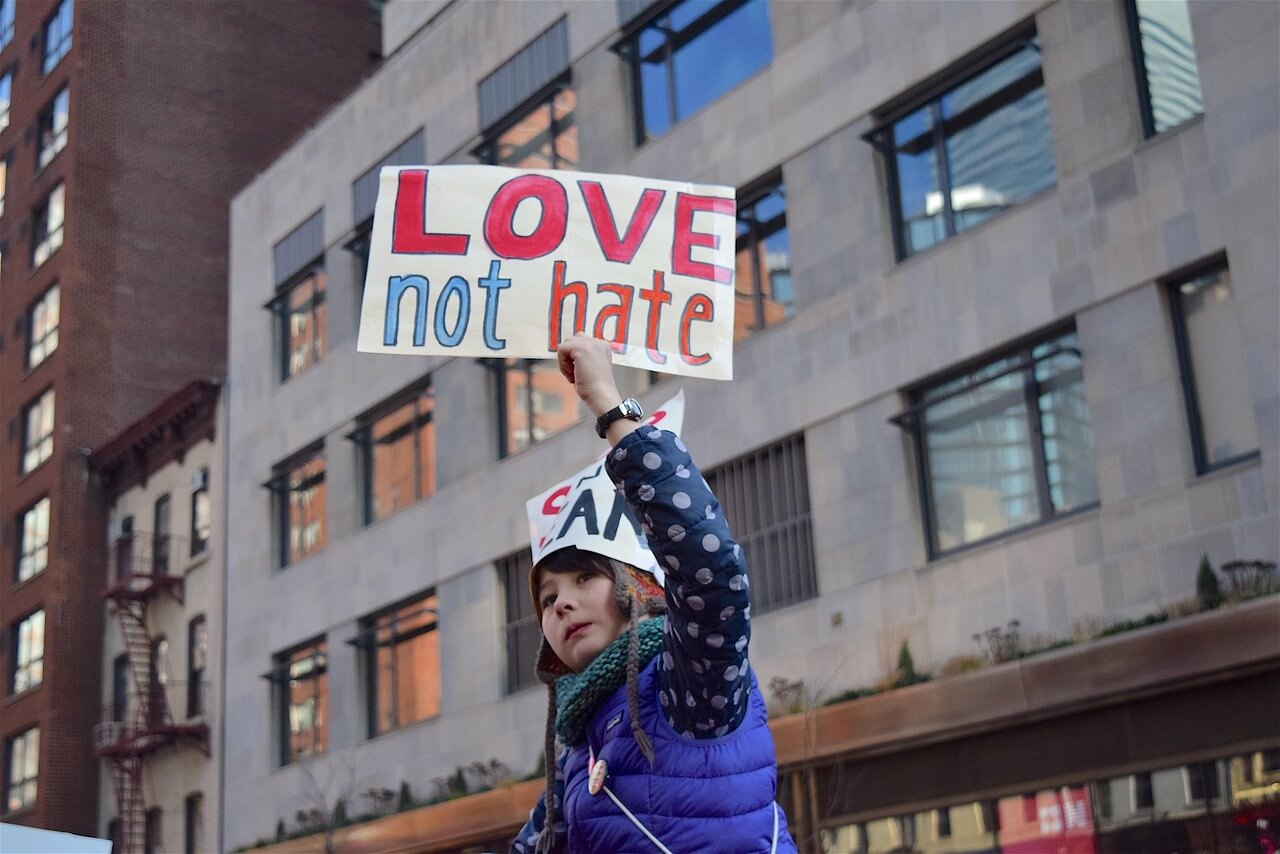
It can grow out of misconceptions about race, culture, gender, and sexual orientation.
When we dig into the reasons people carry so much animosity, we start to untangle something that’s been building for a long time.

Why Do People Hate Certain Races?
Racial hatred usually grows out of ignorance and fear. Many people hold prejudiced views simply because they’ve never been exposed to different cultures or people.
Stereotypes get passed down through families, communities, and media, creating a cycle of misunderstanding that repeats across generations.
When someone grows up in an environment that demonizes certain races, they often absorb those views without ever questioning them.
Political narratives that pit groups against each other only make things worse, deepening the divide.
Personal experience plays a role too. A negative encounter with one person from a particular racial group can lead someone to make broad generalizations about that entire group.
This is where implicit bias comes in — people subconsciously associate certain traits with specific races, often with no factual basis at all.
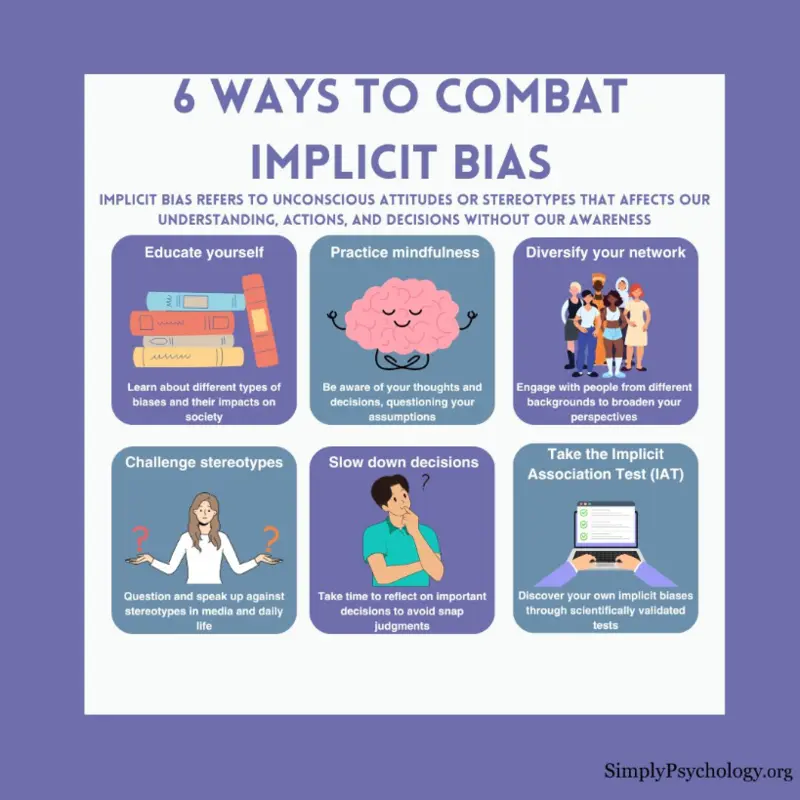
Understanding these patterns is critical for anyone working to combat racism. It reinforces what research consistently shows: education and exposure are among the most effective tools for dismantling hate.
Why Do People Hate the LGBTQ+ Community?
Hatred toward LGBTQ+ people often stems from rigid cultural definitions of gender and sexuality.
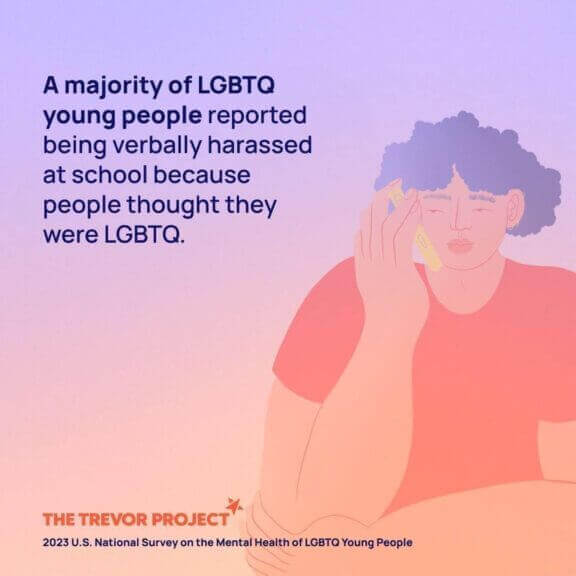
Some people are raised to view anything outside of those narrow frameworks as threatening or immoral, a perspective often reinforced by religious doctrines that condemn non-heteronormative identities (not straight).
A lack of visibility and representation in mainstream media makes this worse.



When LGBTQ+ people aren’t seen, the void gets filled with fear and misconceptions.
Societal pressure to conform pushes people to cling to outdated beliefs, creating hostile environments for anyone who doesn’t fit the mold.
The Republican Party has spent years targeting trans people specifically. States have passed “bathroom bills” and other anti-trans legislation designed to marginalize an already vulnerable community.
And when television, books, and movies do represent LGBTQ+ people, the backlash from the Right is swift — boycotts, book bans, and outrage campaigns.
We need to push back against that outrage and actively support the creators, companies, and storytellers who are doing the right thing. Representation only becomes normal when we stand behind it.
The Common Thread: Fear and Ignorance
Whether we’re talking about racism or anti-LGBTQ+ hatred, the common thread is fear — fear of losing power, fear of the unknown, fear of difference.
These fears intensify during times of economic or social hardship, when people look for scapegoats to blame for their problems.
On the 2024 campaign trail, Trump used immigrants as exactly that kind of scapegoat.
He appealed to people who were angry about their financial situations and channeled that anger toward some of the most vulnerable people in the country.
When we understand that hate often grows from a lack of knowledge, we can fight the root cause.
Education, awareness campaigns, and empathy-building initiatives can dismantle false narratives and replace them with understanding.
Where Does Hate Come From?
Hate doesn’t appear out of nowhere. It’s a product of specific influences that shape how people think and behave. Identifying those influences helps us figure out where to focus our energy.
Cultural Influences and Societal Norms
Every culture has built-in biases that dictate what’s considered acceptable. Societies that celebrate sameness tend to alienate anyone who’s different, which can lead to systemic discrimination and even violence against people who don’t conform.
Laws and policies play a role too. Historical injustices like segregation and discriminatory legislation leave lasting scars that show up as racial tension and conflict between groups.
Understanding these systems helps activists figure out where change is most needed — whether that’s advocating for new policies or building grassroots movements that challenge cultural norms from the ground up.
Personal Experiences and Backgrounds
People who’ve experienced trauma or hardship sometimes develop biases as a defense mechanism.
Someone who was hurt by an individual from a particular group might extend that experience to everyone in that group.
These personal narratives can trap people in their perspectives, especially when they’re never exposed to different viewpoints.
This is exactly why open dialogue matters so much. When people share their stories and genuinely listen to each other, they can challenge their own assumptions and build empathy.
That kind of exchange breaks down walls and creates space for healing.
Share stories about hate you’ve experienced or witnessed in the comments below.
The Role of Media and Social Platforms
Media shapes public perception in powerful ways — and not always for the better. Sensationalized reporting and biased narratives can reinforce stereotypes and fuel discrimination.
When coverage disproportionately highlights negative behaviors from a specific group, it feeds prejudice.
Social media platforms often function as echo chambers where hate spreads unchecked and misinformation thrives.
X (formerly Twitter) has become especially notorious for the sheer volume of hate, racism, and partisanship on the platform — far beyond what you’ll find elsewhere.

Being honest about it: pushing back against hate on X isn’t worth the time or effort. The platform’s owner and the accounts he promotes generate income from division and outrage. The hate isn’t an honest emotion we can replace with tolerance — it’s a business model.
That doesn’t mean we should ignore social media entirely, but we should focus our energy on platforms and spaces where change is actually possible.
As activists, we need to hold media outlets accountable for the stories they tell.
We should advocate for responsible reporting and representation while using our own platforms — like this one — to amplify positive stories, share accurate information, and build online communities rooted in understanding instead of hate.
How to Push Back Against Hate
Denouncing hate isn’t enough. We have to actively work against it — through education, advocacy, and community building. Here’s where to start.
1. Educate Yourself and Others
Education is one of the most powerful tools we have. When we learn the historical and cultural contexts of different communities, we chip away at the ignorance that fuels prejudice.
Having real conversations about race, gender, and sexuality helps dispel myths and stereotypes.
But education shouldn’t be a one-time thing. It’s an ongoing commitment.
Organize workshops, host discussions, attend community events, and create safe spaces for dialogue. The more people who engage, the harder it becomes for hate to take hold.
2. Speak Up
Silence in the face of hate is complicity. Whether it’s calling out a racist joke, challenging a homophobic comment, or reporting hate speech online, every action matters.
Speaking up creates a ripple effect — it gives other people the courage to do the same.
Courage is contagious. It often takes just one person standing up to embolden a whole room.
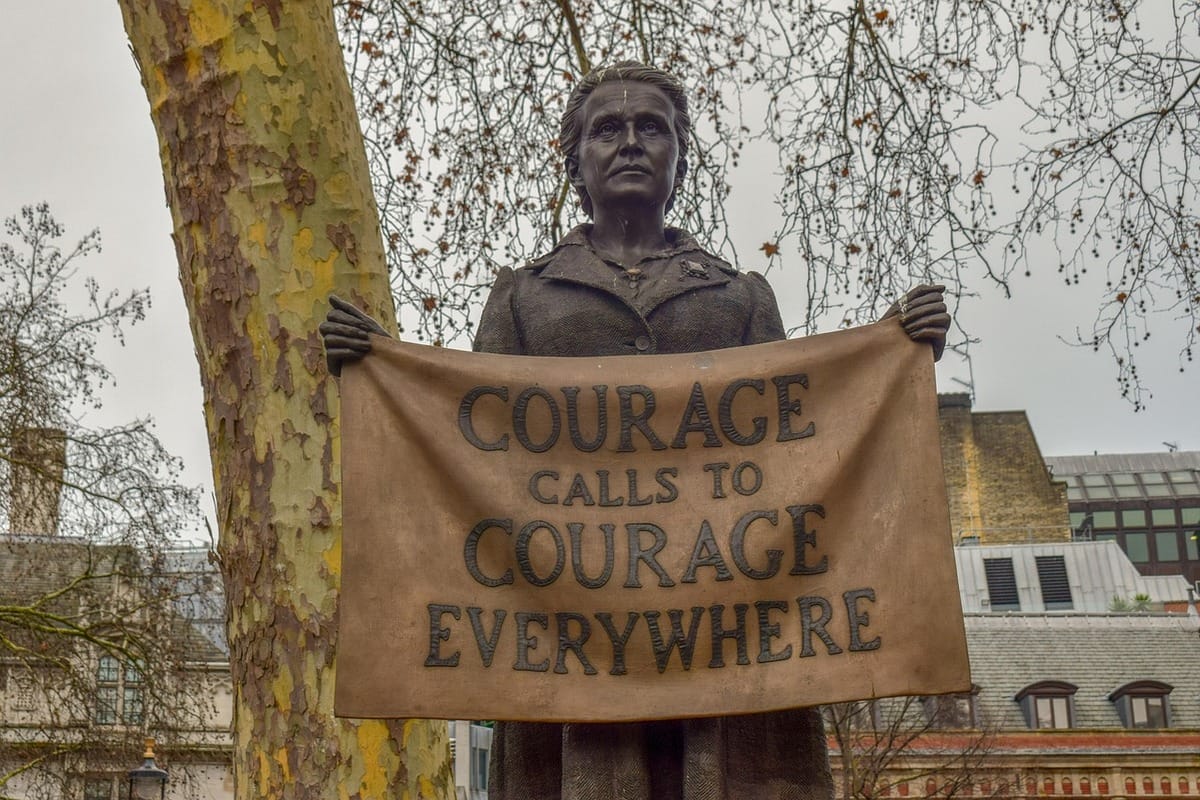
Use whatever platform you have — social media, a blog, a community group, a dinner table conversation.
Share personal stories, highlight injustices, and promote the work of organizations fighting hate. Resist Hate itself is a community doing exactly that, and membership is free.
3. Support Organizations Combatting Hate
Many organizations are doing incredible work in this space. Volunteering your time, donating resources, or attending fundraising events can help sustain the initiatives that promote inclusivity and acceptance.
Some organizations to consider supporting include the Southern Poverty Law Center and the Human Rights Campaign.
And you don’t have to wait for someone else to start something. If you see a need in your own community, create your own initiative.
Local projects that bring diverse groups together can foster understanding and collaboration in ways that national organizations can’t always reach.
Making Kindness the Norm Again
Fighting hate is only half the equation. We also need to actively build a culture where kindness is the default.
1. Practice Empathy Every Day
Empathy is one of the strongest antidotes to hate. Putting yourself in someone else’s shoes — really listening to them, validating their experiences, showing compassion — can shift entire relationships and communities.
This doesn’t have to be grand or dramatic. It can be as simple as checking in on a friend, having a real conversation with someone whose life looks nothing like yours, or attending a cultural event you wouldn’t normally go to.
The more connections we build across lines of difference, the harder it becomes for hate to divide us.
2. Create Inclusive Spaces
Whether it’s a workplace, a school, or a community center, actively working to make spaces welcoming for everyone makes a real difference.
That means examining barriers, inviting diverse voices into decision-making, and ensuring that leadership reflects the communities being served.
Inclusivity isn’t just about physical spaces — it’s about culture. When people feel valued and heard, they’re more invested in the community around them.
That sense of belonging is one of the most effective ways to reduce division.
3. Celebrate Diversity Through Community Events
Festivals, workshops, cultural exchanges, and community gatherings create opportunities for people to learn about and appreciate one another.
These events give marginalized voices a platform and promote a sense of pride and belonging.
Get local organizations, artists, and community members involved in the planning.
The more perspectives represented, the richer the experience — and the stronger the message that diversity is something to celebrate, not fear.

Final Thoughts
Hate is a complex problem, but it’s not an unbeatable one. By understanding its roots, confronting its sources, and actively building something better in its place, we can shift the culture. Education, advocacy, and genuine human connection are the tools that work.
It won’t happen overnight. But every conversation, every act of courage, and every moment of kindness chips away at the systems that sustain hate.
Together, we can build a world where diversity is celebrated and hate has no place.
FAQs
What are some effective ways to educate others about hate and tolerance?
Organize workshops, share resources online, and have open conversations about race, gender, and sexual orientation. Personal storytelling is especially powerful — hearing someone’s lived experience can foster empathy in ways that statistics alone can’t.
How can I speak up against hate without escalating the situation?
Stay calm and assertive. Use “I” statements to express how you feel and try to encourage dialogue rather than confrontation. The goal is understanding, not winning an argument.
What organizations can I support in the fight against hate?
The Southern Poverty Law Center and the Human Rights Campaign are great starting points. Also look into local organizations doing community-specific work — they often have the most direct impact.
How can I promote kindness in my community?
Start small. Compliment people, help those in need, organize community service events, and support local initiatives that bring diverse groups together.
What should I do if I encounter hate speech online?
Report it to the platform, and if it’s safe to do so, engage in constructive dialogue. Sharing accurate information and resources that counter the hate can also make a difference. Always prioritize your own safety.