
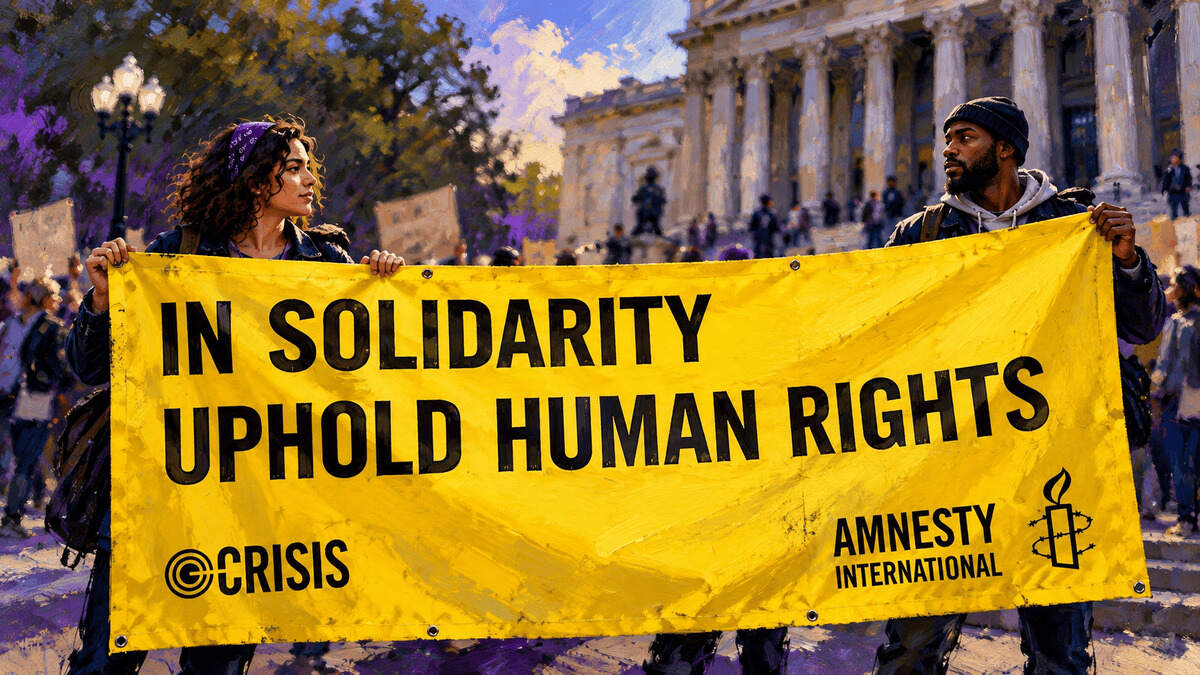

Amnesty International has spent more than 60 years documenting abuses by governments worldwide. In all that time, it has never asked a country to shut down a government agency. That changed on September 24 when it joined calls to abolish ICE in its Amnesty International ICE Report.
In the new report called "We Had Whistles, They Had Guns," the human rights group says U.S. Immigration and Customs Enforcement should be abolished, immediately. Amy Fischer, who leads Amnesty's refugee and migrant rights work, told MPR News it's the first time the organization has called for any agency in any country to disband.
Here's what the Amnesty International ICE report found, and why the group decided ICE can't be reformed.
What Amnesty investigated
Amnesty researchers interviewed 154 people between March and June 2026. They also reviewed more than 30 videos, according to EFE.
The report covers four large federal immigration operations:
- Chicago (Operation Midway Blitz)
- Minneapolis-St. Paul (Operation Metro Surge), December 2025 to February 2026
- New Orleans (Operation Catahoula Crunch), December 2025 to February 2026
- The Washington, D.C. area
Four different cities. The same patterns showed up in every one. That's why Amnesty says these weren't just a few bad agents. It was a system working the way it was meant to.
Arrested for the color of their skin
The government sold these operations as a hunt for the "worst of the worst." Amnesty found something else. Stops that were based on race, skin color, language, and neighborhood far outnumbered targeted arrests.

Minnesota state Rep. Liish Kozlowski, who is Ojibwe and Latine, told researchers what happened to their cousin. Agents smashed the pregnant woman's car window at gunpoint and roughed her up on her way to work. Her husband shouted that she was Native American and held up her tribal ID. The agent's reply, according to the report: "That doesn't [expletive] matter, this is our land now."
Mubashir Khalif Hussen, a 20-year-old U.S. citizen of Somali descent, was grabbed in Minneapolis last December. He asked agents to check his passport. They refused, put him in an unmarked car and drove him to the federal Whipple Building. He was held for hours before they let him show a photo of it. Now he’s suing.
Seven shootings, three deaths
Amnesty identified seven incidents where federal agents used deadly force in ways that broke human rights law.
Three people died:
- Renee Good and Alex Pretti, killed by federal agents in Minneapolis in January
- Silverio Villegas González, shot and killed in Chicago in September 2025
Amnesty says all three killings may be "extrajudicial executions." That means the government killed someone without any legal process, and it's one of the most serious charges in human rights law.

Julio Sosa-Celis survived being shot in north Minneapolis. The ICE agent who shot him, Christian Castro, faces federal and state charges, including lying to investigators. A Texas judge denied Minnesota's request to extradite him.
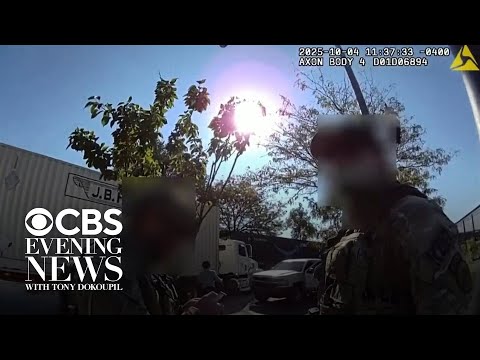
Amnesty wants a use-of-force investigation into the October shooting of Marimar Martinez in Chicago (Bodycam footage from that incident below).
Locked in rooms never meant for people
Most people arrested in Minnesota ended up in the Whipple Building, a federal office that wasn’t built to hold people overnight. The report describes it as overcrowded and unsanitary.
A woman researchers call Sofia was arrested with her husband in a Bloomington parking lot. The agents wore street clothes. They didn't show an ID or warrant. She begged to call a relative to pick up her kids. They said no. She’s lived here since 2023 and has an active asylum case, yet she spent more than a month at Whipple.
In Chicago, the Broadview facility held people for long stretches even though it isn't officially a detention center.
Amnesty says keeping people in conditions intended to get them to self-deport may amount to torture. Some detainees couldn't reach a lawyer at all. The report also flags possible enforced disappearances, where the government holds someone and won't tell their family where they are.
Pepper balls for a praying minister
Rev. David Black often led ministry outside Broadview. During one service, dressed in clergy clothing, he called on three agents standing on the roof to repent. They shot him in the head with an exploding pepper-spray pellet.
The report documents tear gas and pepper spray used on protesters, observers and neighbors. Agents also arrested people for simply watching them work, claiming they were getting in the way.
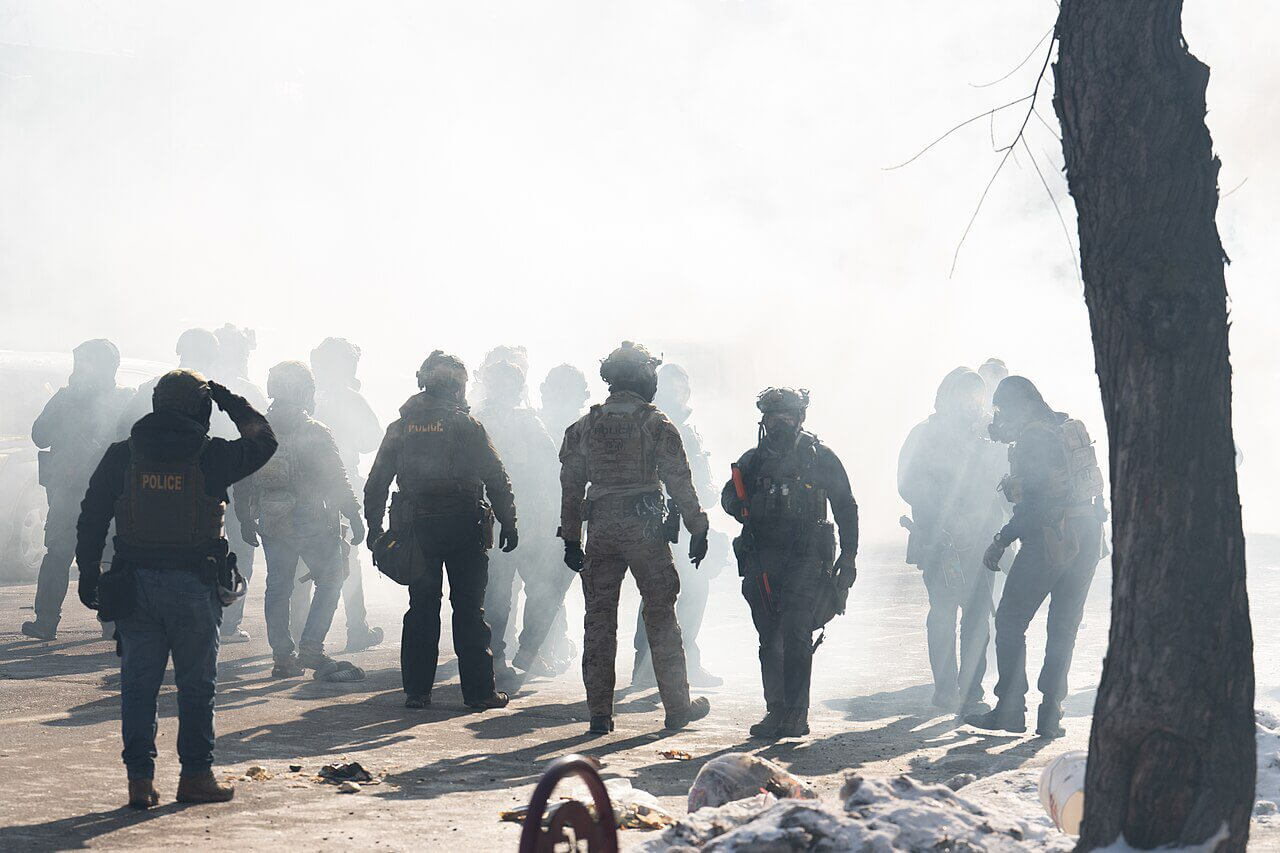
In several of the worst cases, video filmed by neighbors proved what really happened, contradicting the government's narrative.
Why Amnesty says ICE can't be reformed
The report says these abuses can't be blamed only on bad agents, poor training, or weak oversight. Agents worked masked and without ID. Safeguards against misconduct were weakened or scrapped. And senior officials, including President Trump, openly encouraged the violence.
"ICE is fundamentally broken and cannot be fixed," Amnesty USA Executive Director Nadia Daar said.
Amnesty is urging House members to cosponsor the Melt ICE Act (H.R. 7190). The bill would strip ICE's power to detain immigrants and end all current detention contracts within two years.
What the government said
ICE didn't respond to requests for comment from Axios or AFP. A DHS spokesperson answered MPR News by pointing to a list of people arrested in Chicago who the agency says have criminal records.
That list doesn't answer what happened to Sofia, to Mubashir Hussen, or to a pregnant Ojibwe woman on her way to work.

The big picture
The report drops during the deadliest stretch in modern ICE history. At least 27 people have died in ICE custody so far this year, putting 2026 on pace to break last year's record. Less than a week before the report came out, an ICE agent shot and wounded Wilber Garces Perez, a Venezuelan man, in Austin, Texas.
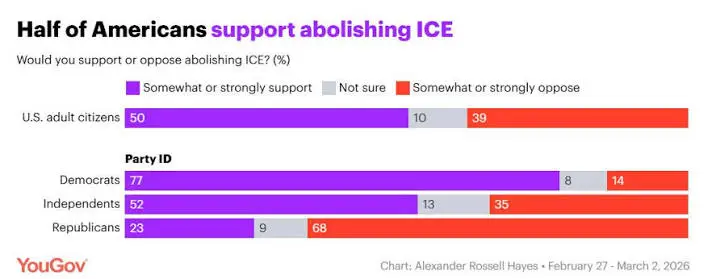
But the report also tells another story. Neighbors built rapid-response networks. Parents walked kids to school bus stops so they could get to school safely. People stood on street corners with whistles in freezing weather to warn their neighbors. They had whistles. The agents had guns.
Liliana Zaragoza, who runs a racial justice law clinic at the University of Minnesota, grew up near the Mexico border before ICE existed in 2003. She told reporters she dreams of her two kids, and every child who lived through these raids, growing up without ICE.
That used to be the norm in this country. It could be again.
Follow our ongoing coverage in the ICE & Immigration hub.