

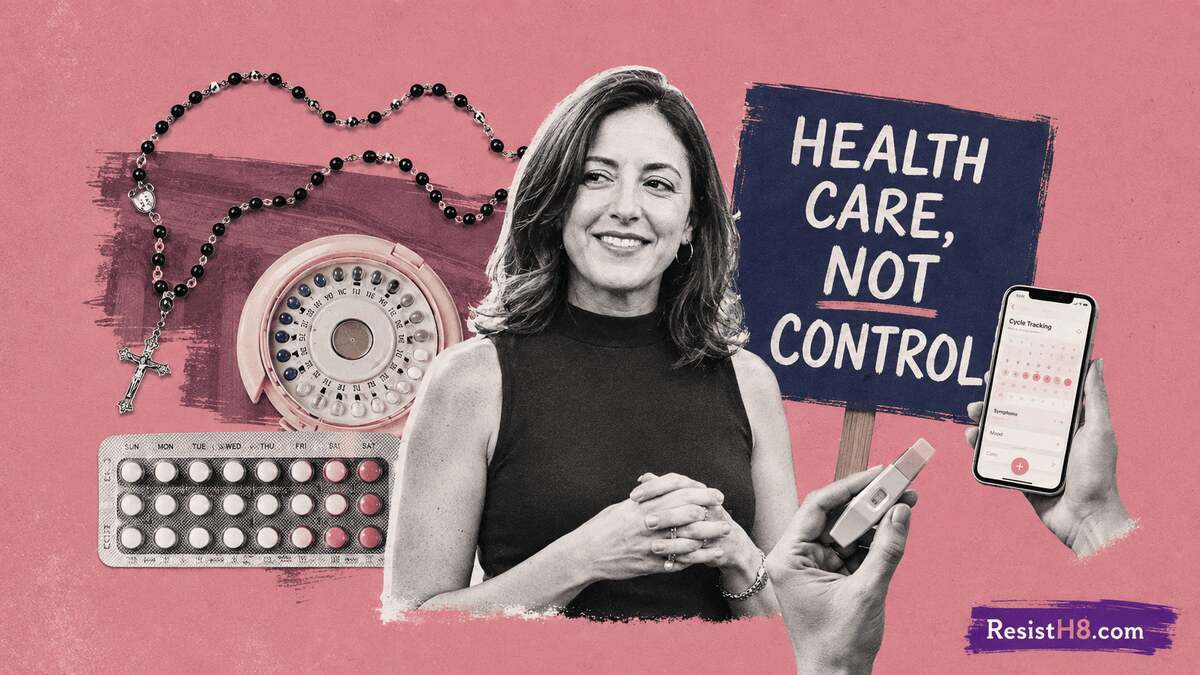

The Comstock Act is a federal law from 1873 that made it a crime to mail anything the government considered "obscene," including birth control, abortion drugs, and information about either one.
It was never repealed. It sat dormant for 50 years, and now the anti-abortion movement wants to use it to end mail-order abortion pills nationwide without a vote in Congress.
Here's the full origin story, minus the Victorian hand-wringing.
Who Was Anthony Comstock?
Anthony Comstock was a Civil War veteran turned professional scold. He moved to New York City after the war, decided the place was drowning in drink, smut, and sin, and founded the New York Society for the Suppression of Vice to do something about it.
In 1873, he talked a Republican Congress into passing a sweeping anti-obscenity law. President Ulysses S. Grant signed it that March, and Comstock was made a special agent of the Post Office with the power to enforce it himself.
He did, with gusto. Comstock raided bookstores, opened people's mail, and ran sting operations to catch anyone selling contraceptives. He courted the press and bragged about his arrest totals. To his fans, he was a guardian of American families. To everyone else, he was a censor nut.
Why the 1870s?
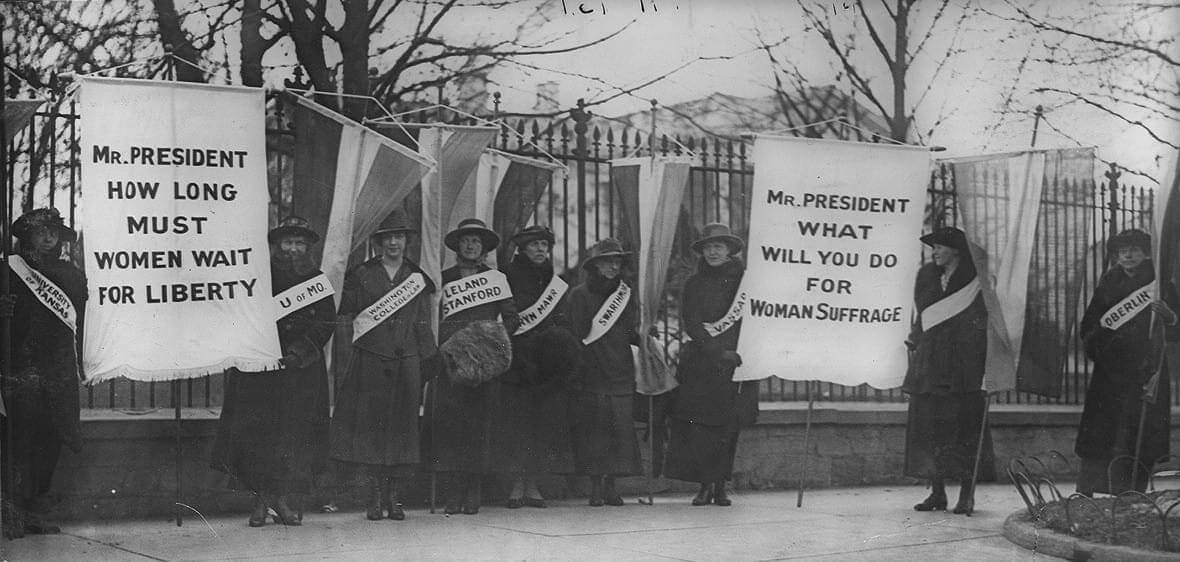
The law was a panic response to a country’s progression. The Civil War had just ended. The women's suffrage movement was gaining ground, and some early feminists were saying out loud that women should decide whether and when to have children. Cheap printing and a growing postal system meant a pamphlet about contraception could reach anyone with an address.
That terrified the men in charge. Their answer was simple: control the mail, and you control what people can learn about their own bodies.
What is the Comstock Act?
The Comstock Act banned the mailing of anything "obscene, lewd, or lascivious," and it spelled out what that included:
- Anything used to prevent pregnancy
- Anything "designed, adapted, or intended for producing abortion"
- Information about where to get either one
- Books, pamphlets, and pictures a postal inspector found indecent
Violators faced up to five years of hard labor and a $2,000 fine. Postal inspectors could search and seize mail, and citizens were encouraged to report their neighbors.
The law never defined "obscene." That was the point. The wording was so broad that an inspector could block a medical textbook as easily as a dirty novel, and enforcement depended entirely on who was reading your mail and what offended them. A package that sailed through in one city could get you arrested in another.
Who Got Prosecuted
Mostly the people trying to educate the public.
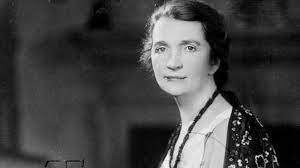
Margaret Sanger, the nurse who launched the American birth control movement, was indicted under the Comstock Act in 1914 for mailing her newspaper The Woman Rebel. She fled to England. Her estranged husband, William, was convicted the next year for handing a single copy of her birth control pamphlet to one of Comstock's undercover agents. Sanger came home, opened the nation's first birth control clinic in Brooklyn in 1916, and was arrested nine days later. She served 30 days.
Doctors risked prison for telling patients how to prevent pregnancy. Publishers got hit too. As late as 1959, the Post Office banned Lady Chatterley's Lover from the mail, and a federal judge had to overrule it.
Every case made headlines, and the headlines helped. The prosecutions turned Comstock into a symbol of government overreach and turned birth control into a mainstream cause.
The Lasting Damage
The Comstock Act did more than block some mail. It taught generations of Americans that talking about sex, pregnancy, or contraception was shameful and possibly criminal. Doctors stopped discussing birth control. Schools didn't teach it. The stigma and misinformation that grew in that silence hasn't fully gone away.
It also provided the conservative movement with a template: write a morality law broadly enough, put enforcement in friendly hands, and you can police what people read, buy, and do in private.
That playbook shows up in every fight over abortion, sex education, and LGBTQ+ rights since.
Is the Comstock Act Still Law?
Yes. Congress never repealed it.
Courts spent most of the 20th century chipping away at it instead. A 1936 federal appeals court ruling let doctors import and prescribe contraceptives. The Supreme Court recognized a right to contraception for married couples in 1965 and for everyone in 1972. Congress finally struck the birth control language from the law in 1971. But the abortion provisions stayed on the books. After Roe v. Wade in 1973, they simply went unenforced.
Then Dobbs overturned Roe in June 2022, and the anti-abortion movement remembered what was still sitting in the U.S. Code.
The Comstock Act and the Abortion Pill Ban
Nearly two-thirds of U.S. abortions now happen with pills, and many of those pills arrive by mail after a telehealth visit. That is exactly what the Comstock Act's abortion clause was written to stop.


The strategy is simple, and its backers have said it out loud. Enforce the Comstock Act as written, and mailing abortion pills becomes a federal crime in all 50 states, blue states included. No new law required. Project 2025 told the next Republican Justice Department to do exactly that.
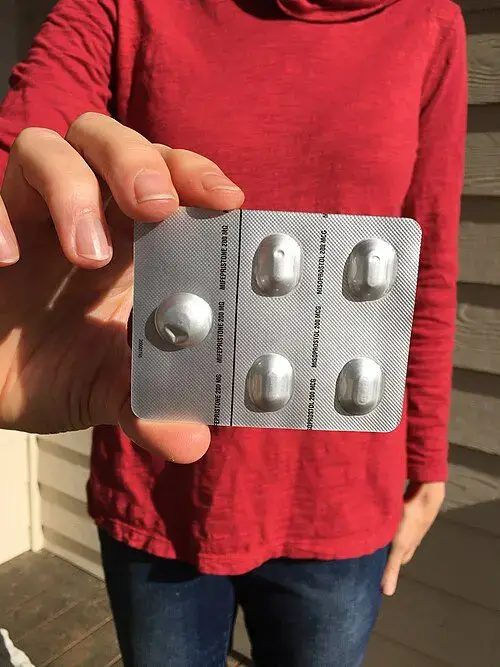
Then-Senator JD Vance, now the vice president, signed a 2023 letter with about 40 other Republicans demanding the DOJ shut down every mail-order abortion operation in the country. A Trump-appointed judge in Texas cited the act in his 2023 ruling against the FDA's approval of mifepristone, and Justices Samuel Alito and Clarence Thomas brought it up on their own during the 2024 Supreme Court mifepristone case.
The Biden administration's Justice Department read the law differently. In a December 2022 opinion, it concluded the act only applies when the sender intends the pills to be used illegally, and since abortion remains legal in many states, most shipments don't qualify. That opinion is the only thing standing between current Post Office policy and a nationwide crackdown, and the Trump administration could withdraw it at any time.
Democrats have tried to close the door for good. Senator Tina Smith reintroduced the Stop Comstock Act on March 12, 2025, to strip the abortion language out of the law entirely. With Republicans controlling both chambers, it isn't going anywhere soon.
Now What?
For patients, the practical result is a patchwork. Two people can have the same telehealth appointment, one in Pennsylvania and one in Texas, and walk away with completely different options depending on their state's laws and what the federal government decides to enforce.
Whether the Comstock Act becomes a backdoor national abortion ban or finally gets repealed depends on the same things that have always decided its fate: who holds power, and how loudly the public pushes back. In 1873, almost nobody pushed. Today, a lot of people are.