
Lately in Minnesota, something unusual and tense has been unfolding at a church in St. Paul. What started as a protest about immigration enforcement quickly turned into a federal legal matter, drawing national attention and raising questions about protest rights, religious services, and how far the Justice Department will go to enforce the law.
Let’s walk through what happened, why it matters, and why people across the country are talking about it.
At the heart of the controversy is a Sunday church service at Cities Church in St. Paul, Minnesota. During worship, a group of anti-ICE protesters entered the building and began chanting slogans like “ICE out!” and “Justice for Renee Good,” referring to a woman who was fatally shot by an ICE officer earlier in January.
The protesters were upset about violent immigration enforcement practices and believed the church’s pastor had ties to ICE.
The disruption was more than just loud voices in a sanctuary. Worshipers were interrupted in the middle of their service, and the situation quickly drew the attention of federal authorities.
The U.S. Department of Justice announced an investigation into the protest.
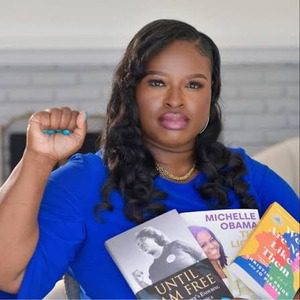
On Thursday, U.S. Attorney General Pam Bondi confirmed the arrest of Nekima Levy Armstrong, a well-known civil rights attorney who helped lead the protest. At least one more person was also taken into custody in connection with the disruption.
Bondi’s comments consisted of her typical rhetoric. On social media, she wrote that “we do not tolerate attacks on places of worship,” reinforcing that interrupting a church service could cross legal lines and spark federal action. Wers they this incensed about the mosques that were attacked? What about when the far-right extremist shot up a church?
Here’s where the legal complexity steps in. The protesters weren’t just opposing immigration policy — they were physically inside a space where people were gathered to worship.
Under federal statutes that protect the free exercise of religion and access to houses of worship, interfering with a religious service can lead to serious charges. That’s part of what the Justice Department is using here.
This isn’t just about a protest anymore. It has become a legal fight over where protest ends and unlawful disruption begins.
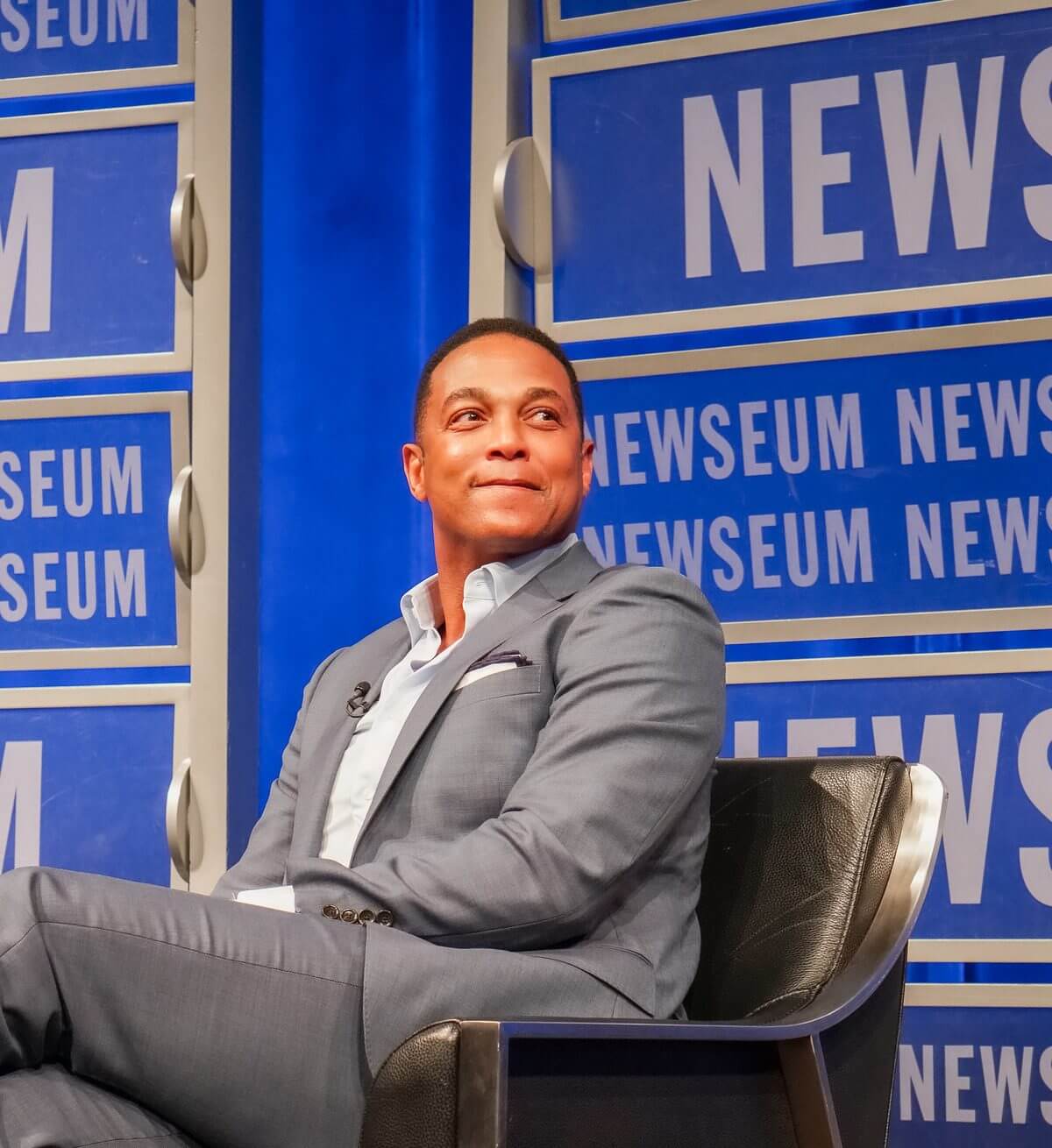
Alongside the arrests, there have been important First Amendment questions raised by journalists and legal observers. Former CNN anchor Don Lemon was present and livestreaming the protest.
Right-wing media and social media influencers were calling for his arrest, but a judge declined to approve charges against him, saying that his role appeared to be journalistic coverage rather than active participation. That decision highlighted how carefully the legal system must tread when balancing freedom of the press with other laws about interfering with services.
So why do people feel so strongly about what happened at this church?
To many of the protesters, the actions were rooted in frustration over immigration enforcement, especially after the death of Renée Nicole Good, a Minnesota mother of three shot by an ICE officer earlier this month. Her death has sparked widespread protests and grief in the Twin Cities community, igniting long-standing debates over immigration policing and civil rights.

For those who worshipped that day, and for officials like the attorney general, the protest was not simply about disagreement with policy. It was seen as crossing a line into interrupting a religious gathering — something the law treats seriously because of the value [that used to be] placed on free religion and peaceful assembly in the United States.
It also feeds into the Christian Nationalism agenda some of the cabinet members and Republican politicians in Congress identify with. Pete Hegseth is known to have strong White and Christian Nationalist beliefs.
The situation also comes amid broader tensions over immigration enforcement in Minnesota. The Trump administration has been pushing a major immigration operation in the Twin Cities, deploying thousands of ICE agents and stepping up arrests and deportations under a plan called Operation Metro Surge.
That surge has provoked protests, community pushback, and disagreements between federal and local leaders over how immigration policy should be carried out.
All of this has set the stage for a flashpoint: people protesting what they see as unjust enforcement, and the federal government stepping in to uphold laws that protect religious services and public order.
There’s a complicated mix of issues here: freedom of speech, freedom of religion, how and when protests become unlawful, and how the government chooses to respond. You don’t have to look hard to see why people on both sides feel the situation is symbolic of larger clashes in the country over immigration policy and civil liberties.
One important takeaway is that the legal system is still sorting this out. The arrests of the leaders involved in the protest show that federal authorities believe laws were broken.
At the same time, the judge’s decision not to charge Don Lemon signals that courts may be cautious about how broadly they apply those laws. These decisions are shaping the boundaries of protest rights in public and private spaces.
For everyday people watching this unfold, it’s an invitation to think about how we balance passionate activism with respect for others’ rights. Can you protest loudly about something you feel is unjust? Absolutely. But when that protest happens inside a religious service, it raises tough questions about whose rights are being protected and whose are being disrupted.
You know the saying—“Your rights end where mine begin.”
In a deeply divided country, stories like this remind us that our laws, our courts, and our communities are constantly learning how to navigate protests, power, and rights in real time.
Stay curious. Keep learning. And always ask what different sides of a story might be trying to say. That’s how we make sense of complicated moments like this one.
Photo of Don Lemon by Ted Eytan, Flickr CC BY-SA license