
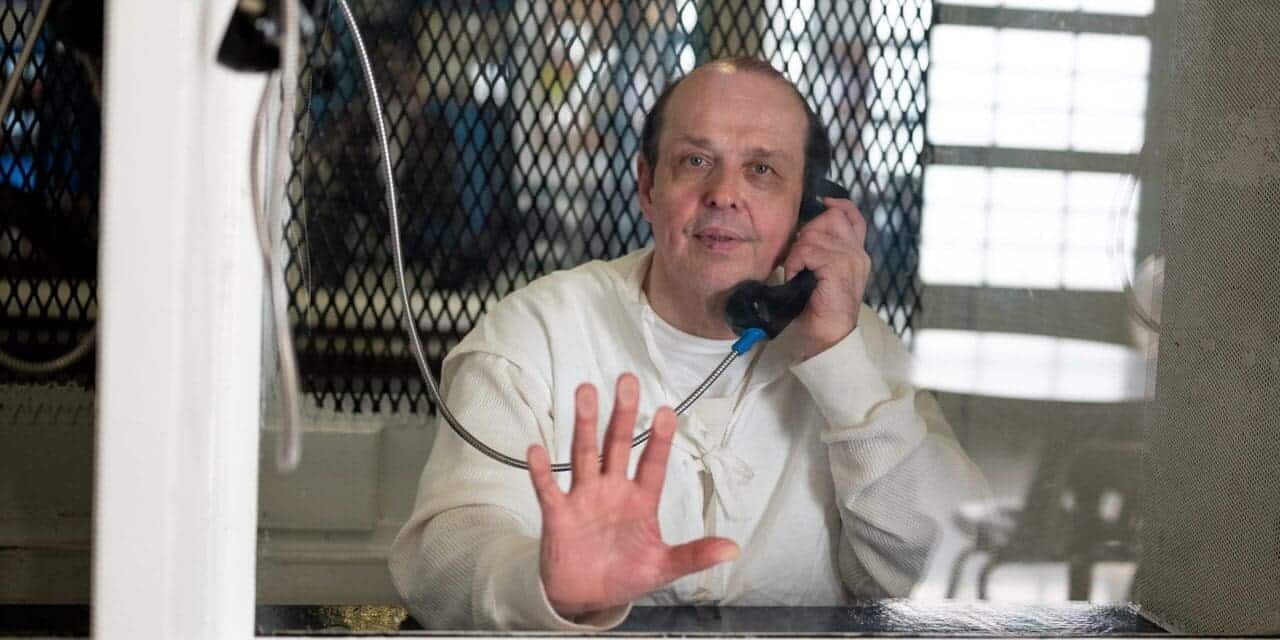
Nikki was unconscious and her lips were blue when her father Robert Roberson found her in bed the morning of January 31, 2002.
The 2-year-old had been ill the previous week, coughing, vomiting, and running a high fever. Roberson had taken her to the doctor twice and both times was sent home with drugs that, today, would not be prescribed for children her age. The night before Roberson found his daughter unconscious, Nikki had fallen out of bed; he’d comforted her and everything seemed fine. Now, she was unresponsive. Roberson rushed Nikki to the local hospital in Palestine, Texas. Within a day, Nikki was dead and Roberson was quickly accused of having killed her.
The following year, he was convicted and sentenced to death based on claims by medical professionals that Nikki’s death was the result of so-called shaken baby syndrome, or SBS: a diagnosis based on the belief that a certain combination of injuries found in a baby or toddler could only be caused by violent shaking. This theory has repeatedly been disproven by scientific research. Across the country, 34 people convicted based on SBS have been exonerated, according to the National Registry of Exonerations.
Texas is currently planning to kill Roberson on October 17. If that happens, he will be the first person executed in the U.S. based on the junk science of SBS — despite a first-of-its-kind law in Texas meant to undo convictions that hinged on science now known to be unreliable.
Continue reading on The Intercept