

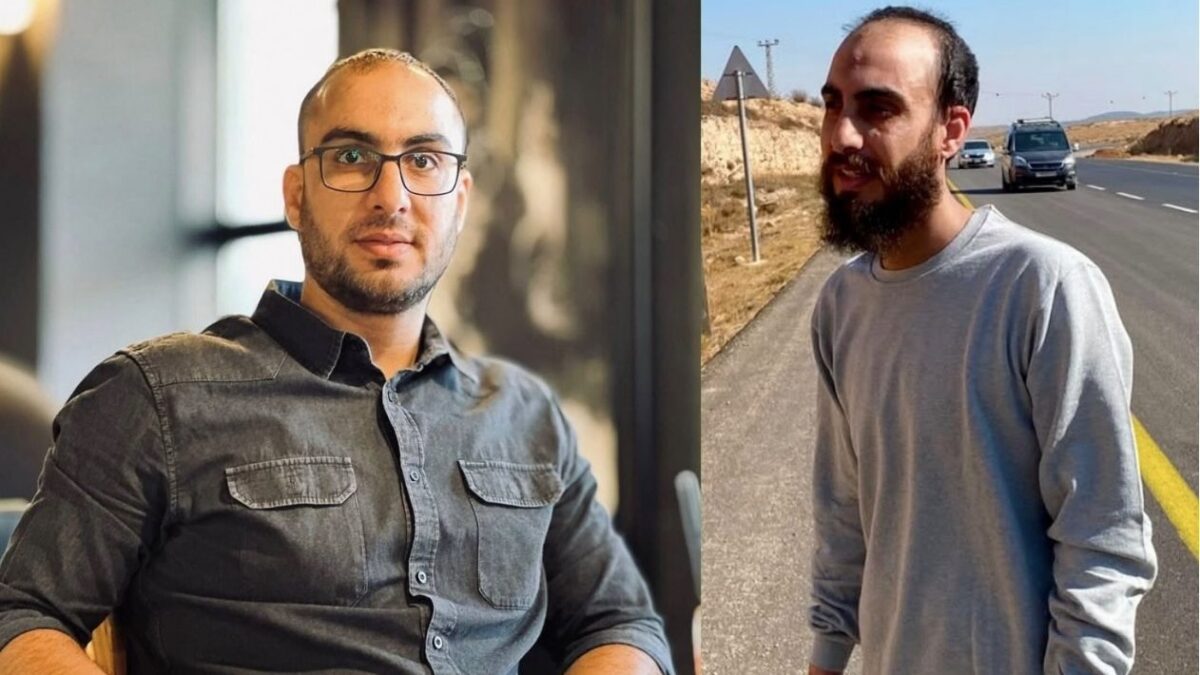

Mujahed al-Saadi weighed about 196 pounds when Israeli soldiers took him from his home in Jenin. When Israel let him go 22 months later, he weighed 130.
He was never charged with a crime. He never got a trial. Israel never provided any evidence against him.
Now this Palestinian journalist held without charge has written about what happened to him inside Megiddo Prison for Drop Site News. It's the first of two parts. It is hard to read.
Who is Mujahed al-Saadi?
Al-Saadi has reported from Jenin, in the occupied West Bank, since 2012. He has worked for Arabic-language outlets like Palestine Today TV and Al-Araby al-Jadeed, according to Capital News Service.
In May 2022, he was a few feet from Palestinian American journalist Shireen Abu Akleh when an Israeli soldier shot and killed her. He told CNN that he and the other reporters tried to save her but couldn't.
In September 2024, he wrote a report for Drop Site about Israeli troops surrounding Jenin's hospitals. About two weeks later, the soldiers came for him.
Sometimes more than 10 men shared one painkiller, crushed and stirred into water.
The arrest
Just after midnight on Sept. 19, 2024, Israeli forces broke down his door and threw stun grenades inside. Soldiers beat him in front of his family. They tied his hands, covered his eyes, and took his cameras and phones.
They drove him to an army base and left him outside for a full day and night with no food or water. Then they took him to Megiddo Prison.
Within three days, Israel put him in administrative detention. It's a system that lets Israel jail people without charges, in blocks of time that can be renewed again and again. Israel renewed his 6-month detention four times.
Inside Megiddo Prison
Al-Saadi calls Israel's prisons "graveyards for the living." His account shows why.
- Crowding: Ten men shared each cell, about 215 square feet, with one bathroom.
- Hunger: Breakfast might be a few spoonfuls of yogurt and three slices of bread. Lunch was a few spoonfuls of cold rice and beans.
- Filth: He went 15 days without a shower. Toothbrushes, razors, and nail clippers were taken away. He says about 95% of prisoners caught scabies, a painful, itchy skin infection.
- Almost no medical care: Sometimes more than 10 men shared one painkiller, crushed and stirred into water.
- Beatings: New prisoners are beaten when they arrive. One winter night, a guard unit raided his cell, stripped the men, and left them lying face down outside near a sewage drain for more than two hours.
Devastating news, in five minutes
Lawyer visits were the only link to his family. Each one cost the prisoner more than $230 and lasted about five minutes. Before a visit, prisoners waited for hours on their knees, blindfolded and shackled.
About six months in, his lawyer stared at him in shock. Al-Saadi barely looked like the photos his wife had sent. Then the lawyer told him his older brother had been killed in the West Bank.
He was shot inside his home during an Israeli raid, and ambulances were blocked from reaching him.
Al-Saadi broke down crying. The guards beat him for it.
Palestinian journalist held without charges comes home
Israel released him on July 14, 2026. He came out with thyroid and liver problems.
His youngest daughter, Maria, was 6 months old when he was taken. When he came home, she was over 2 years old. She didn't know him. It took almost a month before she allowed him to get close to her.
About a month after his release, he was back at work, filing a video report on an Israeli airstrike near his home.
He’s not the only one
Al-Saadi's story matches what human rights groups keep finding:
- The Committee to Protect Journalists (CPJ) interviewed 59 Palestinian journalists held by Israel since October 2023. All but one described torture or abuse. Most were never charged. On average, they lost more than 50 pounds. Two said they experienced violent sexual assault.
- In March, Palestine TV technician Marwan Harzallah died in Megiddo Prison while held without charge.
- Israel is holding 37 Palestinian journalists, 19 of them without charges, according to the Palestinian Prisoner Society.
- Physicians for Human Rights–Israel counted at least 98 Palestinians who died in Israeli custody from October 2023 to late 2025. Fewer than 30 died in the 10 years before the war.
Even Israel's own High Court ruled in September 2025 that the state wasn't giving prisoners enough food. National Security Minister Itamar Ben-Gvir, who runs the prisons, attacked the judges. He promised to keep prisoners in "the most minimal conditions under the law." Months later, released prisoners were still coming out starving.
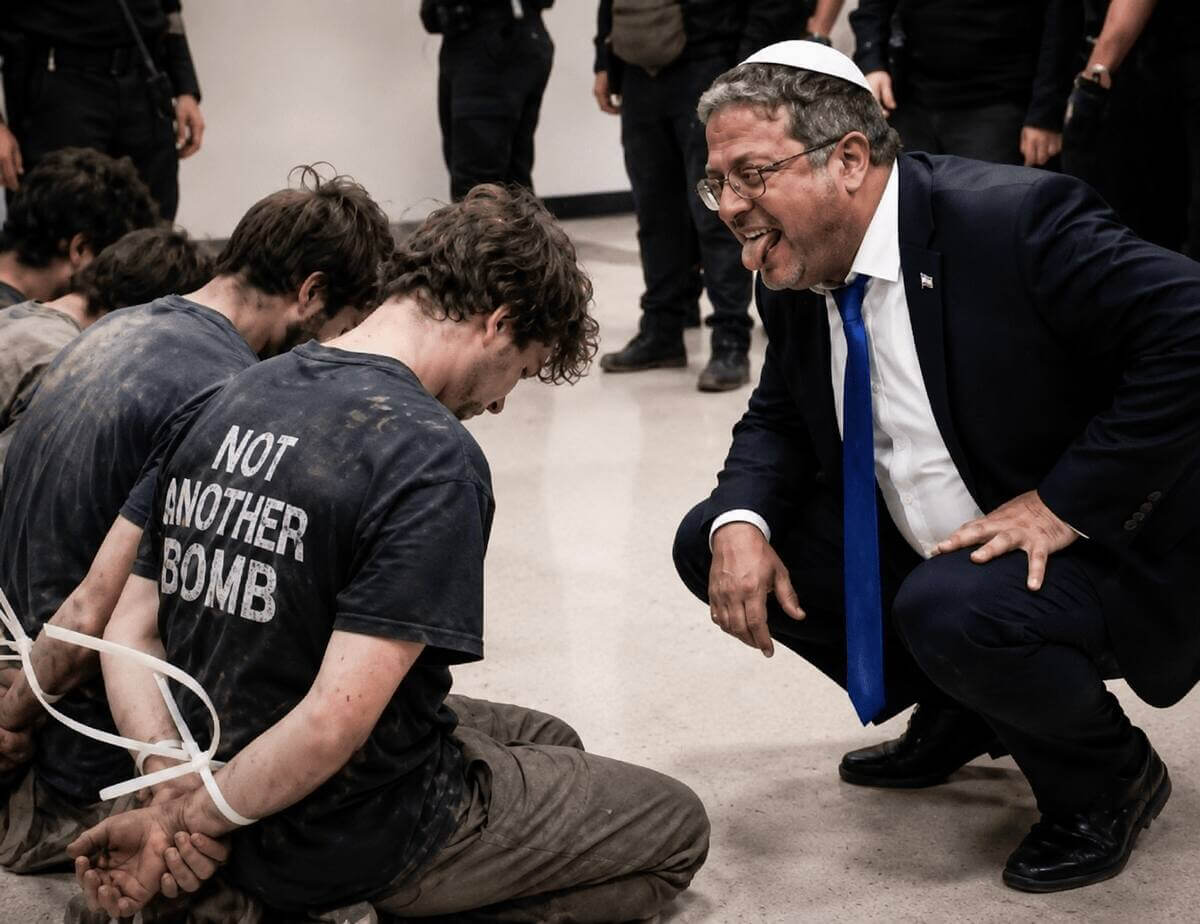
This is the same Ben-Gvir who said Gaza's people are "not even people." Israel is also building a gallows to carry out its new death penalty law.
What Israel says
When CPJ asked about the journalists' accounts, an Israeli army spokesperson said detainees are "treated in accordance with international law." The Israel Prison Service told CPJ that, as far as it knew, none of the abuse happened, TRT World reported. Ben-Gvir's ministry didn't respond.
Mujahed al-Saadi made it out. He went back to work with his camera, a body worn down by hunger, and a little girl still learning who her dad is. Nearly 40 other Palestinian journalists are still inside, waiting for charges that may never come.