
White nationalism isn’t new. It isn’t a fringe internet phenomenon that appeared out of nowhere in 2016. It is one of the oldest and most deeply embedded ideologies in American history — woven into the country’s founding documents, its laws, its institutions, and its politics.
Understanding where it came from is fundamental to understanding why it’s so dangerous today.
Built Into the Foundation
The United States was constructed, from its very first laws, as a nation that explicitly privileged white people.
The Naturalization Act of 1790 — one of the earliest pieces of legislation passed by Congress — restricted citizenship to immigrants who were “free white persons” of “good moral character.” (White people from South Africa?)
Non-white people were, by law, excluded from the full rights of belonging in this country.
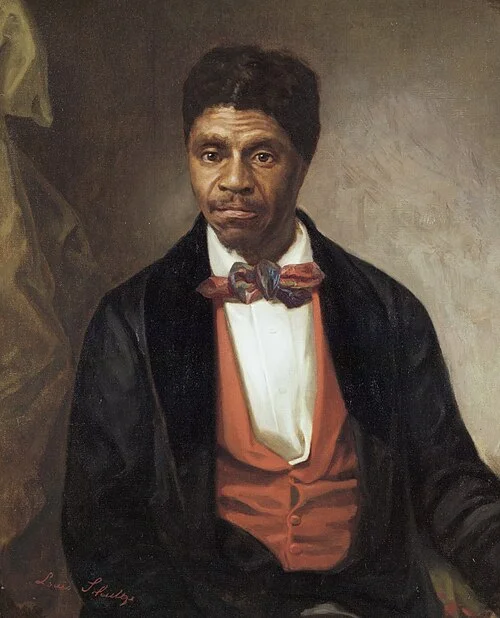
In 1856, the Supreme Court doubled down with the Dred Scott decision, ruling that Black people descended from slaves could never be U.S. citizens, even if they were born on American soil.
The message was clear: America was designed as a white nation, and its legal infrastructure enforced that design at every level.
Slavery itself was defended through theories of racial hierarchy. Wealthy white Southerners funded and promoted so-called “race science” to justify their economic exploitation of Black people. Thomas Jefferson — the man who wrote “all men are created equal” — also wrote that Black people were “inferior to the whites in the endowments of body and mind.” This contradiction sits at the heart of American history, and white nationalism has exploited it ever since.
The Klan and the Birth of Organized White Terror
After the Civil War ended slavery, the ideology of white supremacy didn’t disappear — it reorganized. The Ku Klux Klan was founded during Reconstruction as an insurgent terrorist organization with one goal: maintaining the Southern racial hierarchy through fear, intimidation, and murder.
The Klan attacked Black communities, burned homes and churches, and assassinated Black political leaders who dared to participate in the democracy that the Constitution now promised them.
The first Klan faded within a few years, but its second incarnation exploded in the early 1900s, fueled in part by the 1915 film “The Birth of a Nation,” which glorified the original Klan as heroic defenders of white civilization.
This new version of the Klan wasn’t confined to the South. It spread across the entire country, gaining millions of members and significant political power.
Its targets expanded beyond Black Americans to include Jewish people, Catholics, and immigrants from Southern and Eastern Europe.
During this same period, the eugenics movement gave white nationalism an intellectual veneer.
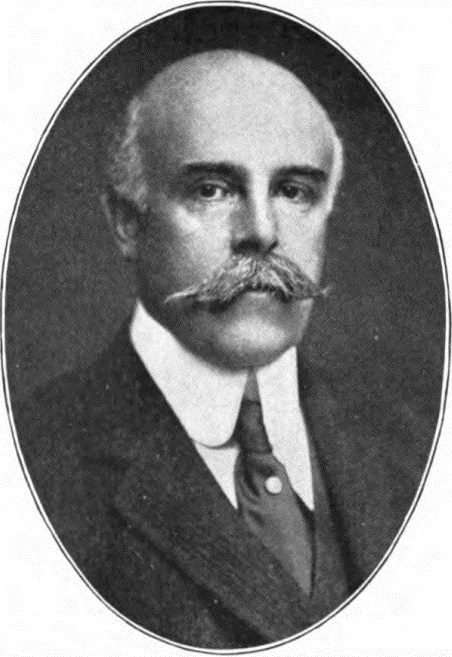
Prominent progressive thinkers like Madison Grant and Lothrop Stoddard argued that racial mixing would destroy Western civilization.
At the 2026 Munich Security Conference, Secretary of State Marco Rubio spoke about immigration being a threat to Western civilization.
These ideas directly influenced the Immigration Act of 1924, which severely restricted immigration from non-Northern European countries — a law that remained on the books for more than 40 years.
The Civil Rights Era and the Backlash
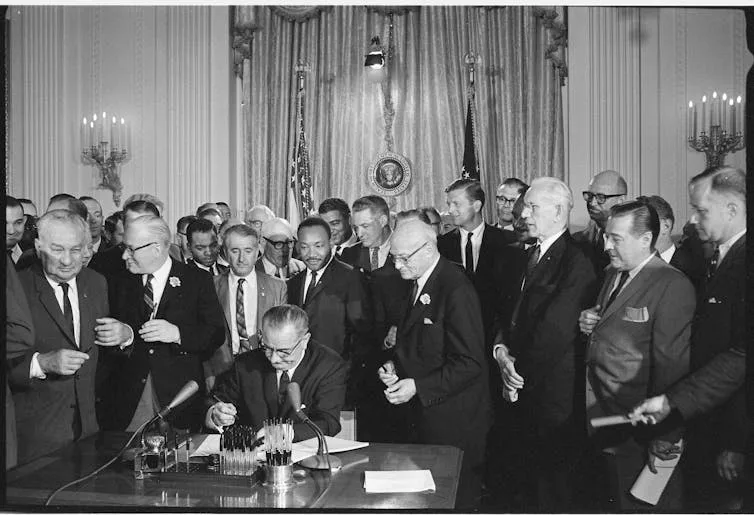
LBJ Library photo by Cecil Stoughton
The mid-20th century brought the civil rights movement, which dismantled the legal architecture of segregation through landmark legislation including the Civil Rights Act of 1964, the Voting Rights Act of 1965, and the Immigration and Nationality Act of 1965, which opened immigration to people from non-European countries for the first time in decades.
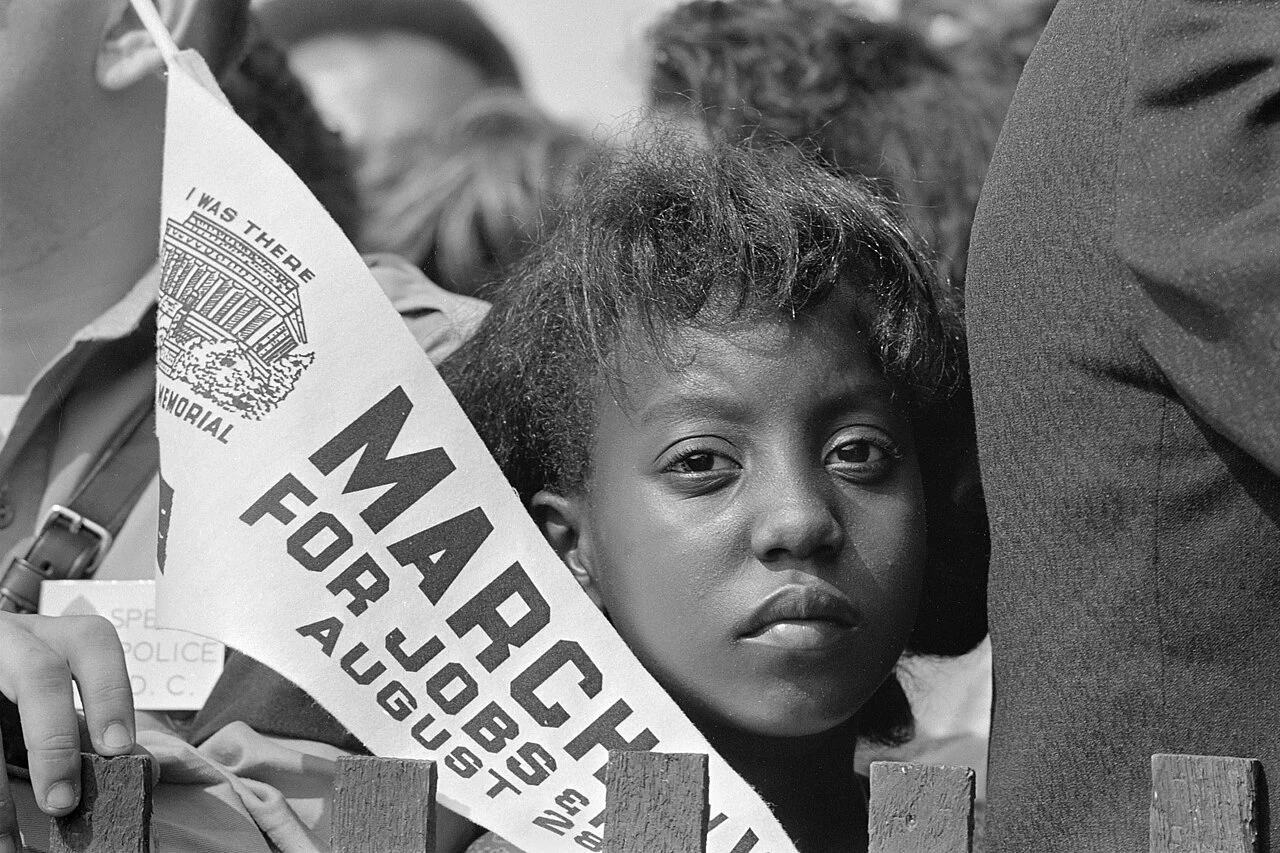
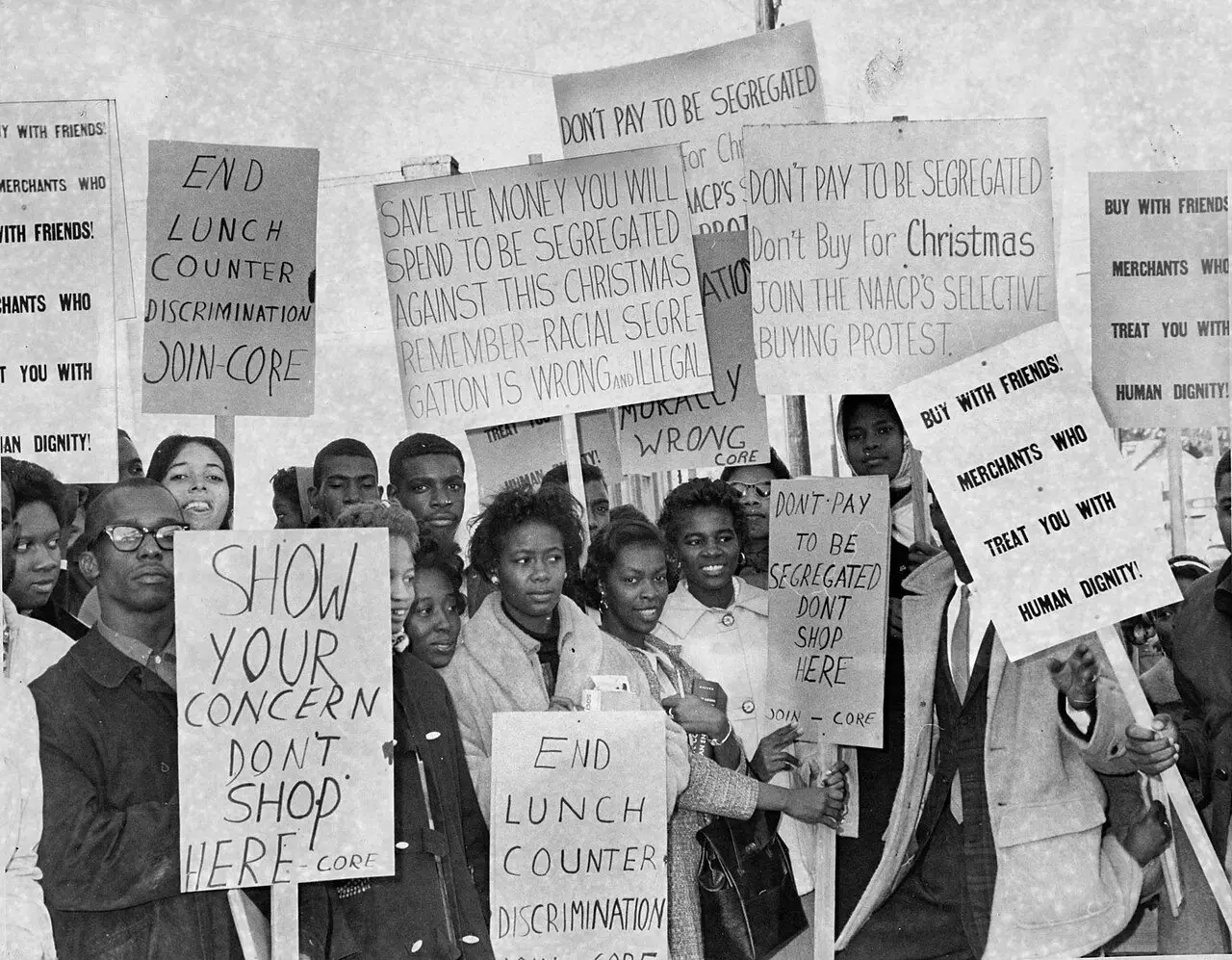
White nationalists saw each of these victories as an existential threat.
The Klan experienced yet another resurgence, committing acts of terrorism across the South — bombing churches, murdering civil rights workers, and attacking Black communities with impunity.
Related

But historian Kathleen Belew has documented how white militancy shifted after this era and the Vietnam War from defending the existing racial order to something far more radical: a movement committed to overthrowing the United States government and establishing a white homeland.
This shift produced deadly results.
The 1979 Greensboro massacre, (Politico referred to it as “The massacre that spawned the alt right”) in which Klansmen and neo-Nazis shot and killed five people at an anti-Klan rally.
The terrorist campaign of “the Order” in the 1980s, which carried out bombings, robberies, and assassinations.
The 1995 Oklahoma City bombing, which killed 168 people — the deadliest act of domestic terrorism in American history at that time.
All were motivated by white nationalist ideology.
The Rebrand: From White Hoods to Polo Shirts
By the late 20th century, white nationalism began a deliberate makeover.
The term “white nationalist” itself was adopted as a rebranding effort, as former Department of Homeland Security counterterrorism expert Daryl Johnson has noted, to appear more credible while avoiding the negative associations that came with being called a white supremacist.
“Among Christian nationalism adherents, 40 percent agreed that “true American patriots may have to resort to violence in order to save our country.”
The core beliefs didn’t change — only the packaging.
The internet supercharged this transformation. Online forums, social media platforms, and meme culture allowed white nationalist ideas to spread faster and reach younger audiences than ever before.
The “alt-right” — a term coined by white supremacist Richard Spencer — emerged as a loose network that disseminated white nationalist ideology through ironic humor, coded language, and plausible deniability.
The strategy was effective precisely because it allowed people to engage with extremist ideas while maintaining the illusion that they weren’t really serious.
Central to the modern movement is the “Great Replacement” conspiracy theory — the false claim that immigration and demographic change are part of a deliberate plot, often attributed to Jewish people, to destroy the white race.
This theory, popularized by French far-right activist Renaud Camus in 2011, has become the animating idea behind some of the deadliest white nationalist attacks of the 21st century, including the massacres in Christchurch, El Paso, and Buffalo.
White Nationalism in American Politics Today
What makes this moment in American history so alarming is not that white nationalism exists — it has always existed.
What’s alarming is how thoroughly it has infiltrated mainstream politics and policy.
The Southern Poverty Law Center documented a record 835 active anti-government groups and 595 hate groups in the United States in 2023.
But by 2024, those numbers actually declined slightly — not because the movement was weakening, but because its ideas had become so normalized in mainstream politics that formal organization felt less necessary.
As the SPLC explained, many adherents now feel their beliefs are reflected in government policy and public discourse.
The evidence is everywhere.
The dismantling of diversity, equity, and inclusion programs across government and education.
Book bans targeting works that address race and racism.
Anti-immigrant rhetoric that echoes Great Replacement talking points.
The erosion of voting rights protections that disproportionately affect communities of color.
The pardoning of individuals convicted of the January 6th attack on the U.S. Capitol — an event fueled in part by the belief that immigration and demographic change were “stealing” the country from its rightful owners.
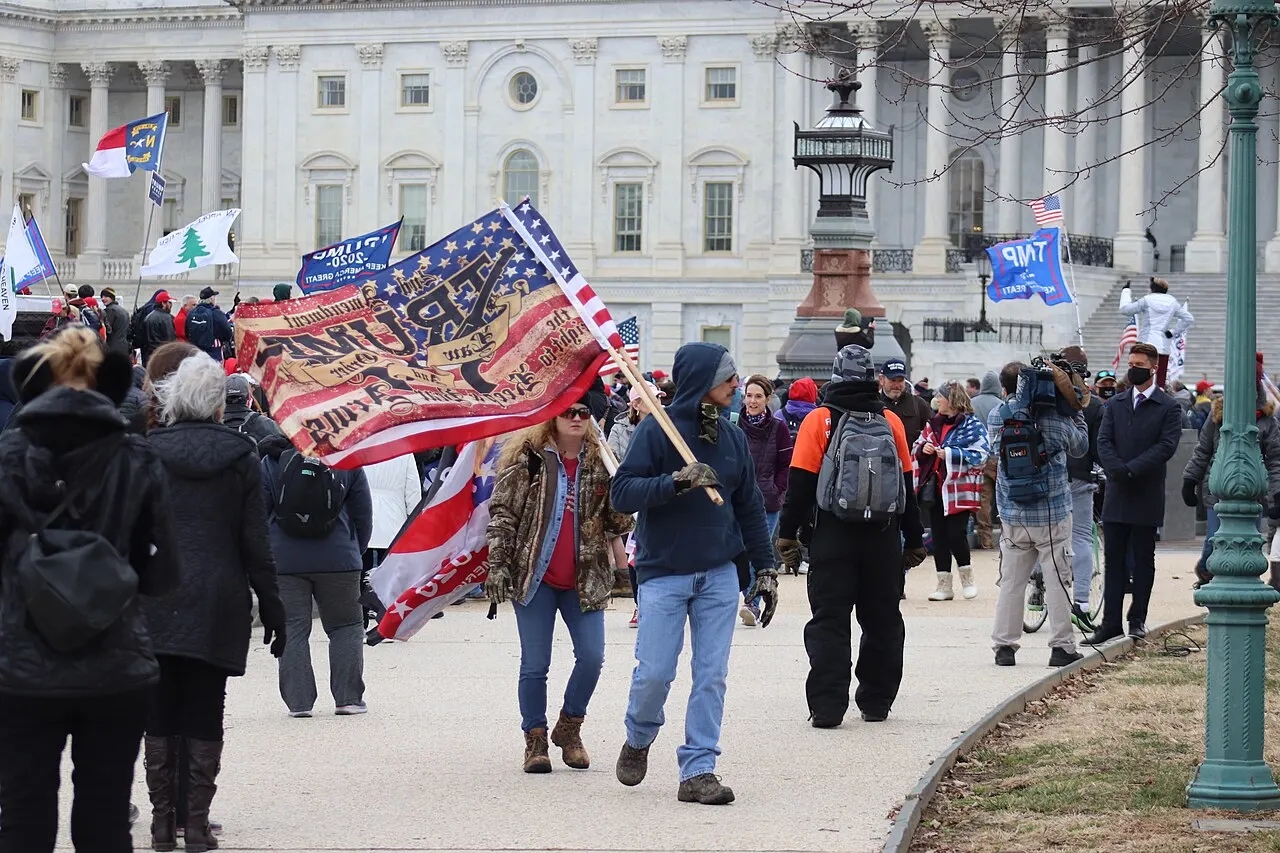
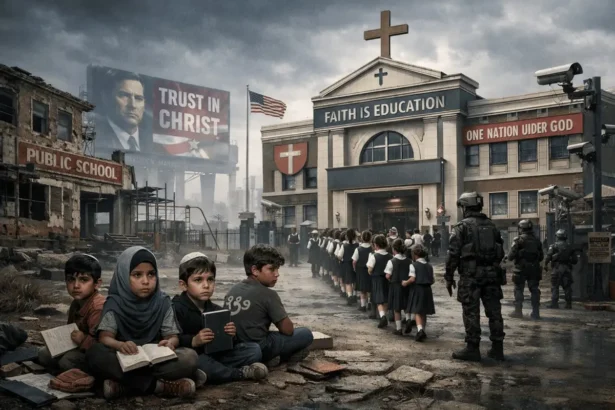
Research has shown these trends are deeply connected to the rise of Christian nationalism, which scholars describe as an ideology seeking to establish a theocratic vision of America rooted in white, patriarchal authority.
A PRRI/Brookings survey found that roughly one in ten Americans are adherents to Christian nationalism, with another 19 percent classified as sympathizers.
Among Christian nationalism adherents, 40 percent agreed that “true American patriots may have to resort to violence in order to save our country.”
Meanwhile, white nationalist ideas have found their way into actual policy frameworks.
Multiple civil rights organizations identified elements of Project 2025 — the Heritage Foundation’s sweeping policy blueprint — as containing white nationalist dog whistles and proposals that would dismantle civil rights protections, restrict immigration, eliminate DEI initiatives, and weaponize government agencies against marginalized communities.
Cult psychology expert and researcher, Dr. Steven Hassan helped countless people escape the brainwashing of cults and leave them.
He has helped several people get away from the Heritage Foundation, a Christian and White Nationalist Right-wing think tank.
Why This Matters
White nationalism is not just an ideology held by extremists in bunkers.
It’s a political force that has shaped American law, culture, and institutions since before the country’s founding.
Its modern iteration is more sophisticated, more media-savvy, and more politically connected than at any point in recent history.
The movement thrives on a manufactured sense of victimhood — the false narrative that white people are under siege from immigration, multiculturalism, and civil rights progress.
It exploits economic anxiety, cultural change, and fear of the unknown to recruit ordinary people into an ideology built on dehumanization and exclusion.
Confronting white nationalism requires more than condemning its most extreme manifestations.
It requires recognizing how its ideas have been laundered into mainstream political language, how its policy goals have been adopted by powerful institutions, and how its historical roots run deeper than most Americans are willing to acknowledge.
The first step is seeing it clearly — not as a relic of the past, but as a living, evolving threat to the democratic promise of equality that this country has never fully delivered, but that millions of Americans continue to fight for every single day.
Learn more about White Nationalism

Check out the companion explainer: