
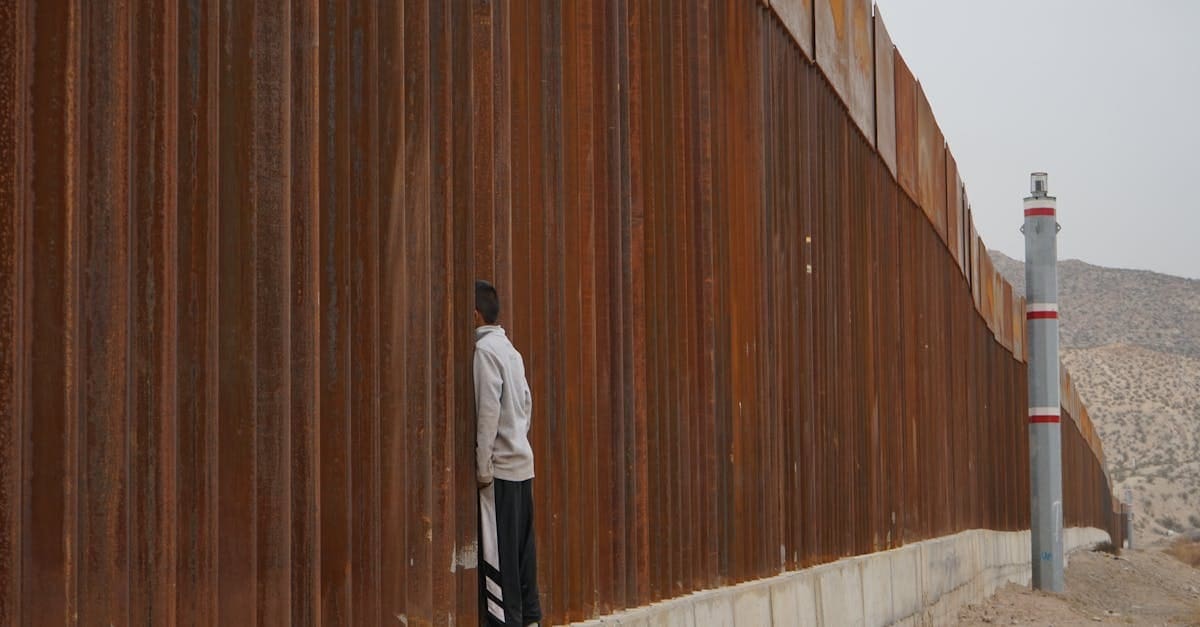


With the current ‘Fascist regime’ in power, it’s vital that anyone crossing the US border know their rights and how they can protect themselves from being thrown onto a plane headed for a gulag in another country.
Some Americans believe President Trump has the right to remove dangerous criminals who are here illegally without due process. Due process is a Constitutional right. At least 9 of the Venezuelans sent to the terrorist prison in El Salvador have been identified by friends and family members. They showed reporters proof that these men had not committed a crime and were not affiliated with the Tren De Aragua gang in any way.
One man appeared for his check-in (undocumented immigrants have to show up for check-ins as a requirement of their release as they await their asylum hearing date) and ICE agents arrested him.
It looks like agents gathered up all Venezuelan migrants in detention facilities who had tattoos and claimed they were members of Tren De Aragua. Each of the innocent men had tattoos, but they weren’t gang-related.
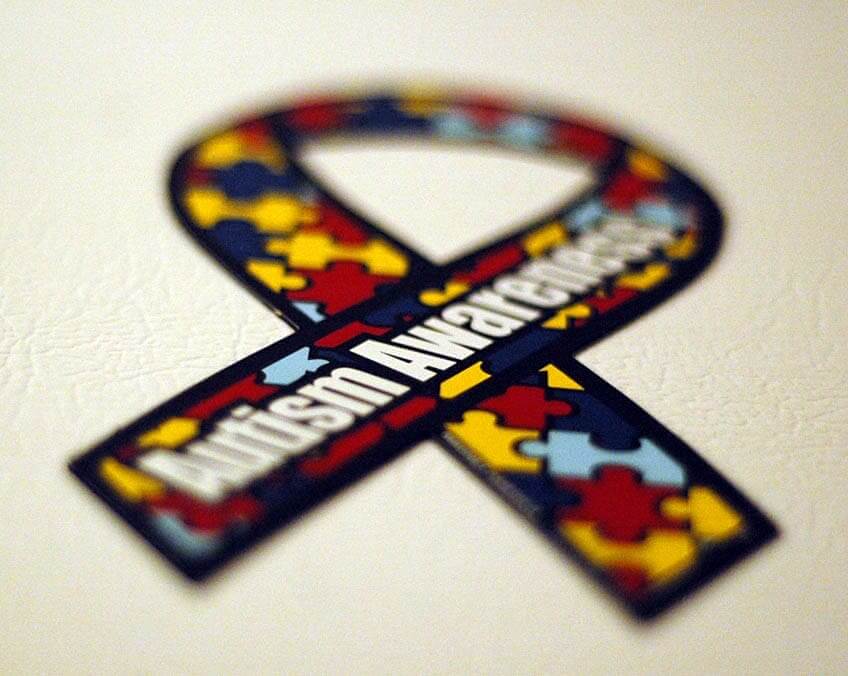
One young man taught swimming lessons for kids and cared for his Autistic brother. In fact, it was the Autism Awareness ribbon tattooed on his leg that ICE cited as proof that he was a gang member. Anyone can look at the multi-colored ribbon of puzzle pieces and recognize it as the symbol for Autism Awareness.
None of the 9 innocent men now being held at Cecot (the prison for terrorists and dangerous gang members in El Salvador) had ever committed a crime in the United States or in Venezuela.
There is a barber, a makeup artist, and a professional soccer player among the 9 (that we know of so far).
Several of them had applied for asylum ahead of time using the CBP One app created for legal immigration (President Trump shut it down, proving that he doesn’t want there to be a way for people to enter the country legally.
The Republicans don’t want legal immigration, they want NO one crossing the US border to campaign on).
These men, currently in El Salvador, can’t even be accused of crossing the US border illegally.
Yet they will now spend the rest of their lives locked in a cell with 79 other men for 23 hours a day, sleeping on hard metal—no mattress, blanket, or pillow.
They never should have been sent there in the first place. Had President Trump not illegally invoked the Alien Enemies Act to deport them without due process, these men could have proven they had nothing to do with Tren De Aragua and would still be living out the American dream with their families.
Free Speech Under Fire
If innocent men who legally crossed the US border being sent to a prison known for torture and other human rights abuses isn’t bad enough, now the Trump administration is arresting foreign college students for their beliefs.
Mahmoud Khalil spoke out and pushed for peace and prosperity for both Israel and Palestine. Now he’s in a detention center in Louisiana awaiting deportation to Syria. His American wife, 8 months pregnant, left behind.
Rumeysa Öztürk had co-authored an op-ed for the school newspaper over a year ago and was critical of the far-right government of Israel. She was abducted off the street in Boston by men wearing plain clothes and masks. She was taken to Louisiana (after a judge said they were not allowed to).
Momodou Taal took part in a protest for peace to end the slaughter of innocent people in Gaza—Arrested. These students are now being deported for their speech or their beliefs. According to the Supreme Court, they have the same right to free speech that American citizens do.
All of these attacks on people from other countries, along with Trump and Tom Homan’s mass deportation efforts make this piece from The Intercept so important. I’m glad I’m able to share it with anyone in need of this information. A PDF document listing the rights of immigrants in America can be viewed and downloaded on our Know Your Rights page.
The crackdown is already happening. First, Mahmoud Khalil was snatched from his home in New York. Then, immigrants in the U.S. were targeted for their political views, and foreigners reported being denied entry at the border after having their devices searched.
Even before Donald Trump was sworn in, border searches of electronics were steadily rising. With fears mounting about the Trump administration’s attack on dissent, citizens and noncitizens alike are wondering how to protect their privacy.
Experts say it is important to have a plan before you cross the border, to know the law, and to do what you can to minimize your digital footprint. The plans can vary widely based on a person’s immigration status and other factors.
Here are some tips on the law — and how to prevent the U.S. government from using your own data against you.
Know the Law
If you think you will simply be able to decline when a border agent asks you to hand over your phone or computer, think again.

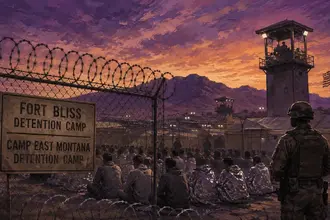
U.S. Customs and Border Protection claims broad authority to rifle through the electronic devices of traveling into and out of the country, regardless of their citizenship status. American citizens can decline to hand over their password or PIN code — but that could result in travel delays and in device confiscation, experts warn.
CBP claims to place some limits on its own searches of devices, and courts have issued conflicting rulings about the extent of the government’s authority to search electronic devices collected at the border.
One of CBP’s policies states that border agents are not supposed to search information that has only been stored remotely. As a practical matter, that often means that border agents put a phone into airplane mode before searching it.
Sophia Cope, an attorney with the Electronic Frontier Foundation, said it was useful to know CBP policies.
“We know federal officers often don’t follow the law and their own policy,” said Cope, whose organization has published its own guide for travelers. “If you know they’re supposed to put the phone in airplane mode, for example, you can ask them about that.”
Continue reading on The Intercept