
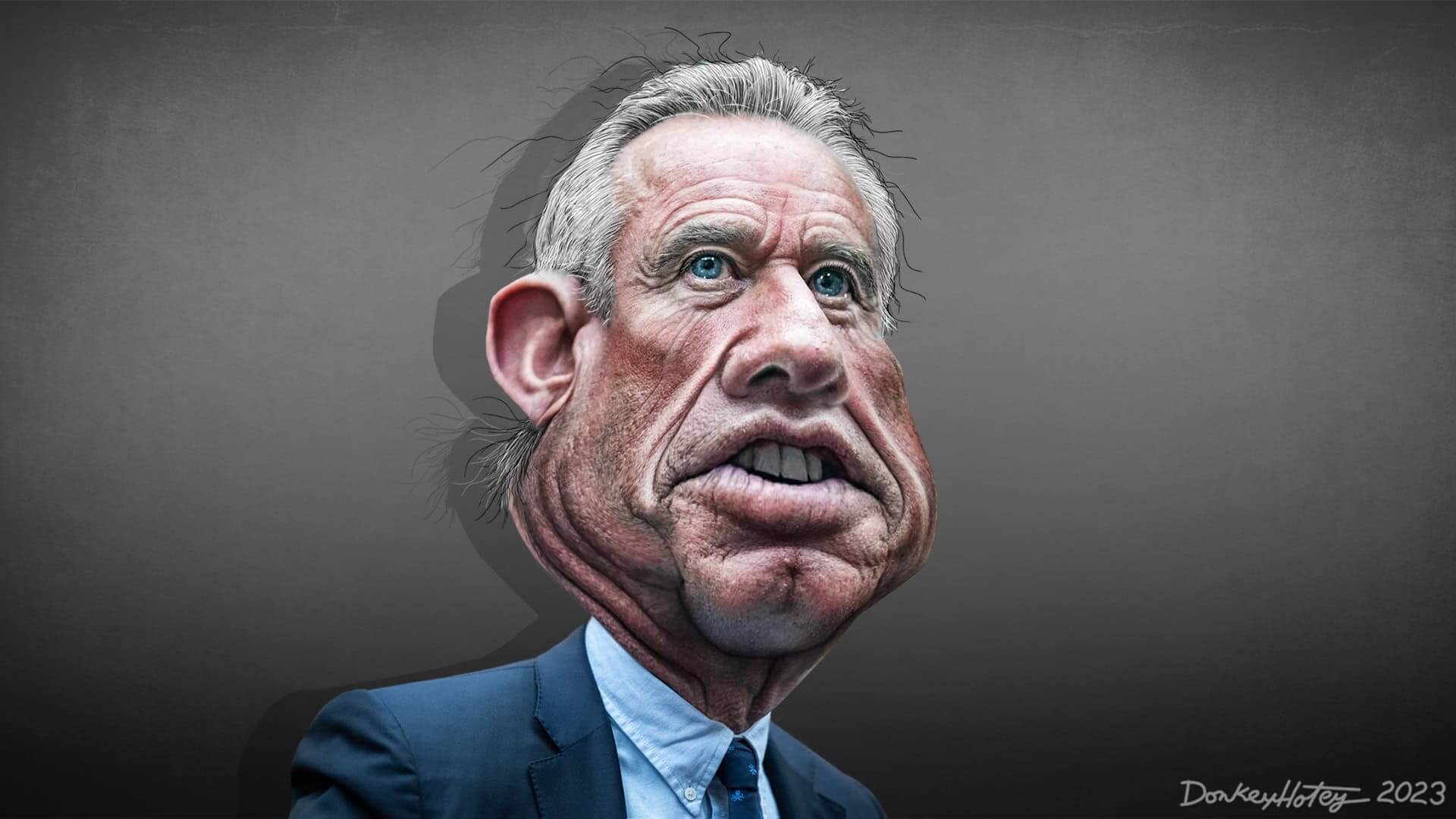

Health Secretary Robert F. Kennedy Jr. testifies before the House Ways and Means Committee Today for his first congressional appearance of the year — and walks straight into the kind of scrutiny he’s spent months trying to dodge.
Kennedy came prepared to talk about drug price negotiations, dietary guidelines, and his long-promised reorganization of the Department of Health and Human Services. Democrats came prepared to talk about dead children.
Measles, Messaging, and a Hot Tub With Kid Rock
The sharpest exchange of the day came from Rep. Linda Sánchez of California, who brought the hearing to a pointed standstill by asking Kennedy about the death of an unvaccinated child during last year’s measles outbreak in Texas. When she pressed him on whether the measles vaccine could have saved that child’s life, Kennedy conceded it was “possible — certainly.”
That answer landed in a room where the numbers tell their own story. The United States has already recorded more than 1,700 measles cases in 2026 — in just the first few months of the year.
In all of 2025, that total was roughly 2,287. At this pace, the country is on track to blow past last year’s count by summer. Ninety-two percent of this year’s patients are unvaccinated or have an unknown vaccine status. Nearly three-quarters are children and young adults under 19.
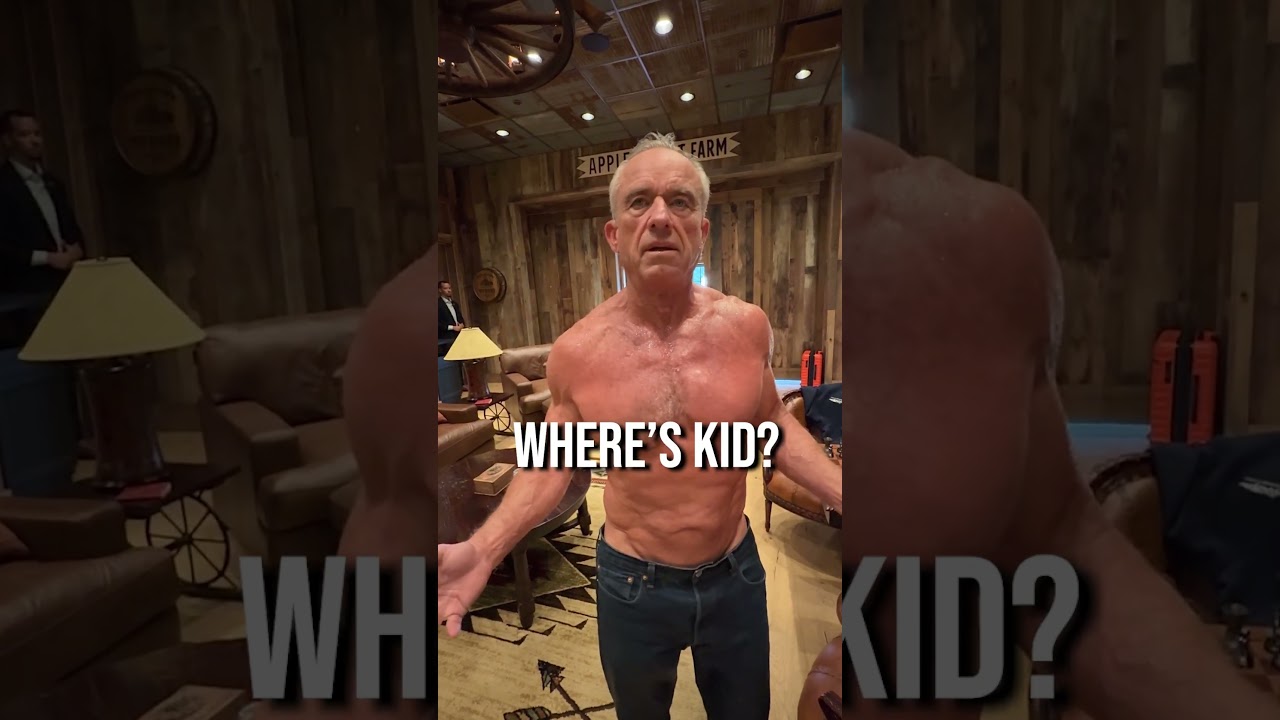
Sánchez then zeroed in on something that captured the absurdity of Kennedy’s priorities: While the CDC ended a public awareness campaign encouraging flu vaccination, HHS was apparently spending taxpayer money to produce a promotional video of Kennedy and Kid Rock working out shirtless in a hot tub and drinking milk.
Rep. Mike Thompson of California didn’t let up either, reminding Kennedy — and the committee — that children have died on his watch. Thompson recalled being a school-aged child when polio was still a real threat in America and drew a direct line between that era and what’s happening now under Kennedy’s leadership.
Kennedy’s response to the Democratic criticism? He accused Democrats of being the ones who gave the country the chronic disease epidemic. That line played well to the Republican side of the room. It did nothing for the families of children who’ve contracted a disease that was once effectively eliminated from the United States.
A $16 Billion Question
Beyond the vaccine fight, Kennedy also faced scrutiny over the Trump administration’s proposed budget for his department. The White House wants to slash HHS funding by nearly $16 billion — a 12.5% cut from the current fiscal year. That would bring the department’s discretionary budget down to roughly $111 billion.
The proposed cuts hit everywhere. The National Institutes of Health, the single largest public funder of biomedical research on the planet, would lose approximately $5 billion.
Three NIH institutes would be eliminated outright: the National Institute on Minority Health and Health Disparities, the Fogarty International Center, and the National Center for Complementary and Integrative Health.
Rep. Bradley Scott Schneider of Illinois flagged a Congressional Budget Office report concluding that cutting NIH funding at this scale would result in fewer drugs being developed — drugs that save lives. His message to Kennedy was direct: “You’re diminishing science.”
Meanwhile, Rep. Gwen Moore of Wisconsin pressed Kennedy on another glaring contradiction. The proposed budget includes significant cuts to WIC and SNAP — programs that help feed pregnant women, infants, and low-income families.
Moore asked how those cuts squared with Kennedy’s stated mission to reduce chronic disease in children. Kennedy’s answer? He said he wasn’t happy about the cuts. But they’re in his department’s budget proposal anyway.
The Republican Side Was Friendlier — Mostly
Republicans on the committee largely gave Kennedy a warm reception, praising his work on food dyes and nutrition education. Rep. Aaron Bean of Florida called Kennedy’s efforts to push companies toward healthier ingredients a positive step.
But even from the GOP side, there was a crack. Rep. Blake Moore of Utah — who shared that his own son is on the autism spectrum — offered rare criticism of Kennedy’s handling of autism. Kennedy and President Trump have blamed Tylenol use during pregnancy for autism, a claim that researchers have roundly rejected.
Moore said he was “underwhelmed” by the administration’s efforts and added that his wife was momentarily hurt by the implication that she could have been responsible for their child’s condition.
The AHA That Still Doesn’t Exist
Kennedy has been talking about creating the Administration for a Healthy America, or AHA, since he took office. The idea is to consolidate and reorganize HHS agencies into a streamlined structure.
Last year, HHS went through chaotic layoffs that gutted staff and departments across the CDC, FDA, and NIH. But AHA itself never materialized — Congress declined to fund it in last fall’s spending bill.
The latest Trump budget proposal once again calls for establishing AHA. Whether Congress will actually go along this time remains an open question — especially given the hearing’s reminder that Kennedy’s tenure has been defined less by reorganization and more by the erosion of public health infrastructure at a moment when the country needs it most.
What’s Really at Stake
Here’s what this hearing made clear: the nation’s top health official spent his morning deflecting questions about preventable childhood deaths, defending a budget that would gut medical research, and explaining away a promotional video with Kid Rock — all while measles spreads across 33 states and counting.
The courts have already blocked Kennedy’s attempts to overhaul the childhood vaccine schedule. But the damage to public confidence in vaccination, the hollowing out of federal health agencies, and the proposed cuts to programs that feed vulnerable children — those don’t require a court order to cause harm. They’re already happening.