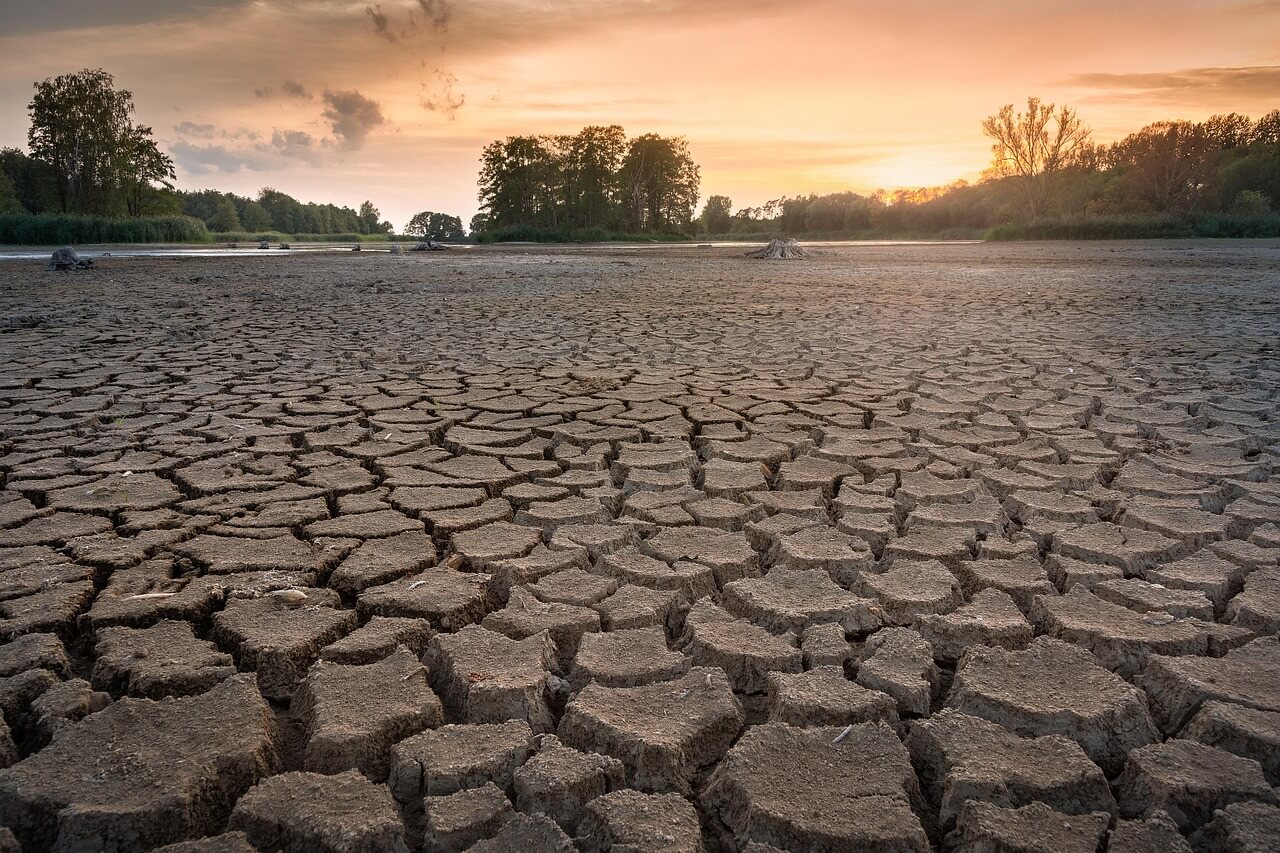

The mountains that keep 40 million Americans alive with drinking water are almost empty of snow. And the people in charge of protecting the country from exactly this kind of disaster are busy dismantling every climate rule they can get their hands on.
The Numbers Are Brutal
Right now, across the American West, the snowpack that feeds rivers, fills reservoirs, and keeps farms alive is at historic lows. We’re not talking a bad year. We’re talking the worst on record.
As of late March, Colorado’s mountain snowpack sat at just 33% of its historical average — the lowest in more than 40 years, and possibly ever. The Upper Colorado River Basin, which supplies water to tens of millions of people across seven states, has collapsed to the 0th percentile.
That’s not the bottom ten percent. Not the bottom five. The absolute floor of recorded history, with less than ten days until the typical peak.
In Utah, snowpack peaked three weeks early at roughly half of normal, and 98% of the state is now in drought. Wyoming isn’t any better. Denver Water declared a Stage 1 drought and imposed mandatory water restrictions for the first time since 2013, telling 1.5 million customers to cut water use by 20%. Outdoor watering is limited to two days a week through October.
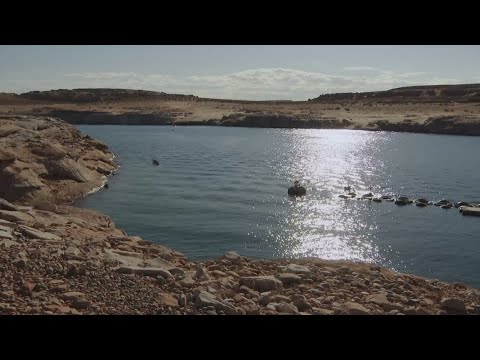
And it isn’t just a snow problem. The Bureau of Reclamation’s most probable forecast shows Lake Powell — the reservoir that feeds the Glen Canyon Dam — hitting minimum power pool elevation by December.
If the water drops below that line, the dam stops generating hydroelectric power for millions of customers across seven states. Lake Mead, the largest reservoir in the country, is projected to fall to its lowest level since the dam was built.
How Did We Get Here?
The West got hit with a triple whammy this winter. December was record-warm nearly everywhere, and what precipitation fell came down as rain instead of snow. January was drier than normal. February brought closer-to-average precipitation, but temperatures were so warm that it mostly fell as rain again.
Out of roughly 70 river basins across the West, only five are at or above normal snowpack. More than half are below 50%. Eleven basins have less than 25% of their typical snow water equivalent.
This matters because snowpack is the West’s natural reservoir. It builds up through winter, then melts slowly through spring and summer, feeding rivers and aquifers during the hottest, driest months when people need water most.
When precipitation falls as rain instead of snow, it runs off immediately — it doesn’t sit in the mountains waiting to be useful in July.
Colorado’s state climatologist put it plainly: the record-breaking March heat has been unlike anything previously observed, and the chances of getting back to average have disappeared. If April doesn’t reverse course, Colorado water may be entering uncharted territory.
The Fallout is Already Starting
Water restrictions are spreading across Colorado, Utah, and Wyoming. The U.S. Drought Monitor classifies large portions of all three states under severe, extreme, or exceptional drought.
Farmers face a particularly grim outlook. In the Yakima Basin of Washington state, holders of certain water rights will receive only 44% of their full allocation.
Agricultural communities across the Front Range and Western Slope of Colorado are bracing for a critically dry irrigation season. Downstream, the Colorado River — which supplies water to Arizona, California, Nevada, and parts of Mexico — is looking at inflows potentially as low as 27% of normal for the April-through-July runoff season.

Then there’s wildfire. The lack of snowpack means drier soils, drier vegetation, and an earlier, longer fire season. The National Interagency Fire Center projects above-average fire risk across the Four Corners region by June.
Meanwhile, in Washington
While the West dries out, the Trump administration has been systematically dismantling every federal tool designed to address the climate crisis driving these disasters.
In February, the EPA formally repealed the endangerment finding — the 2009 scientific determination that greenhouse gases threaten public health. That finding was the legal foundation for regulating emissions from cars, power plants, and oil and gas operations. EPA Administrator Lee Zeldin called the repeal “the largest deregulatory action in American history.”
Climate scientists called it something else: the single biggest attack on federal authority to tackle the climate crisis.
The administration has also delayed methane pollution rules, proposed scrapping mandatory greenhouse gas emissions reporting for industry, loosened air pollution standards for power plants, and rolled back renewable energy tax credits. The Department of Energy even added “climate change” to its list of banned words.
All of this is happening as Colorado warms by 3°F since the 1890s, as nine of the state’s eleven warmest years on record have occurred since 2012, and as climate scientists warn that what we’re seeing in 2026 may be a preview of the permanent future.
This Is a Climate Story
Let’s be direct about what’s happening here. The West’s water crisis is not random bad luck. Record-warm winters that turn snow into rain are exactly what climate models have been predicting for decades.
The pattern of warming temperatures, shrinking snowpack, earlier melt seasons, and declining reservoir levels is precisely what happens when you pump greenhouse gases into the atmosphere and then refuse to do anything about it.
The people most affected won’t be the ones making these policy decisions. They’ll be the farmers watching their water allocations get slashed. The families in Phoenix and Denver and Salt Lake City paying more for water. The communities in fire zones watching the season arrive earlier and burn longer every year. The workers whose livelihoods depend on ski seasons that keep getting shorter and rivers that keep running lower.
The snow that was supposed to keep 40 million people alive through the summer never came. And the administration’s response is to make it illegal for the government to even acknowledge why.