


Hundreds of Palestinian doctors have disappeared into Israeli prisons.
This tracks with everything we’ve heard from Palestinians reporting from Gaza and Gazan children who've watched their own parents be hauled off by IDF soldiers.
There have been U.N. reports that IDF soldiers are sexually assaulting female prisoners and locking them in cages. There have also been reports of bodies discovered in mass graves in Gaza — some of them were zip-tied, some showed signs of torture, some showed signs that they were still alive at the time that they were buried.
This is why people in the media and on the right who complain about Israel releasing so many Palestinian “prisoners” gets under my skin. Most of the people they've imprisoned did nothing wrong, never got a trial, and are only there for the crime of being born Palestinian. It's disgusting.
Bombing and destroying their hospitals wasn't enough? I guess Israel heard about doctors performing c-sections without anesthesia, amputating the limbs of children without anesthesia or pain relief, and that was just too much. Palestinians were getting medical treatment even though their hospitals had been destroyed and Israel can't have that.

I apologize. I hadn't planned to go off on a tangent about this. It just happens sometimes, as you already know if you've been reading my posts.
This story does not surprise me at all. Please read the full article on The Intercept to thank them for the hard work they do by putting out stories like this one. Thank you.
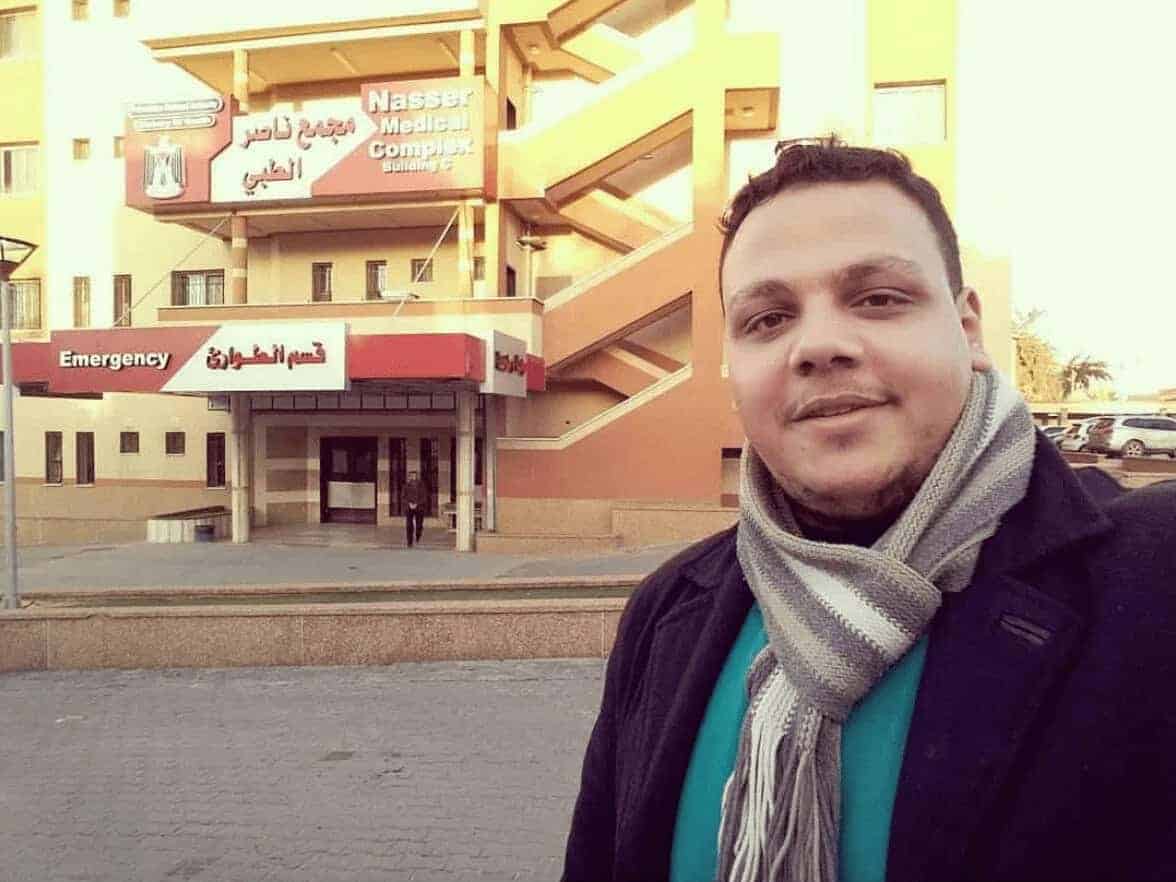
It’s been two months since Osaid Alser has heard from his cousin, Khaled Al Serr, a surgeon at Nasser Hospital in the southern Gaza Strip city of Khan Younis.
Before late March, they had been in regular contact — or as regular as the shredded communication infrastructure would allow. Al Serr had created a telemedicine WhatsApp group where he and Osaid, a surgical resident in the U.S., recruited doctors from stateside, the U.K., and Europe to give advice to their overstretched colleagues in Gaza.
“He reported on a gunshot injury in a 70-year old,” Osaid said, of Al Serr. “It was in her head. And really, there were no neurosurgeons at that time.”
“He was sharing those cases, and he was asking for help,” Osaid went on. “It was like, ‘Is there any neurosurgeon that can help me? How can I fix this?’”
Al Serr was a natural vessel for the collective medical knowledge of the group chat. “He always wanted to help out, always liked to use his hands, to kind of fix a problem and have an immediate impact,” according to Osaid.