

The following is only a very brief history of wars the United States has engaged in in the Middle East.
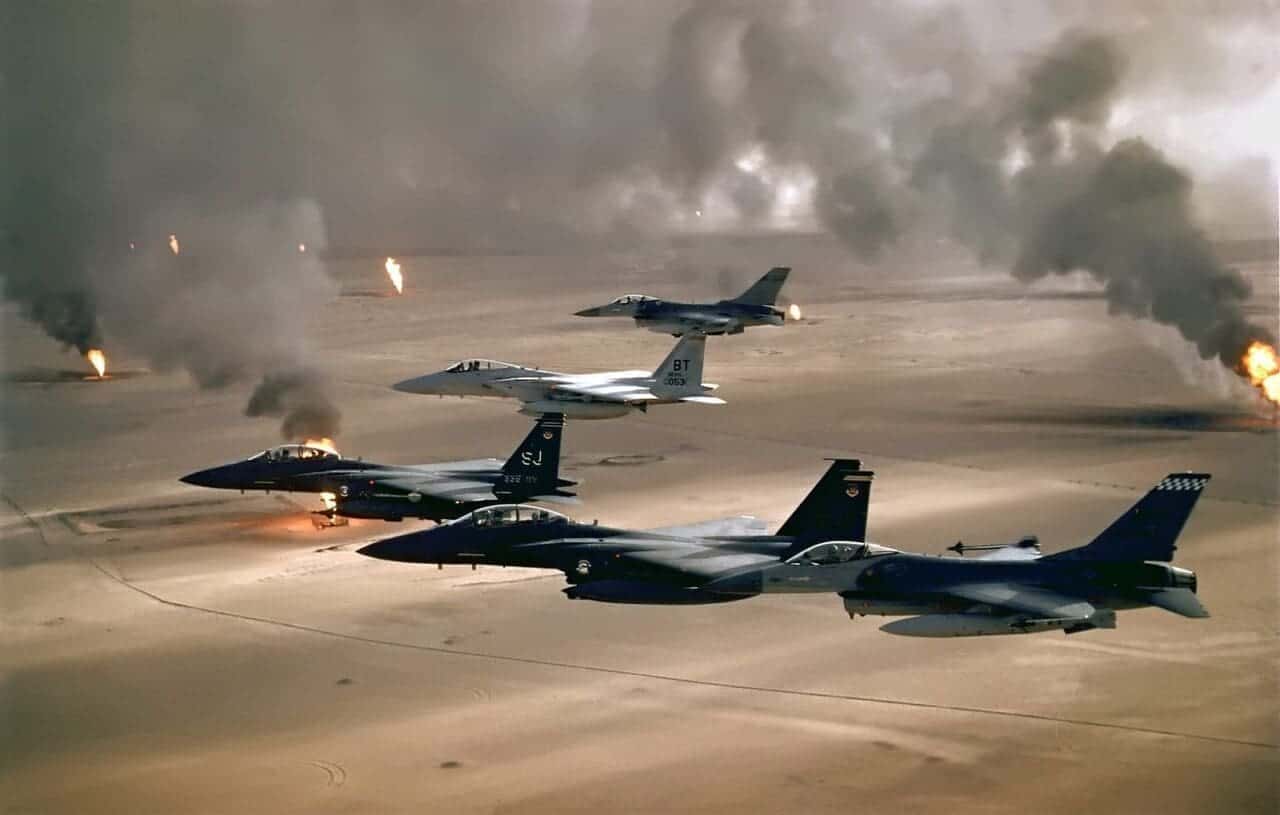
The Middle East has been a region of geopolitical significance for decades, with the United States playing a prominent role in various conflicts. The involvement of the U.S. in Middle Eastern wars is complex, often driven by political, economic, or strategic interests.
Persian Gulf War (1990-1991)
The Persian Gulf War, also known as Operation Desert Storm, marked the first major U.S. military intervention in the Middle East. Triggered by Iraq's invasion of Kuwait in 1990, the U.S.-led coalition, including forces from 34 nations, aimed to liberate Kuwait from Iraqi occupation. The swift and successful military campaign left lingering geopolitical challenges in the region.
Iraq War (2003-2011)
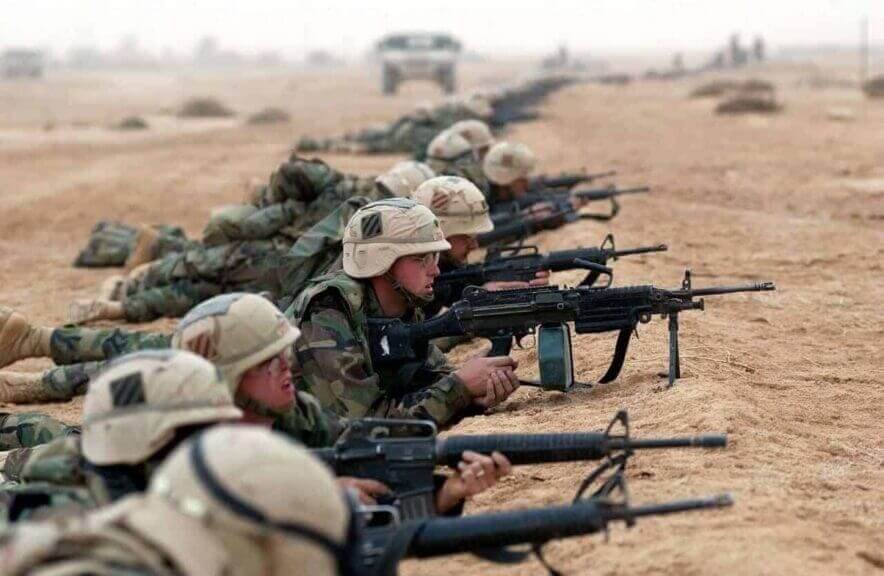
The Iraq War, launched in 2003, was a controversial conflict driven by the false belief that Iraq possessed weapons of mass destruction (WMDs). The U.S.-led coalition quickly toppled Saddam Hussein's regime, but the subsequent years saw a protracted insurgency and sectarian violence. The absence of WMDs and the prolonged instability raised questions about the justification for the war and its long-term consequences.
War in Afghanistan (2001-2021)
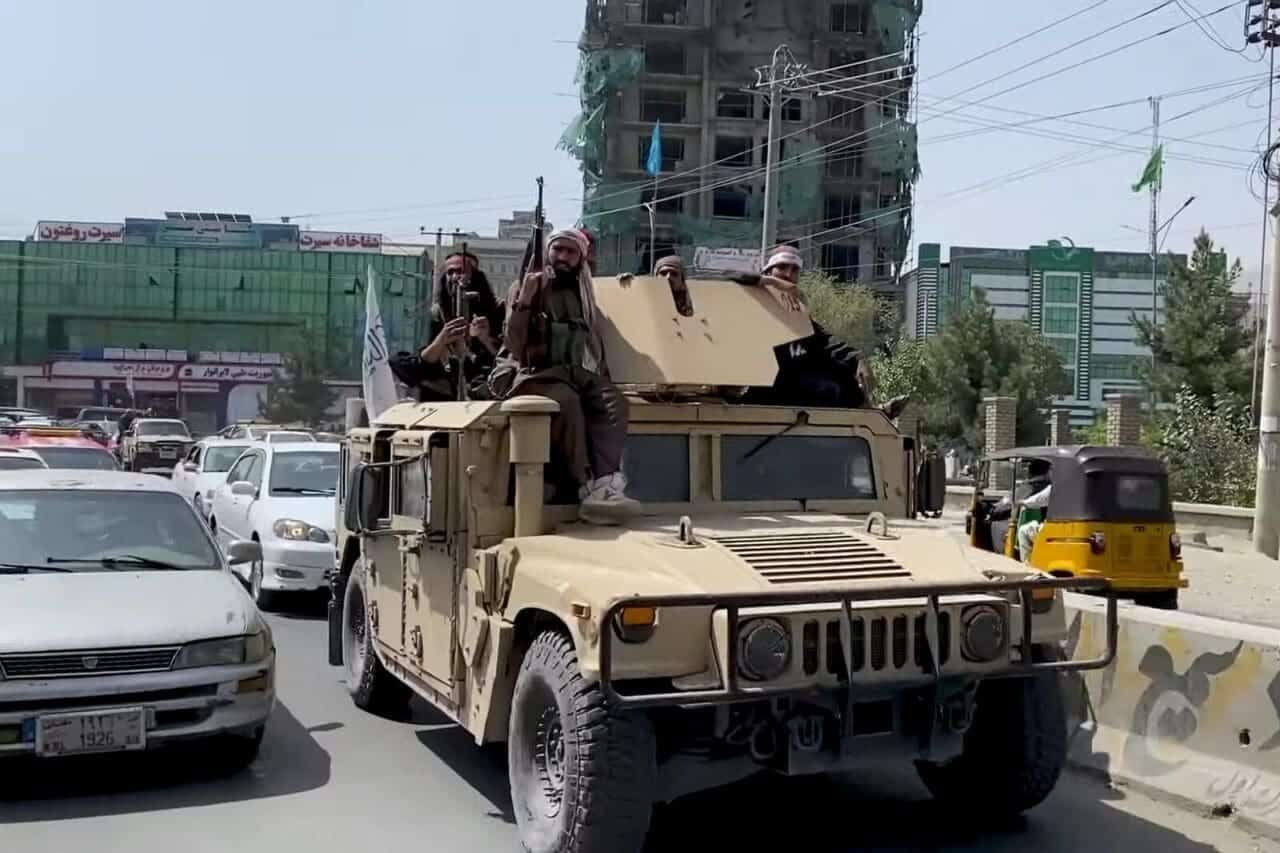
Following the 9/11 terrorist attacks, the United States, along with NATO allies, initiated the war in Afghanistan to dismantle the Taliban regime and eliminate al-Qaeda. While the initial military operations were successful, the conflict evolved into a protracted engagement with challenges of insurgency, nation-building, and complex regional dynamics. The U.S. officially ended its combat mission in Afghanistan in 2021.
Syrian Civil War (2011-present)

The Syrian Civil War, which erupted in 2011, drew the U.S. into the complex web of regional conflicts. While the U.S. initially supported rebel groups seeking to overthrow the Assad regime, the rise of extremist factions and the evolving geopolitical landscape prompted a recalibration of U.S. involvement. The focus shifted to combating ISIS, with U.S. forces providing support to local partners.
U.S. involvement in Middle Eastern wars has been marked by a mix of successes, challenges, and evolving priorities.
The complex nature of regional conflicts, geopolitical considerations, and the quest for stability have shaped America's engagement in the Middle East.
As the region continues to deal with political and security challenges, basic knowledge of the historical context of U.S. involvement is necessary to comprehend the dynamics that shape the Middle East today.