
This article was first published in March of 2025. However, the story it tells is too important to keep hidden in the RH archives. We’re republishing it now, hoping it reaches even more Americans in 2026 and jolts them into reality the same way it did for us—through the story of Radio Free Kansas.
We’ve been paying attention to the sequence of events that led us to our “sleepwalk into fascism.” Yet we haven't felt the urgency we should because the media normalized the Trump administration. It tricked us into believing that we still had time.
This story made us realize we don’t.
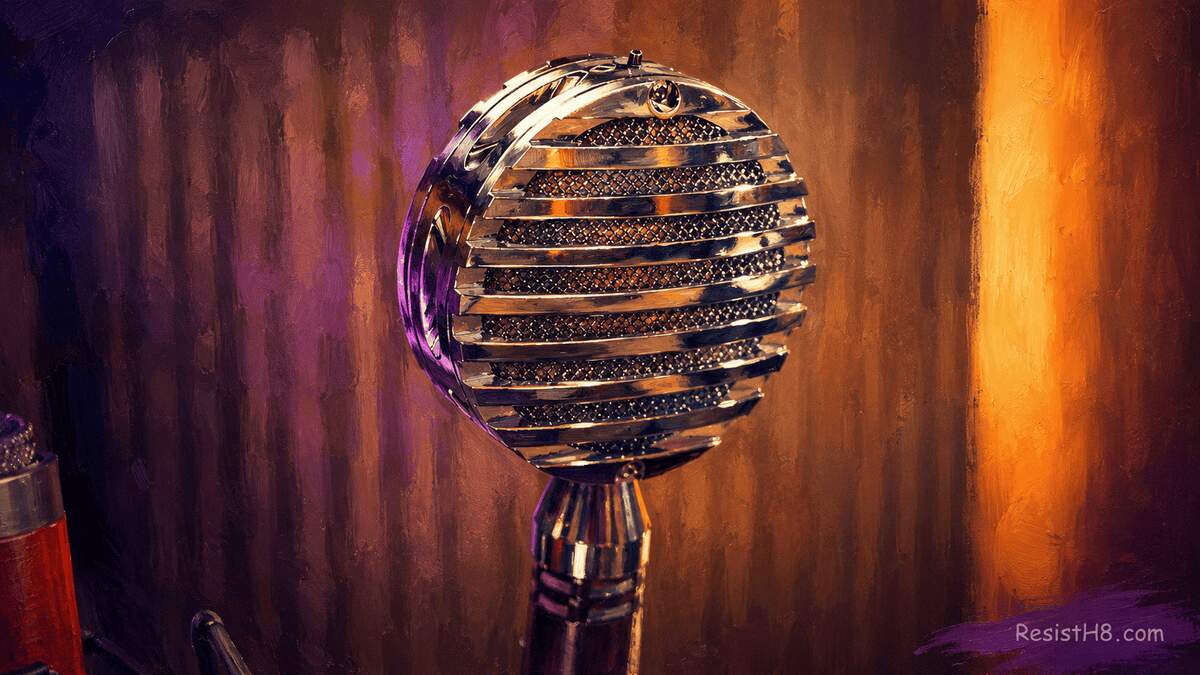
As dark as this may be, it’s a wake-up call to snap us out of “fascism acceptance.” Trump has lulled us into complacency in a reality we wouldn’t have accepted just a few months ago—yet here we are. All of us may soon find ourselves sitting near an old, static-filled radio listening for the latest news from a nomadic radio station called Radio Free Kansas.
The following is a story by Max McCoy.
Radio Free Kansas
This is Kansas.
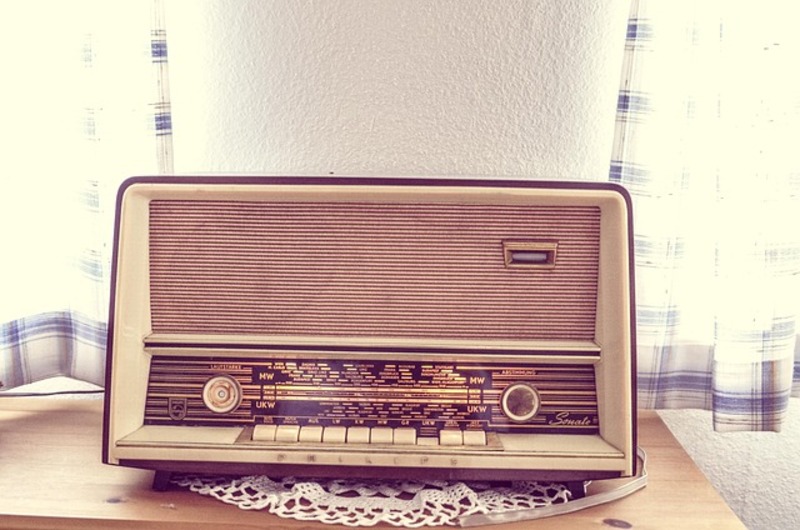
Imagine. It’s late at night and you’re fiddling with the tuning dial of an old shortwave radio that’s been in your garage since your eccentric old uncle died and left you a pile of his favorite stuff.
You haven’t given much thought to any of it for years, but then one of your neighbors disappeared last month, hustled away by masked individuals with badges and thrown into an unmarked black SUV.
Today is the sixty-ninth day of…
The signal begins to fade, then is lost in the static. Bathed in the glow of the tuning dial, you lean close and turn the knob ever so slightly until the voice of the announcer returns. She speaks well, confident and knowing, and you can almost see her expression as she continues.
We’re broadcasting tonight from — well, we can’t say exactly where, but we can tell you we were in Council Grove last night and Garden City the night before that.
It’s a bright night in April under a full moon, but you take comfort in the dark of the garage, which smells of grease and ozone from the big transformer in the back of the old radio receiver.
It took you a week to figure out how to hang the wire antenna beneath your eaves so you could pick up a broadcast and another night or two to learn how to tune a signal. It all was so strangely analog, but luckily your uncle left you some books about how to do it.
We don’t know where we’ll be tomorrow.
The rumor on the block was that your neighbor was a terrorist, but you hadn’t seen anything to support that. Sure, she had some outspoken opinions about American foreign policy in the Middle East, but she also had had a good job and a family here.
You worried about her kids. When you called the regional ICE detention center, run by a private prison, you were told coldly the detainee was no longer in U.S. custody. You asked if that meant she was no longer in the country. There was a pause, and then the voice on the other end of the line asked for your name.
We are here to tell you the news. The news may be good or bad, but we will always tell you the truth. Topping the news is that several hundred American deportees remain in foreign jails, expelled from this country and charged with no crime other than dissent. At least 40 of those individuals are Kansans.
A prayer vigil was held at the Capitol Building rotunda in Topeka for the release of the unnamed deportees, but the interfaith gathering was disrupted by authorities citing new policies that make such protests illegal.
You’ve never paid much attention to the regular news, preferring to get your information from podcasts that make you laugh. Newspapers are dead, magazines seem as old-fashioned as Christmas catalogs, and you haven’t read a book since you were forced to in high school. Television?
Who watches fake news when there’s social media. Things that others say they care about — equality, progress, democracy — are just words. You didn’t vote in the presidential election last year because you couldn’t relate to either of the major party candidates. One was a clownish old man and the other was like that teacher in government class during senior year who made you feel guilty because you didn’t know the Bill of Rights.
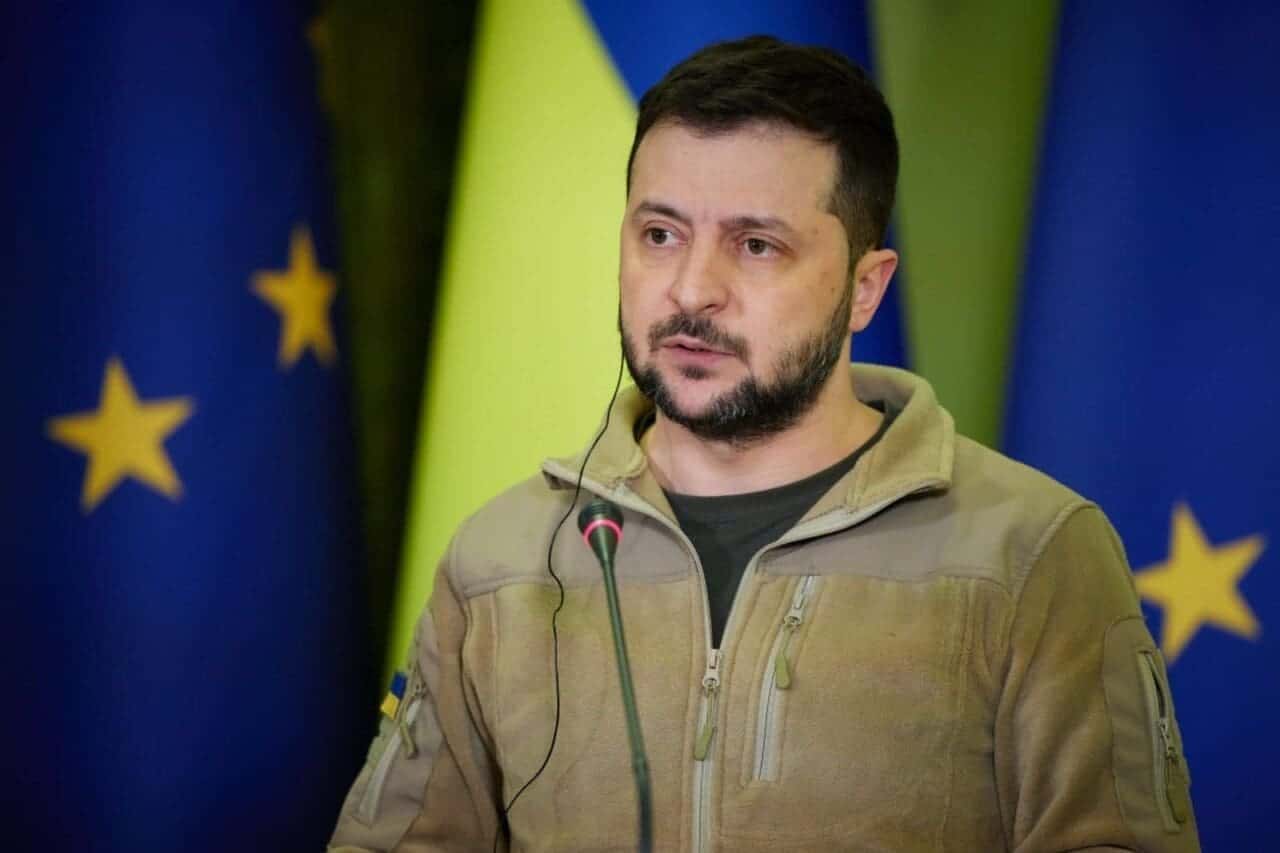
In world news, NATO alliance helicopters are attempting to airlift the last resistance fighters from Kiev as the fall of the Ukrainian capital to advancing Russian forces appears imminent. A war predicted to last three days when it began in 2022 has lasted more than three years.
The turning point was when the United States suspended military assistance in March 2025, the U.S. later withdrew from NATO, and Russia broke the resolve of Ukrainian and European defenders by threatening the use of tactical nuclear weapons. There is no word on the fate of the Ukrainian president, who vowed never to abandon the capital.
Lately you’ve discovered that it’s more difficult to find on your devices information you used to take for granted: how to file your taxes, how fast the measles outbreak is moving in southwestern Kansas, what the local weather’s going to be for the rest of the week.
You’ve also become irritated by the ads showing up on your social media feeds, from the “one weird trick” to getting rich in crypto to the constant appeals for seven “supernatural blessings” for just $1,000.
Now to finances. The global tariff war continues, with Americans paying substantially higher prices for consumer goods ranging from Scotch whisky to imported cars and automobile parts. The average price of a new car is now $49,000, which for a typical family means a monthly payment of up to $1,000, not counting the cost of gas, taxes or insurance.
Worried about your neighbor, you went to your local newspaper office, believing the reporters there might be able to help, but discovered the door to the building was locked and a sign said it had ceased publication.
You sort of remember that a local police department had raided a newspaper office somewhere in Kansas not so long ago, but you can’t recall the details. Your parents had always subscribed to the town paper, but it had never occurred to you because news was something you could get on the internet for free.
Where to go now? The nearest television station, the one that had not yet had its operating license revoked, was in Topeka. There used to be a local radio station here, but it went off the air years ago, after refusing to be bought up by a chain.
The NPR station broadcasting from the local university was taken off the air a few weeks ago because some lawmakers called it “un-American,” followed by the closing of most of the campus when the school lost its federal grants for promoting diversity and improper ideology.
Closer to home, Canadian armed forces conducted war games along the 49th Parallel, meant as a show of strength against continued threats from the American president to annex our northern neighbor as the 51st state.
While long considered an absurd idea, the threats were taken seriously after American troops last week seized Greenland, declared it a U.S. territory, and gave its 57,000 citizens just five days to renounce their Danish citizenship or face deportation. The Folketing, the Danish parliament, has appealed for defense under Article 5 of the NATO treaty.
Wary of going to the police or other authorities for help, you went to the public library and were directed to an old-fashioned bulletin board where names, photos, and details of the missing were thumbtacked. There were a dozen from your town alone, fathers and mothers and students.
Your neighbor wasn’t among them, so you took an index card from a nearby stack and wrote her name and description and added it to the others. You wished you had a photo, but you didn’t.
Perhaps somebody else, her family or one of her friends, would add it. On your way out of the building, a librarian wearing a rainbow button on their sweater vest stopped and asked if you had a library card.
“Here,” they had said, and pressed a slip of paper into your hand. “Take it with you.”
But it wasn’t an application for a library card. It was a handwritten note:
“Radio Free Kansas, 10 p.m. nightly, 4960 MHz AM.”
Let us now recall the words of Franklin Delanor Roosevelt, who, in September 1939, told the American people this: “For four long years a succession of actual wars and constant crises have shaken the entire world and have threatened in each case to bring on the gigantic conflict which is today unhappily a fact. … You are, I believe, the best informed and most enlightened people in all the world at this moment. … At the same time, as I told my press conference today, it is of the highest importance that the press and the radio use the utmost caution to discriminate between actual verified fact on the one hand, and mere rumor on the other.”
You stare at the glowing dial of the shortwave receiver as if it were the secret to decoding a mystery. What historical event happened in September 1939? You had this in history class. What was the significance of the date? Ah, Germany invades Poland. It marks the start of World War II in Europe.
Now, for our final segment, we rebroadcast something from Voice of America, disbanded in March 2025. The new chief responsible for VOA and Radio Free Europe and other broadcast initiatives had accused the agency of harboring spies and terrorist sympathizers, of widespread corruption, and of spending hundreds of millions on fake news.
But the real issue with VOA is that it brought the world the truth, good or bad. This segment is about the monarch butterfly migration in Kansas, a journey that takes the colorful migrants from Mexico to Canada. It is from the VOA Learning English Broadcast of three years ago:
“The migrating monarch butterfly is considered an endangered species. Scientists say the dropping numbers of monarchs are due to climate change, loss of habitat and the use of pesticides — chemicals that kill insects — and herbicides — chemicals that kill plants. But there are things that people living in the United States can do to help the beloved black-and-orange insects.”
You think about all the butterflies that fluttered through your back yard this time of year when you were a kid. You think of all of them you caught in a net, all the ones you accidentally crushed, the ones you put in a mason jar and then forgot about. You get tearful, wishing you had urged your parents to plant milkweed.
We hope to see you here again tomorrow night. Stay safe. Ad astra! This is Radio Free Kansas signing off.
A few tinny bars of “Home on the Range” follow.
Then silence.
This op-ed was originally published on Kansas Reflector and republisheded here under a Creative Commons license.