

The struggle for democracy has never been more important than in today’s politics, where oligarchical influences appear to be overpowering the voices of the working class. Grassroots movements have emerged as forces dedicated to reclaiming political power for everyday people.
We’re going to examine grassroots activism by exploring significant movements, the actions taken by activists, their successes, challenges, and how individuals can contribute to promoting democracy in their own communities.
Understanding the Current Political Climate
The modern political environment is full of challenges that threaten the very foundation of our democratic ideals. Wealth and power are becoming more concentrated in the hands of a few, leading to a growing disconnect between political leaders and their constituents.
This creates disillusionment among citizens who feel that their voices are not heard and that their votes have little impact on the policies that govern their lives.
The 2024 election made this evident with Democratic voters choosing to stay home. Kamala Harris received 6,285,500 fewer popular votes than Biden won in 2020.
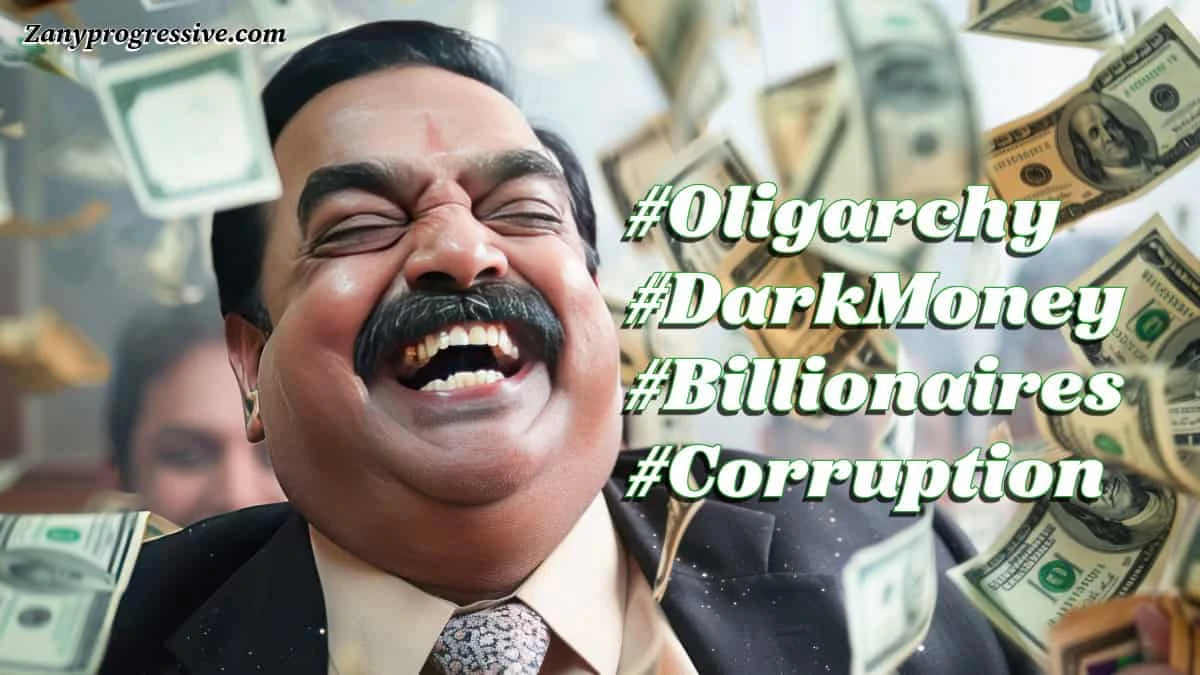
The influence of money in politics has created a system where corporate interests overshadow the needs of the public. This has led to widespread calls for reform, emphasizing the need for grassroots movements that prioritize the collective voices of the population over corporations and the interests of the elite.
Why Grassroots Movements Matter
Grassroots movements serve as the backbone of democratic engagement, enabling ordinary citizens to mobilize and effect change at local, national, and even global levels.
These movements emphasize the importance of community involvement, highlighting that every individual has the power to influence politics.
They also promote a sense of solidarity among people who share common goals, creating networks of support that can amplify their message.
Grassroots activism also raises awareness about critical issues, from environmental sustainability to social justice, encouraging individuals to take action and hold their leaders accountable.
As these movements grow, they challenge entrenched power structures and provide a platform for marginalized voices that are often overlooked in traditional political discourse.
Key Grassroots Movements Fighting for Democracy
1. The Anti-Corruption Movement
One of the most significant grassroots movements in recent years is the anti-corruption movement, which seeks to address the intersection of money and politics. This movement has gained traction across multiple countries, advocating for transparency in campaign financing and lobbying practices.
Activists have organized rallies, lobbied for legislative reforms, and utilized social media to spread awareness about the detrimental effects of corruption on democracy.
If you are interested in joining the fight to get money out of politics, you can learn more here.
The surprising aspect of this particular movement is that it’s bipartisan. People on the left and on the right are against corruption, with people on the right becoming increasingly outspoken in their dislike of the corruption in politics.

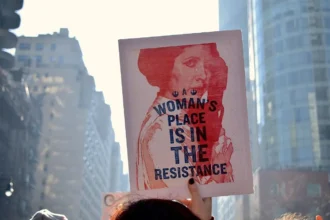

It seems impossible that a group supporting the billionaires Donald Trump and Elon Musk could have an issue with corruption. Not all of Donald Trump’s supporters feel this way, in fact, it’s a new movement within MAGA that some refer to as the “populist right.”

WOLF-PAC is an American nonpartisan political action committee formed in 2011 with the goal of adding an “amendment to the United States Constitution to ensure balance, integrity, and transparency to our national system of campaign finance.” They unite people across the U.S. to lobby members of Congress to support an amendment to the Constitution that ends the Citizens United decision that brought money into politics.
Notable organizations, such as Common Cause and MoveOn, have also played pivotal roles in the anti-corruption movement, galvanizing voters to demand electoral reforms and fight against political corruption.
The efforts of these grassroots movements have led to public discussions about campaign finance reform, highlighting the need for policies that encourage fair representation and accountability.
2. Climate Justice Movement
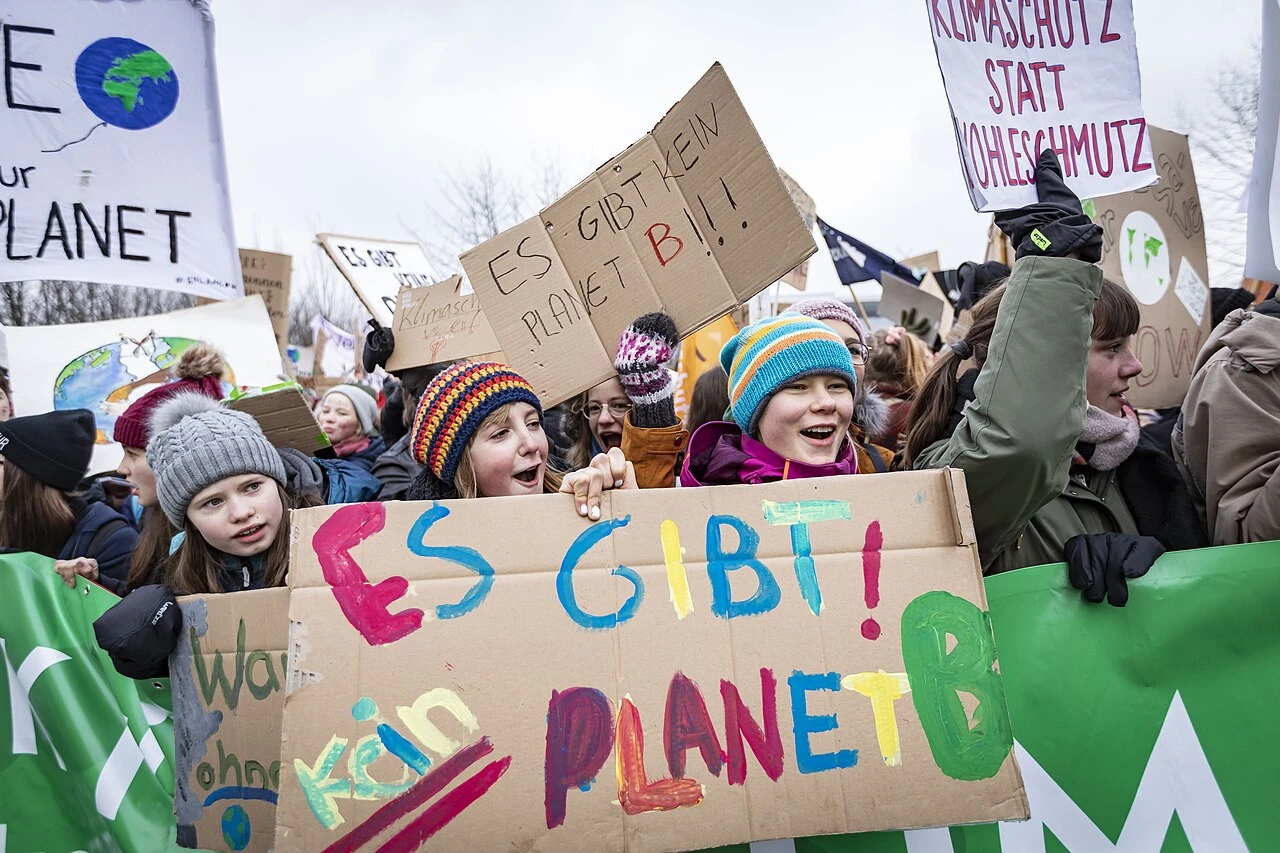
The climate justice movement intertwines environmental activism with social justice, emphasizing that climate change disproportionately affects marginalized communities.
Activists argue that a sustainable future can only be achieved through equitable solutions that address economic and social disparities.
This movement has mobilized millions across the globe, inspiring youth-led initiatives like Fridays for Future.
Organizations such as 350.org and the Sunrise Movement focus on advocating for policy changes that promote renewable energy and sustainable practices.
They urge citizens to hold their governments accountable, urging them to address climate issues while ensuring that marginalized voices are included in the conversation.
3. The Black Lives Matter Movement
The Black Lives Matter (BLM) movement has emerged as a powerful grassroots campaign fighting against systemic racism and police brutality. It began as a response to the killings of Trayvon Martin and George Floyd and has since evolved into a broader movement advocating for racial justice and equality.
BLM has utilized protests, social media, and community organizing to raise awareness about racial disparities and advocate for policy reforms.
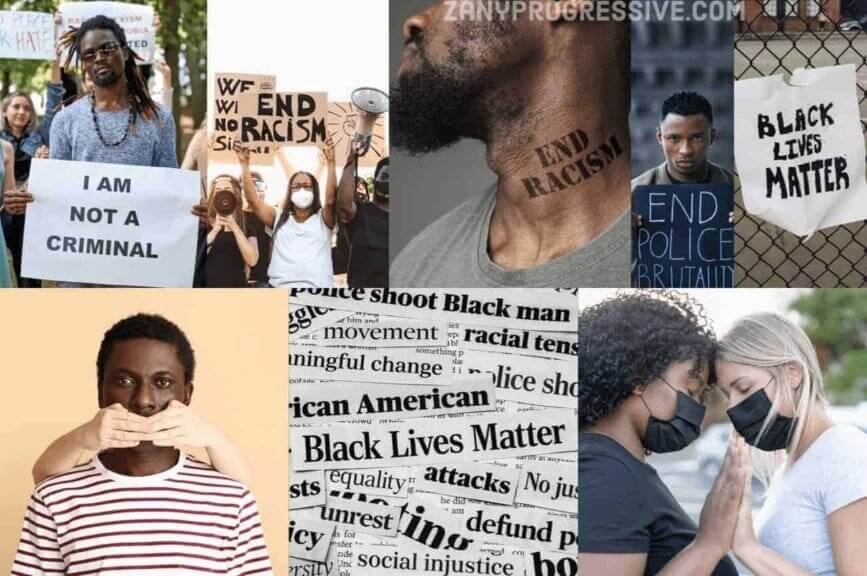
Through their activism, BLM has highlighted the importance of intersectionality, emphasizing the need for a holistic approach to social justice that recognizes the interconnection of various forms of oppression.
This movement has sparked a nationwide conversation about race and privilege, encouraging individuals to reflect on their roles in perpetuating or challenging systemic inequities.
4. #NoKings
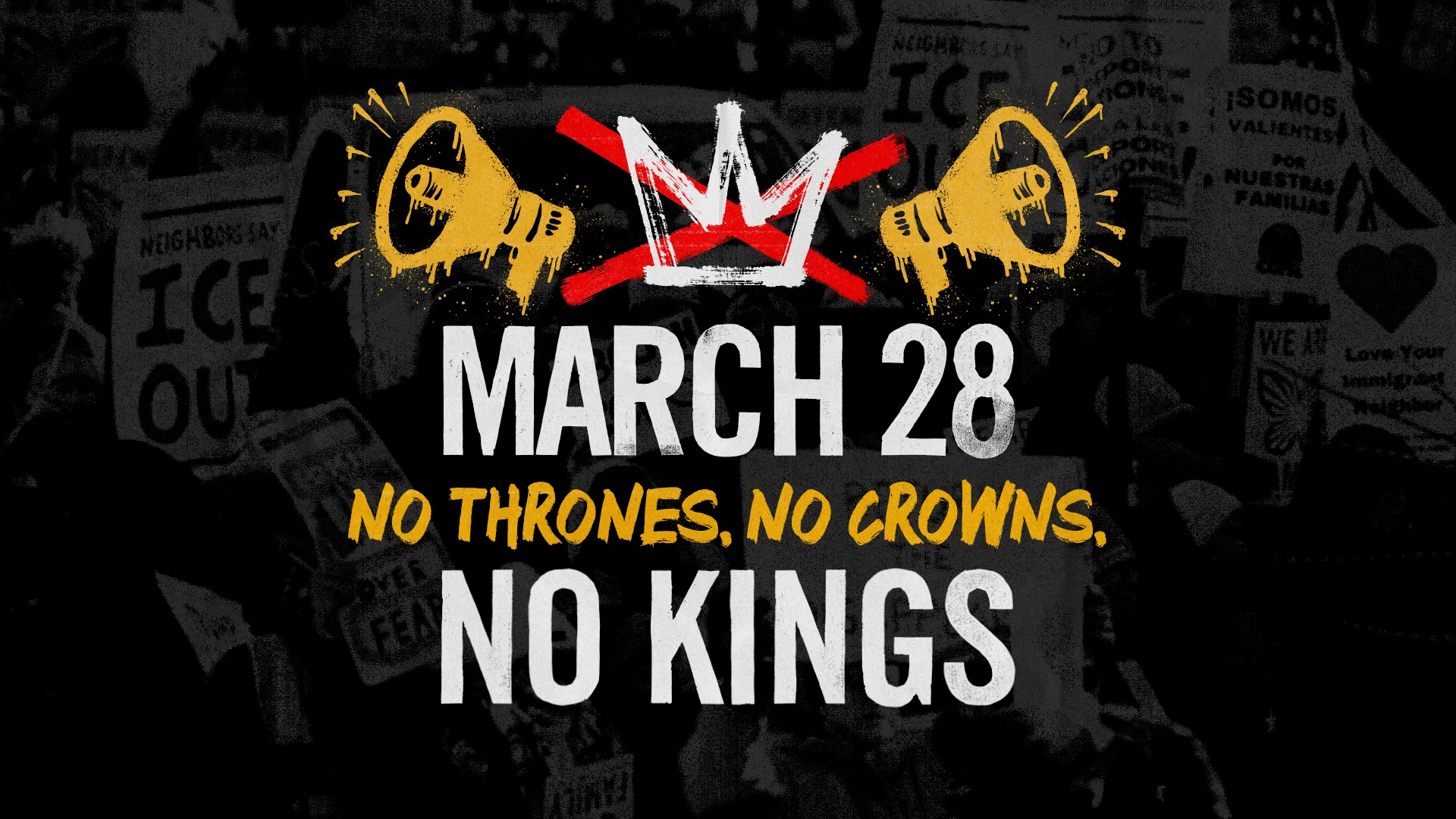
No Kings protests have been the largest mass protests in the United States, with people in other countries joining in a protest meant to tell President Trump that in America, there are no kings. From the No Kings official website:
“In June, we did what many claimed was impossible: peacefully mobilized millions of people to take to the streets and declare with one voice — America has No Kings. And it mattered. The world saw the power of the people.
President Trump’s birthday parade was drowned out by protests in every state and across the globe. His attempt to turn June 14 into a coronation collapsed, and the story became the strength of a movement rising against his authoritarian power grabs.
Four months later, that movement roared back even stronger. On October 18, over seven million Americans joined 2,700+ events in all 50 states — a nationwide uprising 14 times larger than both of Trump’s inaugurations combined. What began in June as a single day of defiance has become a sustained national resistance to tyranny, spreading from small towns to city centers and across every community determined to defend democracy.
Now, President Trump has doubled down. His administration is sending masked agents into our streets, terrorizing our communities. They are targeting immigrant families, profiling, arresting, and detaining people without warrants.
Threatening to overtake elections. Gutting healthcare, environmental protections, and education when families need them most. Rigging maps to silence voters. Ignoring mass shootings at our schools and in our communities. Driving up the cost of living while handing out massive giveaways to billionaire allies, as families struggle.
The president thinks his rule is absolute. But in America, we don’t have kings — and we won’t back down against chaos, corruption, and cruelty.
Our peaceful movement is only getting bigger. “No Kings” is more than just a slogan; it is the foundation our nation was built upon. Born in the streets, shouted by millions, carried on posters and chants, it echoes from city blocks to rural town squares, uniting people across this country to fight dictatorship together.
Because this country does not belong to kings, dictators, or tyrants. It belongs to We the People — the people who care, who show up, and who fight for dignity, a life we can afford, and real opportunity. No Thrones. No Crowns. No Kings.”
Actions Taken by Activists
Community Organizing and Mobilization
Community organizing is at the heart of grassroots activism. It involves bringing people together around shared interests and concerns to take collective action.
Activists often hold meetings, workshops, and rallies to educate community members about important issues and encourage them to participate in the democratic process.
This grassroots approach empowers individuals by providing them with the tools and resources they need to make their voices heard.
Mobilization efforts can take various forms, from local campaigns targeting city councils to national movements addressing systemic injustices.
Activists harness the power of collective action to create a sense of urgency, encouraging people to engage in protests, petitions, and lobbying efforts aimed at enacting change.
Advocacy and Lobbying Efforts
Advocacy is another important part of grassroots movements, focusing on influencing policymakers to adopt changes that reflect the needs and desires of the community.
Activists engage in lobbying efforts, meeting with local and national representatives to present their case for reform.
This often involves gathering data, sharing personal stories, and mobilizing public support to pressure lawmakers into taking action.
WOLF-PAC is an organization that lobbies lawmakers to introduce legislation to end corruption and money in politics.
Organizations often provide training for citizen advocates to equip them with the necessary skills to effectively communicate their message and engage with elected officials.
These efforts help bridge the gap between the community and policymakers, ensuring that the voices of the people are heard in legislative decisions.
Using Social Media for Awareness
In the digital age, social media has become an indispensable tool for grassroots movements. Platforms like Facebook, Threads, Bluesky, Reddit, and Instagram allow activists to reach a broader audience, share information, and mobilize support quickly.
Social media campaigns can go viral, propelling local issues into national conversations, which has been particularly evident in movements like BLM and climate activism.
Social media also creates spaces for conversation and community-building, allowing individuals to connect and collaborate regardless of geographic barriers.
It enables activists to share resources and strategies, fostering a sense of solidarity among diverse groups fighting for democracy and social justice. This is a goal of the Resist Hate community, which offers free membership.
Potential for Future Impact
The future of grassroots movements is promising, especially as more individuals become engaged in the political process and demand accountability from their leaders.
The increasing awareness of social and environmental issues, along with the rise of digital activism, has created the ideal environment for collective action.
How You Can Help in the Fight for Democracy
Getting Involved Locally
Building relationships within your community is vital. Engaging with fellow activists creates a supportive environment where ideas can grow, and collaborative efforts can create significant results.
Establishing local networks enhances your ability to mobilize and take action on critical issues affecting your community.
Supporting Grassroots Initiatives
Monetary support for grassroots organizations can make a substantial difference. Many of these initiatives operate on tight budgets and rely heavily on donations.
Contributing financially, even in small amounts, helps sustain their efforts and ensures they can continue advocating for change.
Consider supporting local businesses and initiatives that align with your values.
This not only promotes the local economy but also reinforces the importance of community engagement and solidarity in the fight for democracy.
Raising Awareness and Educating Others
Awareness is an important part of effective grassroots activism. Share information about important issues with your friends, family, and social networks.
Using your social media platforms to educate others about democratic principles, social justice, and environmental sustainability can help build a more informed and engaged community.
Participate in community workshops or educational events to further your understanding of the issues.
The more informed you are, the better equipped you will be to advocate for change and encourage others to join the movement.
The fight for democracy is a collective effort that requires active participation of individuals from all walks of life.
Grassroots movements have proven to be powerful catalysts for change, challenging the status quo and amplifying the voices of the marginalized.
As citizens, it’s our responsibility to engage in these movements, support their efforts, and demand accountability from our leaders.
As we try and make it through the chaos of the next three years, staying engaged and informed is more important than ever.
Each of us has the potential to make a difference, whether through local activism, financial support, or raising awareness.
By coming together and fighting for our democratic ideals, we can work towards a more just and equitable society for all.