

In the waning days of 2025, Washington has found itself shaken not by a sweeping legislative overhaul but by a focused, gutsy move from a handful of lawmakers willing to break with party leadership to address an issue that affects millions of Americans’ wallets and health: The ACA subsidies.
This week, four Republican members of the House of Representatives joined with all House Democrats to sign a “discharge petition” that forces a floor vote on extending the enhanced Affordable Care Act (ACA) premium tax credits — the ACA subsidies many know as “Obamacare credits” — which are set to expire at the end of the year.
Their signatures got it to the 218 signatures necessary to force a vote.
What makes this procedural maneuver remarkable isn’t just the mechanics of congressional rules; it’s the political story it tells: a faction within the GOP willing to risk intra-party fighting in order to prevent a shocking rise in health insurance costs for millions of Americans.
The Policy at Stake: ACA Premium Subsidies
The ACA subsidies in question were strengthened during the pandemic to reduce premiums for people purchasing insurance on the ACA marketplace. They lowered monthly costs for roughly 20-24 million Americans, particularly middle-income families and those working in jobs without employer-provided health insurance.
With ACA subsidies set to expire December 31, 2025, premiums will spike sharply for many if Congress fails to act.
Democrats quickly seized on the impending cliff: House Minority Leader Hakeem Jeffries and his colleagues rallied members — including moderates from the GOP — to sign onto a discharge petition that would force a floor vote on a Democratic-led bill to extend the ACA subsidies for three years.
This approach bypasses Mike Johnson’s control over the legislative agenda, making it a bold strategic play that only succeeds if a majority of members break ranks.
Republican Leadership’s Strategy and Internal Strains
Speaker Mike Johnson and GOP leadership have pursued a different approach. Instead of a straightforward extension of the ACA subsidies, they’ve promoted a sprawling Republican health care package that departs from the ACA’s structure and focuses on alternatives like expanded association health plans, cost-sharing reductions, and reforms meant to reshape the way insurance markets function.
This package doesn’t include extending the enhanced subsidies — a glaring omission for lawmakers from competitive districts where voters are already struggling financially and would be devastated by skyrocketing health insurance premiums.
Moderate Republicans, particularly those in swing districts or districts with a lot of Americans on insurance from the ACA marketplace, have been vocal about their concern. Representatives Brian Fitzpatrick (PA), Robert Bresnahan (PA), Ryan Mackenzie (PA), and Mike Lawler (NY) signed the discharge petition citing frustration with Johnson’s unwillingness to bring a compromise extension to the floor.
Their positions show not just political calculus but a recognition of health care affordability for constituents who would likely bear the brunt of the skyrocketing premiums..
And while Speaker Johnson insisted after the petition reached 218 that “he has not lost control of the House,” it highlights a broader challenge for Republican leadership: balancing the party’s ideological goals with the practical realities of governing a diverse caucus and addressing affordability issues.
Bipartisan Action and What Comes Next
The bipartisan nature of this petition — rare at a time of deep polarization — underscores how health care costs are still one of the few issues capable of bringing politicians on both sides of the aisle together. And while the discharge petition only forces a vote, it doesn’t guarantee passage.
A floor vote could come in January 2026 after the holiday recess, but even if it succeeds in the House, a Senate version faces an uphill battle. Earlier this month, both Democratic and Republican subsidy extension bills failed in the Senate

The fact that a handful of GOP members crossed party lines in the Senate suggests a recognition across the aisle that expiring subsidies have real world consequences.
For Democrats, this moment offers a chance to demonstrate a willingness to work with Republicans.
Ultimately, resolving the ACA subsidy issue requires more than a procedural victory. It demands bipartisan negotiation that deals not just with the mechanics of spending but with the broken healthcare system in America: access, cost, and fairness.
What happens next could set the tone for early 2026’s political and policy debates — particularly around health care affordability.
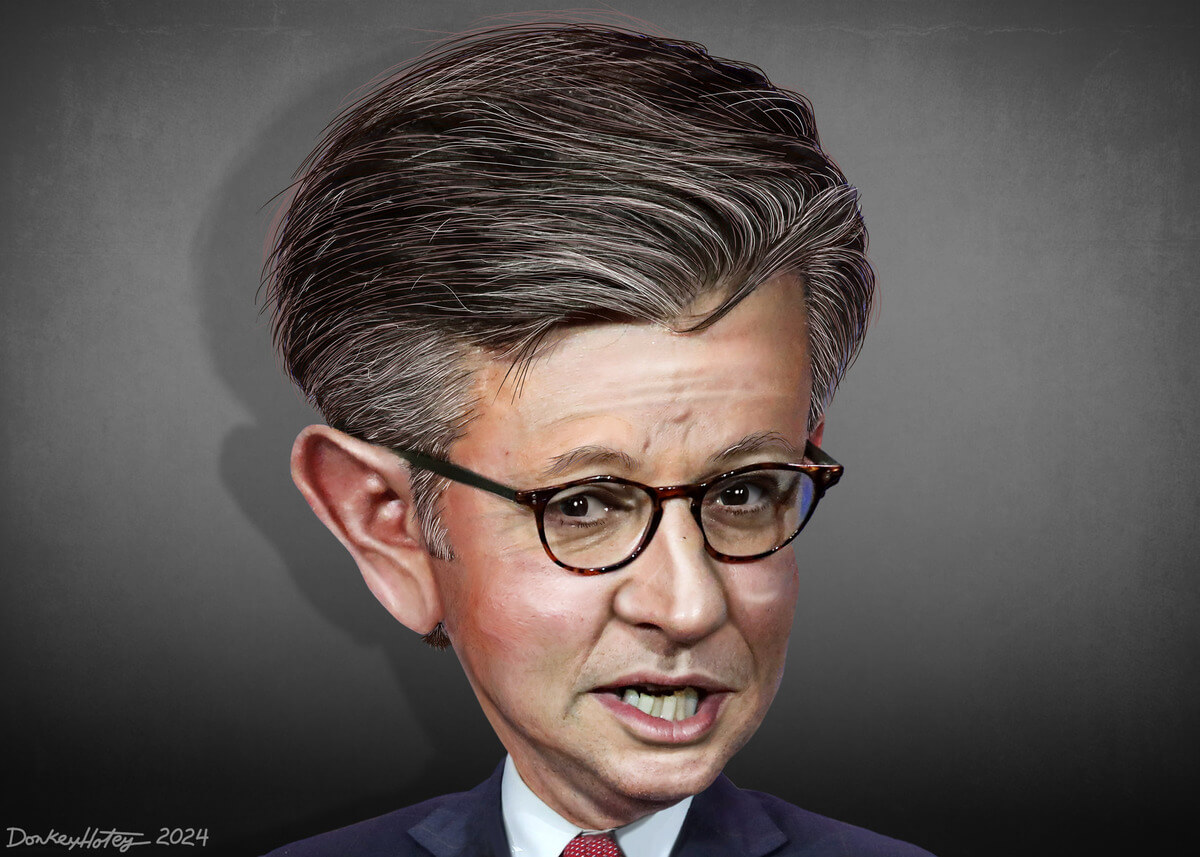
Caricature of Speaker Mike Johnson by DonkeyHotey on Flickr.