Too busy? In a hurry? Don’t have time to read the full article? | Quick Summary

This page addresses online safety risks facing the LGBTQ+ community, drawing on an article from SafetyDetectives.com. It explains how scammers and hackers target individuals with sensitive or hidden identities, building trust before exploiting personal information for financial gain, control, or blackmail through tactics like harassment and revenge porn.
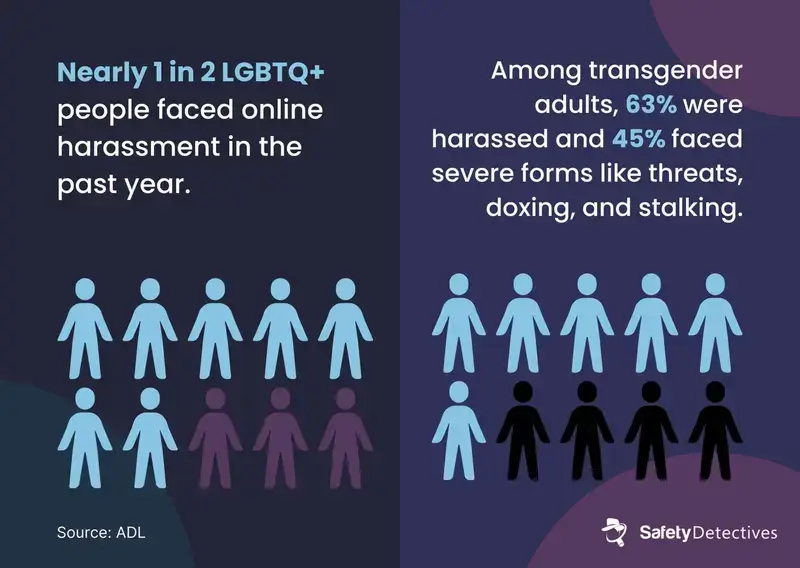
The content highlights that dating apps and social media are common platforms for such exploitation, citing 2024 survey data showing LGBTQ+ adults face disproportionate online harassment compared to the general US population, with transgender individuals experiencing particularly high rates of severe abuse including threats, stalking, and doxing.
The internet is a wonderful but sometimes scary place to be. Vulnerable groups are at greater risk online than we realize. This page provides information an resources related to online safety for the LGBTQ+ community.
From an article by Elly Hancock on SafetyDetectives.com:
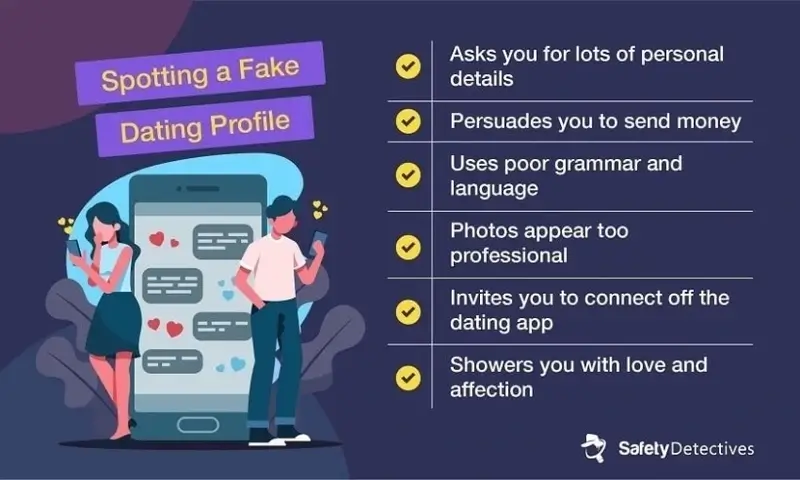
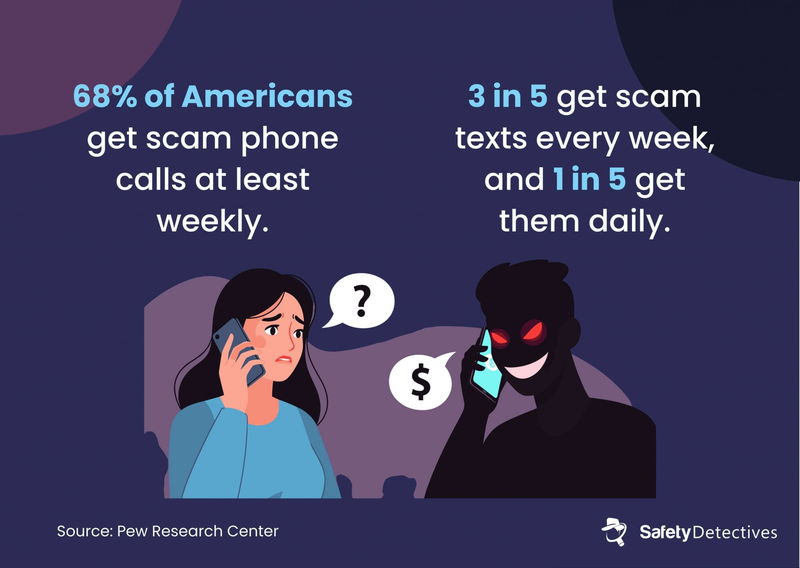
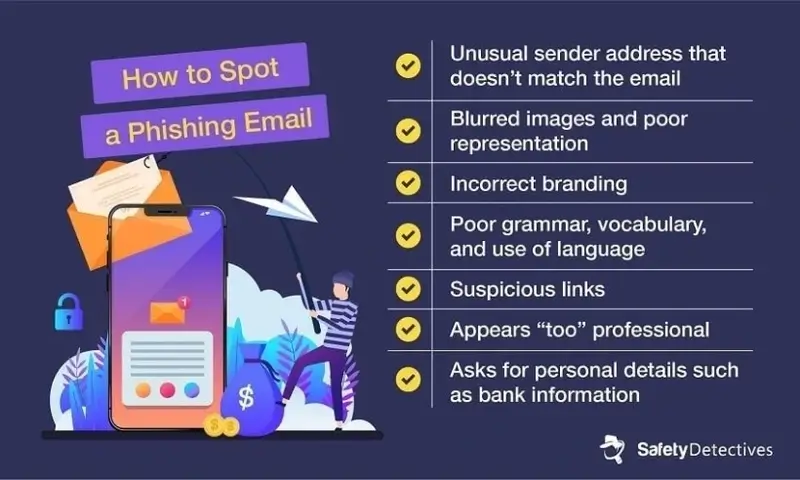
“Scammers, fraudsters, and hackers prowl the internet looking for easy targets. And they’re clever. Whether it’s through click-bait emails, fake dating profiles, or a too-good-to-be-true giveaway, there are plenty of ways scammers can find you.
Scams are dangerous and can lead to severe consequences, such as identity or monetary theft and blackmailing. All of us are at risk, but some groups are more likely to be targeted than others – especially the LGBTQ+ community.
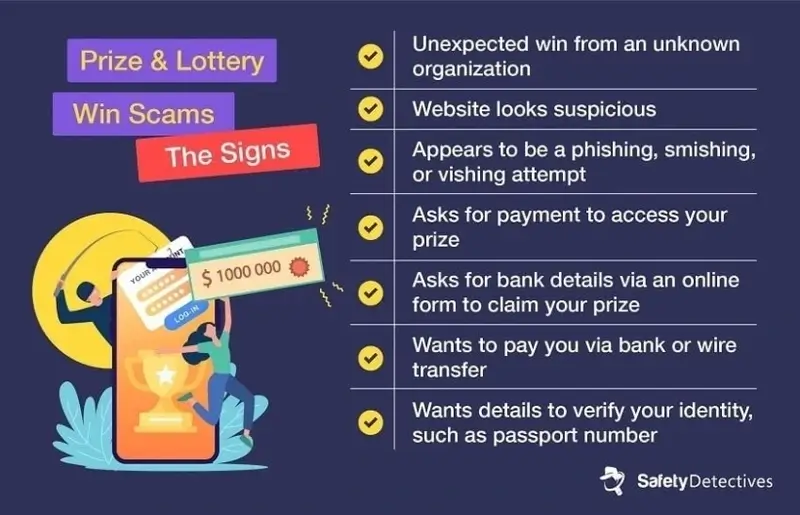
Certain communities with sensitive or hidden identities are particularly vulnerable, whether related to sexuality, race, gender, or even religion. Scammers latch onto this information and lure you in by pretending to share the same views or having the same orientation.
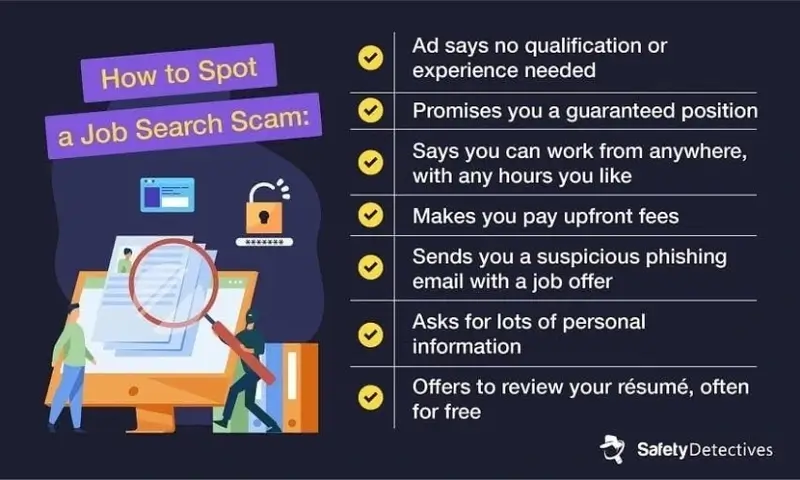
Once they build your trust, they’ll encourage you to share personal information, like sexual images and videos, bank details, your address, or something else. While it might seem innocent at first, it’s anything but.
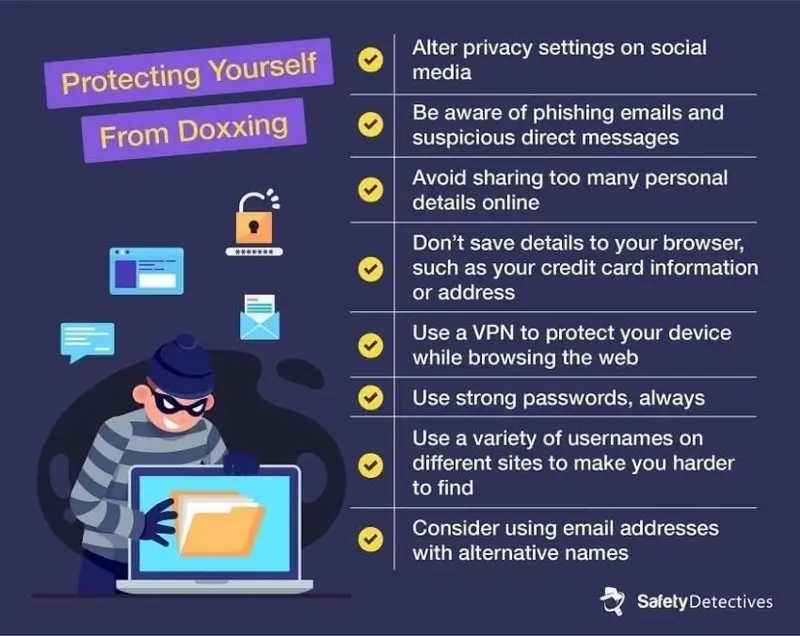
Scammers will exploit this information in return for monetary gain or control. They use tactics and threats such as online harassment, blackmailing, and revenge porn to pressure you into doing anything they say to save yourself from embarrassment and exposure.
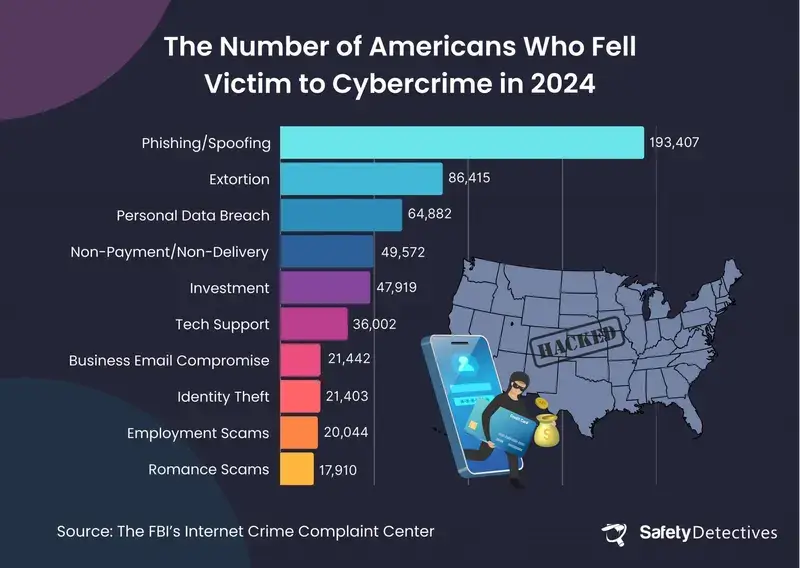
Online scams can occur anywhere online, so you always have to be aware of the websites you’re visiting and the emails that land in your mailbox. But dating apps and social media sites are the most common platforms for harassment and online scams, as this is where people tend to be more open about their identity and orientation.
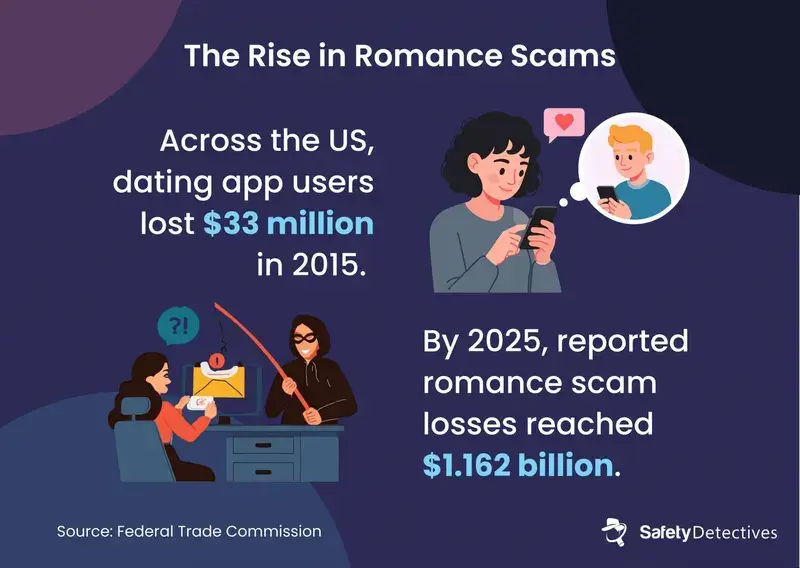
Online harassment disproportionately affects the LGBTQ+ community. In 2024, nearly half of LGBTQ+ adults reported being harassed online in the twelve months leading up to the survey, with 32% facing severe abuse. Among transgender adults, 63% experienced harassment, and nearly half (45%) were targets of severe attacks like physical threats, stalking, or doxing. A wave of online hate targeting trans people followed anti-trans legislation that was introduced in the US in 2023.
These figures skew far above the US average: 37% of all Americans report facing online harassment, and 22% report severe harassment.”
Learn more about staying safe online at SafetyDetectives.com: LGBTQ+ Online Scams: How to Spot Them and Stay Safe