


Looking at successful police reform efforts gives us valuable insights into what works and what doesn’t. One notable case study comes from Camden, New Jersey, where the police department underwent a complete overhaul in 2013.
The Camden County Police Department finished 2025 with a 29% reduction in homicides, marking another stark drop in the related field from 17 in 2024 to 12 in 2025.
This extraordinary feat was preceded by the first homicide-free summer in 50 years throughout the city. Since 2012, homicides in the city of Camden have fallen 82%.
First, let’s discuss what police reform means, then we’ll dive into how leaders and organizers accomplished successful police reform in Camden, New Jersey
What is Police Reform?
Police reform refers to a collection of measures aimed at addressing systemic issues within law enforcement agencies to enhance accountability, transparency, and community trust.
In recent years, particularly following high-profile incidents of police violence and racial disparities in policing, the need for comprehensive reform has become increasingly important.
The concept involves a variety of initiatives, from changes in training and hiring practices to alterations in policies related to use of force and community engagement.
The urgent need to do something about policing in America can’t be overstated. Police departments are needed to maintain public safety, but when trust erodes, communities suffer.
Effective police reform rebuilds that trust and ensures that law enforcement serves all members of the community equitably and justly.
Addressing problems within the policing system not only improves community relations but also contributes positively to the overall effectiveness of law enforcement.
Current State of Policing in America
The current state of policing in America is plagued by deep-rooted problems. Issues such as police violence, racial profiling, and a lack of accountability have led to widespread public outcry and calls for reform.
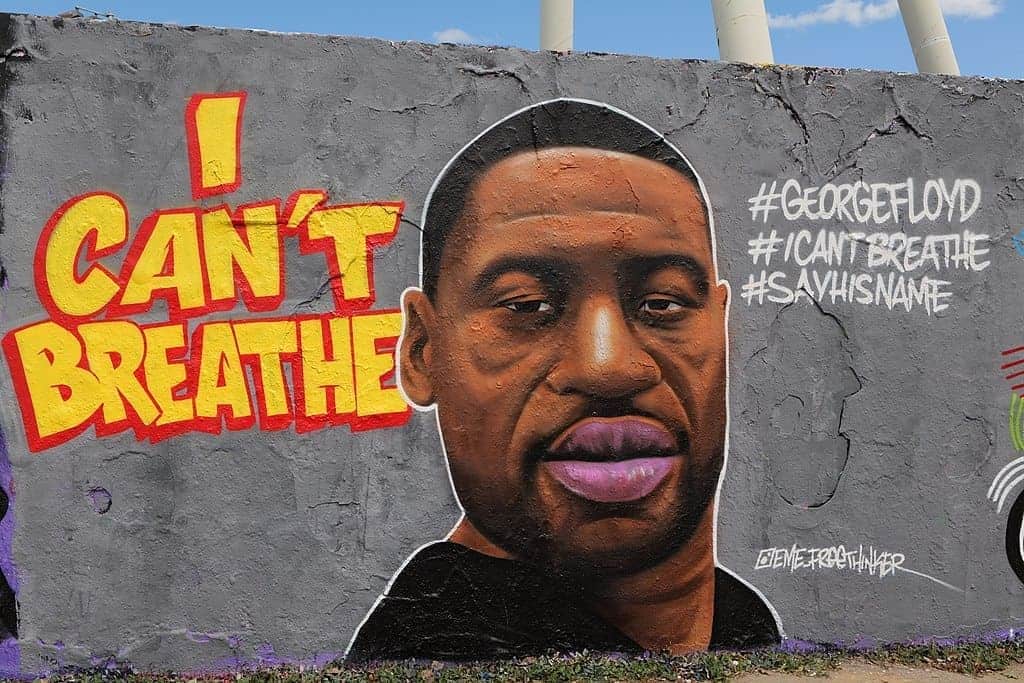
High-profile cases, including those of George Floyd and Breonna Taylor, have amplified these sentiments, and led to national protests and demands for systemic change.
Data indicates what we’ve known—that communities of color are disproportionately affected by aggressive policing tactics.
Legislative Progress in Police Reform
In response to public demand for change, legislative progress has been made in various jurisdictions across the United States. Key pieces of legislation, such as the George Floyd Justice in Policing Act, aimed to address issues of police misconduct and excessive use of force.
The act proposed needed reforms, including the banning of chokeholds, the establishment of a national database for police misconduct, and enhanced training on bias recognition and de-escalation tactics. The bill passed in the House of Representatives 220-212 with no Republican votes in March of 2021.
Unfortunately, it did not advance in the Senate.
Several states and cities have passed their own police reform measures, reflecting local community needs and perspectives.
For example, some jurisdictions are focusing on mental health crisis intervention, while others are prioritizing community oversight boards to review police conduct.
These legislative changes signify a growing recognition that effective policing requires an overhaul of traditional practices and policies.
Key Steps Taken to Implement Reform
Implementation of police reform requires an approach that involves several key players, including police departments, community organizations, and local government officials.
The steps of this process include assessing existing policies, engaging with community members to gather input, and establishing training programs that reflect a commitment to equity and justice.
Accountability mechanisms are necessary for ensuring that reforms take root. This can include the establishment of independent oversight bodies, regular audits of police practices, and clear consequences for officers who engage in misconduct.
By addressing these layers of accountability, police departments can begin to rebuild trust and demonstrate their commitment to serving all segments of the community fairly.
Factors Contributing to Legislative Success
The success of police reform legislation often hinges on a combination of public pressure, political will, and effective advocacy.
Grassroots movements play a pivotal role in raising awareness and mobilizing citizens to demand change.
In many cases, these movements have brought issues of police violence and systemic racism to the forefront of public discourse, pushing lawmakers to act.

Additionally, collaboration between various groups can improve the chances that reform will be successful.
When law enforcement agencies, community leaders, and advocacy groups work together, they can create a shared vision for reform that addresses the needs and concerns of everyone involved.
This coalition-building is important for ensuring that reforms not only take place but are also sustainable in the long term.
Case Study: Successful Police Reform in New Jersey
Facing rampant police violence and community distrust, local officials took action and disbanded the existing police force and replaced it with a new organization focused on community policing and accountability.
The entire police department was dismantled and rebuilt from the ground up. This is the most important part of true police reform that actually implements changes to address systemic issues, like the “blue wall of silence” (the practice of not speaking up about the immoral, unethical, or even illegal actions of fellow officers).
It’s the only way to successfully tackle practices that are deeply ingrained in policing culture. The “blue wall” was cracked a few years ago when officers testified against Derek Chauvin during the George Floyd trial.
Strategies implemented in Camden included enhanced training for officers, an emphasis on community engagement, and real accountability measures.
The new police department established policies designed to create trust within the community, such as regular town hall meetings and data-driven policing strategies.
As a result, crime rates dropped, and community perceptions of the police improved substantially.
Outcomes and Impact of the Reform
The outcomes of Camden’s police reform are noteworthy.
Since the implementation of the new policing model, Camden has been experiencing historic declines in crime since 2021. At the start of last year, city officials announced a 55-year low in total crime. Between 2024 and 2025, total crime fell 10%.
From reporting by WHYY.org:
Tim Merrill, a city resident and director of the Imani Hope Center, agreed that a combination of factors have been at play.
“I would agree that policing now is more professional, and that is from community pressures,” he said. “The whole policing reform push in the wake of George Floyd’s crucifixion has bearing on policing that we demand as a community: more professional policing.”
The Camden case serves as a testament to the idea that thoughtful, community-centric reform can produce real benefits. By prioritizing accountability and engagement, the police department has not only improved public safety but has also worked to mend relationships with community members that had been frayed by years of mistrust and negative interactions.
Nationwide Police Reform
The successes observed in Camden highlight several opportunities for broader police reform efforts across the nation. First, community engagement is necessary; when police work alongside residents, they can develop strategies that reflect the unique needs of each neighborhood.
Reform efforts must prioritize transparency and accountability to generate trust and legitimacy in the eyes of the public. Republicans cannot be allowed to pass any legislation making Donald Trump’s desire to give police full immunity a reality or all progress made will disappear.
The Camden case also underscores the importance of political will and community advocacy in driving reform.
As communities continue to demand change, they should be vigilant and hold law enforcement accountable. Also, ensure that reforms aren’t just put into place but they are sustained over time.
These lessons offer hope and direction for other jurisdictions dealing with similar challenges in their law enforcement practices.
The path toward successful police reform in America is nuanced, but it’s also a necessary. In understanding the challenges and opportunities that lie ahead, community leaders can work together to create policing models that prioritize justice, equity, and community trust.
Continue protesting and pushing for reform in this country.
The experiences of cities like Camden have shown that with the right strategies, significant improvements in policing and community relations are possible.