


GET THESE EVIL PSYCHOS OUT OF OUR COMMUNITIES NOW! 8 skull fractures?! They’ve attacked protesters on our streets, assaulted detainees, beaten and killed immigrants in ICE detention centers, and they murdered two American citizens in Minnesota.
I said it from the beginning: People who hate immigrants and want them out of this country would love to punish or inflict pain upon them. This is exactly the type of people who would actively pursue a career in Immigration and Customs Enforcement (ICE). It’s also the type of person the Trump administration was targeting with their social media campaign.
The video below discusses the controversial recruitment tactics of DHS and ICE, both of which have been on a hiring spree with an $8 billion budget increase. While their TV ads presents a standard message, their social media campaign uses language and imagery familiar to far-right extremists.
Not interested in this? Skip to the news story now.
ICE Recruitment Tactics

As I was reading about the extent of this victim’s injuries, I was reminded of the video recording of the attack on Alex Pretti by Border Patrol Agents. One of the agents could be seen hitting Pretti in the head—with what appeared to be his gun—repeatedly as he was pinned on the ground.
I saw the same behavior in a video that showed ICE violently assaulting the IHOP landscaper prior to his arrest. The undocumented father of three U.S. Marines was held down on the ground by multiple agents as another agent punched him in the head repeatedly.
We need to recognize what’s happening here. These aren’t “law enforcement professionals,” they are violent gangs, roaming the streets, terrorizing and assaulting people who aren’t White (or who are White, but liberals).
Enough of my hysterical reaction. It’s time for me to take a deep breath, get serious, and write a professional news article about this horrifying incident that occurred last week.
ICE brought a Mexican immigrant they had detained to the emergency room at Hennepin County Hospital in Minnesota claiming the man had “run head-first into a wall while handcuffed.” Doctors discovered 8 skull fractures and brain hemorrhages (bleeds) in 5 different areas of his brain. Here is the full story:
Across a Minneapolis hospital room last week, medical personnel and advocates describe an unsettling scene that has rattled health care workers, immigration advocates, Resist Hate Editors, and the entire community.
A Mexican immigrant, identified as 31-year-old Alberto Castañeda Mondragón, is in critical condition after suffering 8 skull fractures and 5 brain hemorrhages following his arrest by U.S. Immigration and Customs Enforcement (ICE) agents in the heart of Minnesota.
This case has quickly become a prime example of the concerns Americans have about federal immigration enforcement tactics, civil liberties, and the humanity — or lack thereof — toward people in ICE custody.
Hospital staff were stunned by the severity of his injuries. Nurses and doctors who examined him believe that the wounds — described in X-rays and reports as 8 skull fractures and multiple brain bleeds — are inconsistent with the government’s account that he “ran headfirst into a brick wall while handcuffed.”
Medical professionals, including a forensic pathologist consulted by AP News, told reporters that such an explanation simply does not align with the kind of blunt-force trauma they saw on imaging.
Mondragón’s lawyers and supporters argue that this raises serious questions regarding how he was treated during his arrest, challenging the narrative put forth by immigration officials.
What makes this incident particularly troubling for hospital staff and community advocates, is not just the alleged violence, but the intrusive presence of armed ICE agents inside the hospital, lingering at patients’ bedsides and creating an atmosphere of fear for both staff and patients.
Nurses and physicians told AP News that agents often ignored established hospital rules regarding access to patients, sometimes staying near beds and questioning staff about patients’ conditions.
Medical professionals are trained to provide treatment without judgment or intimidation; they are bound by the Hippocratic oath to comfort the suffering. But the daily reality for some of the staff at Hennepin County and other Twin Cities hospitals has transformed parts of their workplaces into zones where the healing mission is overshadowed by the authority of government enforcement.
Health workers have described securing communications protocols — using secure apps instead of ordinary work channels — out of concern that their work could be overheard or misinterpreted. Some staff expressed feeling watched or second-guessed by federal agents whose primary mission is enforcement, not care.
They have a reason to be concerned. Investigative journalist Ken Klippenstein recently exposed how immigration officials are photographing license plates and the faces of Americans, to add them to one of three “watch lists” maintained by the federal government.
In one video, a woman is recording an ICE agent with her phone when he walks up to her and takes her photo. She laughs, asking what he’s doing. He responds by telling her she’s now a “domestic terrorist.”

In another incident, a woman who participated in a protest was shocked when ICE agents knocked on her door. They threatened her, saying something along the lines of, “We just wanted to let you know that we know you live here.” There was more to that interaction that I can’t recall off the top of my head at the moment.
I included those stories in this article to provide context and a possible reason that hospital staff felt so concerned and anxious with ICE agents lurking around. (I’ll add a link to the reporting on how the federal government has ratcheted up the surveillance state in America and has been keeping track of protesters with these lists at the end of this article.)
Mondragón’s wounds were so grave that a federal judge ultimately ordered his release from ICE custody on medical grounds.
Even as he struggles to recover, friends and advocates in Minnesota are helping coordinate his care, recognizing that his road to recovery will be long and difficult, both physically and neurologically. Memory loss and ongoing medical needs are just the beginning of the challenges he now faces.
His story is not a one-off. It unfolds amid a larger enforcement effort in Minnesota known as Operation Metro Surge, an expanded federal immigration crackdown that has led to thousands of arrests but also sparked intense resistance from local officials and community activists.
The operation has drawn protests across the state and beyond, especially after a Border Patrol agent shot and killed a longtime LGBTQ+ activist and nurse, Alex Pretti, and another civilian, mother of three, Renée Good. These killings have fueled national debates about the reach and accountability of federal immigration agents, particularly when they operate in densely populated areas.
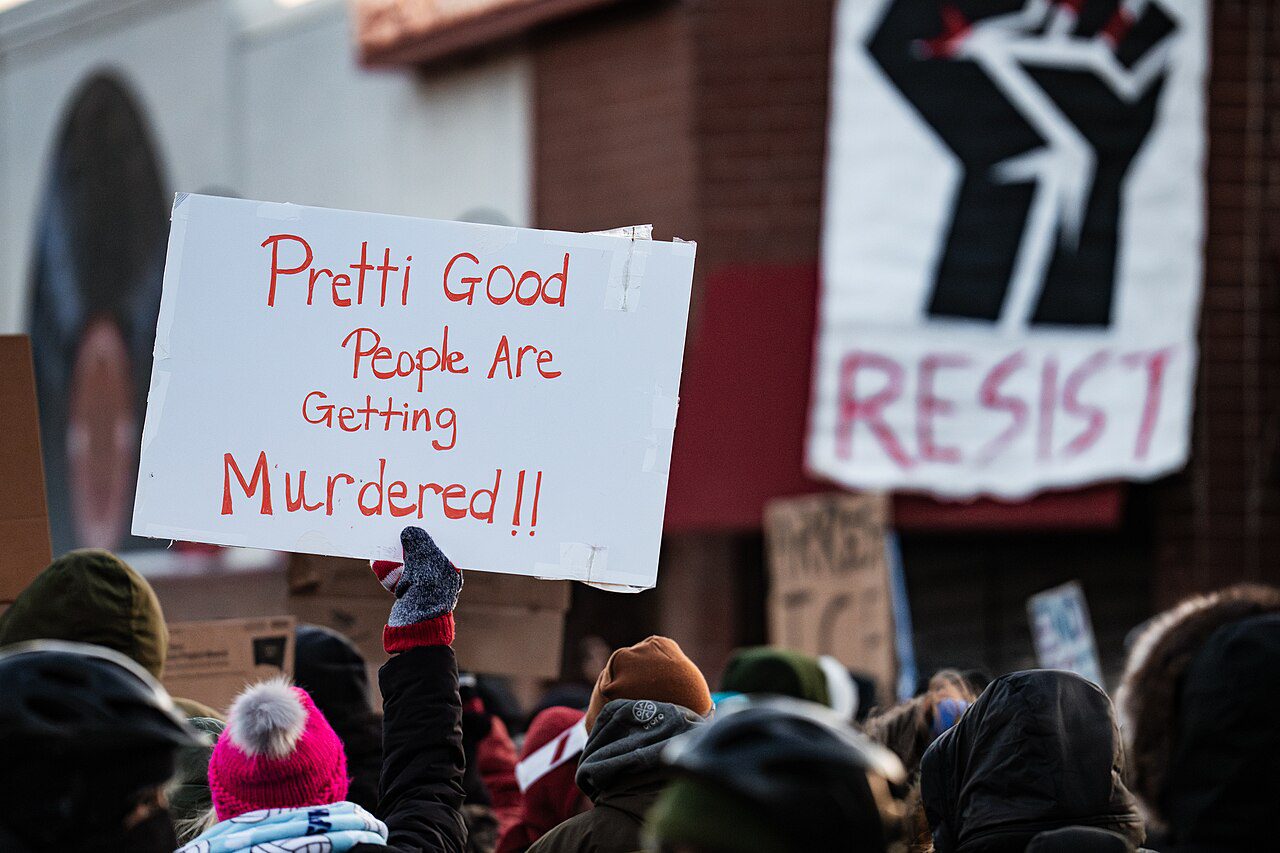
Minnesota’s governor, mayor, and attorney general have all criticized the federal operation, with some local leaders calling it an “invasion” of their state and an overreach of federal power. Others have filed lawsuits in federal court seeking to rein in enforcement actions they say undermine public safety and civil rights.
But for community members and health care workers on the ground, the political and legal wrangling only complicates the lived reality: patients in vulnerable positions are caught between competing forces — the need for compassionate medical care and the often jarring intrusion of federal enforcement.
Among the staff at the Minneapolis hospital, there’s a shared sense of frustrated helplessness. They are trained to save lives, but when their patients are handcuffed, monitored, and sometimes forcibly restrained, those caregivers find themselves sidelined in decisions about how the very people they are sworn to protect are treated.
Advocates and civil liberties groups have used this case to call for clearer limits on when and how immigration agents can enter medical facilities, insisting that privacy, dignity, and a patient’s right to care should not be collateral damage in broader policy fights.
In Minneapolis, the shadows of federal enforcement lurk in hospital corridors, raising an important question: when a person’s life hangs in the balance, shouldn’t the first — and only — priority be healing?