

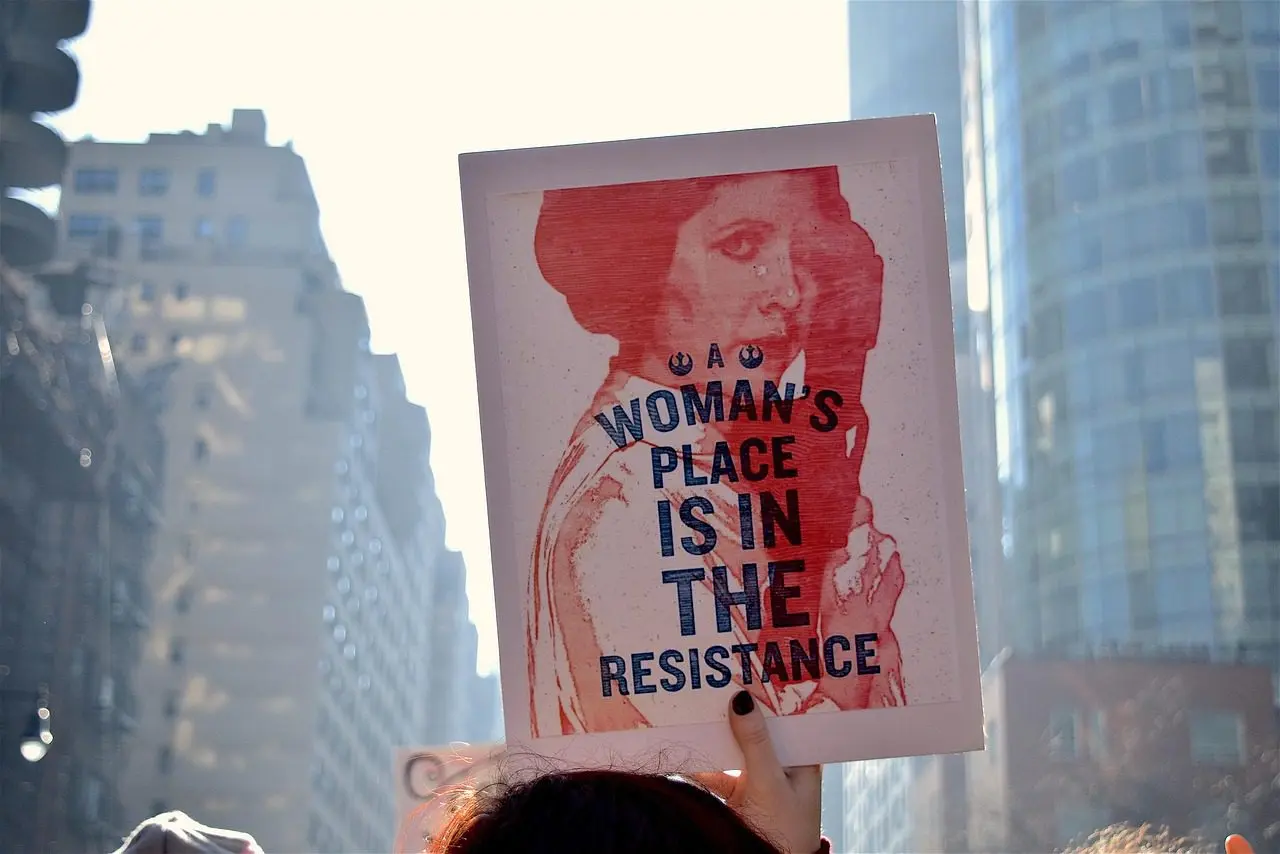
When the Supreme Court overturned Roe v. Wade in 2022 through its decision in Dobbs v. Jackson Women’s Health Organization, it ended nearly 50 years of federal constitutional protection for reproductive rights established under Roe v. Wade.
The ruling did not make abortion illegal nationwide. Instead, it shifted the power to regulate abortion back to individual states.
Since then, many people have asked a simple question: What rights do women still have?
The answer is complicated, because rights now depend heavily on where a person lives. But it is important to understand what has changed — and what has not.
1. Constitutional Rights
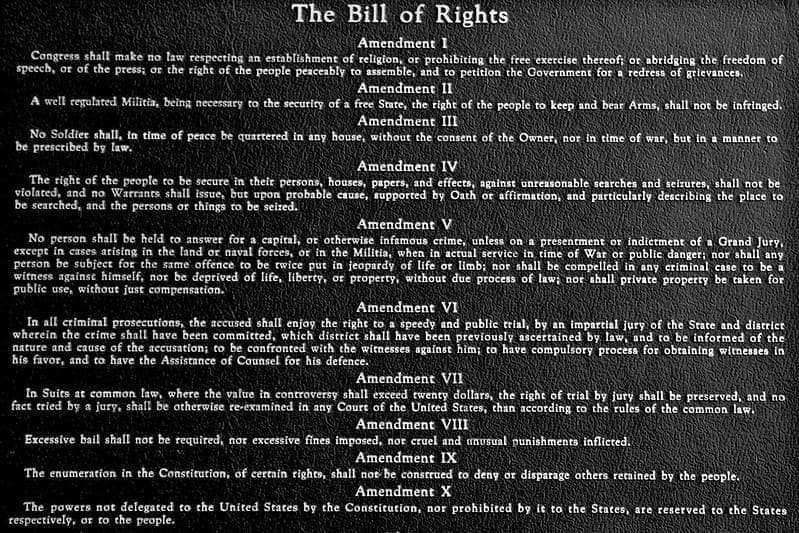
Women still have constitutional rights. The Dobbs decision did not erase the 14th Amendment, which guarantees due process and equal protection under the law.
Women remain protected by the Constitution in matters such as voting, free speech, religious freedom, and protection from unlawful searches and seizures. The ruling was specifically about abortion, not about stripping women of citizenship or legal status.
2. Abortion Rights in Blue States
Abortion is still legal in many states. After Dobbs, states fell into roughly three categories: those that banned or severely restricted abortion, those that protected access, and those that imposed gestational limits such as 6, 12, or 15 weeks.
In states that have passed laws protecting abortion access, women can still legally obtain the procedure within the time limits set by state law. Some states have even amended their state constitutions to explicitly protect reproductive rights.
3. Right to Travel
Third, women have the right to travel between states. There is currently no federal law banning interstate travel for abortion. If a woman lives in a state where abortion is restricted, she can legally travel to another state where it is allowed.
While there have been political debates about limiting such travel, courts have long recognized freedom of movement between states as a fundamental right.
MediasTouch ad released when states were considering travel bans to prevent women from accessing reproductive care in other states.
4. Right to Prevent Pregnancy
Women still have access to contraception. The Dobbs decision addressed abortion, not birth control. Access to contraceptives such as birth control pills, IUDs, and condoms remains legal nationwide.
That protection is partly rooted in earlier Supreme Court decisions like Griswold v. Connecticut, which recognized privacy rights in matters of contraception for married couples, and later rulings that extended those protections to unmarried individuals. However, some advocates have expressed concern about how future legal challenges could affect related rights.
5. Emergency Reproductive Care
Emergency medical care is still protected under federal law. The Emergency Medical Treatment and Labor Act (EMTALA) requires hospitals that receive Medicare funding to provide stabilizing treatment to patients experiencing medical emergencies.
emergency-medical-care-letter-to-health-care-providersIn situations such as ectopic pregnancy or life-threatening complications, hospitals are still obligated to provide necessary care. That said, in some states with strict abortion bans, doctors have reported confusion or fear about how laws apply in emergency situations, leading to delays in care. Courts are continuing to address how federal emergency requirements interact with state abortion bans.
6. Access to Abortion Pills
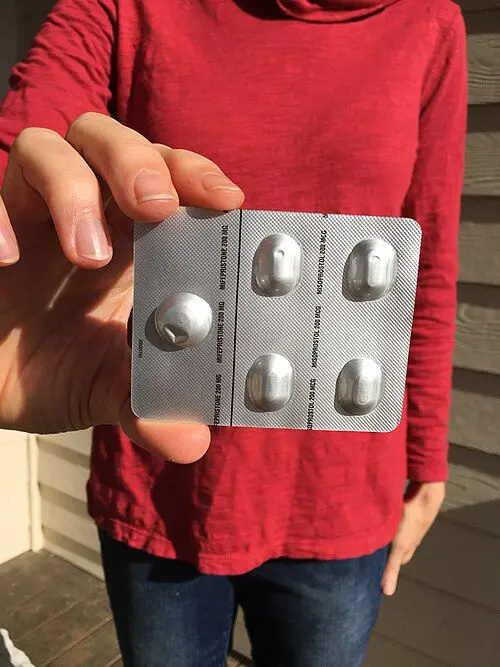
Medication abortion remains a legal and contested area. The abortion pill mifepristone, approved by the FDA more than 20 years ago, is still legal at the federal level. However, some states have restricted its use or banned it along with other forms of abortion. Court battles over federal versus state authority continue, making this an evolving legal issue.
7. Protections From Pregnancy-Related Discrimination
Women still have rights related to pregnancy discrimination in the workplace. Federal law prohibits employers from discriminating against employees based on pregnancy, childbirth, or related medical conditions.
These protections remain in place regardless of a state’s abortion laws. Additionally, recent federal legislation has strengthened requirements for reasonable workplace accommodations for pregnant workers.
Additional Rights
It is also important to note what Dobbs did not directly change. It did not alter voting rights. It did not remove protections against domestic violence. It did not change equal pay laws. It did not revoke the right to file lawsuits or seek legal remedies in court. Women remain full legal citizens with the same constitutional rights as before.
However, the practical impact of Dobbs is significant. For many women, especially those in states with near-total bans, access to abortion care has dramatically narrowed. In some places, abortions are banned after very early stages of pregnancy, often before many women know they are pregnant. In other states, clinics have closed entirely. This creates geographic inequality, where rights differ depending on state borders.
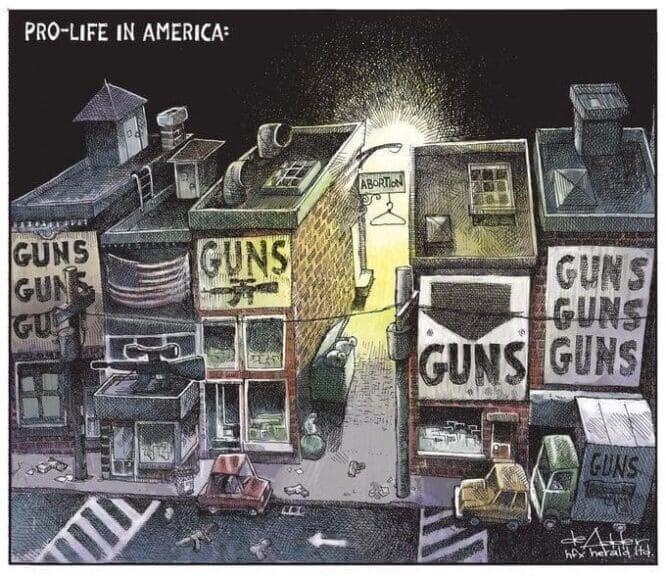
The debate has also expanded into related areas. Questions have been raised about fertility treatments like IVF, about whether states can investigate miscarriages, and about how doctors should interpret vague exceptions for “life of the mother.” While these questions are being addressed in legislatures and courts, they contribute to uncertainty.
Women’s Rights: Summary
So what rights do women have left after Roe was overturned?
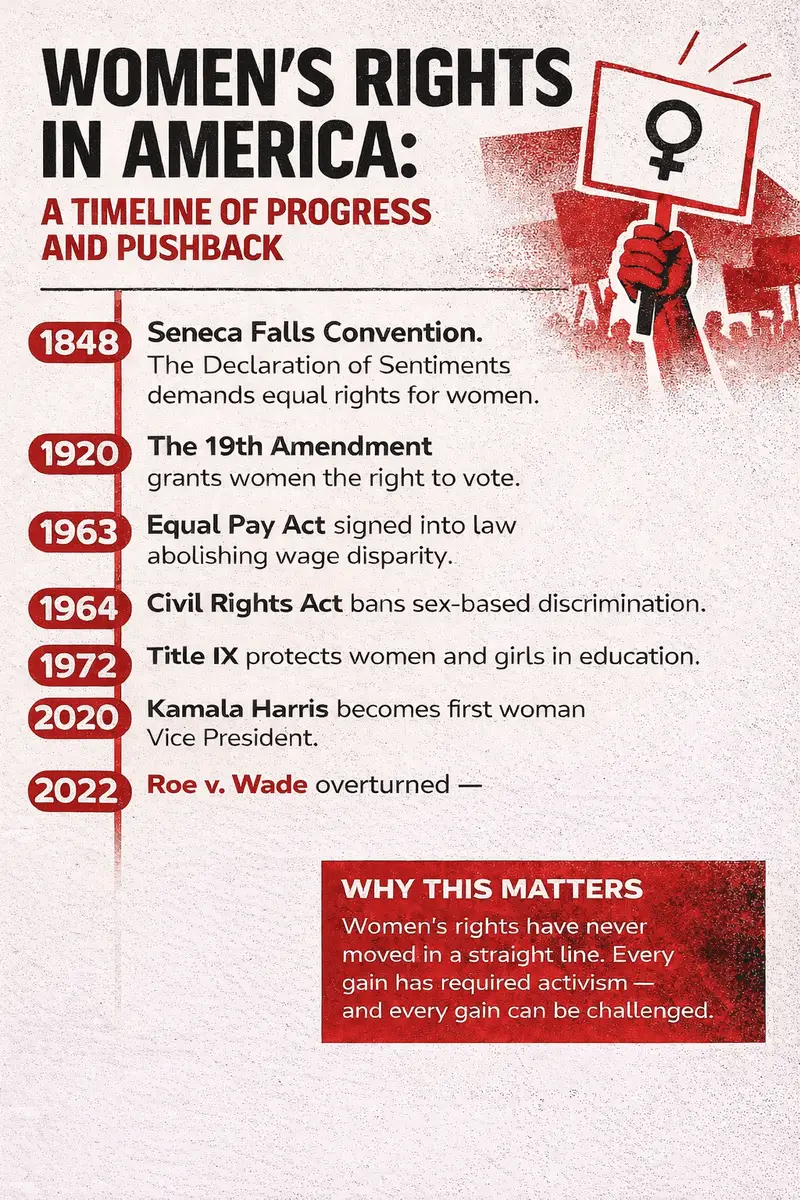
They retain their constitutional rights. They retain access to abortion in many states. They retain the right to travel. They retain access to contraception. They retain workplace protections and emergency medical rights. But the uniform federal guarantee of abortion access that existed for nearly half a century is gone.
Access to reproductive healthcare is now shaped by state legislatures, ballot measures, federal agencies, and ongoing court cases. For women across the country, the practical meaning of their rights depends largely on geography — and on how future legal battles unfold.
Understanding this patchwork reality is important. The issue is no longer a single national standard. It is a state-by-state system, still evolving, with significant consequences for millions of people.