
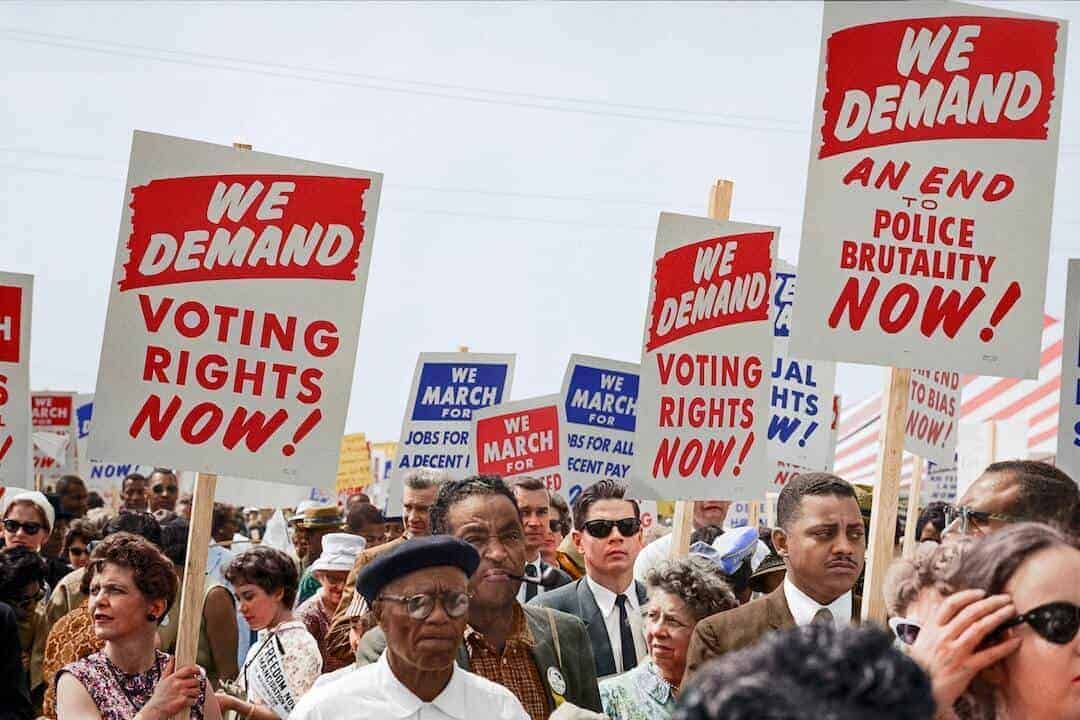
Civil rights violations have historically been a major issue in the United States. A Human Rights Watch report released in 2023 noted that major strides were made during the Biden administration.
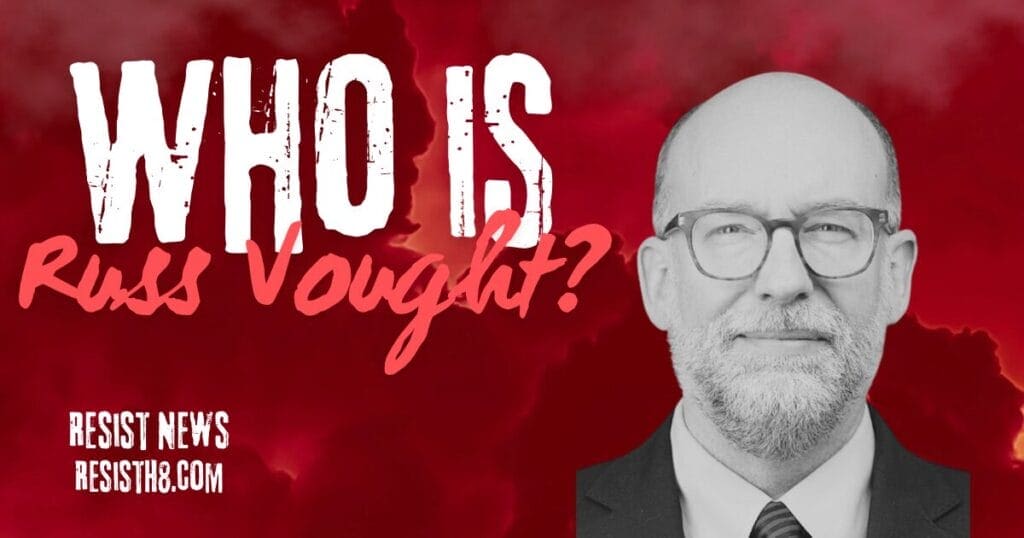
The Trump administration took office in 2024 and allowed Elon Musk (as head of DOGE) to cut important programs, while the architect of Project 2025, Russ Vought, shut down civil rights departments across the federal government, along with other “woke” programs.
ICE, acting as the President’s militarized secret police force, has been showing up in cities of blue states and violating the rights of everyone living in the state.
Federal agents are constantly attacking the first amendment by assaulting (and in some cases, killing) peaceful protesters. They’re detaining immigrants (and U.S. citizens), and denying their right to due process.
With an authoritarian in the White House, the civil rights of the American people are violated on a daily basis.
This explainer was written in 2023, so the civil rights violated most often may have changed. Regardless, the information about each of these civil rights violations is still important.
3 Common Civil Rights Violations
In no particular order…
1. Police Brutality and Excessive Use of Force

One of the most prevalent civil rights violation examples involves instances of police brutality and the excessive use of force by law enforcement officers.
Incidents of excessive police force, often resulting in injury or death, have disproportionately affected minority communities, particularly Black Americans.
Excessive use-of-force cases that receive national attention have helped expose deep-rooted problems within law enforcement, including systemic racism, bias, and a lack of accountability.
One of the most well-known cases of police brutality prior to George Floyd was the beating of Rodney King. On March 3, 1991, King was brutally assaulted by officers of the Los Angeles Police Department (LAPD) during his arrest following a high-speed chase for driving while intoxicated. A local resident witnessed the incident and recorded it from a nearby balcony.
He sent the footage showing King lying on the ground while being beaten to a local news station. The station aired the video, which was then rebroadcast by other outlets. News organizations around the world covered the incident, sparking widespread public outrage.
During this time, Rodney King said something that quickly went viral. His plea to the media, “Can’t we all just get along?” was repeated endlessly. That question is arguably even more important today than it was in 1991.
At a press conference, Los Angeles Police Chief Daryl Gates announced that the four officers involved would be disciplined for the use of excessive force, and that three of them would face criminal charges. The LAPD initially charged King with felony evading, but later dropped the charge.
In 1992, the acquittal of the officers triggered the Los Angeles riots, which lasted six days and led the White House to invoke the Insurrection Act. The California National Guard, the LAPD, and the U.S. military were eventually deployed to end the unrest. The riots involved widespread looting, assaults, and arson, with property damage estimates exceeding $1 billion.
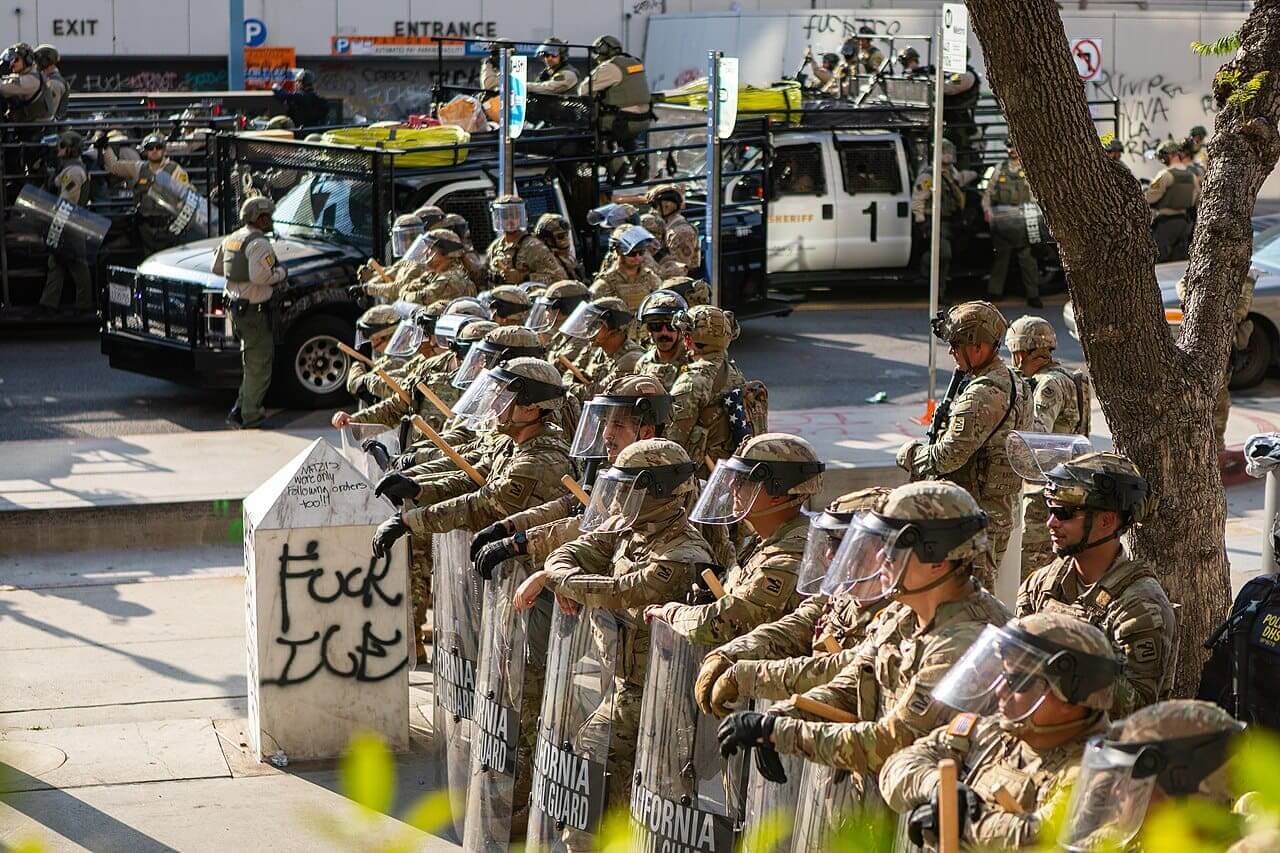
Video recordings of police brutality and police shootings have sparked public outrage and widespread calls for reform and justice. These incidents have also led to renewed advocacy for hate crime prevention and a broader reevaluation of policing in the United States.
Specific events, such as the death of George Floyd, have ignited protests and outrage across the country. However, efforts to reform policing have repeatedly faced resistance from powerful police unions and pro-police politicians.
Addressing these issues requires a comprehensive approach, including changes to officer training, stronger oversight and accountability measures, and a sustained effort to build trust between law enforcement agencies and the communities they serve.
2. Voting Rights Violations

Denial of voting rights is a civil rights violation that continues to occur in the United States today. Republican politicians and GOP-controlled state legislatures have engaged in sustained efforts to make voting more difficult. When voting rights are violated, it is often because a political party or powerful government entity passes laws or alters election infrastructure in ways that make it extremely difficult or, in some cases, nearly impossible for eligible voters to cast a ballot.
Voter suppression tactics, including restrictive voter ID laws, gerrymandering, and changes to voting access, undermine the democratic process and erode the principle of equal representation.
These efforts frequently target minority and low-income communities, creating significant barriers to participation in elections. Common tactics include removing ballot drop boxes, making it harder for voters who rely on vote-by-mail to return their ballots. When only a limited number of drop boxes are available, they often fill up quickly, preventing additional ballot drop-offs until election offices are able to empty them.
Another common tactic is the closure of polling locations. Fewer polling places result in long lines, sometimes stretching for hours, causing voters to leave without casting a ballot because they must return to work, care for family members, or attend to other responsibilities. When polling place closures are combined with reduced ballot drop boxes, lines move even more slowly, further discouraging voter participation.
These actions disproportionately impact marginalized communities by limiting access to polling locations, purging voter rolls, and imposing strict voter identification requirements. Together, these measures undermine equal representation and weaken the integrity of the electoral system.
Safeguarding voting rights is essential to a functioning democracy. This requires comprehensive legislative reforms, robust oversight, and public awareness campaigns to ensure every eligible voter can participate without unnecessary obstacles.
The Supreme Court’s conservative majority has steadily chipped away at the Voting Rights Act, making continued vigilance critical. Protecting democracy means standing up and pushing back against any attempt to prevent citizens who have the legal right to vote from exercising that right.
Education, public awareness, and legal action remain key tools in the fight against voting rights violations. By empowering people with knowledge of their rights and mobilizing collective action, we can move toward a more inclusive and equitable democracy. Every eligible citizen deserves the ability to vote freely, without interference or discrimination.
3. Gender Discrimination
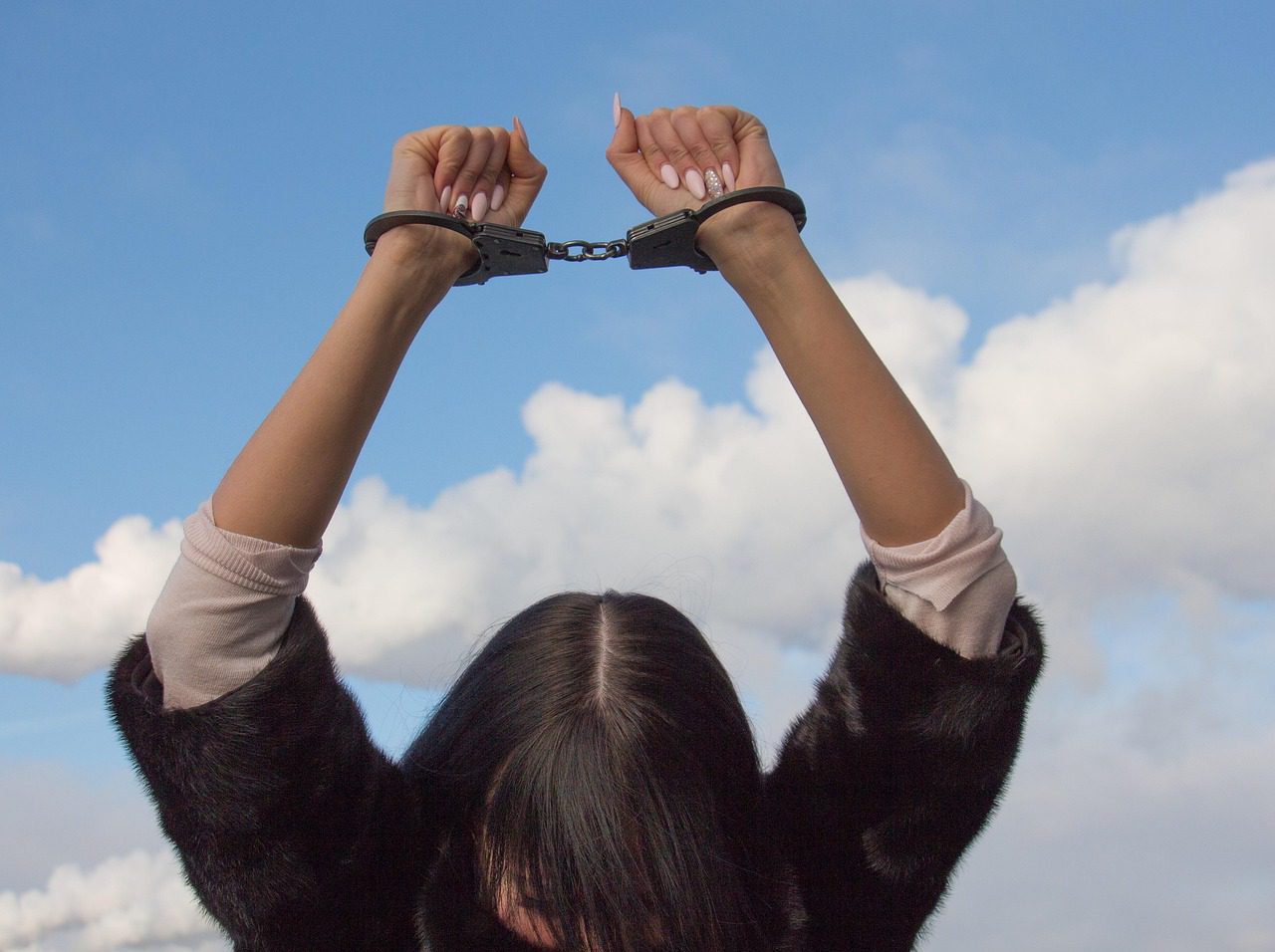
Gender discrimination remains a serious problem in the United States. Despite progress toward gender equality, significant disparities persist across many areas of society. Women continue to face wage discrimination, earning less than their male counterparts for the same or similar work.
This wage gap is even wider for women of color, highlighting the intersectional challenges that compound gender-based inequality.
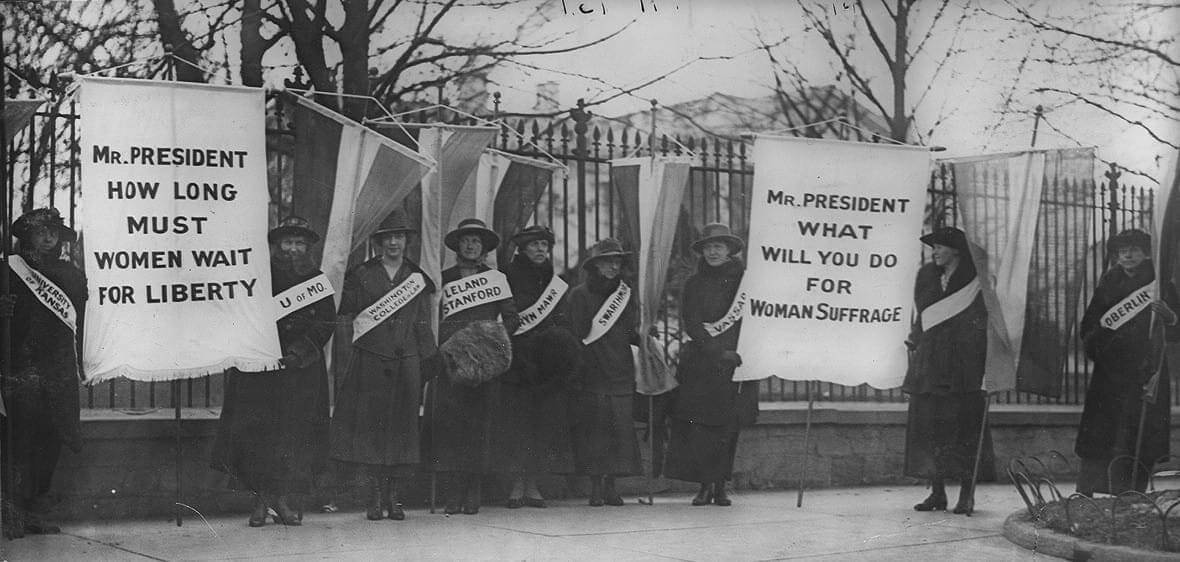
The women’s suffrage movement fought relentlessly to secure the right to vote. Throughout history, women had to fight simply to gain the same rights men already possessed at the time. That struggle is not confined to the past. Today, those rights remain under pressure as a culture of misogyny continues to grow. This culture is reinforced from the top down, through misogynistic rhetoric and behavior by the President of the United States, his allies, and influential figures such as Andrew Tate.
The overturning of Roe v. Wade was a major blow to women’s rights in the United States. In several Republican-controlled states, women have lost the right to bodily autonomy. As a result of strict abortion bans, some women have been denied lifesaving medical care, and lives have been lost.
In some cases, women have even been charged after suffering miscarriages, accused of attempting to end their pregnancies themselves.
Civil rights violations occur in America every day, and the situation continues to worsen under an authoritarian administration in the White House that shows little regard for the Constitution or for the rights of half the population.
Visit the explainer tag archive to find more educational content.