

Progressive politics has become a real force in recent years, fueled by people who are fed up with social, economic, and environmental injustice — and ready to do something about it.
The progressive movement didn’t come out of nowhere. It has deep roots in decades of activism, but it’s picked up serious steam recently because more and more people — especially those who’ve been ignored or left behind — are demanding better.
- Challenging the Status Quo
- Criminal Justice Reform
- Money in Politics — Corruption
- Progressives vs. the Establishment
- Fighting for Social Justice
- Driving Policy Reforms
- Grassroots Mobilization and Activism
- Intersectionality and Inclusive Movements
- How Progressive Politics Changed Media
- Pop Culture
- Overcoming Resistance and Setbacks
- The Future of Progressive Politics
- FAQs
So what is progressive politics, really? It’s about fighting for social, economic, and environmental justice. It’s about calling out the systems and institutions that keep inequality, discrimination, and oppression alive — and pushing for real solutions, not band-aids.
That message hits home for a lot of people who’ve spent their whole lives watching the system work against them.
The reason progressive politics connects with so many people is simple: it centers the voices of those who’ve been pushed to the margins. It fights for policies that actually move us toward a fairer, more inclusive society.
Whether we’re talking about racial inequality, gender discrimination, the wealth gap, or the climate crisis, progressive movements keep pushing the conversation forward — past what the political mainstream says is “realistic.”

Key Points
- Progressive politics challenges the status quo and fights for social justice.
- It drives real policy reform and powers grassroots activism.
- It’s had a big impact on media and culture — but it’s also faced serious pushback.
- Despite the setbacks, progressive politics keeps shaping the future of social change.
- The future of the movement is focused on intersectionality and building inclusive coalitions.
Challenging the Status Quo
Progressive politics is, at its core, about refusing to accept “this is just how things are.” Progressives look at the current systems — criminal justice, healthcare, economics, politics — and see structures designed to protect the powerful, not the people.
So they push for change. Not small tweaks. Real, structural change.
Criminal Justice Reform
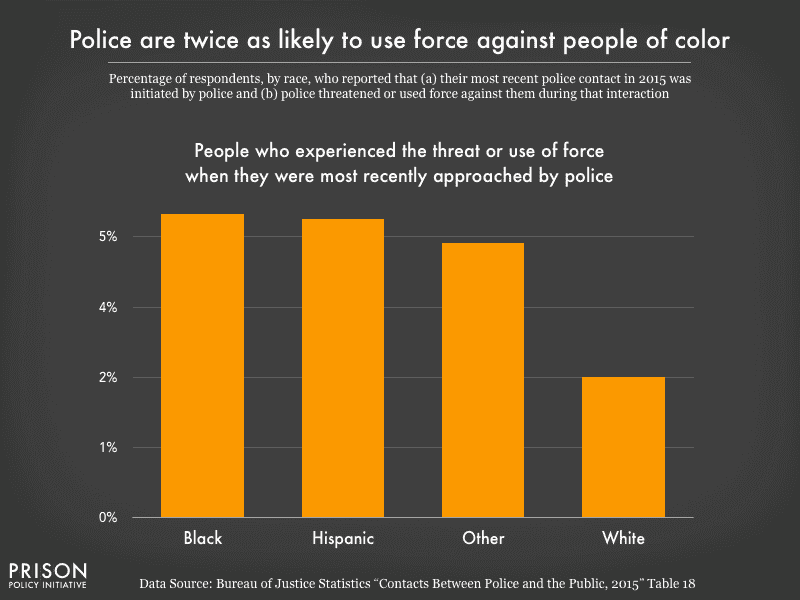
The Black Lives Matter movement is a perfect example. BLM is fighting for reforms to a systemically racist criminal justice system where Black men are killed by police at rates that should shock everyone.
And these killings happen in a country with a mass incarceration problem that’s unlike anything else on the planet. People of color are locked up at disproportionately higher rates.
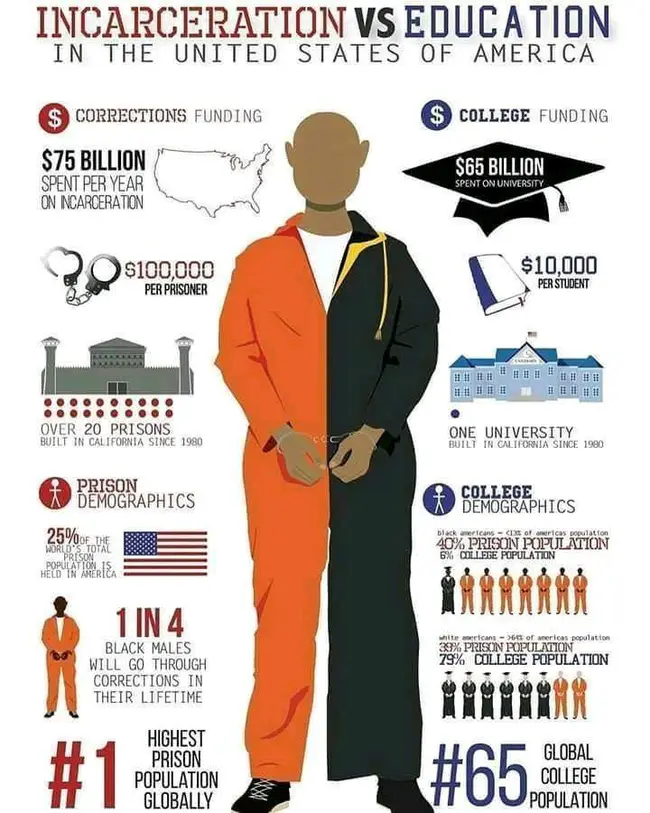
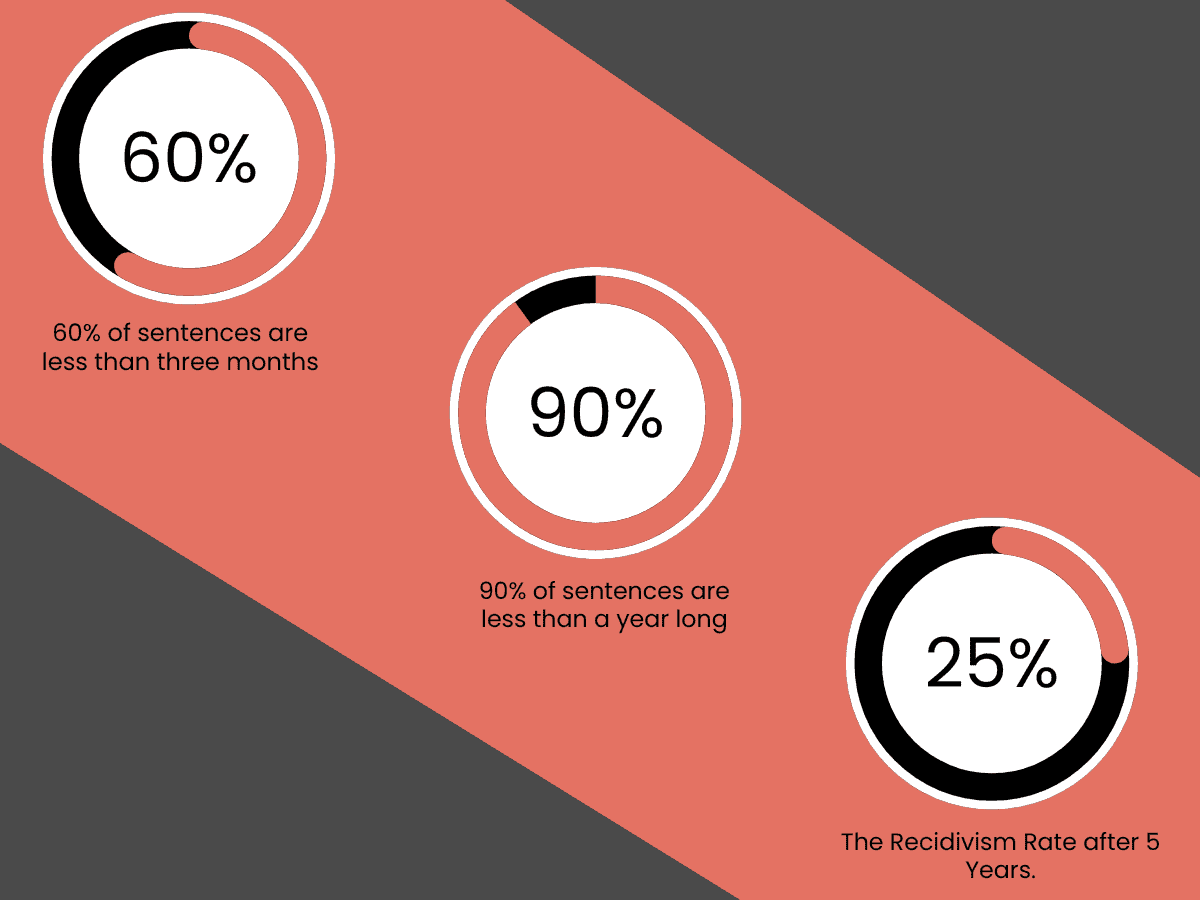
Instead of doing what’s been proven to work, the U.S. criminal justice system doubles down on punishment over rehabilitation. That’s why recidivism rates are so high — people leave prison, can’t rebuild their lives, and end up back inside.
The whole approach is backwards. Instead of pouring money into building more prisons, we should be investing in understanding why people commit crimes in the first place. Education would be a great starting point.
Look at Norway. Lower crime rates. Fewer people incarcerated. Lower recidivism. Their prisons look more like group homes than the dungeons we’ve built in the American system.
In our article on mass incarceration in America, we talk about why capitalism has no business running a criminal justice system (or a healthcare system, for that matter).

The incentives are broken. Private prisons exist to make money. How does a prison make more money? Lock up as many people as possible and cut costs by slashing the quality of food, healthcare, and living conditions.
Money in Politics — Corruption
Getting money out of politics is one of the biggest priorities for the progressive movement. The corruption is right out in the open — donors and lobbyists dump massive amounts of cash on politicians to influence how they vote.
AIPAC and the Israel lobby have been in the spotlight a lot, especially since the war in Gaza. AIPAC has been funneling money to candidates running against members of Congress who dared to tell the truth about what’s happening to Palestinians in Gaza and the West Bank.
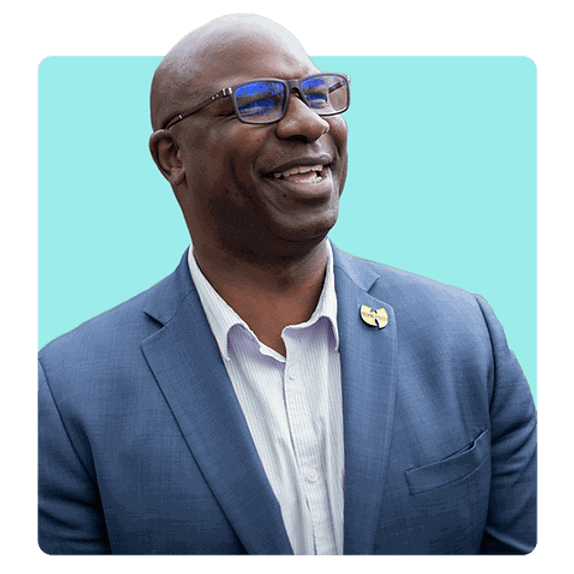
Progressives in Congress who committed the “unforgivable sin” of calling for a ceasefire to stop the killing of innocent Palestinians? They found themselves facing primary challengers backed by millions in AIPAC money.
That wasn’t a coincidence. AIPAC specifically targeted progressives by flooding their opponents with cash — all because those progressives criticized the Israeli government.
Progressives vs. the Establishment
The progressive push to get money out of politics, improve the lives of working people, and stand up for human rights puts them directly at odds with the political mainstream. Their ideas get dismissed as “too radical” or “unrealistic.” Corporate media often goes after progressive candidates to help the establishment-friendly Democrat win.
But progressives don’t quit. They believe the status quo is unacceptable and that bold action is the only way to fix the root causes of the problems we face.
They’re not interested in half-measures. They want to reshape the political, economic, and social landscape — challenging corporate power, dismantling systemic racism, and transforming how we produce energy and move people around to address the climate crisis.
By pushing what’s considered “possible,” progressive movements create space for a more fair, sustainable, and just society.
Fighting for Social Justice
At the heart of it all is a commitment to social justice. Progressives understand that the systemic problems in our society — inequality, discrimination, oppression — can’t be fixed with small adjustments. You have to go after the root causes.
That means lifting up the voices and stories of people who’ve been ignored. It means making sure the needs of marginalized communities aren’t an afterthought — they’re the priority.
The protests calling for peace and an end to the years-long slaughter of Palestinian women and children in Gaza are a powerful example.
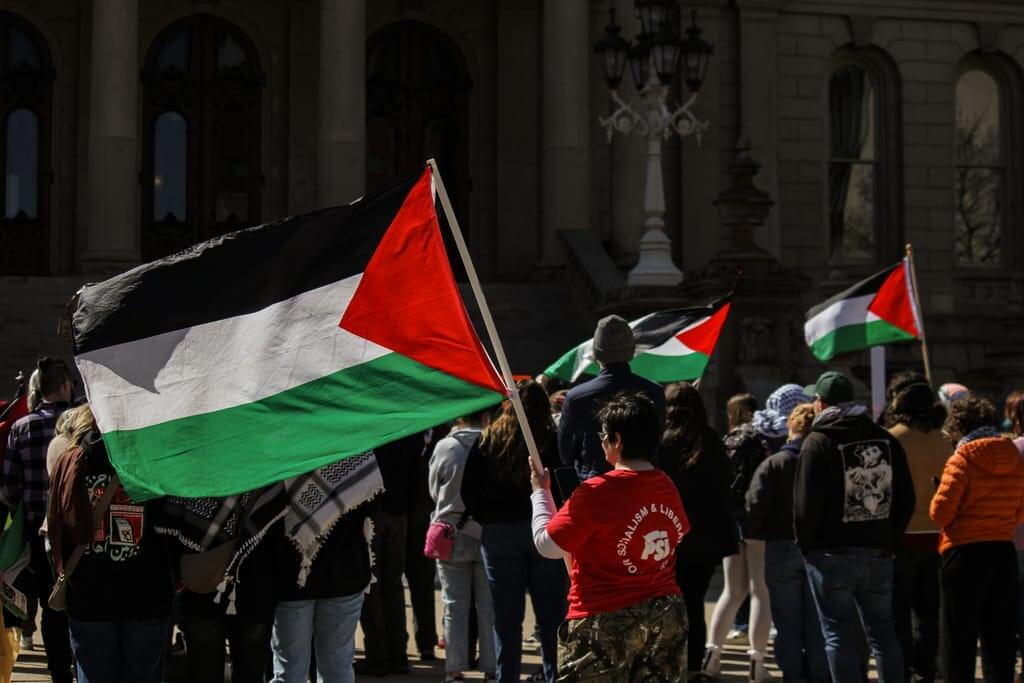
Progressive movements are often leading the charge on racial, gender, economic, and social inequality. They push for reforms that tear down systemic barriers, open up access to resources and opportunities, and give marginalized people real power in political, economic, and social life.
This approach recognizes that different forms of oppression are connected — and that you can’t fix one without addressing the others.
Driving Policy Reforms
Progressive politics isn’t just about calling things out — it’s about getting things done. Progressives know how important it is to shape legislation and the policy agenda. They use collective power and grassroots energy to push for real change on issues like healthcare, education, environmental protection, and labor rights.
That means engaging with lawmakers, lobbying for progressive bills, and building the kind of grassroots pressure that politicians can’t ignore.
Is the path to reform easy? No. There are powerful interests fighting to keep things exactly as they are. But progressives keep at it — winning victories, even when those victories come in inches.
One thing worth noting: peaceful protests can attract outside agitators who give the opposition exactly the ammunition they need to call an entire movement “violent.”
People on the Left push for political change through protests and democracy (voting). They’re against political violence and are quick to call out anyone in the movement who crosses that line.
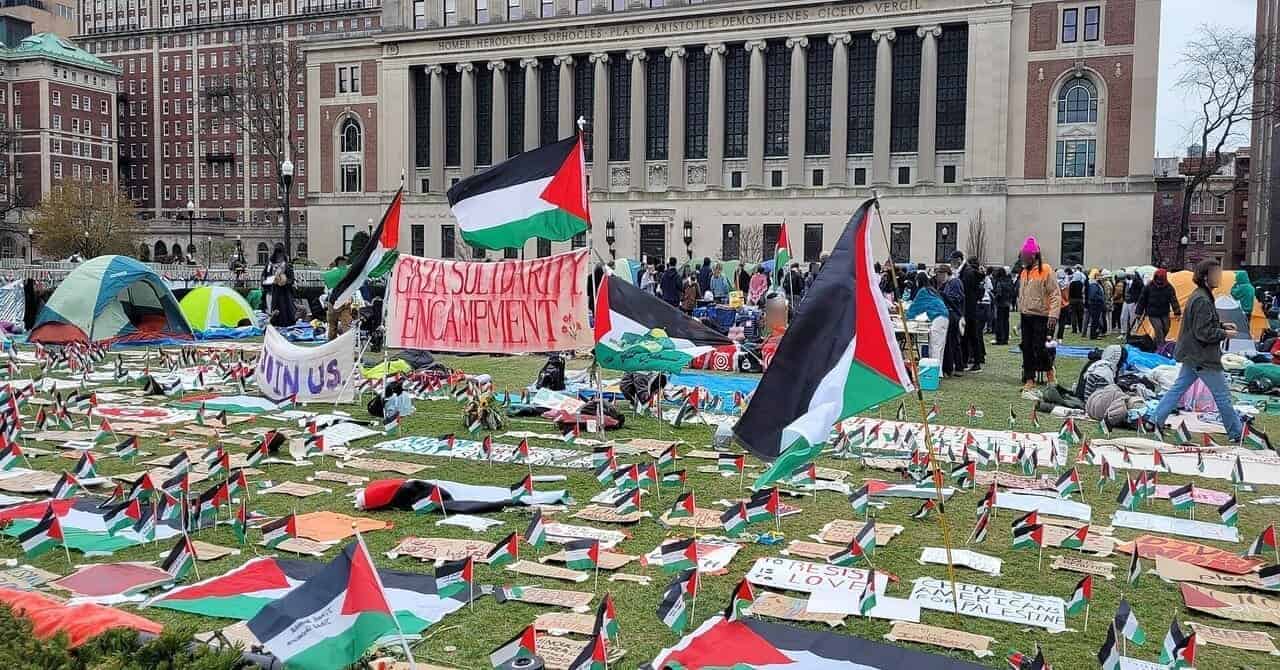
The college campus protests were a textbook example. Most of the students protesting Israel’s genocide in Gaza were Jewish. Counter-protesters (pro-Israel) attacked the students by throwing fireworks into their encampments, tearing down barriers, and physically assaulting people who were calling for peace.
Campus security stood there and watched. When police finally showed up, they arrested the peaceful protesters while the people who started the violence walked away without consequences.
In the end, it was a coordinated effort — media, politicians, college administrators — all working to demonize students protesting for peace while supporting students counter-protesting on behalf of Israel.
When they stay peaceful, protests work. They influence policy, shift the conversation, and translate ideals into real-world change that improves lives.
Grassroots Mobilization and Activism
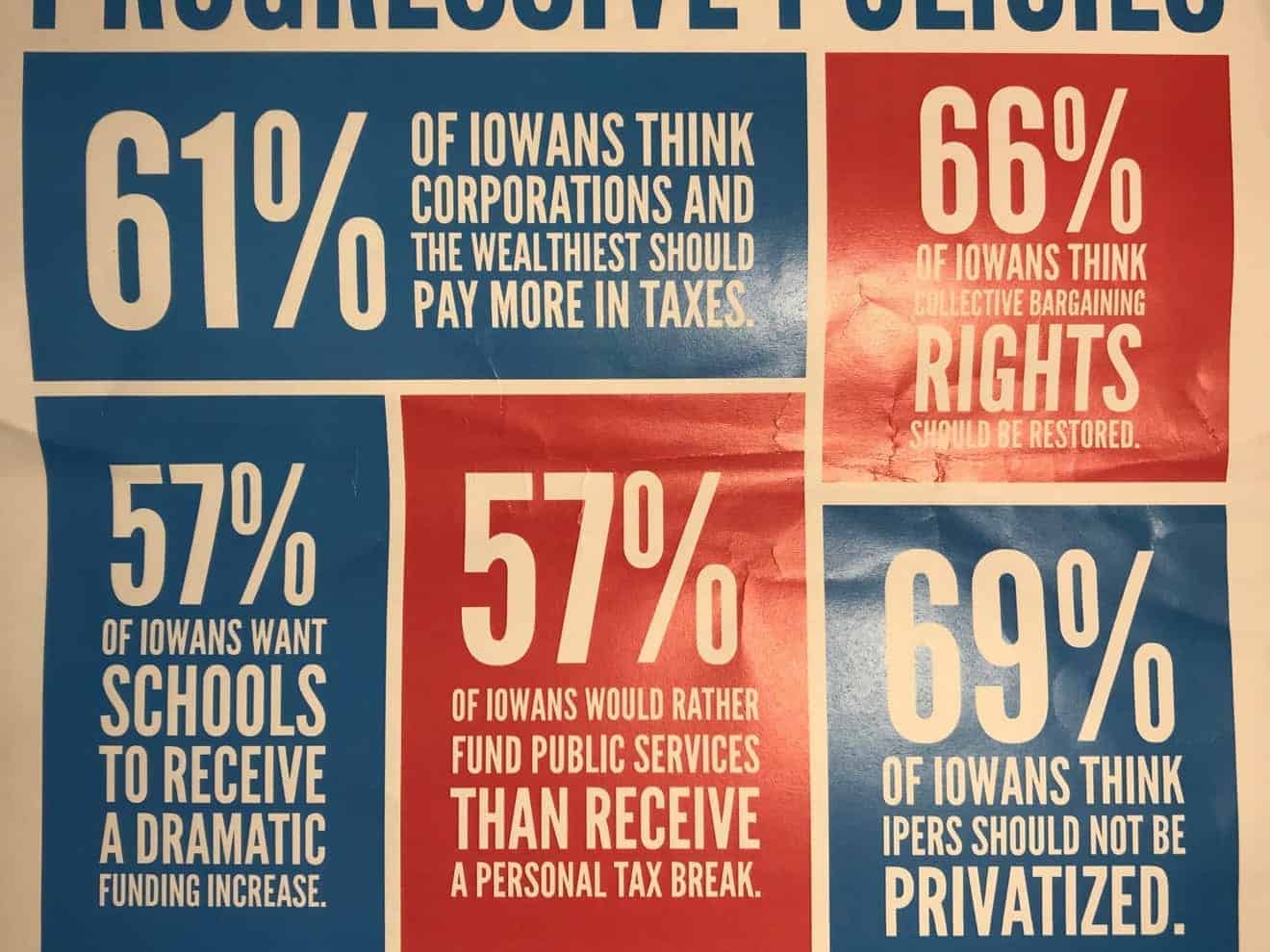
Grassroots organizing is the engine of progressive politics. It’s how marginalized voices get amplified and how political pressure gets built.
Through protests, civil disobedience, and direct action, progressive organizers raise awareness, build coalitions, and demand accountability from people in power.
This isn’t just about making noise. It’s about getting regular people involved in the political process — turning them from spectators into participants who help shape the future of their communities.
By tapping into the collective power of individuals and communities (like the one at Resist Hate), progressive movements can challenge entrenched power and create real conditions for change.
The grassroots response to the Supreme Court overturning Roe v. Wade was remarkable.
Men4Choice is a great example — a group started by a young man who realized that when he actually talked to men about how the loss of abortion rights affected them and the women in their lives, they got fired up. Once a man got it, he went to talk to other men about it. It was a chain reaction.
The founder talks about “permission structures” — his organization built one that makes men feel comfortable joining women in the fight for abortion rights.
The same idea works across the aisle. Groups like Republicans For Harris and Lincoln Project created permission structures that made Republicans feel okay voting for a Democrat.
Intersectionality and Inclusive Movements
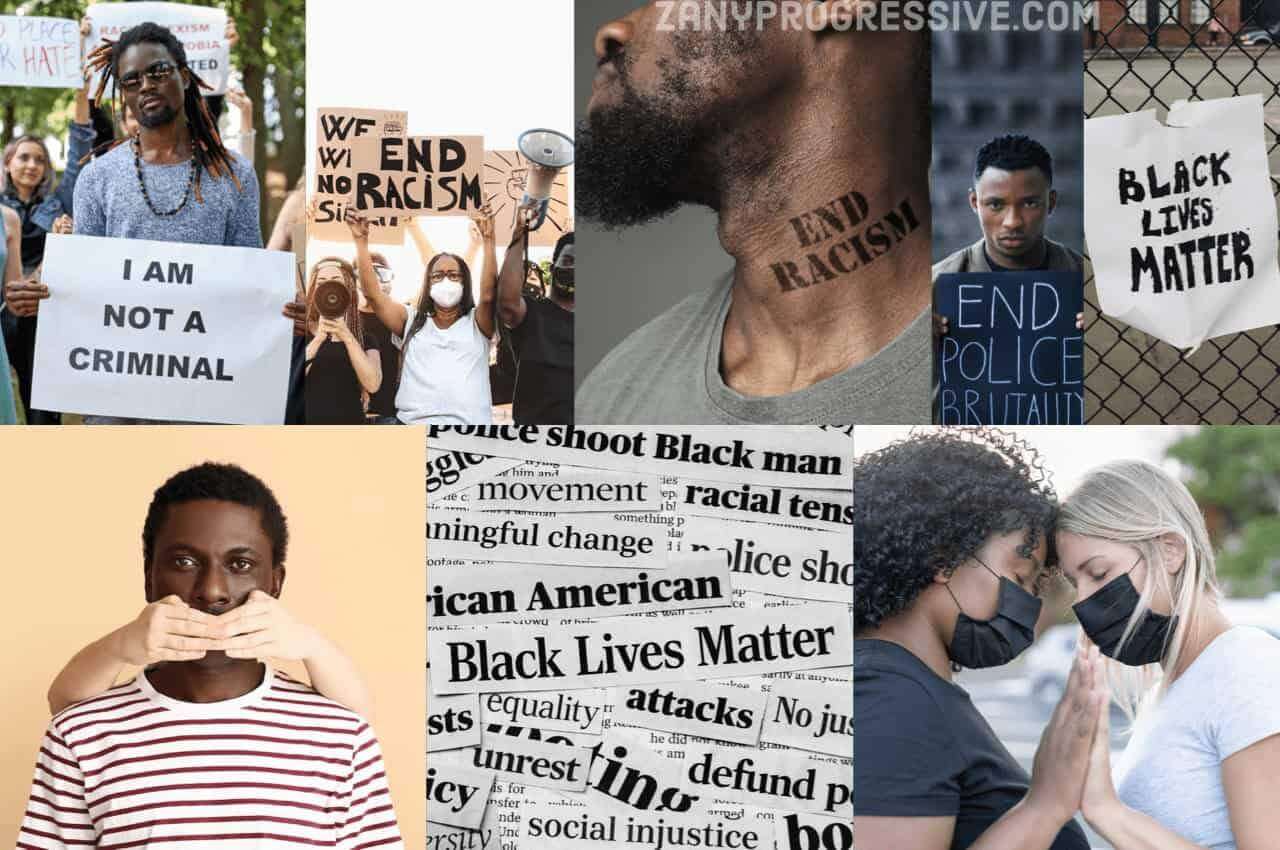
Progressive politics is built on the understanding that different forms of oppression are connected. That’s intersectionality — the recognition that race, gender, class, sexuality, disability, and other identity markers don’t exist in silos. Addressing one form of oppression means addressing them all.
Real justice can’t happen unless you center the most marginalized and vulnerable people. That means actively making movements representative and inclusive, amplifying voices that have been shut out.
When diverse communities come together, the movement becomes stronger. The struggles are connected, and collective action and solidarity are how you win.
Progressives also hold themselves accountable — constantly examining their own biases and blind spots and working to make their own spaces more equitable.
How Progressive Politics Changed Media
The rise of progressive politics has reshaped media and culture in a big way.
Progressives have challenged the dominance of mainstream outlets that tend to push limited or biased perspectives. Through alternative media, social media, and grassroots communication, they’ve been able to tell their own stories, challenge dominant narratives, and spotlight the experiences of marginalized communities.

Independent news shows on YouTube give the pro-democracy movement a platform to report the facts without being beholden to a political party or corporate donors. They have the freedom to be honest in ways corporate media just can’t.
Think about it: no host on mainstream TV is ever going to ask a politician about the money they took from a corporation or lobbying group. If a Senator votes “NO” on a bill to lower drug prices, nobody on cable news is going to ask how much money they got from Big Pharma.
If they did, the corruption would be impossible to ignore.
Pro Tip: Want to see the corruption for yourself? Keep two websites bookmarked. Congress.gov lets you look up any bill and see how every member of Congress voted. OpenSecrets.org shows you who’s donating to any politician and how much they’re giving.
Put them together, and you’ve got receipts. Show your friends that their Senator voted against gun safety legislation and that their top donor is the NRA. It makes the connection between money and votes impossible to deny.
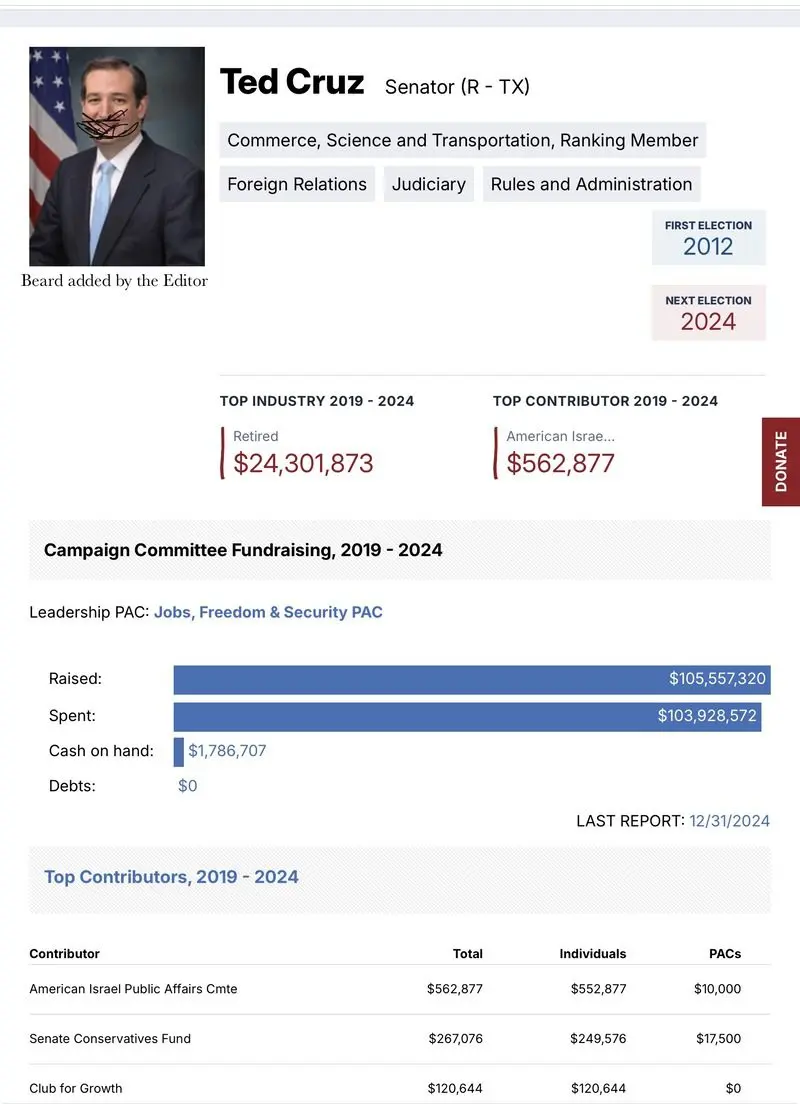
Yes, politicians taking fossil fuel money will vote against renewable energy legislation. Politicians bankrolled by the gun lobby will kill any common-sense gun reform. It’s that simple.
Money in politics is blatantly obvious once you start looking, but people who only get their news from legacy media might never realize how badly it’s rigging the game. They may have no idea why the person they voted for is consistently voting against their best interests.
Pop Culture
Progressives have had an influence on pop culture too — from art and entertainment to fashion and sports. Progressive movements have helped shape the cultural conversation, challenge old norms, and push for more diversity, representation, and social consciousness.
This cultural influence raises awareness, shifts how people think, and gives progressive organizers a way to connect with bigger audiences and build momentum.
Overcoming Resistance and Setbacks
None of this has been easy. Progressives have faced fierce resistance from powerful interests, well-funded opposition, and a political system that’s built to protect the status quo.
One of the biggest lessons? Build strong, diverse coalitions. When different communities and organizations work together — sharing resources, strategies, and power — the movement becomes harder to stop.
Progressives have also learned to be adaptable. The tactics that worked last year might not work today. That means shifting messaging, finding new ways to engage, and getting creative when the usual paths are blocked.
And they’ve learned that this is a long game. Setbacks are going to happen. What matters is staying committed to the core values and learning from every experience.
The Future of Progressive Politics
The path forward isn’t going to be smooth, but there’s a lot of reason for optimism.
Intersectionality is becoming more central to the movement — the growing recognition that social, economic, and environmental justice issues are all tangled together.
There’s also a stronger push for systemic, structural reform — not just incremental changes that don’t really fix anything.
The future of progressive politics comes down to whether these movements can keep their momentum, adapt to new challenges, and continue building the coalitions needed to drive real change.
By staying true to the core values of justice, equity, and inclusion — and by showing up, together, again and again — progressive movements have the power to reshape politics and society for the long haul.
FAQs
What is progressive politics?
Progressive politics is a political ideology that pushes for social, political, and economic reform. It focuses on issues like social justice, equality, environmental sustainability, and human rights.
How does progressive politics drive social change?
By fighting for policies that address systemic inequalities, promote diversity and inclusion, and support marginalized communities. That can lead to new laws, regulations, and shifts in social norms that move us toward a more fair society.
What are some examples of progressive policies?
Universal healthcare, affordable housing, living wage laws, environmental regulations, and anti-discrimination protections. These are designed to close social and economic gaps and promote the well-being of everyone — not just the people at the top.
What role does progressive politics play in addressing climate change?
A big one. Progressives prioritize environmental sustainability and push for policies like renewable energy investment, carbon pricing, and conservation to fight climate change.
How does progressive politics influence international relations?
Progressives promote diplomacy, human rights, and global cooperation. They also advocate for foreign aid, refugee resettlement, and efforts to address global poverty and inequality.