
As civil liberties are under attack, our First Amendment rights are more important than ever before.
We must all stand up for the right to free speech, even when we disagree, because it will eventually affect all of us.
Granting a government the power to censor one group empowers it to silence any voice it deems undesirable.
Protected speech must remain protected.
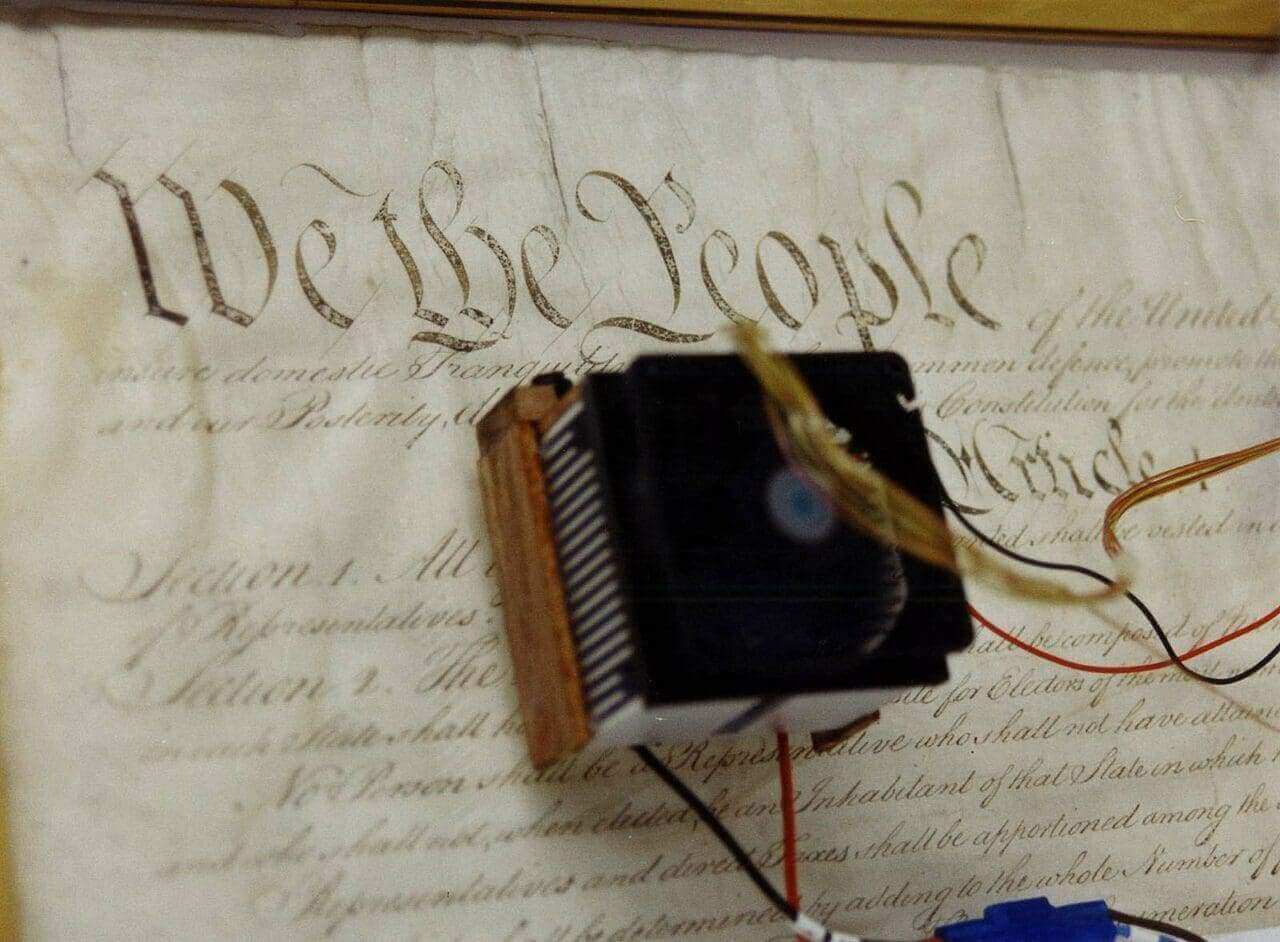
The First Amendment of the United States Constitution stands as a cornerstone of American democracy. It consists of the essential freedoms of all Americans.
Ratified in 1791, it guarantees five fundamental freedoms: freedom of speech, religion, the press, assembly, and petition.
Understanding the framers’ intent and the historical context behind the First Amendment helps us better appreciate these rights.
Historical Context
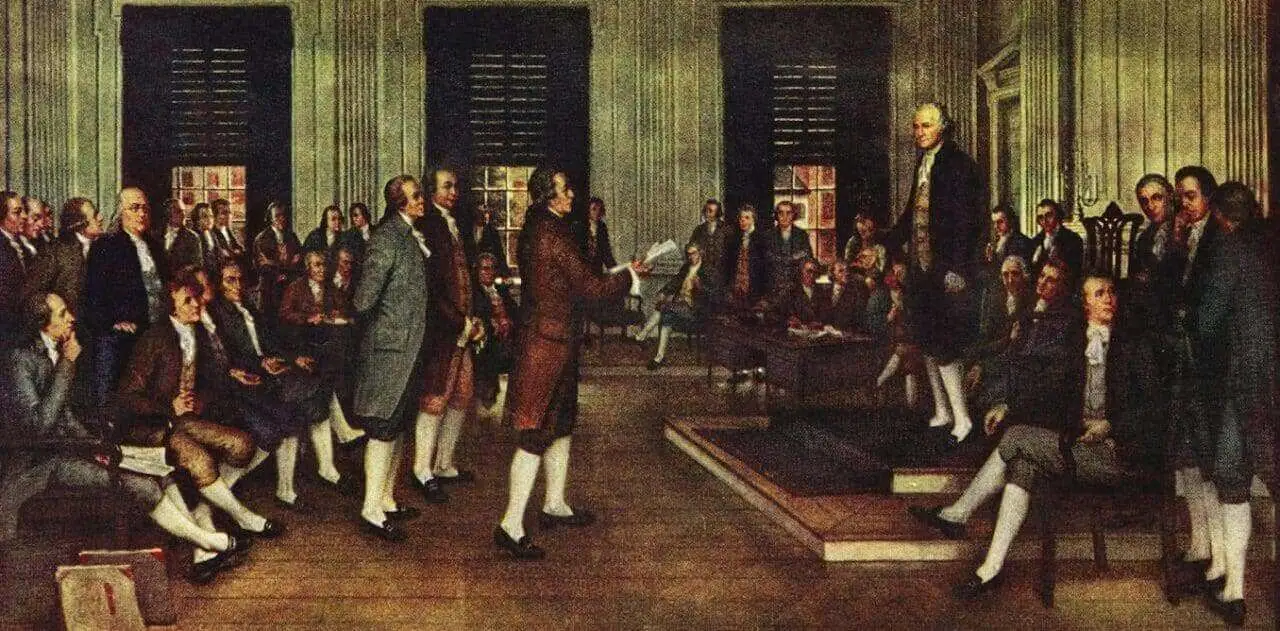
To fully appreciate the First Amendment, we have to consider the historical backdrop of the late 18th century.
The framers of the Constitution were influenced by Enlightenment thinkers like John Locke and Voltaire, who championed individual liberties and the pursuit of truth.
The colonial experience under British rule, marked by censorship and suppression of dissent, further underscored the need to protect freedom.
The First Amendment emerged from a desire to ensure that future generations would not face the same tyrannies that stifled expression and belief.
This historical context not only shaped the language of the amendment but also its application. The framers understood that a healthy democracy relies on the free exchange of ideas.
They sought to create a legal framework that would allow citizens to voice their opinions, challenge government actions, and actively participate in the democratic process.
Framers’ Vision
The framers envisioned the First Amendment as a safeguard against the encroachment of government power on individual liberties.
They believed that a well-informed population was essential to the functioning of democracy.
By enshrining these freedoms, they aimed to create a society where citizens could engage in vigorous debate and dissent without fear of retribution.
This vision was not merely theoretical; it was a response to their experiences with autocratic rule.
The framers acknowledged that these rights might sometimes conflict with one another.
Consequently, they designed the First Amendment to provide a framework for balancing these freedoms, recognizing that the rights of individuals to express themselves and practice their beliefs must coexist with the rights of others.
This delicate balance remains a central theme in discussions surrounding the First Amendment to this day.
The 5 Fundamental Rights
Freedom of Speech
Freedom of speech is perhaps the most celebrated right of the First Amendment. It protects individuals’ rights to express their thoughts, opinions, and feelings without government censorship.
This freedom allows for the open exchange of ideas, essential for a functioning democracy.
It encompasses not only spoken and written words but also symbolic speech, such as protests and artistic expressions.
While this freedom is powerful, it’s not absolute. The Supreme Court has recognized certain categories of speech that can be restricted, such as incitement to violence, obscenity, and defamation.
These limitations reflect the ongoing challenge of balancing individual freedoms with the interests of society, particularly in cases where speech might harm others.
Freedom of Religion
The freedom of religion guarantees individuals the right to practice their faith without government interference. This includes both the right to believe and the right to act on those beliefs, provided that such actions do not infringe on the rights of others.
The framers’ commitment to religious liberty was influenced by their desire to escape the religious persecution prevalent in Europe at the time.
This freedom has been the subject of numerous Supreme Court cases, particularly in disputes regarding the separation of church and state. The Establishment Clause and the Free Exercise Clause together ensure that the government neither establishes a religion nor impedes the free practice of religion.
Republicans have passed legislation in states like Oklahoma and Louisiana that defied the separation of church and state. A Louisiana law requiring every school to post the Ten Commandments was struck down by a judge. In Oklahoma, legislation was put forward that required a copy of the Bible in every school classroom.
President Trump’s claim that anti-Christian bias is a major issue isn’t accurate. Christian Nationalism is on the rise in the Republican Party.
Project 2025 includes several sections dedicated to policies based entirely on Christian beliefs.
Freedom of the Press
The freedom of the press is integral to a democracy, providing a check on government power and allowing for the dissemination of information and ideas.
This right protects journalists and media organizations from censorship, enabling them to report on matters of public interest and hold those in power accountable.
The Trump Administration challenged the freedom of the press when it banned the Associated Press from White House press briefings for using the name “Gulf of Mexico” instead of President Trump’s mandated name: “Gulf of America.”
Although Google changed the name of the body of water on Google Maps for users in the U.S., the Associated Press, which provides news to news agencies worldwide, used the internationally recognized name, “Gulf of Mexico.”
More recently, the FBI searched the home of a Washington Post reporter and confiscated her electronic devices.
Like freedom of speech, press freedom is not without limits. Issues such as national security, privacy rights, and defamation can create tensions between the press’s responsibilities and the rights of individuals.
Right to Assemble
The right to assemble allows individuals to gather peacefully for demonstrations, protests, and other forms of collective expression.
This right ensures that citizens can come together to express common interests and advocate for change.
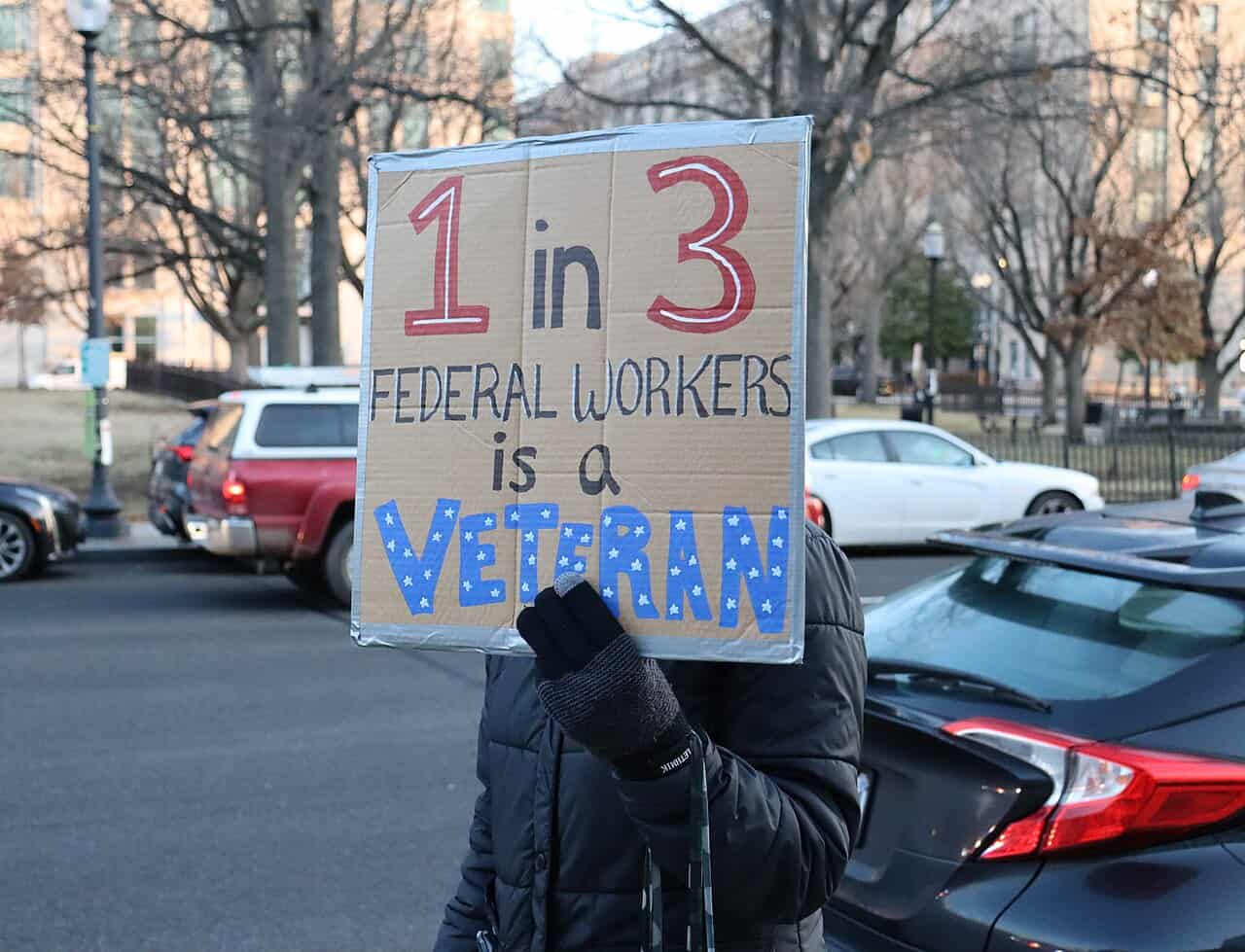
While the right to assemble is fundamental, it is subject to certain regulations. Governments may impose restrictions on the time, place, and manner of assemblies to maintain public order.
However, such restrictions can’t infringe on the core right to gather peacefully for expressive purposes, a principle upheld by the courts throughout American history.
Right to Petition the Government
The right to petition the government allows individuals to make their grievances known. This right empowers citizens to communicate directly with their government, whether through formal petitions, letters, or public demonstrations.
It underscores the belief that government should be responsive to the needs and concerns of its constituents.
This right is often viewed as an extension of the other freedoms enshrined in the First Amendment.
It serves as a reminder that a democracy is a two-way street, where citizens have the power to influence policy and hold their representatives accountable.
One of the main fights Resist Hate is engaged in is getting money out of politics. The corruption of our politicians in Congress has created a situation where they no longer make decisions based on the needs and desires of their constituents.
Instead they make decisions and govern based on the needs and desires of the corporations and billionaires that donate to their campaigns.
The Right to Protest: A Key Component
Protest is a powerful expression of the rights granted by the First Amendment, embodying the spirit of activism and civic engagement.
It is a way for individuals to vocalize dissent and advocate for social change.
Protests throughout American history have played a major role in advancing civil rights, labor rights, and social justice, demonstrating the importance of collective action in shaping public policy and opinion.
Protests vary widely, from peaceful demonstrations to more contentious crowds.
The ability to protest is essential in a healthy democracy, allowing marginalized voices to be heard and challenge the status quo.
They highlight societal issues and mobilize citizens around common causes. They can galvanize public opinion, influence policymakers, and drum up conversation about important issues.
There have been numerous examples of protests leading to major changes in legislation and society.
Potests can also create a sense of community among participants, uniting people across diverse backgrounds in pursuit of a common goal.
This solidarity builds movements that can sustain long-term advocacy and effect change beyond a single event.
Examples of Historical Protests
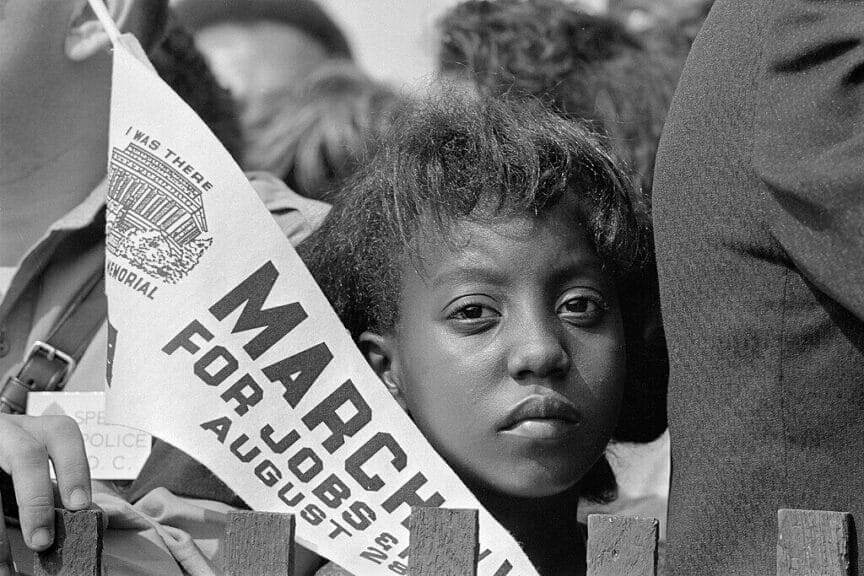
Throughout American history, numerous protests have shaped the nation’s socio-political landscape. The Civil Rights Movement of the 1960s, characterized by peaceful marches and powerful speeches, fought against racial segregation and discrimination.
Notable events like the March on Washington in 1963 exemplified the use of protest to advocate for equality and justice.
Another significant protest was the Women’s Suffrage Movement, which used marches, demonstrations, and lobbying to secure the right to vote for women. The tireless efforts of activists culminated in the passage of the 19th Amendment in 1920, underscoring the effectiveness of organized protest in achieving legislative change.
More recently, movements like Black Lives Matter have highlighted systemic racism and police brutality, demonstrating how protests continue to be a tool in the fight for social justice.
Notable Supreme Court Cases on Freedom of Speech
The interpretation and application of the First Amendment’s guarantees have been shaped by Supreme Court rulings. Several landmark cases have clarified the boundaries of free speech and established precedents that continue to inform legal battles today.
Below is a table summarizing key cases and their outcomes.
| Case Name | Year | Outcome | Significance |
|---|---|---|---|
| Schenck v. United States | 1919 | Established the clear and present danger test for restricting speech. | Signaled limitations on free speech during wartime. |
| Tinker v. Des Moines Independent Community School District | 1969 | Affirmed students’ right to free speech in schools. | Recognized that students do not shed their constitutional rights at the schoolhouse gate. |
| New York Times Co. v. United States | 1971 | Reinforced the principle of prior restraint in press freedom. | Protected the press against censorship in publishing classified information. |
| Brandenburg v. Ohio | 1969 | Protected inflammatory speech, establishing the imminent lawless action test. | Expanded protections for free speech, even when it advocates illegal action. |
| Citizens United v. Federal Election Commission | 2010 | Declared that political spending by corporations and unions is protected speech. | Significantly impacted campaign finance laws and the corrupting influence of money in politics. |
The First Amendment remains an important part of American democracy, providing essential protections that empower citizens to express themselves and participate actively in government. From the freedom of speech to the right to protest, these rights create an environment where diverse ideas can flourish and dissent can be voiced.
The historical context and framers’ vision underscore the importance of these freedoms in safeguarding against tyranny and ensuring a government that is responsive to the will of the people.
By understanding the significance of these rights, we can better appreciate the role they play in our democracy and continue to protect them for future generations.
FAQs
What is the First Amendment?
The First Amendment to the United States Constitution guarantees five fundamental rights: freedom of speech, religion, press, assembly, and petition. It protects individuals from government interference in expressing their beliefs and opinions.
Can the government restrict freedom of speech?
While the First Amendment provides broad protections for speech, the government can impose restrictions in certain circumstances, such as limiting speech that incites violence, constitutes obscenity, or defames another individual.
What is the significance of the right to protest?
The right to protest is essential for democracy, allowing citizens to voice dissent, advocate for change, and mobilize around shared causes. It reflects the active engagement of the population in the democratic process.
How have Supreme Court cases shaped First Amendment rights?
Supreme Court cases have played a major role in interpreting and defining the boundaries of First Amendment rights. Landmark decisions have established precedents that clarify the scope of free speech, press freedom, and the right to assembly.
Why is freedom of religion important?
Freedom of religion ensures that individuals can practice their faith without government interference. It promotes diversity, tolerance, and respect for different beliefs, contributing to a more inclusive society.