
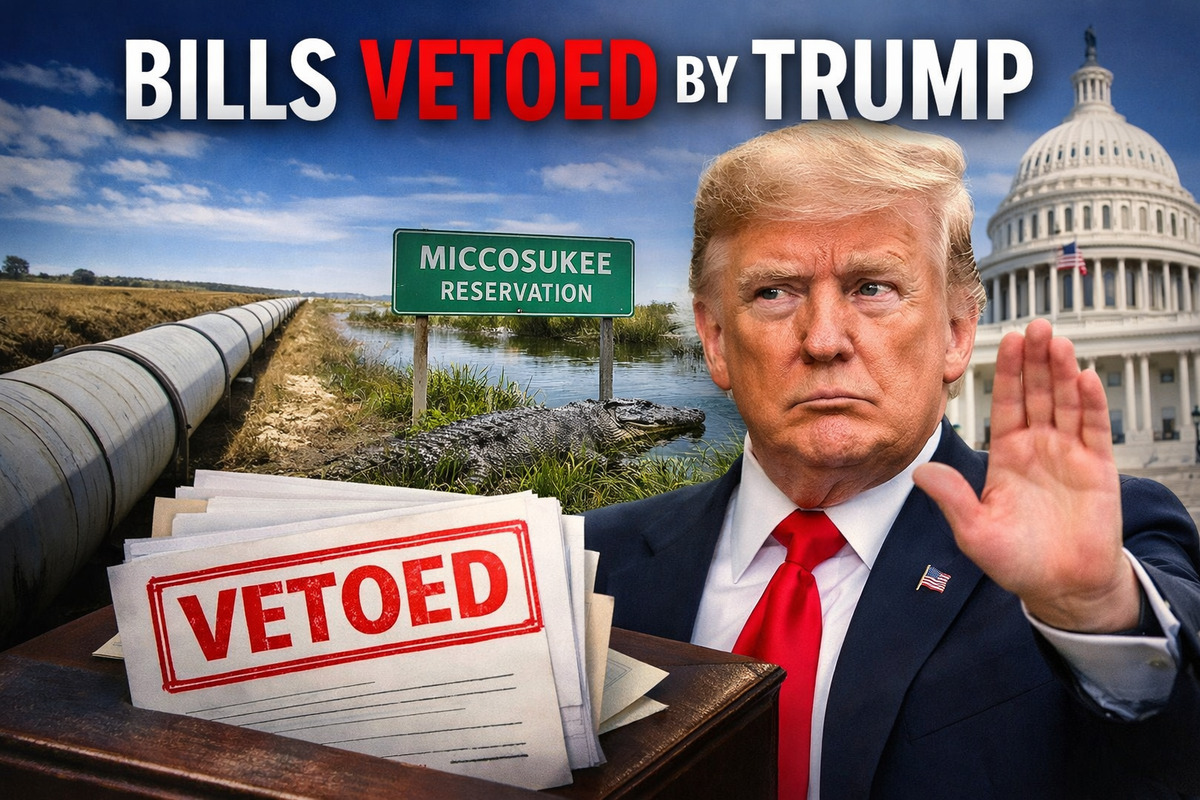
In a move that has shocked both sides of the aisle, President Donald Trump has exercised his veto power for the first time in his second term, blocking two previously bipartisan measures that had sailed through Congress with little opposition.
The bills vetoed by Trump this week include legislation to fund a critical water infrastructure project in rural Colorado and a measure aimed at expanding tribal authority for the Miccosukee Tribe of Florida.
The actions signal a potentially evolving approach to presidential vetoes in the new Congress and have sparked immediate controversy among lawmakers and advocates alike.
Overview of the Bills Vetoed by Trump
The first of the vetoed bills was the Finish the Arkansas Valley Conduit Act, legislation championed by Republican Representative Lauren Boebert of Colorado. The bill would have advanced construction on a long-delayed water pipeline project designed to deliver clean, reliable drinking water to rural communities across Colorado’s Eastern Plains.
This infrastructure effort had won unanimous approval in both the House and Senate, illustrating how rare it was for a bill of this nature to reach the president’s desk without notable partisan resistance.

In his official veto statement, Trump cited concerns that the project’s estimated costs would burden American taxpayers and argued that federal resources should be rescaled toward priorities with more immediate national impact.
However, critics dismissed this rationale, pointing out that much of the funding would have supported communities that have historically lacked adequate access to safe drinking water.
The second bill vetoed by Trump sought to amend the Miccosukee Reserved Area status in Florida, effectively granting the Miccosukee Tribe greater control over lands within and around the Everglades and protecting those lands from environmental threats such as flooding.
This bill also advanced with bipartisan support and was intended to honor long-standing tribal interests in the region.
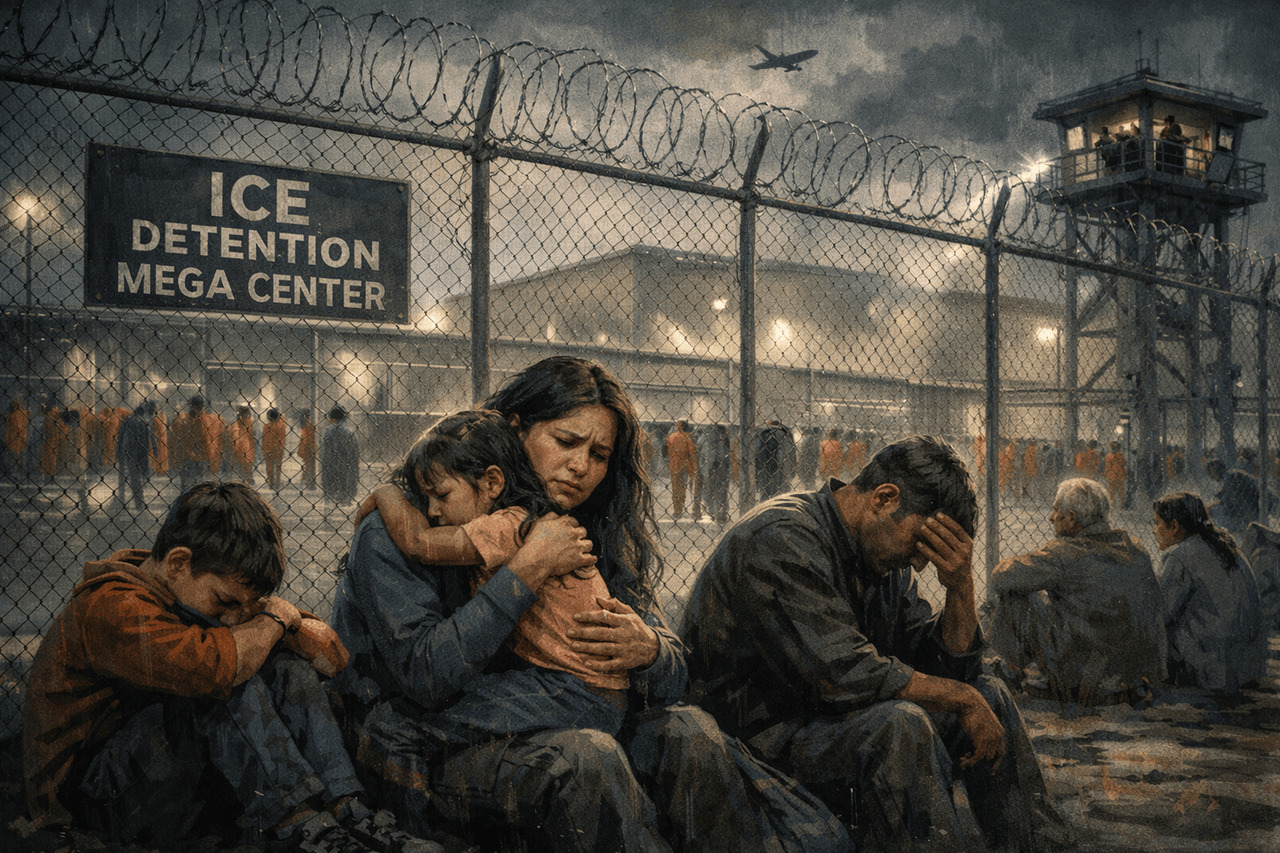
Trump’s veto message on this measure cited disagreements with the tribe’s stance in legal actions against federal immigration policy — particularly involving the controversial detention facility nicknamed “Alligator Alcatraz” in the Everglades — as part of his reasoning for blocking the bill.


Political Backlash and Intra-Party Tensions
The vetoes have reverberated loudly. Representative Boebert, traditionally aligned with Trump’s policy priorities, accused the president of engaging in political retaliation, suggesting her support for releasing the Epstein files may have influenced Trump’s decision to kill the water bill.
Her comments underscore growing tensions among GOP lawmakers about presidential power and intra-party loyalty.
Democratic Senators Michael Bennet and John Hickenlooper of Colorado echoed these concerns, condemning the water bill veto as harmful to rural constituents and framing it as an example of partisan maneuvering coming at the expense of practical solutions.
Combined, these reactions illustrate an expanding rift in Congress over how and when presidential vetoes should be used, especially concerning bills with broad legislative support.
Override Attempts and Implications
Under the Constitution, Congress can attempt to override a presidential veto, but doing so requires a two-thirds majority in both the House and Senate — a steep threshold that is notoriously difficult to achieve, particularly on high-profile bills that divide party lines.
Some lawmakers have already signaled their intent to rally votes for an override, especially on the Arkansas Valley Conduit measure. Success, however, remains highly uncertain.
The outcome of these efforts could set the tone for the remainder of Trump’s term and influence future legislative strategies, especially as midterm election dynamics begin to shift.
Observers will certainly be watching whether Congress successfully mounts override attempts and how these battles over vetoes influence politics in 2026. One thing is clear: the use of the veto power continues to be a critical flashpoint in the balance of power between the presidency and Congress.