

Last Updated on January 24, 2026 by Serena Zehlius, Editor
The Posse Comitatus Act of 1878 and the Insurrection Act of 1807 are two important pieces of legislation in the United States. They both outline the extent to which the military can be inolved in domestic law enforcement and civil disturbances
In light of recent events where the military’s role in civil unrest has come under scrutiny, every American should be aware of the laws surrounding the use of National Guard troops and the military in cities run by Democrats.
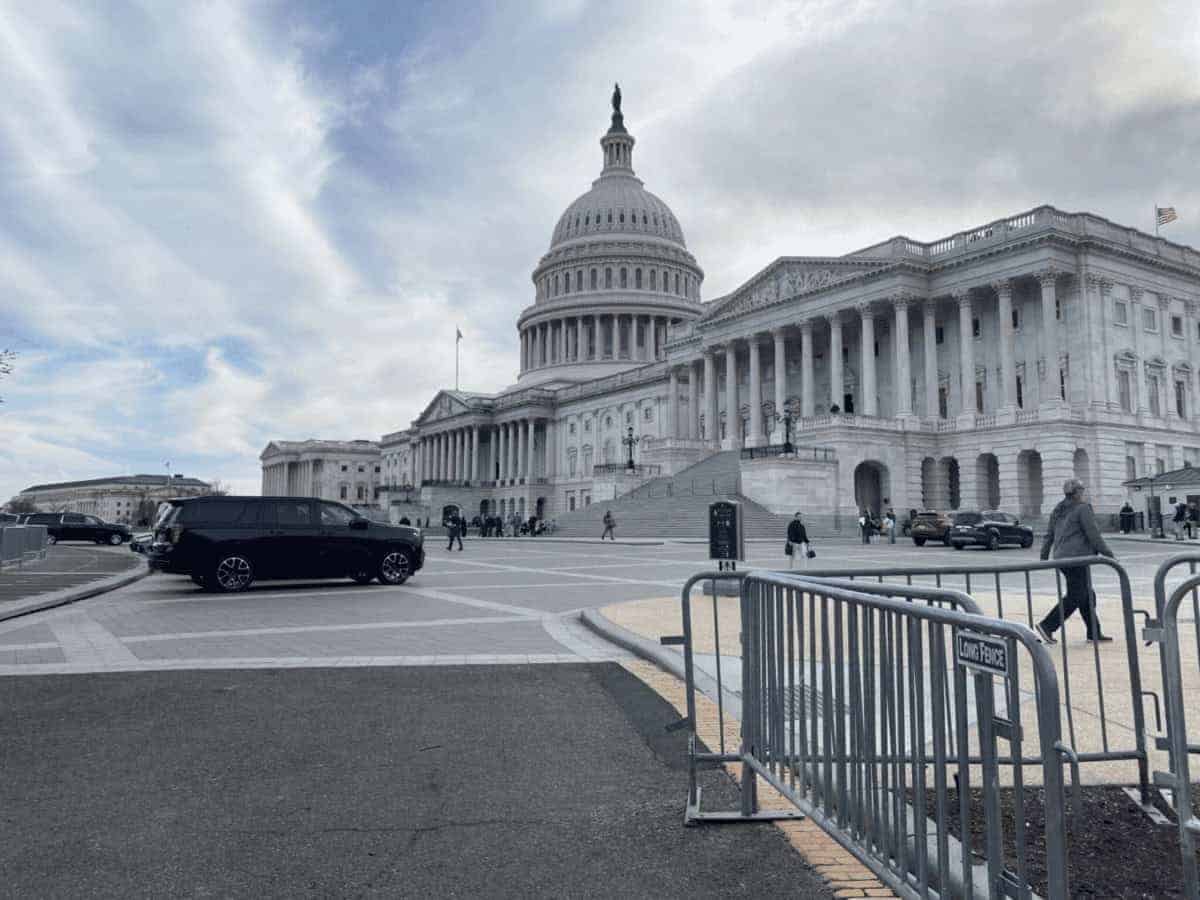
The idea that troops are being deployed to “fight crime” doesn’t pass the smell test (and from what I hear, Trump smells 💩). ICE and National Guard troops in D.C. are gathered in areas that are popular and safe, instead of the areas in D.C. that have a crime problem.
KEY POINTS
- The Posse Comitatus Act prohibits federal military forces from engaging in domestic law enforcement activities without specific legal authorization.
- The Insurrection Act can be invoked when there is significant civil disorder, insurrection, or when local authorities are unable to maintain order and enforce federal laws.
- The National Guard can be deployed for law enforcement purposes under state authority without violating the Posse Comitatus Act. However, once federalized, they are subject to the act’s restrictions.
- Knowing about these laws gives Americans the power that comes from understanding their civil liberties, the law surrounding military involvement in domestic issues, and the balance between security and individual rights.
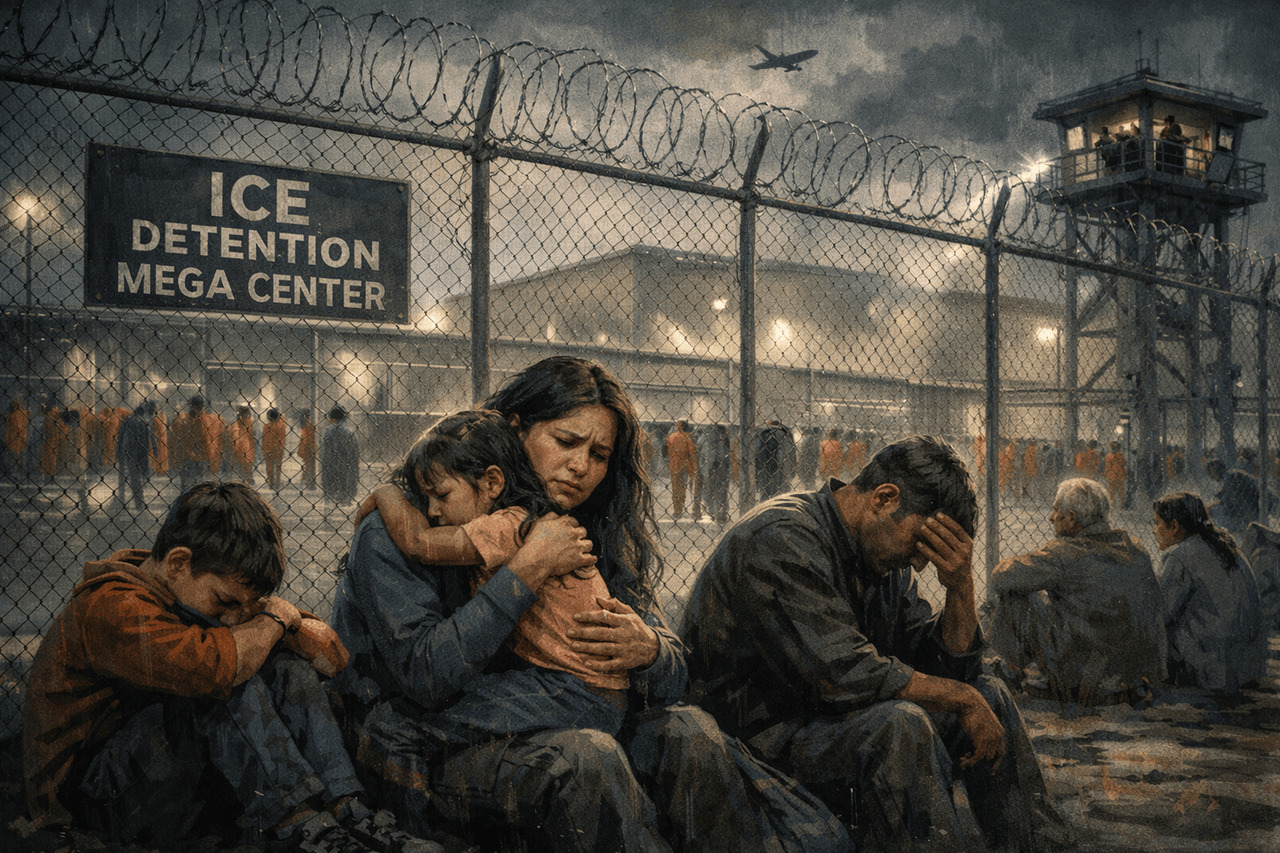
ICE is wreaking havoc in Chicago; shooting priests in the head with pepper balls, detaining US citizens, fining American citizens $130 if they aren’t carrying their “papers,” and shooting pepper spray into the rear vent of an inflatable frog costume.
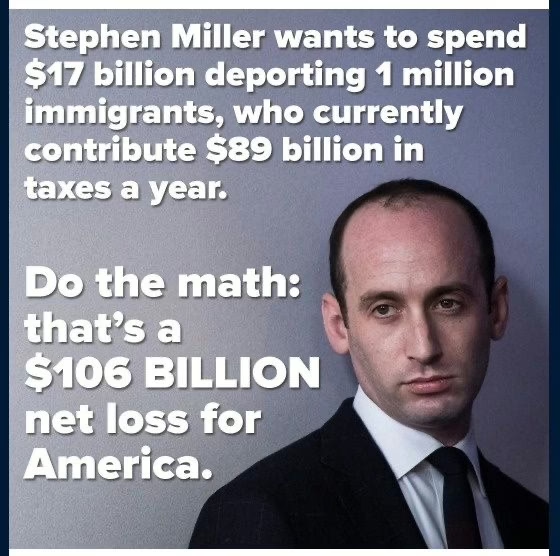
Trump and Stephen Miller are desperate to send troops into “war-torn” Portland, but a judge got in their way.
With troops hanging around popular areas of the cities, it’s as if they aren’t actually concerned about crime. They seem more concerned with abducting and deporting as many brown people as possible in a location where they’ll be seen. It’s all about the optics.
Not to mention the fact that troops aren’t being deployed to the states with the highest violent crime rates. No, they can’t do that because Republicans run those states.
Now let’s look at two pieces of legislation that are meant to put guardrails around the use of the military domestically.
As military involvement in civil matters becomes more relevant, we should familiarize ourselves with these legal frameworks.


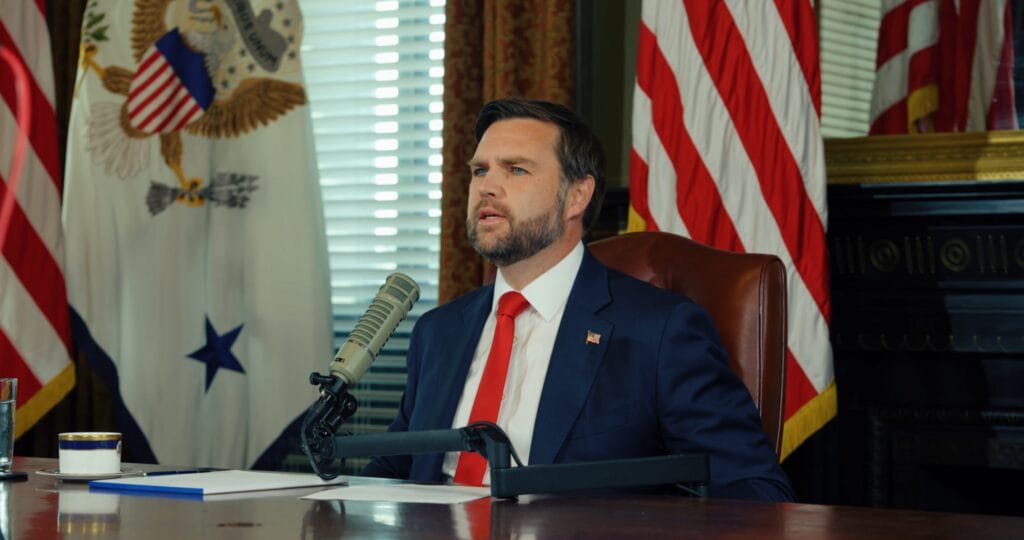
Whether it’s in the context of protests, riots, or other civil disturbances, knowing how these laws govern military engagement can empower citizens to push back against the powerful armed with knowledge of their rights and the law.
Bonus Resource: Civil Disturbance Operations of the National Guard Throughout History
[doc id=209767]Origins of the Posse Comitatus Act
The Posse Comitatus Act, enacted in 1878, primarily restricts the use of the U.S. Army and Air Force in domestic law enforcement. The law was established to prevent the military from acting as a national police force, thus safeguarding our rights and maintaining the traditional separation between military and civilian roles.
Under this Act, federal military personnel are prohibited from engaging in law enforcement activities unless expressly authorized by the Constitution or an act of Congress.
Although the Posse Comitatus Act applies directly to the Army and Air Force, similar restrictions are often extended to the Navy and Marine Corps by Department of War Defense regulations.
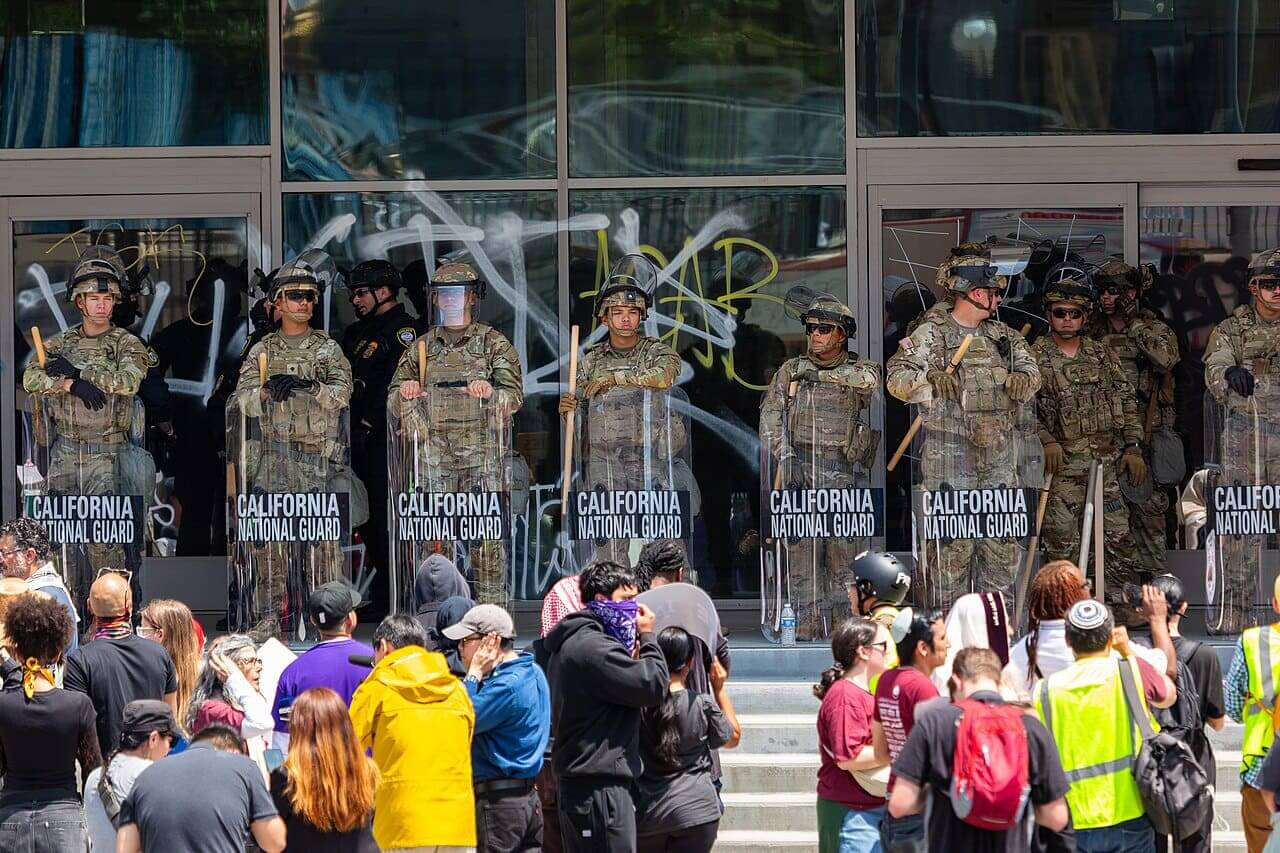
The National Guard, when under state authority, is not subject to the provisions in the Act, which makes its deployment in civil situations more flexible. However, if they’ve been federalized like the troops in D.C. and L.A., the Act does apply.
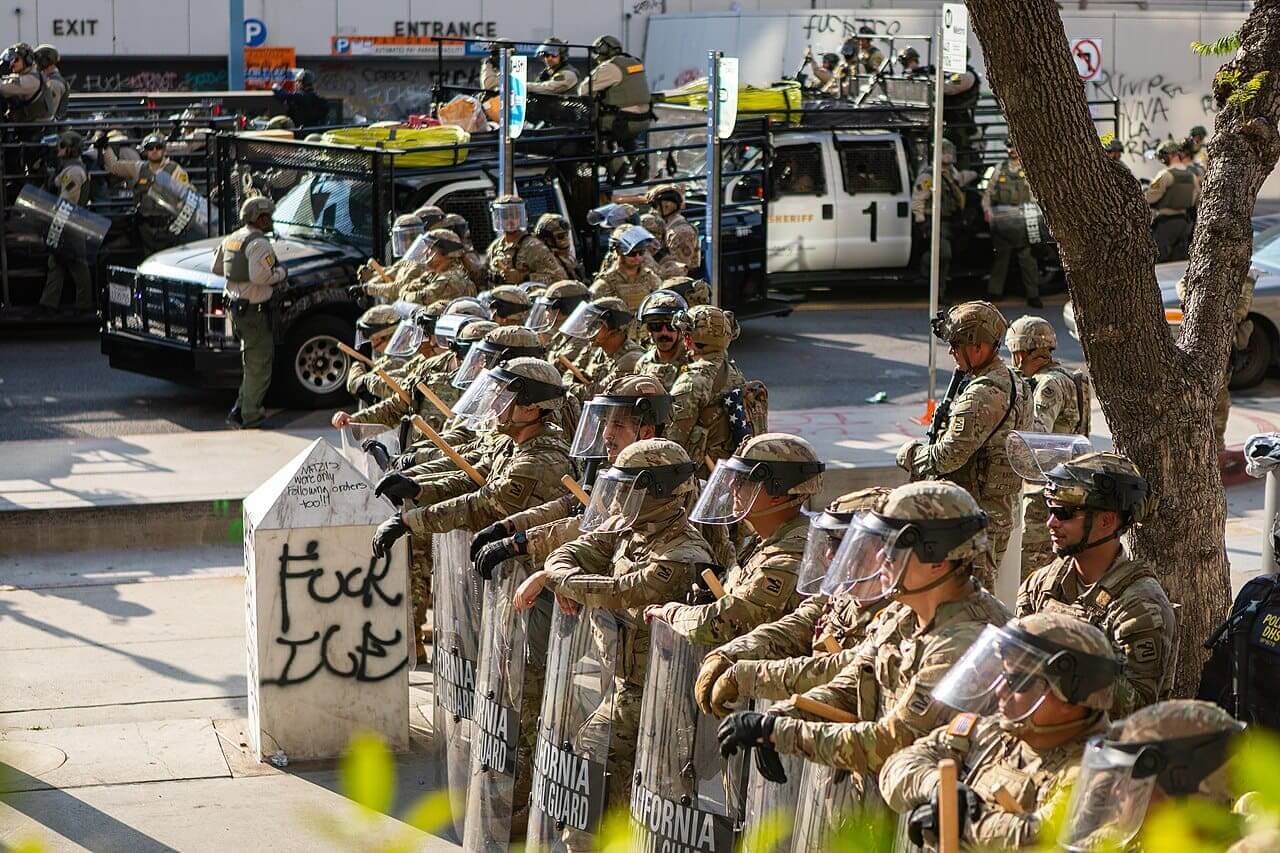
The roots of the Act can be traced back to the Reconstruction era after the Civil War, a time characterized by a heavy military presence in the South to enforce law and order.
The act responded to this militarization and sought to ensure civilian law enforcement remained independent of military control.
The founding principles behind the act reflect a deep-seated belief in civil liberties and the need to prevent the federal government from overstepping its bounds.
Republicans were once very vocal about stopping government overreach—a “tyrannical government.” It turned out they were only against it because a Democratic president lived in the White House.
Now their team is in power so government overreach is suddenly a good thing. #HypocrisyIsDead
While the act has undergone several interpretations and challenges, its core mission remains the same. The Posse Comitatus Act reflects a broader commitment to democracy, emphasizing the importance of civilian governance over military authority.
This principle serves to protect citizens from potential abuses of power that could arise from a militarized police force.
I’d like to add that these abuses of power that could arise have already arisen. Immigration and Customs Enforcement Officers (ICE) are now part of a highly militarized police force with a budget higher than the budgets of militaries in other countries and are accountable only to Donald Trump, Stephen Miller, and Kristi Noem.
One of the main provisions of the Posse Comitatus Act is the prohibition of federal military forces from intervening in local law enforcement activities without legal authorization. This includes actions such as arrests, searches, and seizures, which are traditionally within the purview of local police.
The act does not, however, prevent the military from providing support in a non-law enforcement capacity, such as logistical or humanitarian aid during disasters. In Los Angeles, National Guard troops are guarding federal buildings and protecting ICE as they carry out raids at Home Depot and local restaurants.

Despite its restrictions, there are exceptions where military assistance to civilian authorities may be warranted. The act allows for military involvement in instances of insurrection, rebellion, or invasion. However, these scenarios are subject to strict scrutiny and often require the invocation of other laws, such as the Insurrection Act, which I’ll explain later.
The National Guard occupies a unique position under the act. When operating under state authority, the National Guard can be deployed for domestic law enforcement purposes without violating the act.
This flexibility allows governors to call upon the National Guard to assist in maintaining order during emergencies, such as civil unrest or natural disasters, providing a balance between military support and civilian control.
In contrast, when the National Guard is federalized, they fall under the restrictions of the Act.
It’s important to understand the difference between state and federal deployment, especially in times of crisis when rapid responses may be necessary to ensure public safety.
The Insurrection Act
The Insurrection Act, a set of laws dating back to the early 19th century, provides the President of the United States with the authority to deploy military and National Guard forces to suppress civil disorder, insurrection, or rebellion. Unlike the Posse Comitatus Act, the Insurrection Act explicitly allows for military intervention in domestic conflicts under specific conditions.
This Act is a tool for the federal government during times of severe unrest when local authorities are unable or unwilling to maintain order. The Insurrection Act emphasizes the federal government’s responsibility to preserve law and order, ensuring that citizens’ rights are protected even in tumultuous times.
Historical Context and Usage
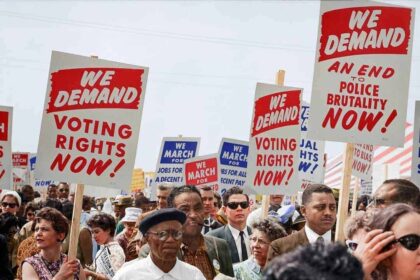
Throughout American history, the Insurrection Act has been invoked on several occasions, often during periods of civil unrest or when local governments have failed to address severe disturbances. Notable instances include the enforcement of desegregation during the Civil Rights Movement and the response to the riots following the assassination of Martin Luther King Jr.
DID YOU JOIN YET?
It’s FREE to become a member of our pro-democracy, anti-hate Community (social media network).
SO WHAT ARE YOU WAITING FOR?
JOIN NOW or LEARN MORE about us.
However, the invocation of the Insurrection Act is not without controversy. Critics often express concerns about potential abuses of power and the implications of deploying military forces against American citizens. There’s a delicate balance between maintaining order and respecting citizens’ rights.
There is no balance with the current administration. President Trump said, “You spit, we hit,” referring to protesters who spit at police. He had a similar “catchphrase” in his first term, “When the looting starts, the shooting starts,” referring to agitators who hijacked Black Lives Matter protests to loot stores. Donald Trump thought police officers should shoot anyone who was caught looting.
The Insurrection Act outlines specific conditions under which the President can act. These include scenarios where there is a significant threat to public safety, when local authorities cannot effectively respond to insurrections, or when federal laws are not being enforced.
The President must provide evidence of such conditions, ensuring that military intervention is both justified and necessary.
Additionally, this Act is subject to oversight by Congress, which can limit the duration of military deployment and influence the scope of operations. This checks-and-balances approach underscores the importance of legislative authorization in matters of significant national concern.
While both the Posse Comitatus Act and the Insurrection Act address the role of the military in domestic affairs, they serve fundamentally different purposes. The Posse Comitatus Act restricts military involvement in civilian law enforcement, ensuring that the military does not overstep its bounds.
In contrast, the Insurrection Act explicitly grants the President authority to deploy military forces in situations of civil disorder, providing a legal pathway for intervention when local enforcement fails.
These differences highlight the nuanced relationship between military power and civil governance.
Recent Developments in the Context of Current Events
In recent years, the U.S. has experienced a surge in civil unrest stemming from various social and political issues. Events such as the Black Lives Matter protests and the Capitol riots have reignited discussions about the role of the military in domestic situations.
During these events, the potential for utilizing the Insurrection Act as a means of federal intervention was widely debated, underscoring the law’s relevance in modern society.
The deployment of troops in response to civil unrest raised numerous questions regarding the appropriateness of military involvement in matters typically handled by civilian law enforcement.
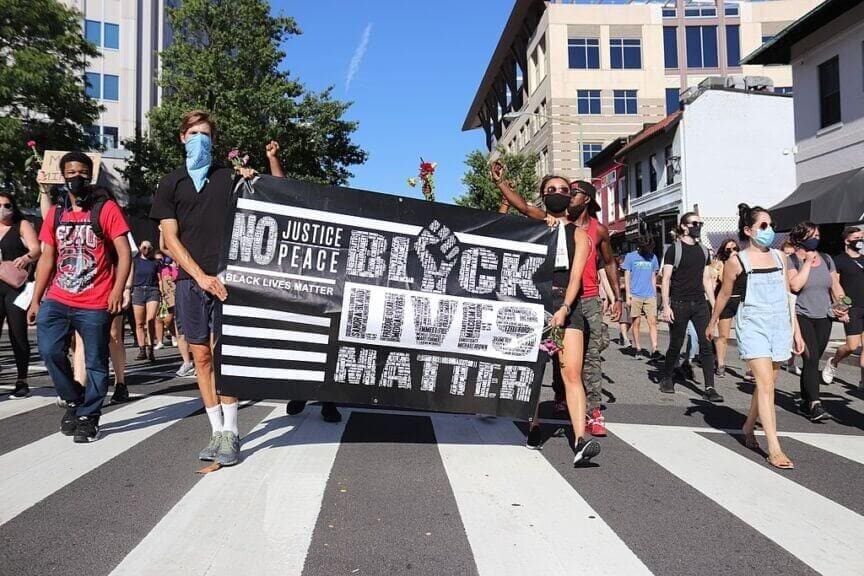
Critics argue that such actions can escalate tensions and infringe upon the rights of peaceful protesters, while proponents maintain that military intervention may be necessary to restore order in extreme circumstances.
The discussions surrounding both Acts are often focused on political implications. Different political factions interpret these laws through distinct lenses, influencing public perception and the willingness of lawmakers to invoke them.
The framing of military intervention varies widely, with some viewing it as a necessary measure for maintaining public safety, while others see it as an encroachment on civil liberties.
Public perception of military involvement in civil matters is shaped by a number of factors, including historical precedents, current events, and individual political beliefs.
Both Acts raise significant legal and social considerations. Legal scholars and civil rights advocates often emphasize the importance of maintaining a clear distinction between military and law enforcement roles to protect citizens’ rights.
This caution stems from historical abuses of power where military involvement led to violations of civil liberties.
Social considerations also play a role in discussions about these laws. The potential for disproportionate responses to civil unrest, particularly in marginalized communities, raises ethical questions.
The Posse Comitatus Act and the Insurrection Act serve as essential frameworks governing the military’s role in domestic affairs. While the Posse Comitatus Act restricts military involvement in law enforcement, the Insurrection Act provides the President with the authority to respond to civil unrest when necessary.
As citizens, we should at least be be aware of how the Posse Comitatus Act and the Insurrection Act regulate use of the military against U.S. citizens. When they understand the laws surrounding domestic military deployment, people can advocate for the protection of civil rights.
Awareness and engagement are key to ensuring that the balance between security and freedom is preserved in a democracy.