
Five weeks into a war the Trump administration keeps promising is almost over, the conflict just expanded in two dangerous directions at once.
Yemen’s Houthis fired ballistic missiles at Israel on Saturday, formally entering the war on Iran’s side — and 3,500 U.S. sailors and Marines arrived in the Middle East aboard the USS Tripoli, with thousands more on the way.
Behind the scenes, the Pentagon is drawing up plans for ground operations on Iranian soil.
This isn’t winding down. It’s widening.
A New Front Opens From Yemen
Yemen’s Houthis had been warning for weeks that they would join the fight. On Saturday, they made good on that threat, launching ballistic missiles at what they called “sensitive Israeli military sites.”
A Houthi military spokesperson announced a second round of strikes on Sunday using cruise missiles and drones, vowing to continue until U.S.-Israeli attacks on Iran and its allied groups — including Hezbollah in Lebanon — stop.
The group is no stranger to disrupting global stability from Yemeni soil. Between late 2023 and early 2025, the Houthis attacked more than 100 commercial ships in the Red Sea during the Gaza war, upending international shipping for over a year.
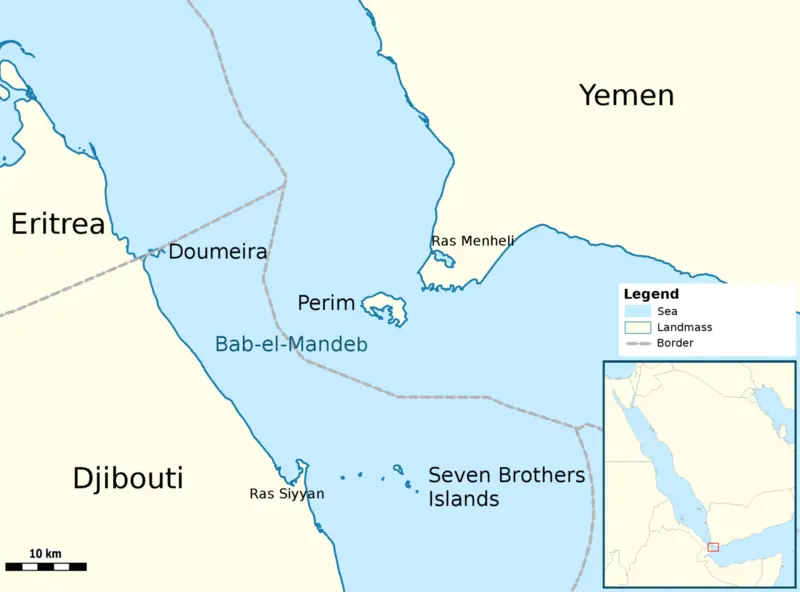
Now the concern is that they could do it again — this time by targeting vessels in the Bab al-Mandeb Strait, another critical chokepoint for global trade that they effectively control.
Analysts are split on how deep this involvement will go. Some see it as largely symbolic — a way for the Houthis to demonstrate solidarity with Iran without fully committing their forces.
Others warn that if pressured by Tehran, the group could escalate to targeting Saudi oil exports or crippling yet another global shipping lane at the worst possible moment. Either way, the Houthis’ entry adds another volatile variable to a war that’s already spinning beyond anyone’s control.
3,500 Troops Arrive — and More Are Coming
The USS Tripoli, an advanced amphibious assault ship that had been stationed in Japan, arrived in the region carrying the 31st Marine Expeditionary Unit — a self-contained fighting force equipped with F-35 stealth fighters, Osprey tiltrotor aircraft, and amphibious assault vehicles.
The USS Boxer and two additional ships with another Marine Expeditionary Unit have been ordered to deploy from San Diego.
The Pentagon is also reportedly preparing to send roughly 3,000 troops from the Army’s 82nd Airborne Division. These aren’t defensive postures. These are the kinds of forces you send when ground operations are on the table.
And according to The Washington Post, ground operations are very much on the table. U.S. officials told the paper that the Pentagon has been developing plans for weeks — not as a last-minute contingency, but as serious operational preparation.
The options reportedly include seizing Kharg Island, the hub through which 90% of Iran’s crude oil exports flow, and conducting raids along coastal areas near the Strait of Hormuz to destroy Iranian weapons threatening commercial shipping.
Military experts have warned that a ground assault on Kharg Island would be extremely dangerous.

Iran has been fortifying the island with additional troops, air defense systems, shoulder-fired missiles, and anti-personnel mines laid along potential amphibious landing zones.
CNN reported that U.S. Gulf allies are privately urging the administration not to attempt an occupation, warning it would result in high American casualties and likely trigger Iranian retaliation against Gulf countries’ infrastructure.
Sen. Lindsey Graham’s response to those concerns? He compared a potential Kharg Island assault to the bloody World War II battle of Iwo Jima — where nearly 7,000 U.S. troops died — and told Fox News his “money’s always on the Marines.” Because, of course.

The Human Cost Keeps Climbing
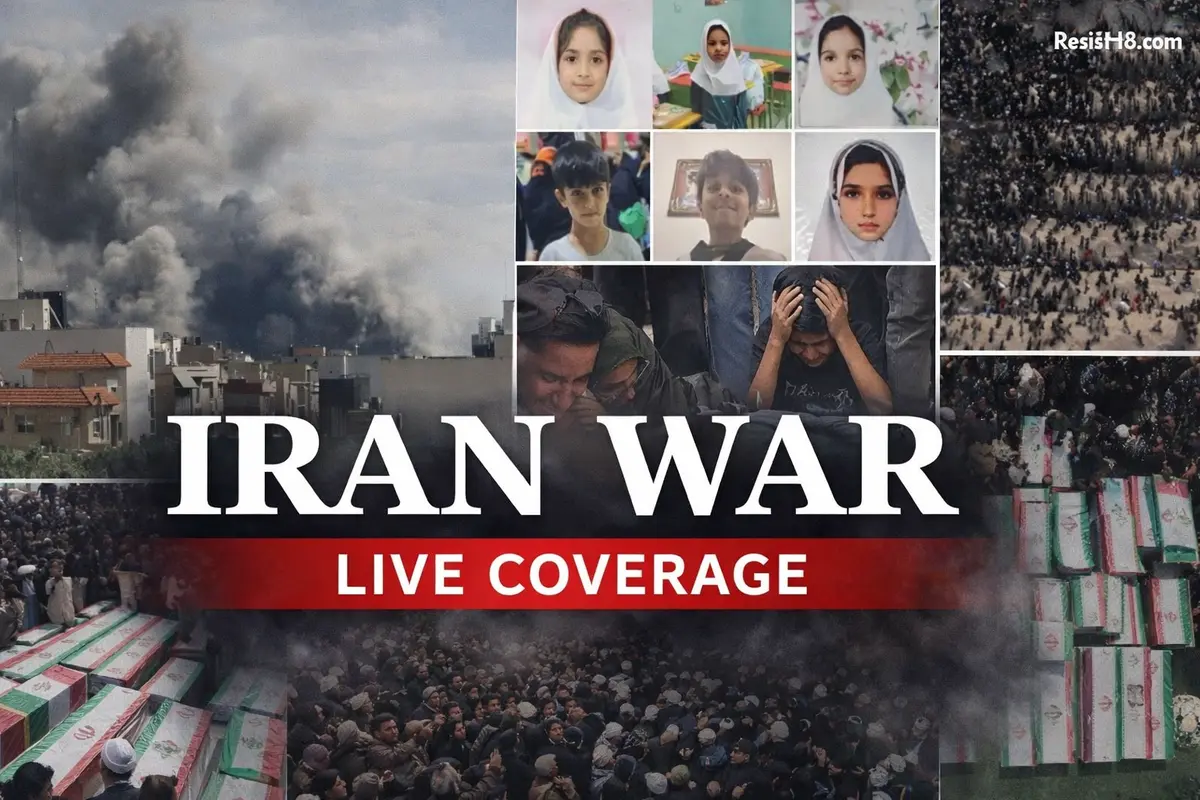
While Washington debates troop deployments and island seizures, the death toll tells its own story. The human rights organization HRANA has documented over 3,100 deaths in Iran from airstrikes through mid-March, including more than 1,350 civilians. Among those civilians, at least 15% were children. A Washington Post investigation found that nearly 1,500 Iranian civilians were killed in the first month alone.
One of the earliest and most devastating strikes hit the Shajareh Tayyebeh girls’ elementary school in Minab, killing more than 175 people — most of them children. Iranian health authorities report more than 210 children killed overall and over 1,500 people under 18 injured.
The World Health Organization has identified at least 13 health facilities damaged by strikes.
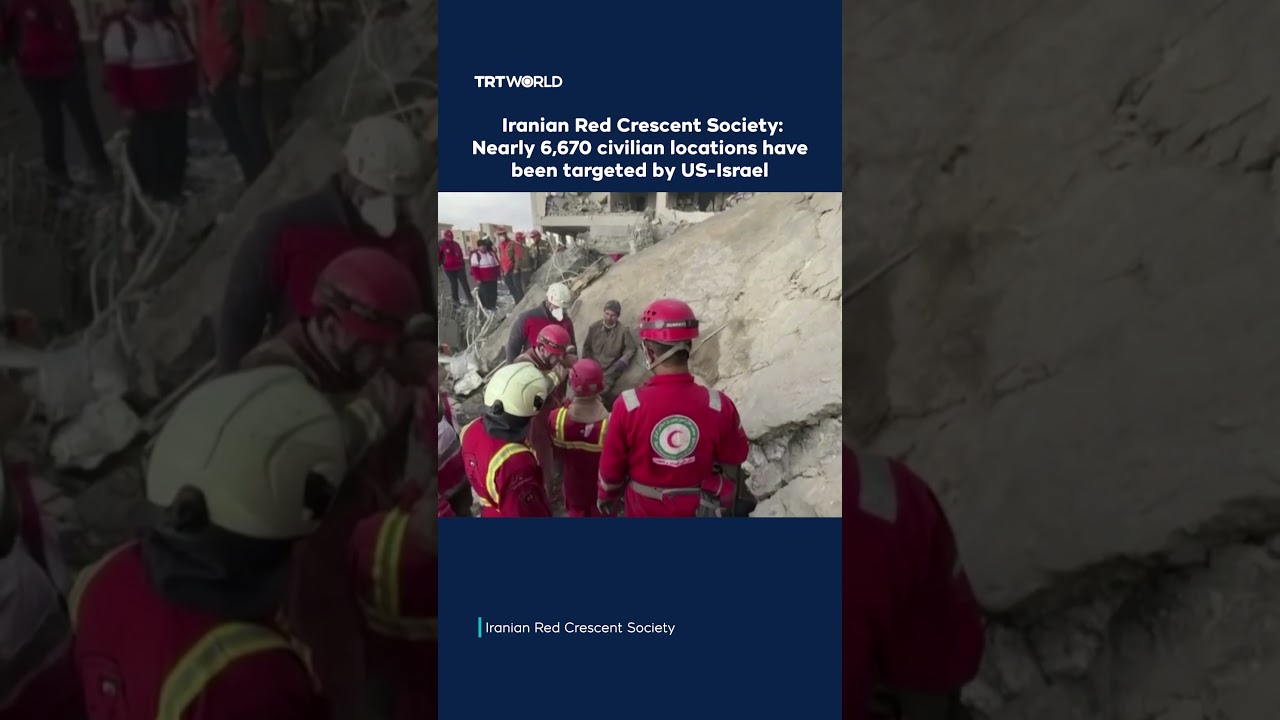
The Iranian Red Crescent reported more than 6,600 civilian structures hit, including over 5,500 residential buildings, 65 schools, and 14 medical centers.
U.S. Central Command says it has struck more than 11,000 targets in Iran since February 28. Iran’s internet connectivity has dropped to roughly 4% of normal levels, leaving millions of people cut off from the outside world and from each other.
In Tehran, residents describe entire neighborhoods as ghost towns, with people too afraid to go outside or to work.
The war has also spilled across the region. In Lebanon, more than 770 people have been killed and 830,000 displaced as Israel intensified its campaign against Hezbollah.

On Saturday, the Israeli Military struck a clearly marked press vehicle in Lebanon, killing all three journalists inside. The IDF said one of the journalists was working with Hezbollah, but provided no evidence to support the claim.
See our reporting from Saturday for more details and learn more about Israel’s long-standing history of killing journalists.
At least 15 U.S. service members have been wounded in Iranian strikes on a Saudi air base, with at least five in serious condition.
Kuwait’s international airport was hit by drones. Oman’s Salalah port was attacked. Fires broke out at an industrial site in Abu Dhabi after Iranian missile strikes. The UAE’s largest aluminum producer reported significant damage.
The Diplomacy Gap
The administration keeps saying this war is wrapping up. Secretary of State Marco Rubio said Friday that U.S. military operations would conclude in “weeks, not months.”

Trump told a Cabinet meeting that the operation was “way ahead of schedule,” adding: “If you look at what we’ve done in terms of the destruction of that country, I mean, we’re way ahead.” Makes sense. 😳
But the diplomatic track tells a different story. Iran rejected a 15-point U.S. proposal that demanded Tehran dismantle its nuclear facilities, reduce its missile arsenal, and reopen the Strait of Hormuz in exchange for sanctions relief.
Iran countered with its own five-point proposal demanding war reparations and recognition of its sovereignty over the Strait. Tehran has also insisted that any ceasefire must include Lebanon and Hezbollah.
We hesitate to report on “peace talks” between the U.S. and Iran because of the confusion created by the President when he first claimed he was speaking with Iran. He announced “the talks” at a time that was conveniently good for the markets, and Iran claimed it wasn’t true. The untrustworthy nature of the realtor-diplomats involved doesn’t help either.
Because the “15-point-plan” has been mentioned by several reputable outlets, we’ll share the information. Regardless, continue to be cautious of anything members of this administration say.
Trump has given Iran until April 6 to reopen the Strait of Hormuz or face the destruction of its power plants. Iran says no negotiations are taking place.
Pakistan is trying to mediate, hosting talks in Islamabad with the foreign ministers of Saudi Arabia, Turkey, and Egypt. Iran has allowed 20 Pakistani-flagged ships to pass through the Strait — a small gesture that Pakistan’s foreign minister called “a harbinger of peace.”
The gap between what the administration says and what’s actually happening on the ground has never been wider. You don’t deploy thousands of Marines, draw up plans for island seizures, and send the 82nd Airborne to end a war. You do those things to escalate one.
What Comes Next
Every week, this conflict adds a new layer of danger. Yemen’s Houthis firing missiles. Iranian drones hitting Gulf allies. American troops wounded on Saudi soil. Civilian neighborhoods in Tehran reduced to rubble. And now, the real possibility of U.S. boots on Iranian ground for the first time.
The question isn’t whether this war is almost over. It’s whether anyone in Washington is being honest about where it’s actually headed — and whether the American public is prepared for what comes next.