

Less than 24 hours after President Trump declared a “big day for World Peace,” missiles were still flying across the Middle East — slamming into Gulf nations, rattling windows in Dubai and Bahrain, and making a mockery of the so-called U.S.-Iran ceasefire before the ink was dry.
On Tuesday night, just two hours before Trump’s own deadline to unleash total destruction on Iran’s power plants and bridges, the U.S. and Iran agreed to a two-week pause in fighting. Pakistan brokered the deal.
Trump posted about it on Truth Social. Iranians poured into the streets of Tehran to celebrate. Markets surged. Oil prices dropped below $100 a barrel for the first time in weeks. For a few brief hours, it looked like relief might be coming.
Then Wednesday morning arrived.
The U.S.-Iran Ceasefire Nobody Told the Missiles About
Within hours of the announcement, the UAE reported its air defense systems were scrambling to intercept Iranian missiles and drones. Bahrain reported new blasts and drone shrapnel damaging homes in the Sitra neighborhood, injuring two residents.
Saudi Arabia, Kuwait, and Qatar all issued air raid alerts or activated their defense systems. Euronews journalists in both Dubai and Doha reported receiving air raid warnings and hearing intercept booms throughout the morning.
Iran, for its part, said its forces would stop firing only when attacks against Iran stopped — a condition that was immediately complicated by Israel’s refusal to include Lebanon in the ceasefire.
Prime Minister Netanyahu declared the truce between Washington and Tehran had nothing to do with Israel’s ongoing war against Hezbollah in Lebanon, and the Israeli military launched what it described as its largest wave of strikes across Lebanon since the invasion began — hitting more than 100 command centers and military sites within a span of 10 minutes.
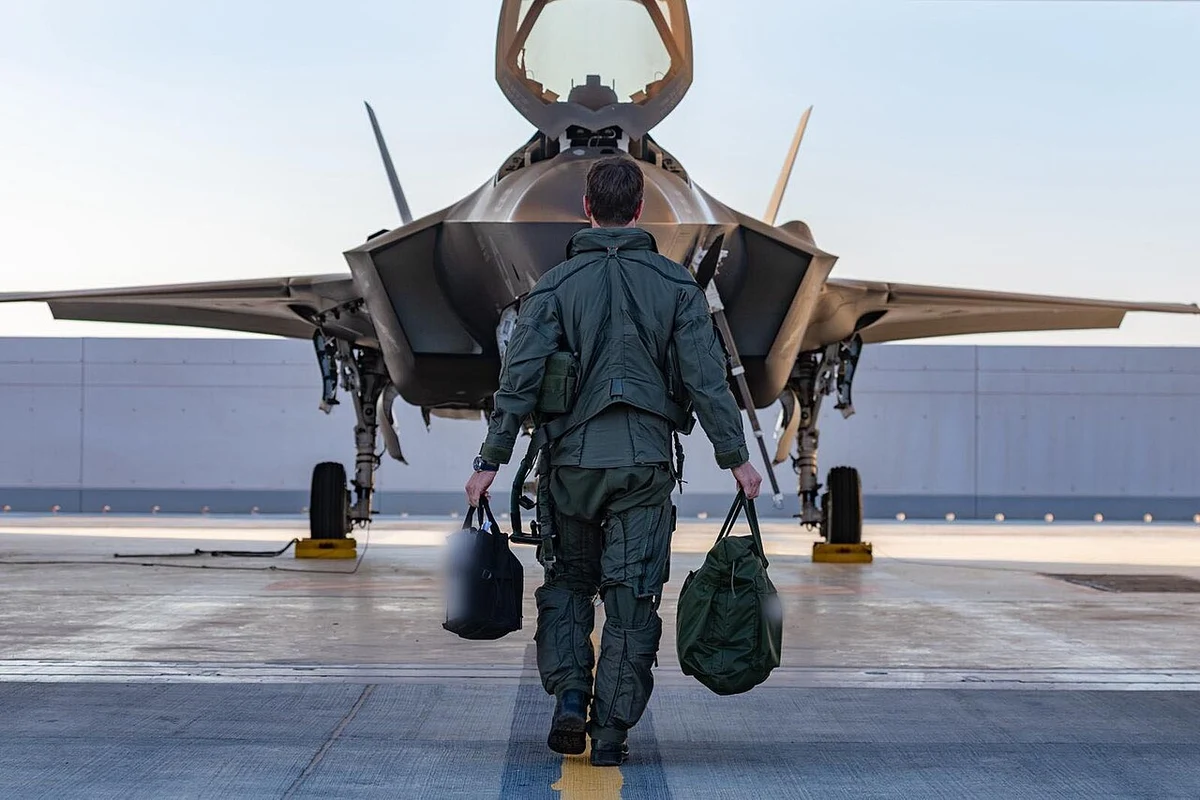
Most of the targets, the IDF acknowledged, were located within civilian population centers.
Iran responded by threatening to pull out of the deal entirely, with state media announcing that tanker traffic through the Strait of Hormuz was being suspended again over Israel’s continued assault on Lebanon.
The Human Cost Nobody Wants to Talk About
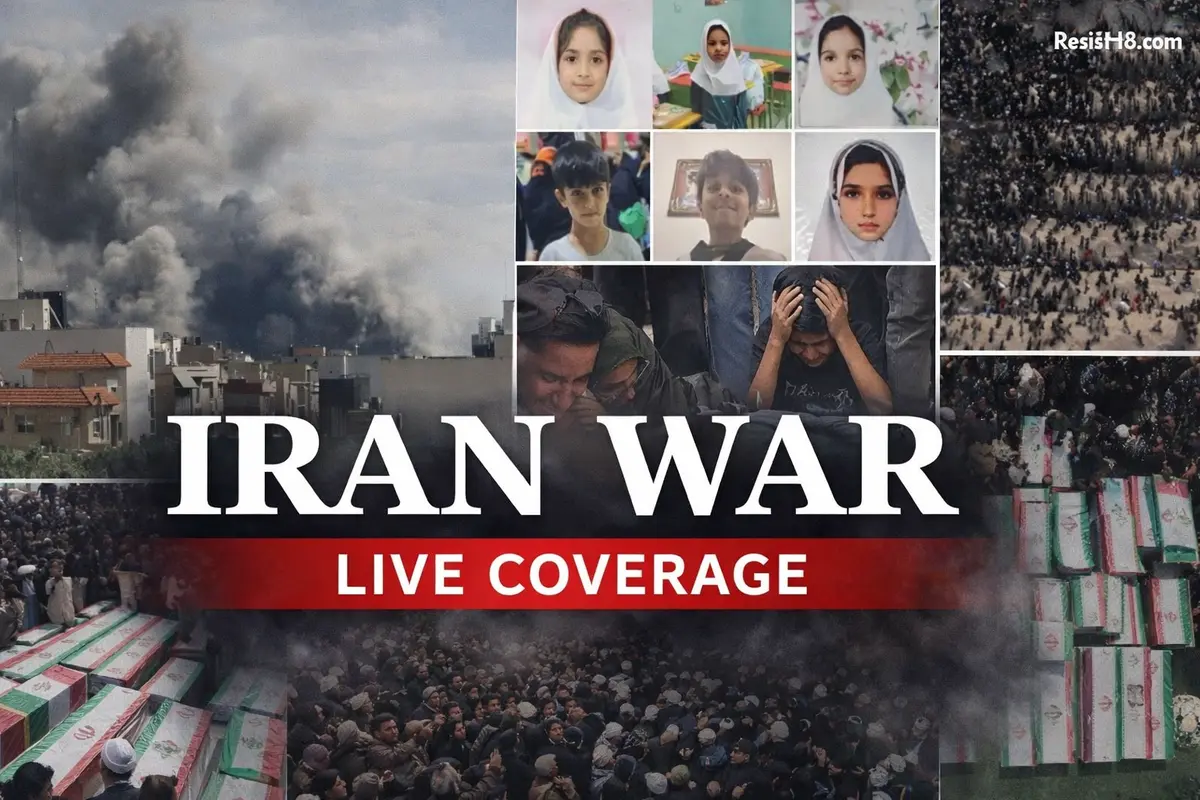
Behind the stock tickers and oil futures, this war has already devastated real lives on a scale that’s hard to process. According to the U.S.-based human rights group HRANA, nearly 3,400 people have been killed in Iran alone — more than 1,600 of them civilians.
Over 1,500 people have been killed in Lebanon. Twenty-three have died in Israel. Thirteen U.S. service members have been killed. Iranian strikes against Gulf states have killed civilians in Bahrain, Kuwait, the UAE, Oman, and Saudi Arabia.
A U.S. strike hit an elementary school early in the war, killing approximately 170 children. This week, Iran said a major university — Sharif University of Technology in Tehran — was bombed. Healthcare facilities across the country have been severely damaged.
Ahead of Trump’s deadline, Iranian civilians answered government calls to form human chains in front of power plants, putting their bodies between their country’s infrastructure and American bombs.

These are not statistics. These are parents, students, children, and workers caught in a war that was launched on February 28 when the U.S. and Israel assassinated Iran’s Supreme Leader Ali Khamenei and killed over 100 civilians in the opening strikes.
No one asked the people standing in front of those power plants if they wanted this war.
A Deal Built on Quicksand
The ceasefire, such as it is, rests on conditions that both sides are already disputing. Trump called Iran’s 10-point peace plan “a workable basis on which to negotiate,” then later called it “fraudulent” without explanation.
Iran demands an end to uranium enrichment restrictions and the lifting of all sanctions. Israel wants Iran to surrender its enriched uranium stockpiles entirely. Neither side specified when the ceasefire would officially begin — a detail that conveniently allows both to claim the other violated it first.
The economic devastation extends far beyond the warring parties. Gulf nations that had nothing to do with starting this conflict have absorbed the heaviest blows.
The UAE and Kuwait have burned through roughly 75% of their Patriot missile interceptor stockpiles. Bahrain has exhausted an estimated 87% of theirs.
A strike wiped out 17% of Qatar’s Ras Laffan LNG output — damage that could take years to repair. About 2,000 commercial vessels and 20,000 sailors remain stranded in the Strait of Hormuz.
The cost to the U.S. military alone has been estimated at $18 billion, with the Pentagon requesting an additional $200 billion. The cost to Arab nations has topped $120 billion.
As one Middle East analyst put it on CNBC, the last six weeks have served as a warning to every U.S. ally in the region: being close to Washington doesn’t necessarily bring security — sometimes it creates the very enemies you need protection from.
What Comes Next
Peace talks are scheduled to begin in Islamabad on Friday, with Pakistan, Egypt, Turkey, and China helping to mediate. But the fundamental disagreements haven’t budged. Iran insists Lebanon must be part of any final deal.
Israel insists it won’t stop fighting Hezbollah. Trump has already shown he’s willing to threaten civilian infrastructure — power plants, bridges, water treatment facilities — as leverage, moves that legal experts say would constitute war crimes.
European leaders issued a joint statement urging all sides to implement the ceasefire, including in Lebanon, and warning that failure risks a severe global energy crisis. The IMF, World Bank, and World Food Programme warned of rising food prices and growing food insecurity worldwide.
For the people of Iran, Lebanon, and the Gulf nations caught in the crossfire, this ceasefire offers something far short of peace. It offers a two-week window where the killing might slow down — if both sides can resist the urge to keep pulling the trigger. Based on the first 24 hours, that’s a very big “if.”