
Death toll climbs to 646
As Iran’s nationwide protests enter their second week, the death toll is climbing and the political stakes are rising sharply. Activists inside Iran report at least 646 people killed and more than 10,700 arrested in demonstrations that spread from economic grievances into broad anti-government demands.
The unrest began in late December amid a deepening economic crisis, including a collapsing currency and rising costs of food and fuel, and has now turned into one of the biggest challenges to the theocratic leadership since the 2022 Mahsa Amini protests.
U.S. President Donald Trump says Iranian officials have signalled they want to negotiate after his administration warned of “very strong options” — including military pressure — if Tehran continues to violently suppress peaceful demonstrators.
Trump has already imposed 25% tariffs on countries trading with Iran and suggested further action could follow. Iranian authorities deny responsibility for much of the violence, blame foreign interference, and have insisted any diplomatic talks must be based on mutual respect.
Inside Iran, the government has cut internet and phone services, tightening its information blackout as security forces press their crackdown. State-backed rallies have been held, with chants against the U.S. and Israel, and officials have warned protest-related offenders could face capital charges.
Why this matters: The protests started over local economic suffering but have morphed into a broader political crisis that could reshape Iran’s domestic landscape and has significant implications for regional stability and U.S.–Iran relations.
Update: Protester Deaths Surpass 500
Iran has issued a stark warning to the United States and Israel, pledging retaliation if the U.S. carries out military strikes in response to the nationwide protests. Iranian Parliament Speaker Mohammad Baqer Qalibaf declared that Israeli territory and U.S. military bases would be considered “legitimate targets” in the event of a U.S. attack, as Tehran confronts its most significant unrest in years.
Israeli sources say their military is on high alert amid these threats. This comes as Iranian authorities have intensified a crackdown on demonstrators and rights groups report the protest death toll has surpassed 500, with many more detained.
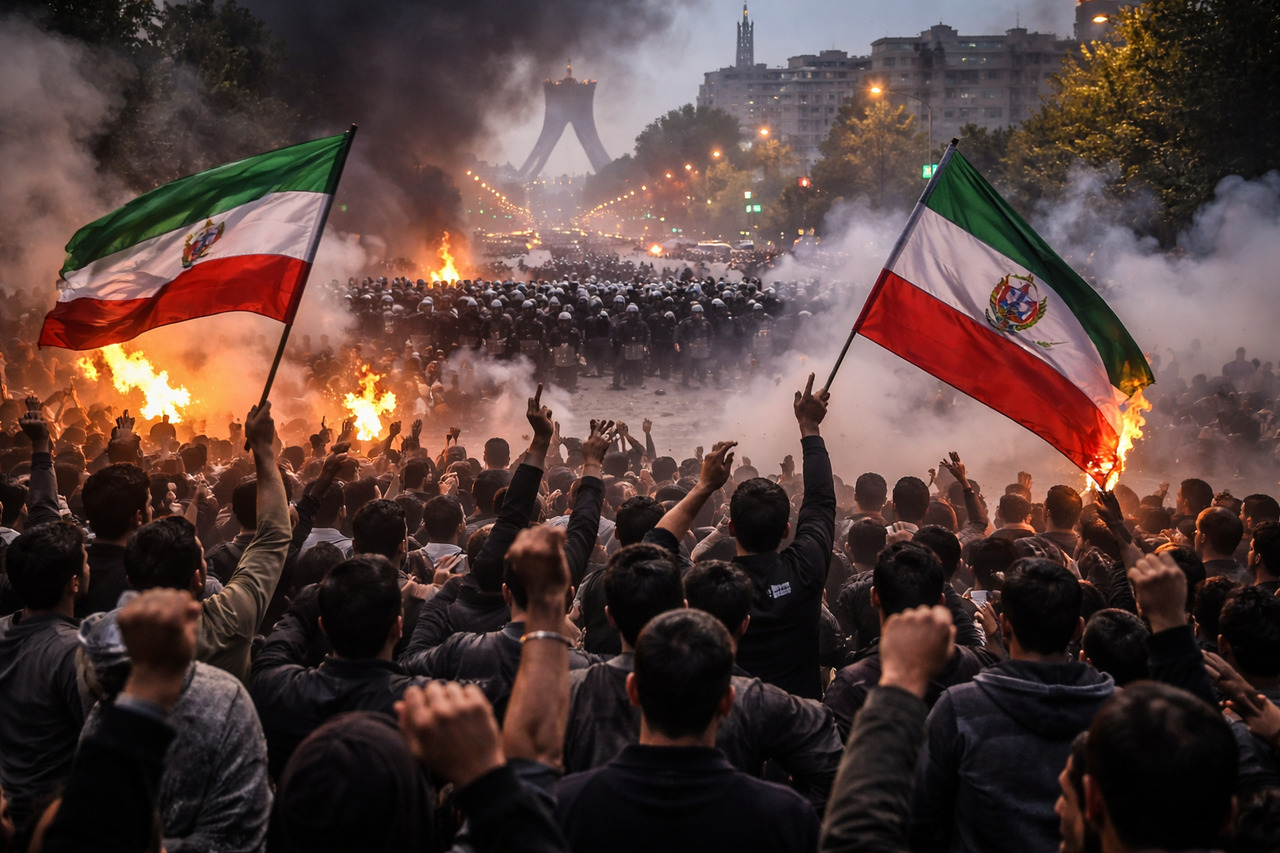
Iran’s streets are crackling political fire this week as protests enter their second violent and uncertain week, spreading far beyond the bazaars of Tehran into cities like Mashhad, Yazd, and Isfahan amid a government-imposed internet blackout.
What began as economic discontent has transformed into an unprecedented challenge to the Islamic Republic itself — with chants not just about prices and jobs, but about the end of the clerical state and the return of national symbols long buried since 1979.
The spark that ignited what many observers are calling Iran’s most explosive wave of protests since 2022–23 was the collapse of the Iranian rial and widespread frustration over soaring inflation, mounting poverty, and deepening economic despair.
Merchants in Tehran’s historic Grand Bazaar first marched in late December, but by early January this unrest had accelerated into nationwide demonstrations and growing demands for political transformation.
Despite the hopes of many inside Iran — and beyond — the government’s response has been brutal and deeply repressive. In an effort to control the narrative and limit outside scrutiny, Tehran imposed a sweeping communication blackout (shutting down the internet), on January 8 that continues to block online communication, social media and international calls.
Independent verification of events on the ground has been almost impossible, and families report being unable to reach loved ones.
Amid this blackout and blockade of information, casualties are rising. Human rights groups cite dozens of deaths, including children, with some estimates running much higher. Hospitals in Tehran, Mashhad and other cities are reported to be overwhelmed with injured protesters, many shot by live ammunition. (see casualties data block)
Among the individuals whose deaths have been documented are 17-year-old Mohammad Nouri, shot during a protest in Qom, and 22-year-old Saghar Etemadi, reportedly killed after security forces fired on peaceful protesters in Farsan. Their deaths have ignited fresh outrage and comparisons to earlier martyrdoms in Iran’s struggle against repression.
The gains of the protest movement — and the government’s fears about them — were on grim display this weekend as video and eyewitness accounts circulated of large crowds chanting “Death to Khamenei” and “Long live the shah,” signals that some demonstrators want not just reform, but regime change and a reckoning with Iran’s political heritage.
Iran’s Supreme Leader Ayatollah Ali Khamenei has responded with hardened rhetoric, calling protesters “vandals” and vowing that the state will not back down.
President Masoud Pezeshkian, while acknowledging economic grievances, has echoed accusations about “foreign interference” and insisted that the government remains committed to stability and order.
Casualty Figures and Arrests (Verified Overview)
Since protests began on December 28, 2025, demonstrations over Iran’s crumbling economy and political repression have widened into a nationwide uprising. Human rights groups and independent monitors report:
• Dozens of protesters have been killed by security forces across Iran, with some hospital sources in Tehran reporting over 200 deaths from live ammunition alone. This figure reflects medical data from multiple Tehran hospitals, though exact totals remain impossible to confirm due to communication restrictions.
• Human Rights Activists News Agency estimated at least 65 deaths and more than 2,300 detentions of demonstrators by early January.
• Rights groups documented early deaths including children and bystanders in clashes across multiple provinces.
These figures are likely undercounts given widespread information suppression by the Iranian authorities.
International reactions have been swift and sharply divided. Western governments — including the United States, European Union members, Canada and Australia — have condemned Iran’s violent crackdown and voiced support for peaceful demonstrators’ rights.
U.S. political leaders have warned Tehran to refrain from lethal force — even as speculation about possible foreign intervention spreads in media and political circles.
Inside Iran, the upheaval has triggered more than just massive marches. Markets and businesses across numerous provinces have shut down in strikes, further squeezing an already fragile economy, while some reports suggest sections of Iranian civil society and even elements within security ranks are hesitant about the government’s heavy-handed tactics.
Protests Timeline at a Glance
December 28, 2025
• Protests erupt in Tehran’s Grand Bazaar after the rial collapses amid deepening inflation and economic hardship. Demonstrators soon call for political change beyond economic grievances.
Late December – Early January
• Protests spread to cities including Mashhad, Isfahan, Yazd, Qazvin, and Shiraz, hitting all 31 provinces within days.
• Casualties are reported as security forces use live ammunition and crowd-control weapons against largely peaceful demonstrations.
January 6–8, 2026
• Strikes expand, including in bazaars and commercial centers across the country.
• Iranian authorities cut internet and phone services nationwide on January 8, severely limiting independent reporting and communications inside Iran.
January 9–10, 2026
• Despite the communications blackout, protests persist in multiple major cities. International condemnation grows as casualty reports rise.
Internet Blackout: A Strategic Clamp-Down
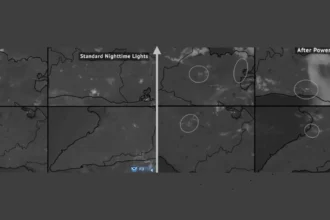
In response to the demonstrations, Iranian authorities imposed a nationwide internet blackout on January 8, 2026, disrupting social media, messaging apps, and even phone services.
Monitors confirm that connectivity was severely limited or cut entirely in Tehran, Isfahan, Kermanshah, Abadan and other regions — a move tightly linked to government efforts to control information and prevent both internal coordination and international awareness of events.
This blackout marks the third major nationwide shutdown in recent years, following similar tactics during earlier protests in 2019 and 2022. It has made independent verification of casualty numbers and protest activity extremely difficult and amplified concerns about human rights abuses going unrecorded.
What makes this moment truly significant is not simply the scale of the protests — it’s the depth of political ambition and symbolism. For the first time in years, royalist flags have appeared alongside chants against the supreme leader.
Calls for nationwide labor strikes — especially in crucial sectors like oil and gas — reflect a broadening coalition that transcends Tehran’s commercial centers.
Looking ahead, two intertwined dynamics will shape Iran’s future: whether protesters can sustain momentum under a brutal internet blackout and intensifying repression, and whether international actors will convert solidarity rhetoric into meaningful pressure on Tehran.
For many Iranians, the struggle is not merely about economics anymore — it’s about political agency, dignity, and forging an alternative path to a future that has long felt out of reach.