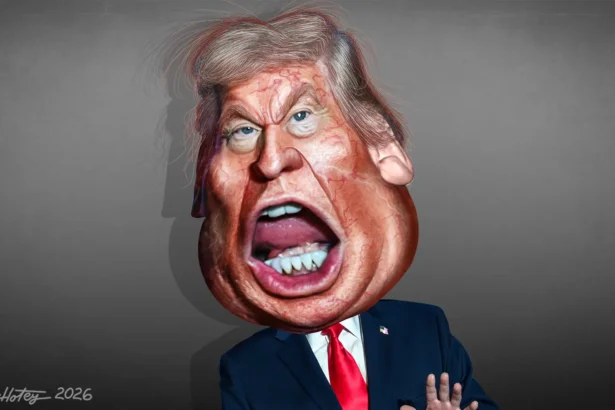


At the Munich Security Conference this weekend, European leaders delivered a clear and unified message to the Trump administration: We are not a civilization in decline, and we will not be bullied into believing otherwise.
The sharp exchange came after U.S. Secretary of State Marco Rubio addressed the annual gathering on Saturday, attempting to reassure nervous European allies while still pushing the Trump administration’s vision for a fundamentally reshaped trans-Atlantic relationship.
While Rubio struck a softer tone than Vice President JD Vance did at the same conference last year — when he openly lectured European leaders — his message was unmistakable: Washington intends to dictate the terms of the alliance going forward.
What Rubio Said
Rubio told the conference that ending the trans-Atlantic partnership is not Washington’s goal, framing the United States as forever connected to Europe. But beneath the diplomatic language, his message carried the same pressure the Trump administration has applied since taking office.
He made clear that the U.S. is not backing down on its hardline positions regarding immigration, trade, and climate policy — three areas where Washington and European capitals have grown increasingly far apart.
The speech was an attempt at damage control after months of rising tensions. The Trump administration’s national security strategy, released in December, contained a passage that stunned European leaders. The document claimed that economic stagnation in Europe is overshadowed by what it called the threat of “civilizational erasure.”
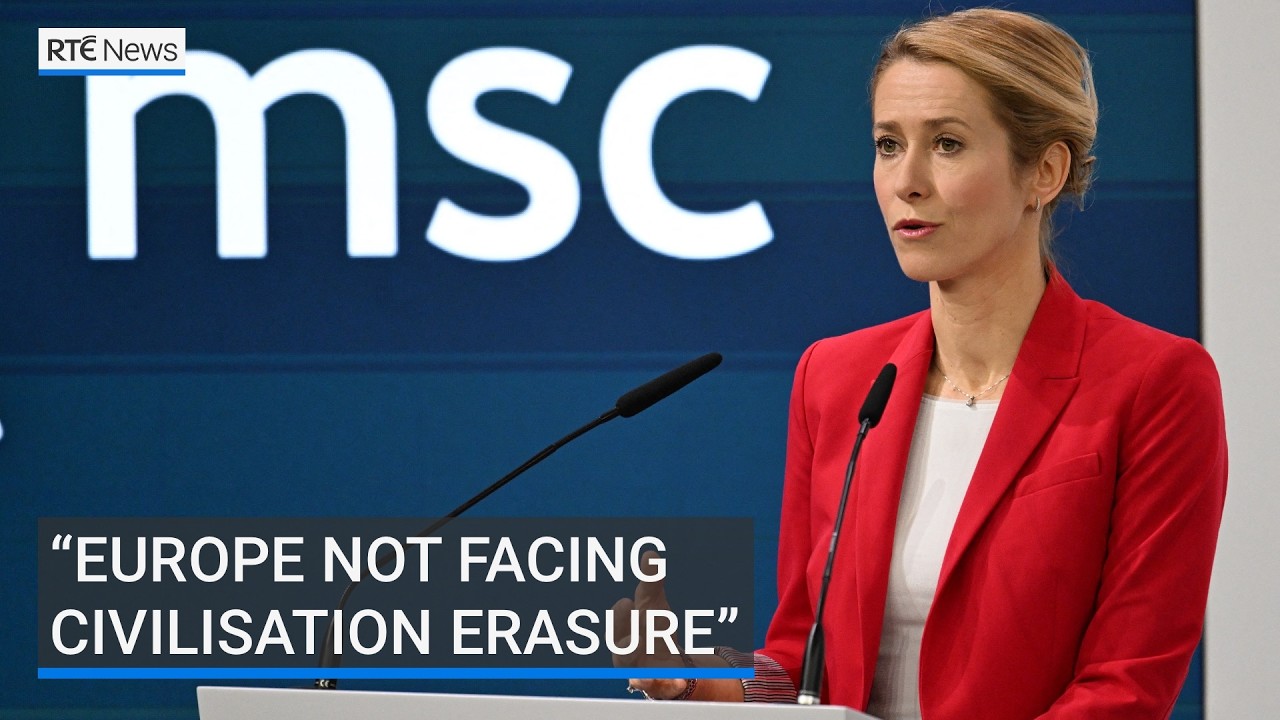
It went further, suggesting that Europe is being weakened by its own immigration policies, falling birth rates, what it described as censorship of free speech, suppression of political opposition, and a loss of national identity and self-confidence.
For many Europeans, those words read less like the assessment of an ally and more like an insult.
Europe’s Response
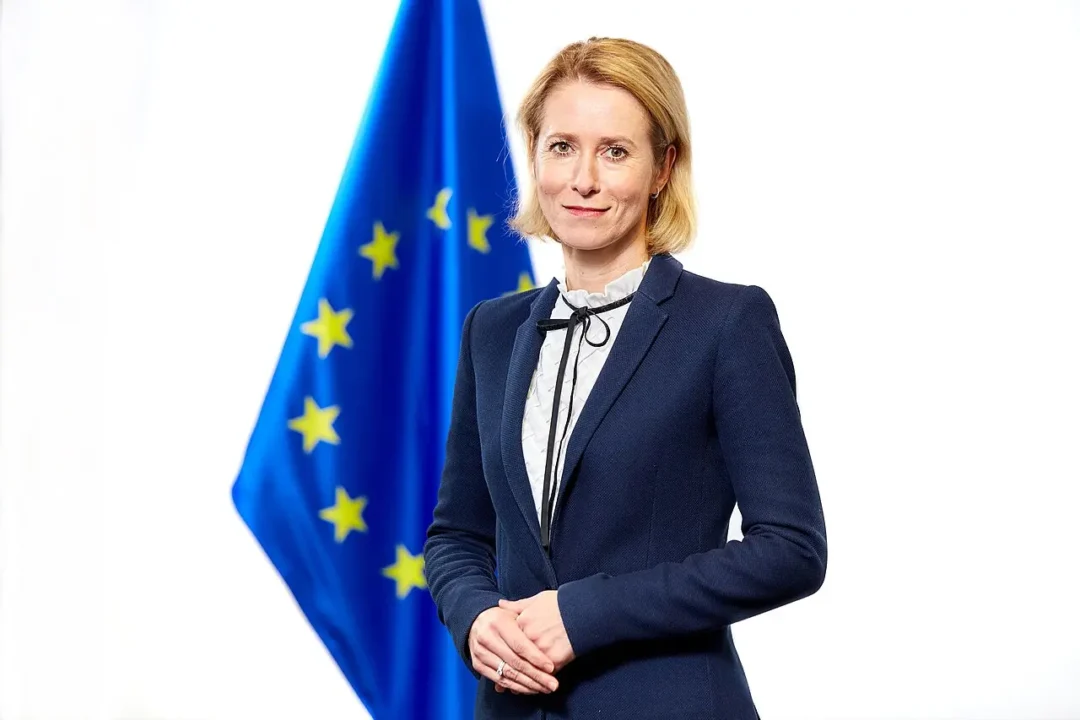
EU foreign policy chief Kaja Kallas did not mince words in her response on Sunday. She directly rejected the idea that Europe is facing civilizational erasure, calling it contrary to reality. She pointed out that people around the world still want to join the European Union — not flee from it. She shared that during a visit to Canada, she was told many Canadians had expressed interest in joining the EU, a striking detail that underscored how the European model still holds global appeal.
Kallas pushed back on what she described as a pattern of “European-bashing” from Washington. She defended Europe’s commitment to human rights and argued that those values have brought prosperity to the continent’s people. Her message was clear: Europe’s commitment to democracy, dignity, and multilateral cooperation is not weakness — it is strength.


British Prime Minister Keir Starmer echoed that sentiment on Saturday. He called on Europe to stand behind its diverse and free societies, arguing that the ability of people from different backgrounds to live together peacefully is not a vulnerability but a source of power. His words served as a quiet but firm rebuke of the nationalist, exclusionary vision that the Trump administration has promoted both at home and abroad.
Why This Matters
This moment at Munich is about more than a diplomatic disagreement. It reflects a deepening rift in how the United States and Europe understand the world and the role of government within it.
The Trump administration’s framing of Europe as a dying civilization mirrors the same rhetoric it uses domestically to justify its most extreme policies — mass deportation campaigns, the erosion of civil liberties, attacks on the free press, and the demonization of immigrants and marginalized communities.
When the U.S. government looks across the Atlantic and sees “civilizational erasure” in countries that welcome refugees, protect free speech, and invest in social safety nets, it tells us everything about where this administration’s values actually lie.
What European leaders understand — and what the Trump administration either cannot or will not see — is that a society’s strength is not measured by how effectively it excludes people. It is measured by how well it includes them. Nations that protect human rights, welcome diversity, and invest in the wellbeing of all their people are not weak. They are building something durable.
Kallas acknowledged that the U.S. and Europe will continue to disagree on important issues. But she also said Rubio’s speech carried an important acknowledgment: that America and Europe remain deeply connected, whether Washington likes it or not.
The question now is whether the Trump administration will treat that connection with the respect it deserves — or continue to undermine it with insults dressed up as foreign policy.
For those of us watching from the United States, where the government is using the language of civilizational threat to justify tearing families apart and stripping people of their rights, Europe’s refusal to accept that framing offers something valuable: a reminder that another way is possible, and that standing up for human dignity is never a sign of decline.