
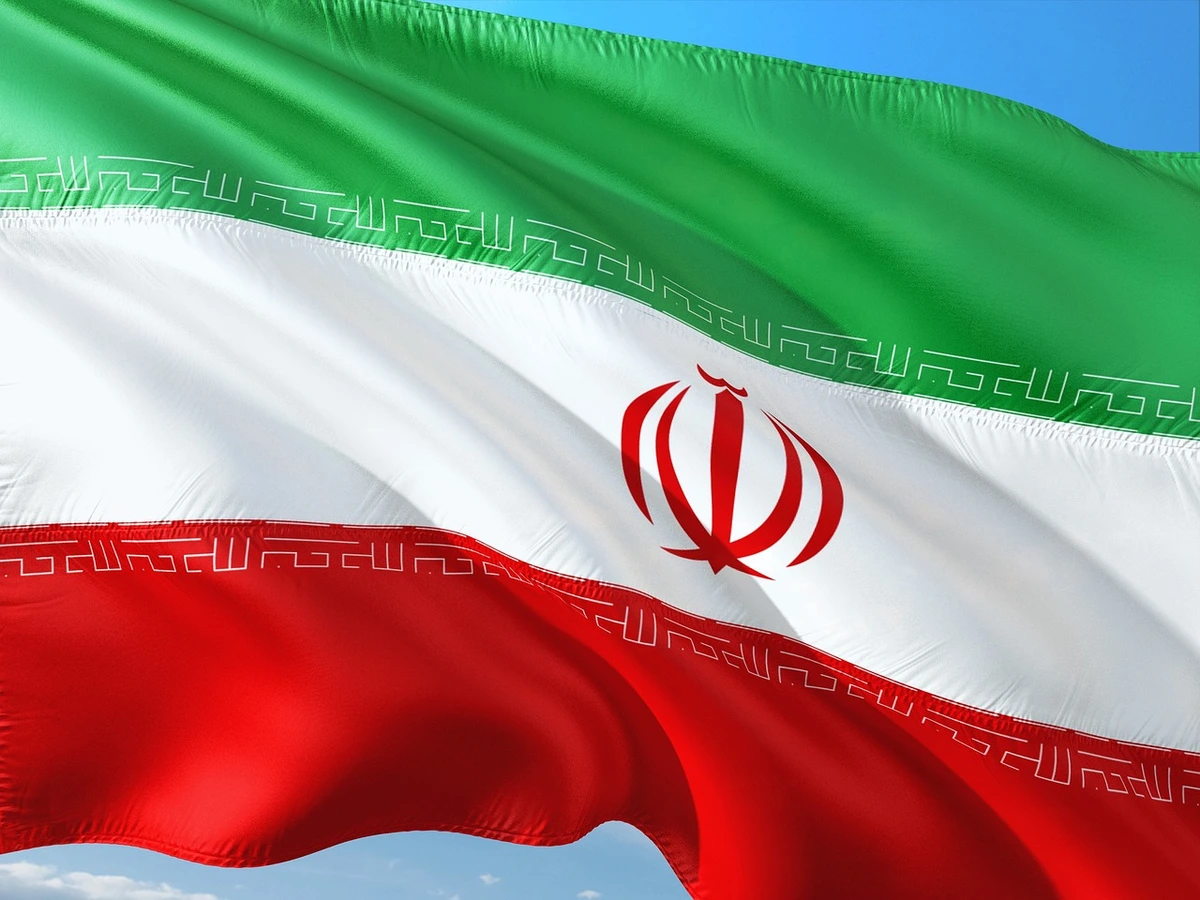
The United States and Israel launched a coordinated military attack on Iran early Saturday morning, striking targets across the country including the capital city of Tehran.
The assault marks a dramatic escalation in Middle East tensions and the beginning of what President Donald Trump called “major combat operations” against the Islamic Republic.
What We Know Right Now
Explosions rocked Tehran on Saturday morning, with smoke rising from multiple areas of the city including downtown neighborhoods and areas near the offices of Supreme Leader Ayatollah Ali Khamenei.
Iranian state media confirmed strikes hitting several major cities beyond the capital, including Isfahan, Qom, Karaj, and Kermanshah.
Israeli Defense Minister Israel Katz described the operation as a “preemptive strike” designed to eliminate threats to Israel.
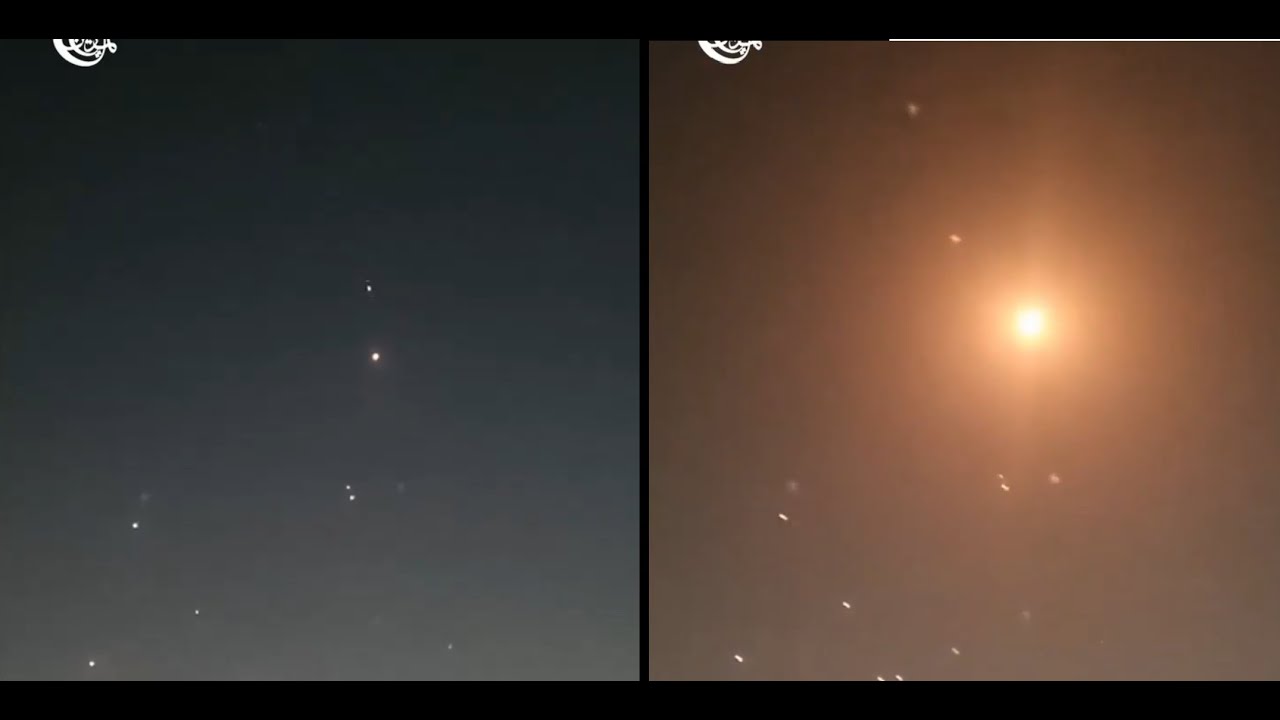
Iran has already begun retaliating. The Islamic Revolutionary Guard Corps announced what it called a “first wave” of drone and missile strikes directed at Israel.
Sirens sounded across northern and central Israel, including Jerusalem and Tel Aviv, as Iranian missiles were detected heading toward Israeli territory.
At least one rocket reportedly impacted in northern Israel.
The violence has already spread well beyond Iran and Israel. Explosions were reported in Bahrain near a U.S. Navy base, and blasts were heard in Kuwait, Qatar, Saudi Arabia, and the United Arab Emirates — all of which host American military installations.

Qatar confirmed it intercepted Iranian missiles using its Patriot defense system.
The U.S. Embassy in Bahrain issued a shelter-in-place order for all American citizens.
An Iraqi military base housing a pro-Iran militia was also bombed, with reports of casualties.
Trump Escalates the Rhetoric
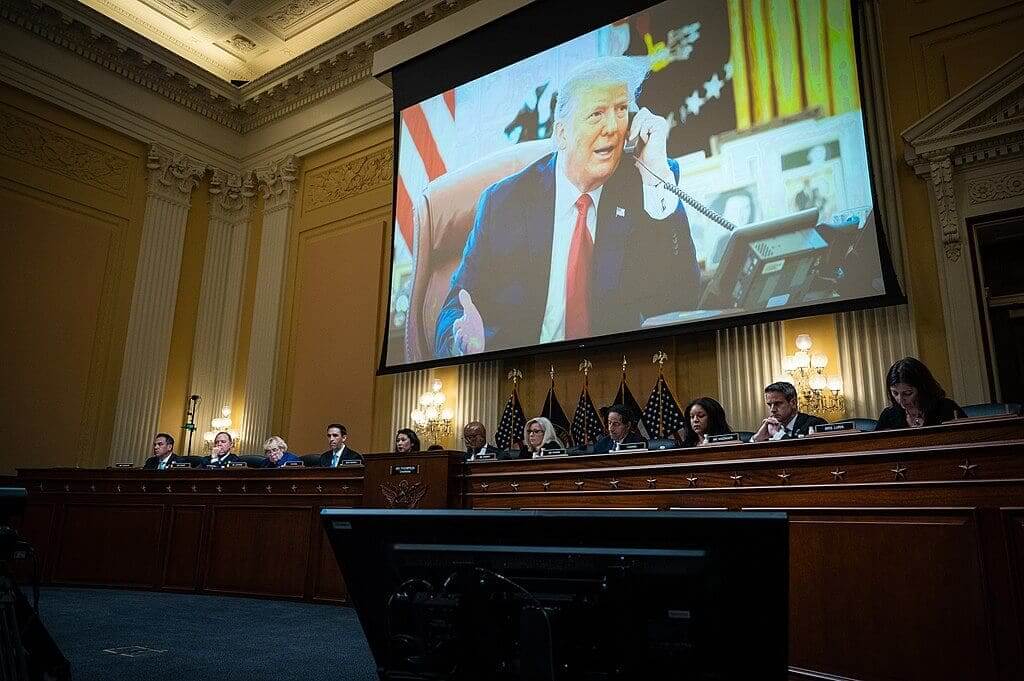
In a video posted to Truth Social, Trump confirmed the U.S. role in the attacks and took an extraordinarily aggressive tone.
He described the campaign as “massive and ongoing” and said its purpose was to destroy Iran’s missile capabilities entirely.
Perhaps most strikingly, Trump directly addressed the Iranian people, urging them to overthrow their own government once the bombing concludes.
Related


He told Iranians this would be “probably your only chance for generations” to seize power.
Prime Minister Benjamin Netanyahu echoed that message, saying the strikes would “create the conditions for the brave Iranian people to take their destiny into their own hands.”
The rhetoric of regime change is alarming to many foreign policy experts and raises serious questions about the scope and endgame of this operation.
A person briefed on the operation told NPR it was expected to last several days, with Israel’s military focused primarily on targeting Iran’s missile program.
Diplomacy Collapsed Days Ago
This military action comes just days after U.S. and Iranian officials held indirect negotiations over Tehran’s nuclear program in Geneva.
Those talks ended without an agreement. Iranian state television reported that Tehran was determined to continue enriching uranium, rejected proposals to transfer nuclear material abroad, and demanded the lifting of international sanctions.
Trump referenced the failed diplomacy in his statement, saying Iran had “rejected every opportunity” to resolve the standoff.
But a senior Middle East diplomat with direct knowledge of the negotiations told MS NOW that the timing told a different story, suggesting that Israel intervened to prevent diplomacy from succeeding.
This is not the first time the U.S. and Israel have struck Iran. Last June, U.S. forces bombed three Iranian nuclear facilities during the 12-day war between Iran and Israel. That conflict killed dozens on both sides and saw over 550 Iranian ballistic missiles launched at Israel.
The current operation appears to be far broader in scope.
A Region on the Brink
The situation on the ground is rapidly evolving and deeply dangerous. Iran has closed its airspace entirely.
Israel has declared a 48-hour state of emergency, shuttered all schools, banned public gatherings, and closed its airspace to civilian flights.
Mobile communications have been disrupted across Tehran. Khamenei has reportedly been evacuated to a secure location outside the capital.
Iranian officials have warned that the coming retaliation will be “crushing” and declared that all American and Israeli assets in the Middle East are now “legitimate targets.” A senior Iranian official told Al Jazeera that “there are no red lines after this aggression.”
Oil prices are expected to surge as markets react to the crisis. Iran is a founding member of OPEC and sits along the strategically vital Strait of Hormuz, through which roughly 20 percent of the world’s oil supply passes.
The Human Cost
Behind the geopolitical maneuvering and military terminology are millions of ordinary people caught in the crossfire.
Iranian civilians in Tehran woke up to explosions and smoke filling the sky above their city.
Israeli families rushed to bomb shelters as sirens blared. People across the Gulf states — in Bahrain, Qatar, Kuwait, and the UAE — are sheltering in place as missiles fly overhead.
Iran’s population has already endured enormous suffering. The country is still recovering from the devastating 12-day war with Israel last June and the violent suppression of widespread anti-government protests that followed.
Many Iranians had feared this moment was coming as they watched the U.S. military buildup in recent weeks.
The full extent of casualties from today’s strikes remains unknown.
No confirmed death tolls have been released by either side as of this writing.
But with a military operation of this scale — spanning multiple countries and involving air, sea, and missile attacks — the human toll is likely to be significant.
What Comes Next
Military officials, including the Chairman of the Joint Chiefs of Staff, have reportedly warned in private about the potential downsides of a prolonged conflict with Iran.
The concerns include the scale and complexity of such a mission and the very real possibility of American casualties.
The world is watching to see whether this escalation triggers a broader regional war or whether some form of de-escalation can be reached before the violence spirals further out of control. For now, the bombs are still falling.
This is a developing story. It will be updated as new information becomes available.