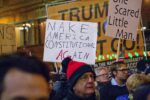
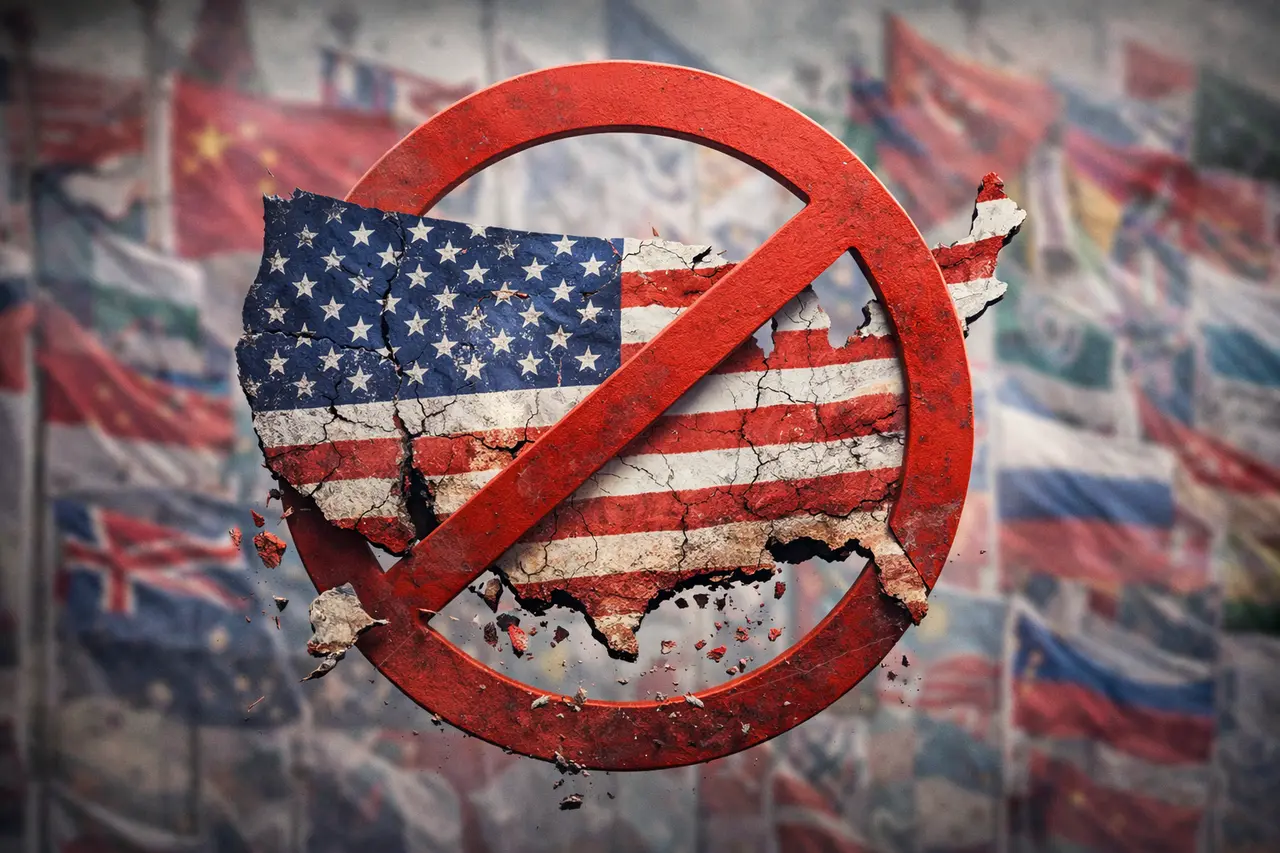

President Trump has caused so much damage to the country. Is he pushing the world to boycott the United States?
In a striking opinion piece published by Al Jazeera on February 5, Donald Earl Collins — a Professorial Lecturer at American University in Washington, D.C. — made a case that would have seemed unthinkable just a few years ago: the rest of the world should launch a coordinated boycott and divestment campaign against the United States of America.
Collins’s argument arrives at a moment when the actions of the Trump administration have pushed the boundaries of what many thought possible in a modern democracy.
The professor doesn’t mince words about why he believes this moment demands an extraordinary response. Under President Trump, he writes, the U.S. “has, over the past year, consistently violated international norms and laws.”
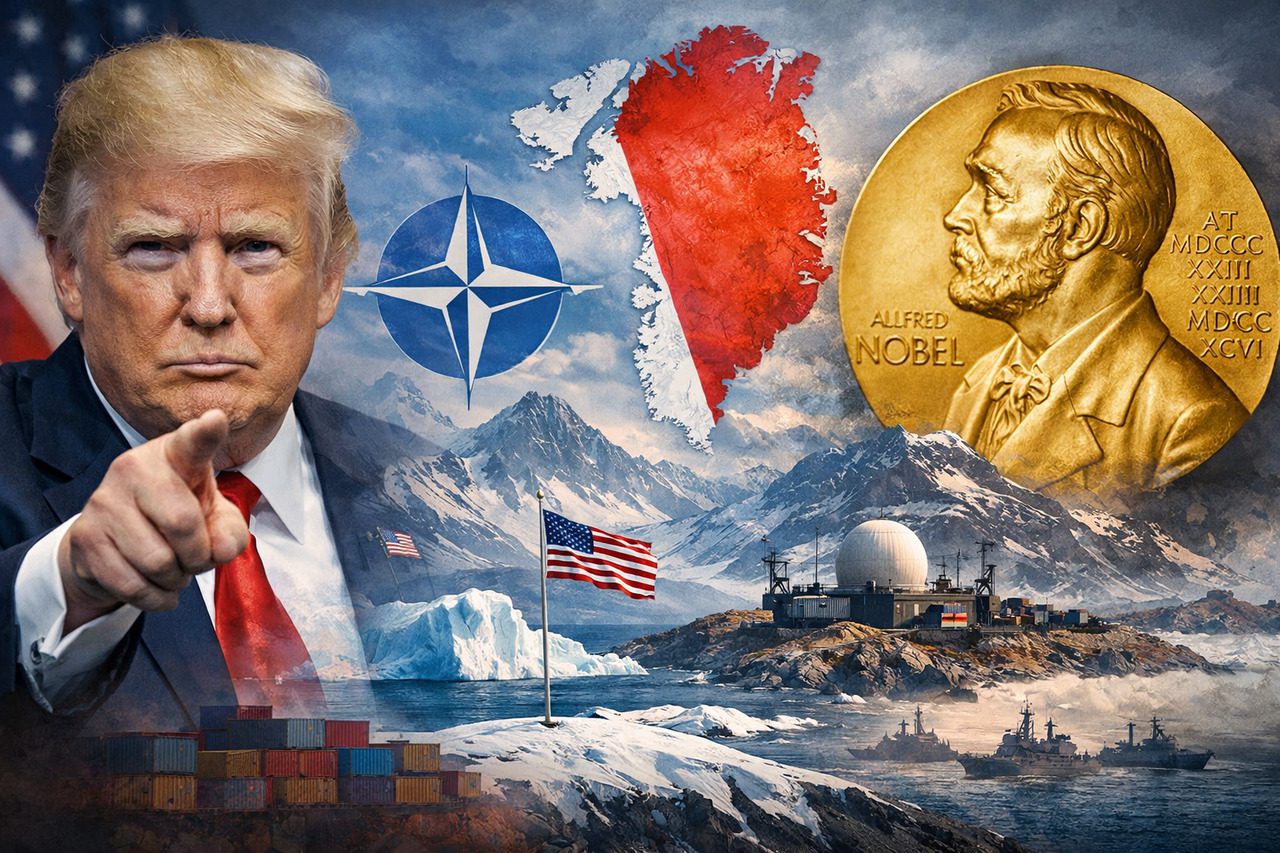
He points to a dizzying list of aggressive actions abroad — from bombing Nigeria under the guise of defending Christians, to invading Venezuela and arresting its president, to openly threatening military intervention against Iran, Greenland, and Mexico.
But for many readers, the most painful sections of Collins’s piece may be the ones that focus on what is happening inside U.S. borders.
The Human Cost at Home
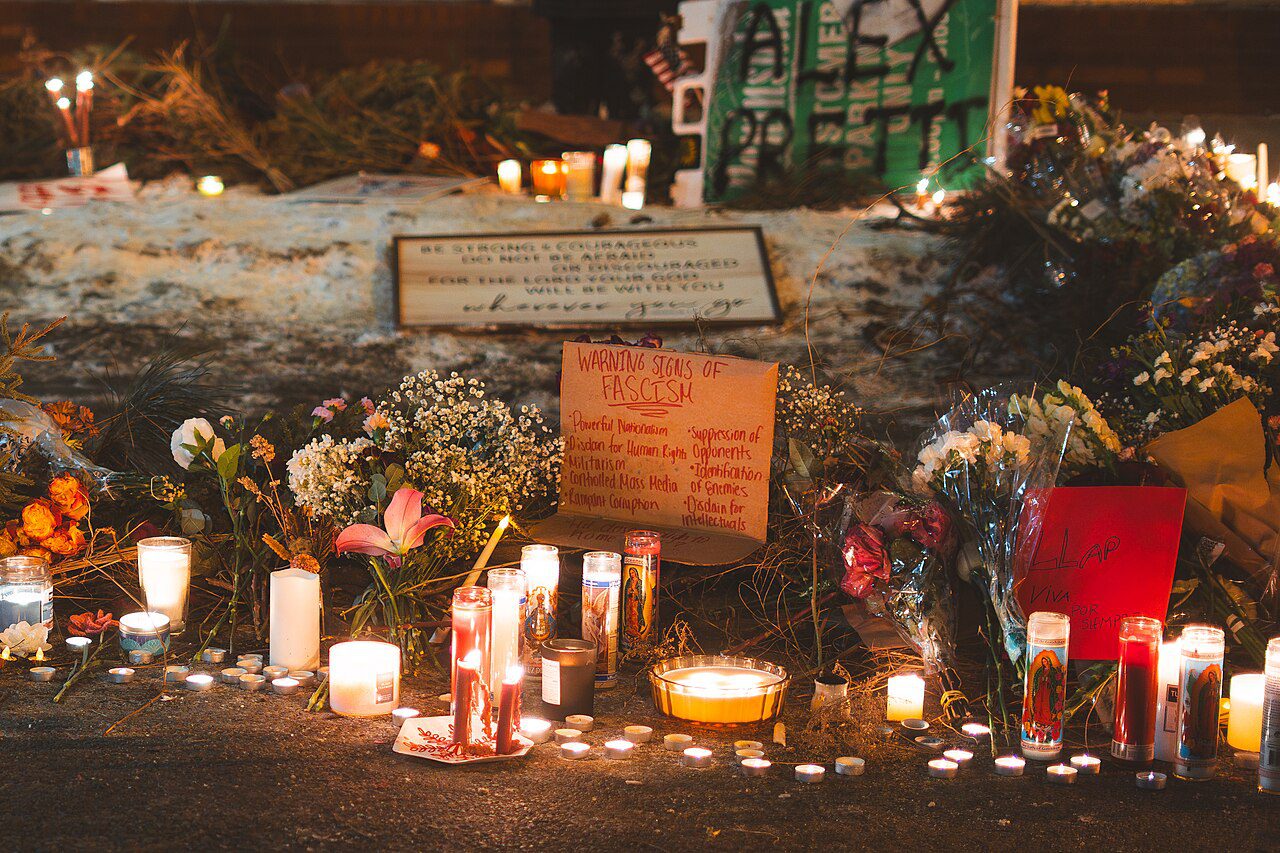
Collins highlights the devastating toll of Immigration and Customs Enforcement operations, noting that since the start of 2026, federal immigration officers have shot and killed at least three U.S. citizens: 43-year-old Keith Porter Jr. in California, and 37-year-olds Renée Nicole Good and Alex Pretti in Minnesota.
He emphasizes that both Good and Pretti were killed on camera, with footage captured from multiple angles — incidents that have fueled growing public horror over the lethal force being wielded by immigration agencies against the very citizens they claim to protect.
These are not abstract policy debates. These are people — Americans — with families, communities, and lives that were ended by the agencies of their own government. The fact that ICE agents are killing U.S. citizens in the course of carrying out mass deportation operations should alarm every person who believes in basic human rights, regardless of political affiliation.
Collins draws a sharp contrast between how the international community responds to abuses committed by other nations versus how it treats the United States. He argues that if “this were almost any other country,” the world “would already be calling for sanctions and embargoes against the US.”
Drawing on the Legacy of Dr. King
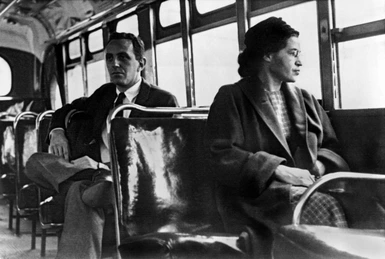
One of the most compelling threads in Collins’s essay is his connection between the proposed boycott and the legacy of the Civil Rights Movement. He invokes Dr. Martin Luther King Jr. and the 381-day Montgomery Bus Boycott of 1955-1956, when approximately 40,000 Black residents of Montgomery, Alabama either carpooled or walked rather than ride segregated buses. King’s words from that era resonate powerfully in today’s context. Defending the boycott at the time, King said it was “more honourable to walk in dignity than ride in humiliation.”
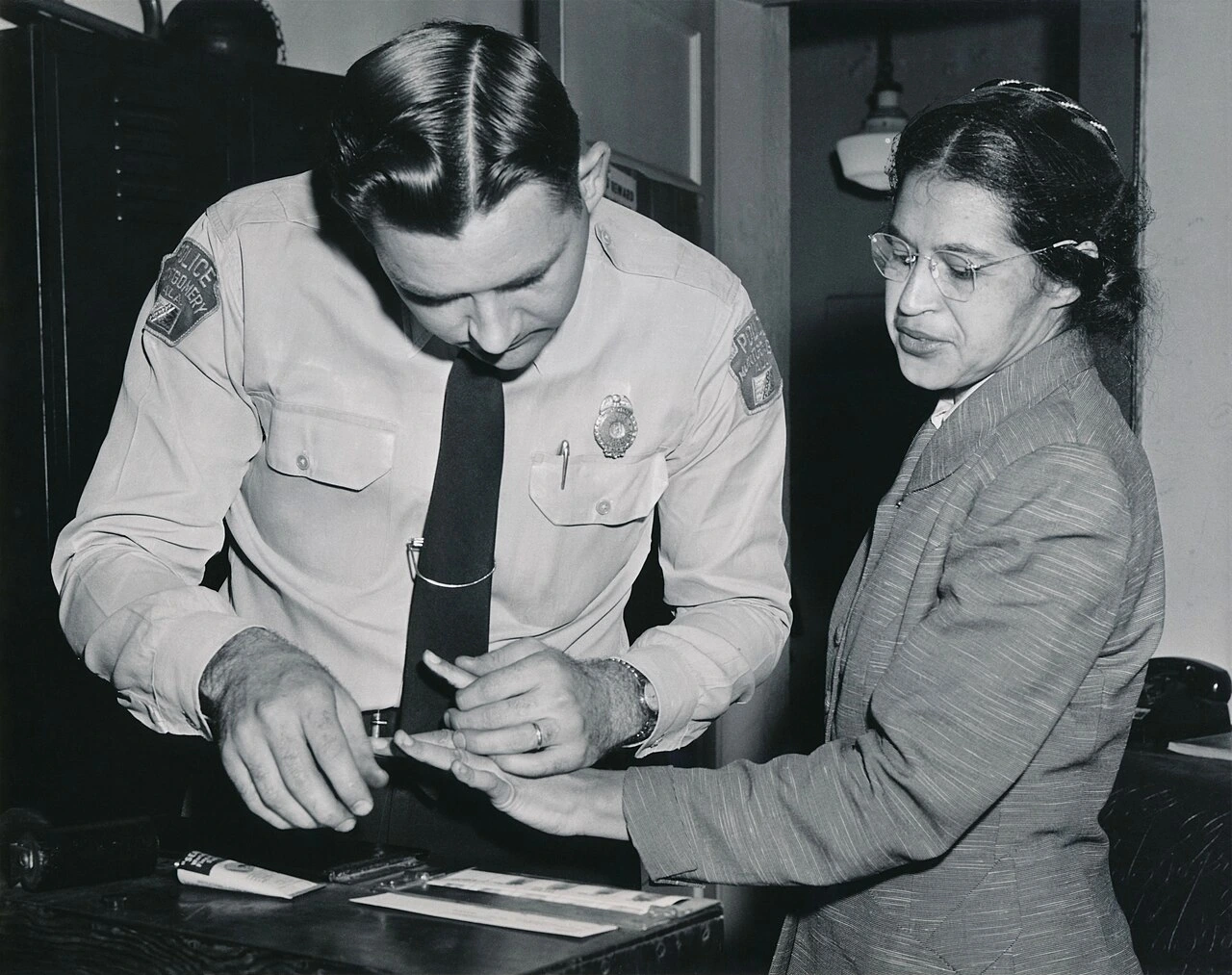
Collins reminds readers that the boycott wasn’t simply a response to Rosa Parks’s arrest — it was an answer to decades of dehumanization on public transportation. And the backlash was severe: mass arrests, threats, and even the bombing of King’s own home. Yet it worked. King framed the purpose clearly at the time, stating that the movement’s “aim has never been to put the bus company out of business, but rather to put justice in business.”
It is that phrase — putting “justice in business” — that Collins uses as a bridge to the present day, arguing that the same principle must now be applied on a global scale.
A Framework Built on BDS and Anti-Apartheid History
Collins proposes that the world model a U.S. boycott on the Palestinian-led Boycott, Divestment, and Sanctions (BDS) movement against Israel, which itself drew inspiration from the global anti-apartheid campaign against South Africa in the 1970s and 1980s.
He notes that while powerful lobbies have labeled BDS as anti-Semitic, the movement has succeeded in raising global awareness about the systematic oppression of Palestinians — and likely contributed to preventing the genocide in Gaza from ever receiving broad international support.
As for concrete targets, Collins outlines several. He points to growing calls to boycott the 2026 FIFA Men’s World Cup, set to take place largely in U.S. stadiums this summer. Social media campaigns urging people to cancel tickets and travel plans have gone viral, particularly after the killing of Renée Nicole Good by ICE agent Jonathan Ross on January 7.
But Collins argues that boycotting even the world’s largest sporting event “is hardly enough to pressure an increasingly belligerent and autocratic regime.”
He calls for boycotts and divestment from U.S. corporations that support the oppression of marginalized people — specifically naming Google, Amazon, and Palantir for their surveillance investments. He urges disinvestment from U.S.-based media monopolies, including News Corp, The Washington Post, and Paramount Global. He also targets upcoming cultural milestones: the America250 celebrations in July, the 2028 Los Angeles Olympics, and events like Coachella and the Met Gala.
A Painful Reckoning
Collins closes his piece by returning to Dr. King — not the sanitized version so often invoked by politicians, but the King who, by the end of his life, had arrived at a far more radical critique of American power.
In 1967, King declared that “the evils of capitalism are as real as the evils of militarism and racism” and that racial and economic injustice “cannot be solved without a radical redistribution of political and economic power.” Collins argues this is something “the world needs to remind the US of in 2026.”
Whether or not one agrees with the full scope of Collins’s proposal, his essay forces an uncomfortable but necessary conversation.
The United States has long positioned itself as the arbiter of international order — imposing sanctions, demanding accountability, and lecturing other nations about human rights.
Collins asks a simple question: who holds America accountable when it violates those same standards?
For those of us who track the human rights abuses happening in ICE detention centers, who have watched footage of federal agents killing civilians on American soil, who have witnessed the administration’s open contempt for international law — the question is not academic. It is urgent.
The full opinion piece, titled “It’s time for the world to boycott the US,” is available at Al Jazeera.
Resist Hate (resisth8.com) reports on human rights, civil liberties, and the ongoing struggle against hate and authoritarianism.