

I was inspired to write this piece after watching a podcast clip in which the host confidently declared that we no longer need DEI policies because everything in America “is now fair and equal.” He also claimed that DEI actually discriminates against White, heterosexual men.
Both of those statements are false — and dangerously so.
In this article, we’ll look at the current state of DEI in America, fact-check some of the most common myths about diversity, and examine the data that proves we are nowhere close to “fair and equal.”
The numbers don’t lie, even when politicians do.
Republicans Have Made DEI a Target
In recent years, Republicans have escalated their attacks on diversity, equity, and inclusion programs. President Donald Trump didn’t just criticize DEI — he dismantled it across the federal government.
His administration eliminated DEI offices, fired workers whose job titles included the word “diversity,” and banned the use of preferred pronouns in government email signatures.
That last move — the pronoun ban — is worth pausing on. It’s not a serious policy.
It’s a performance.
It’s designed to signal to his base that he’s fighting “wokeness” in all its forms, even though he has struggled to define what that word actually means.
In practical terms, it means that a woman named Tyler or Charlie now has to deal with colleagues addressing her as “sir” in emails because she’s no longer allowed to clarify.
Pro Tip
If you’re in a workplace that has banned pronouns in email signatures, include a profile photo in your signature instead. It communicates the same information without using a single word.
To be fair, the pronoun ban only applies to government email accounts — not personal or private-sector email.
But telling federal employees how they can and cannot sign their own messages is still petty and unnecessary.
What “Woke” Actually Means
Using someone’s preferred pronouns isn’t radical. It’s a basic courtesy — a small gesture to make sure everyone feels respected and included.
Over time, healthy societies evolve. They adopt new norms that reflect a deeper understanding of the people who live in them.
That’s not “wokeness.” That’s the natural progression of a civilized society.
But if you listen closely to how Republican politicians use the word “woke,” a pattern emerges.
They aren’t using it to describe a specific policy or ideology.
They’re using it as a catch-all term for anything related to inclusivity, empathy, or social progress — things that, in any other context, we’d simply call growth.
A second, even more troubling pattern is the way the phrase “DEI hire” is being used.
When someone calls a person of color, a woman, a person with a disability, or a member of the LGBTQ+ community a “DEI hire,” they are saying — whether they realize it or not — that this person couldn’t possibly have earned their position on merit. That it must have been handed to them because of some diversity policy.
That’s not a policy critique. It’s a slur dressed up as one.
Integration vs. Assimilation: A Distinction That Matters
To understand the deeper roots of the anti-DEI movement, it helps to understand the difference between integration and assimilation.
Integration means two cultures come together and adopt elements of each other. It’s a mutual exchange.
Assimilation, on the other hand, is a one-way process where a group is expected to abandon their own culture and adopt the dominant one.
After the abolition of slavery, the expectation placed on Black Americans was never integration — it was assimilation.
They were expected to conform to a White-dominated society, complete with institutions that had racism embedded in their foundations.
This is the core premise of Critical Race Theory — a legal framework for examining how systemic racism has been woven into American institutions since long before the Civil Rights Movement.
CRT has always been a legal theory studied in law school. It was never taught in elementary schools. But Republicans simplified it into a catch-all term for “teaching kids about race and slavery,” then attacked it relentlessly — claiming it was designed to make White children feel guilty.
Then, almost overnight, the outrage vanished after Trump won in 2024.
Strange how an “existential threat to our children” can disappear from the national conversation so quickly when it’s no longer politically useful.
I’d like to offer a personal note here: I learned about slavery and the Civil Rights Movement in school, and not once did I feel guilty for things that happened before I was born. I felt sadness and compassion for the people who suffered — but that’s called empathy, and it’s not the same thing as guilt.
The only people who would associate guilt with learning about this history are people who recognize something uncomfortable in themselves. That’s my personal opinion — not a blanket accusation — but it’s worth thinking about.
The Value of Cultural Diversity
One of the best things about the United States has always been the ability to experience different cultures without leaving the country.
Chinatown neighborhoods, Puerto Rican communities with vibrant murals and colorful storefronts, Cuban and Jamaican enclaves — these aren’t just “ethnic neighborhoods.”
They’re living proof that a society is richer when people are free to maintain their cultural identities while contributing to the broader community.
The small city closest to me has a Puerto Rican community with churches, restaurants, and stores. Beautiful, colorful murals cover the sides of buildings, and the bright yellow paint on the corner store’s brick exterior brings the whole block to life.
There are also Cuban, Mexican, Chinese, and Jamaican communities nearby. I might never have discovered them if I hadn’t spent so much time walking those streets during my years of addiction. (Six years sober now.)
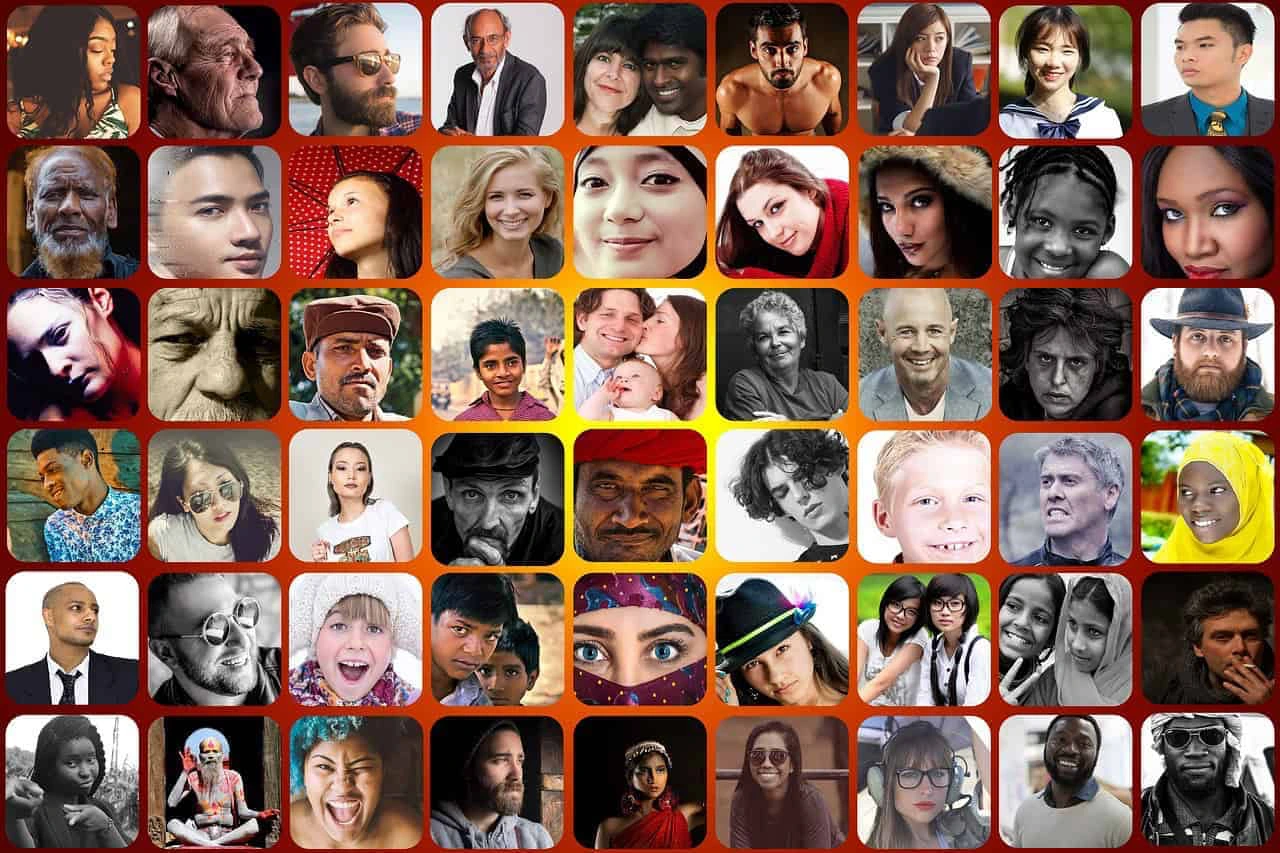
DEI, at its core, is about protecting and celebrating this kind of diversity — not erasing it.
DEI Myths: Busted With Facts
There are a lot of misconceptions about what DEI is and what it does. Here are some of the most common myths — and the reality behind them.
MYTH: Diversity efforts only benefit specific groups.
FACT: Diverse teams drive innovation and creativity across entire organizations. When different perspectives are represented, everyone benefits from better problem-solving and more creative thinking.
MYTH: Inclusion is just about hitting demographic numbers.
FACT: Inclusion goes far beyond representation. It’s about creating an environment where every person feels they belong, that their voice matters, and that they can contribute fully.
MYTH: Equity means treating everyone exactly the same.
FACT: Equity recognizes that people start from different places and face different barriers. It’s about ensuring fair outcomes — not identical treatment.
MYTH: DEI initiatives are unnecessary in modern workplaces.
FACT: The data consistently shows that workplaces with strong DEI programs have higher employee satisfaction, better retention, and stronger performance.
MYTH: Embracing diversity creates division.
FACT: The opposite is true. Embracing diversity builds cultures of mutual respect and understanding. Division comes from exclusion — not inclusion.
MYTH: Equality and equity mean the same thing.
FACT: Equality means giving everyone the same thing. Equity means giving everyone what they need to have a fair chance. They are related concepts, but they are not interchangeable.
MYTH: Inclusion is just an HR issue.
FACT: Inclusion is a collective responsibility. It benefits every level of an organization, from leadership to front-line employees.
The Numbers Tell the Story
If you still believe the playing field is level, consider these facts:
Women make up roughly half of the American workforce, yet they hold a fraction of CEO positions at major companies. The disparity is even more stark for women of color.
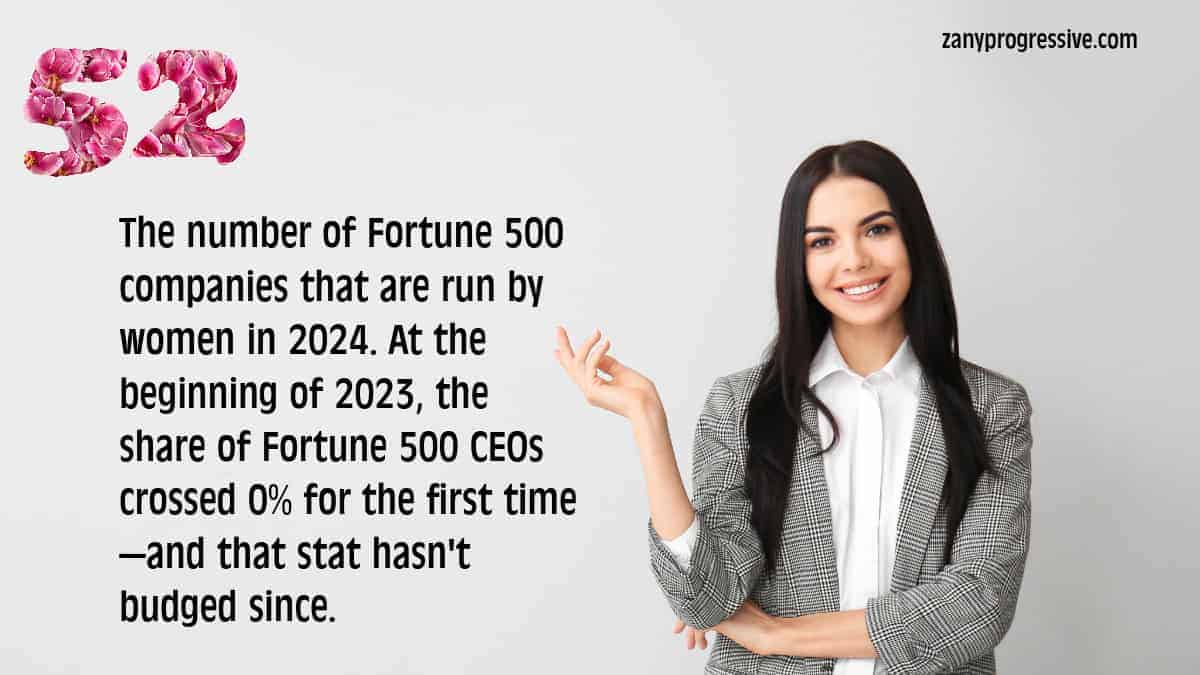
Black Americans represent about 13% of the U.S. population, but the number of Black CEOs at Fortune 500 companies has rarely exceeded single digits at any given time.
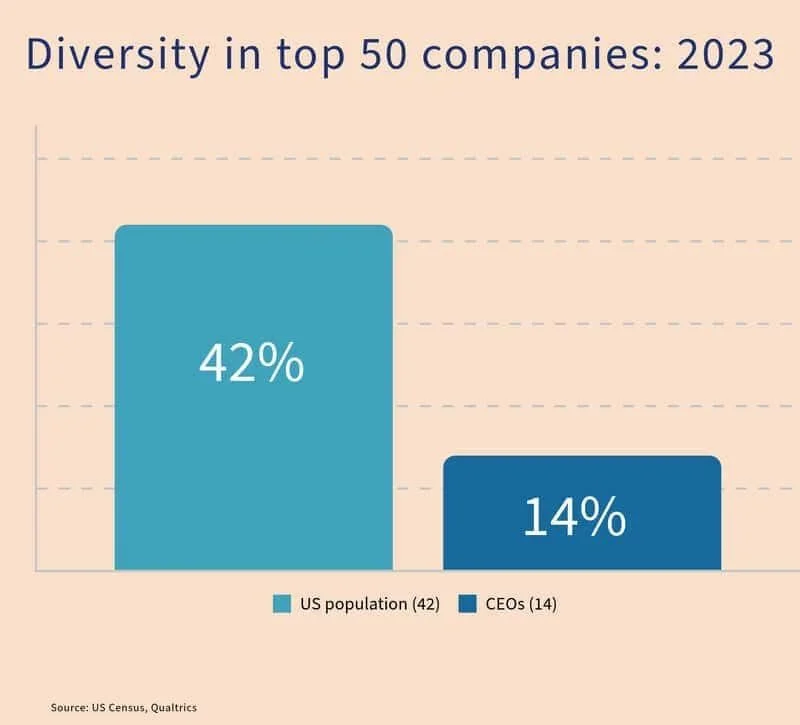
In 1960, women made up a tiny percentage of Congress. While representation has improved over the decades, women still hold fewer than 30% of seats in the House and Senate — far from reflecting the actual makeup of the country.
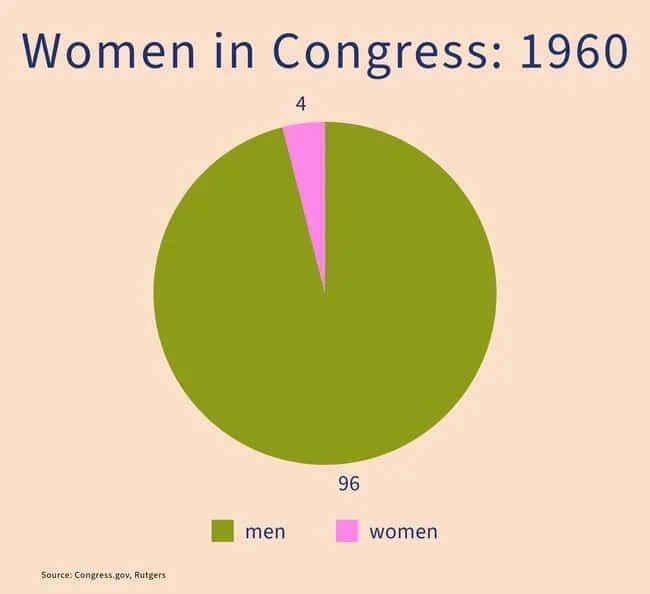
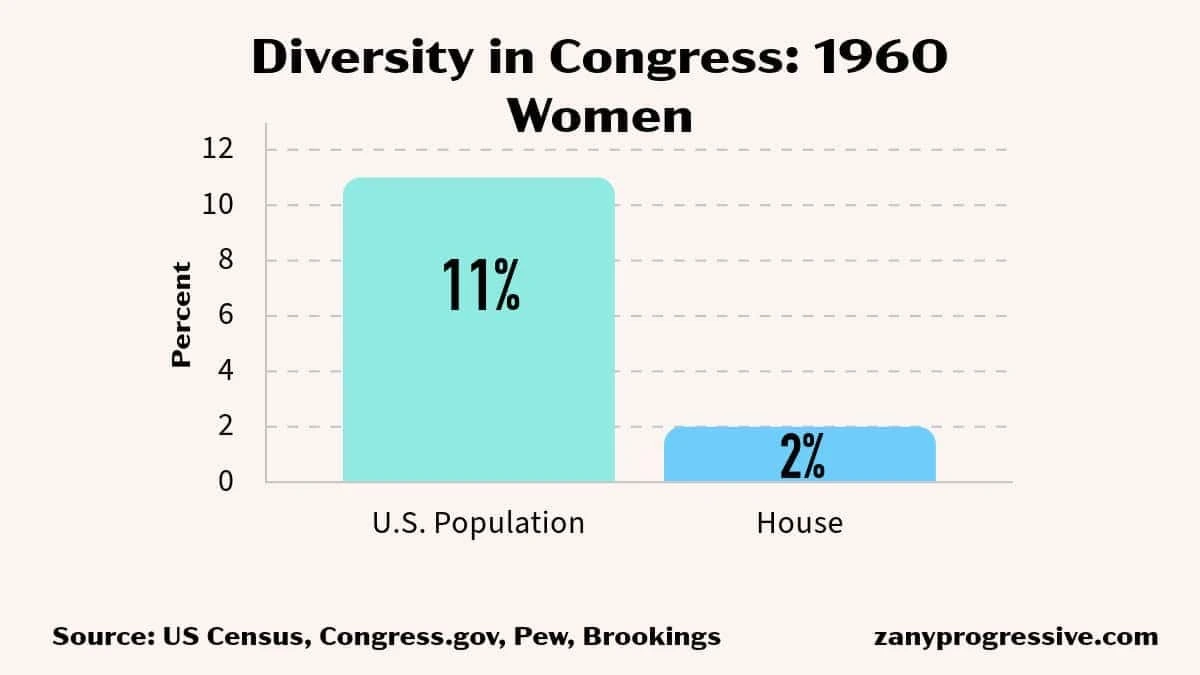
These aren’t opinions. They’re facts. And they paint a clear picture: we are not yet living in a society where opportunity is distributed equally.
The Bottom Line
DEI isn’t about giving anyone an unfair advantage. It’s about acknowledging that the playing field has never been level and taking deliberate steps to change that.
It’s about building workplaces, institutions, and communities where talent and hard work are what matter most — regardless of someone’s race, gender, disability, or sexual orientation.
The attacks on DEI aren’t really about fairness. They’re about maintaining a status quo that has historically benefited some groups at the expense of others.
When politicians call DEI “discrimination against White men,” they’re not defending equality — they’re defending a system that was never equal to begin with.