


Gaslighting is a term often used in the context of legacy media and government. President Trump and his administration are responsible for the gaslighting of America.
Republicans have been doing it for years, but it’s much easier to recognize in this moment with the Epstein files cover-up.
In this article, you’ll learn what gaslighting is, how it works, why it’s done, and how to know if it’s happening to you.
Editor’s Note: This article was first published before Trump was showing any major authoritarian tendencies.
In light of recent events, I felt it was time to update and republish it.
Why now? A Trump supporter on X posted a photo of the No Kings protest in North Carolina.
He complained about how “ungrateful those people were” after “everything Donald Trump had done for them.”
Something about them not having running water a year ago?
I was confused, so I put on my “Trump lies” cap and tried to think what lies he told or what misinformation Fox News might have spread that could possibly lead anyone to believe Trump “did amazing things to help the people of states all over the country. (He didn’t stop at NC).
Eventually, I figured it out. This is a post from September 2025. It’s a screenshot, so you won’t be able to read the article being shared. Everything you need to know is in the comment and the image.

The experience reminded me of this article—and after the Trump supporter’s false claims (and the number of users in the comment section confirming this false reality), I realized how important it is that everyone is aware of what Trump does and how successful he is at getting people on the Right to believe his false narratives.
TLDR: Key Facts About Gaslighting
- If you suspect you’re being gaslighted it’s important that you document your experiences and feelings. Talking to a trusted friend, therapist, or counselor can provide clarity and support.
- Gaslighting can be both intentional and unintentional. Some people may not realize their actions are manipulative. However, the effects can still be damaging, whether the behavior is deliberate or not
- Gaslighting can lead to anxiety, depression, and a diminished sense of self-worth.
- Common phrases used in gaslighting include: “You’re overreacting,” “That never happened,” or “You’re remembering it wrong.” These statements are designed to make the victim doubt their perceptions and feelings.
Gaslighting is a psychological manipulation tactic used to make a person doubt their own reality, memory, feelings, or perceptions.
It’s a term that has gained popularity in recent years, but its roots can be traced back to the 1938 play Gas Light, where a husband manipulates his wife into believing she’s going insane.
This tactic can occur in various settings, from personal relationships to government/society contexts.
What is Gaslighting?
At its core, gaslighting involves the abuser distorting reality to undermine their victim’s confidence in their own thoughts and feelings.
It can manifest as outright lies, denial of previous statements, or presenting false information to confuse the victim.
The goal isn’t just to control the victim but also to create a dependence on the abuser for a sense of reality.
Donald Trump makes his supporters believe there is no one they can trust—except him.
The term gaslighting has evolved from its theatrical origins to become a significant concept in discussions around mental health and interpersonal relationships.
Historically, it has roots in various forms of psychological manipulation, and numerous cultures have documented similar behaviors under different names.
The prevalence of gaslighting in abusive relationships has also been highlighted in clinical psychology, emphasizing its damaging effects on mental health.
Trump’s gaslighting of America has caused millions of Americans to “live in an alternate reality.”
A reality he has designed where he controls the narrative in the conservative media ecosystem.
He has them believing that everyone else is lying and trying to hurt them.
During the COVID pandemic, his supporters trusted what Trump was telling them over the guidance and advice from their own doctors, scientists, and the Centers for Disease Control (CDC).
A disease carried by mosquitoes, called Dengue, had been rare in the U.S. but cases are increasing in Florida, California, and Texas.
Cases are increasing in Florida—where Alligator Alcatraz is located—and people detained there have reported swarms of giant mosquitoes.

If things were to get as bad as researchers are concerned they might, pay attention to what Trump says (but listen to the professionals)
Once you understand more about the concept of gaslighting, the relationship between Donald Trump and his “cult” will make more sense.
When first entering politics in 2015, Donald Trump immediately started the gaslighting of America.
Calling cable news outlets and newspapers “Fake News” was just the beginning of his quest to become the sole arbiter of truth.
Luckily, Trump’s attempts at gaslighting the entire country only succeeded in a small percentage of Americans—MAGA.
He successfully manipulated MAGA into believing that all of the news outlets, journalists, government officials, scientists, medical professionals, colleges/universities, immigrants, and (especially) Democrats were all out to “get them” and everything those people/institutions said was a lie.
The only one being honest and giving them the actual facts…
was Donald Trump.
Classic gaslighting.

In Entertainment
Gaslighting has been depicted in numerous films and television shows, often to illustrate the darker sides of relationships.
For instance, in Gone Girl, the story revolves around manipulation and the lengths to which one can go to distort another’s reality.
Similarly, shows like Big Little Lies explore themes of deceit and emotional abuse, bringing gaslighting into the mainstream conversation.
These portrayals serve as a cautionary tale and raise awareness about the importance of recognizing its presence in everyday life.
How Gaslighting is Used
Gaslighting is most commonly recognized in personal relationships, whether romantic, familial, or friendships.
In these contexts, one partner may consistently undermine the other’s feelings or experiences, leading to emotional instability.
This could include trivializing their partner’s emotions, denying past events, or accusing them of being overly sensitive.
Have you ever had someone claim, “I never said that!” when you know for certain they did? That’s a common example of gaslighting.
The victim often feels trapped, unsure of their own feelings or memories, creating a cycle of dependency and confusion.
For example, a partner might laugh off their significant other’s concerns about fidelity, insisting that they’re imagining things.
Over time, the victim may start to believe they are indeed overreacting, leading to self-doubt and an erosion of self-esteem.
Recognizing these patterns is necessary for a victim to break free from the cycle of manipulation and reclaim their reality.
Gaslighting isn’t limited to personal relationships; it often rears its head in workplace dynamics as well.
Employees may encounter gaslighting from supervisors who manipulate information, deny discussions, or shift blame to confuse and control their subordinates.
This can create a toxic work environment where employees feel unsupported and unsure of their contributions.
For instance, a manager might claim that a project meeting never happened, leaving an employee questioning their own memory and efforts.
This not only affects the individual’s mental health but can also impact team trust and productivity.
Alternative Facts and Misinformation
Gaslighting can also occur on a larger scale through media and communication platforms.
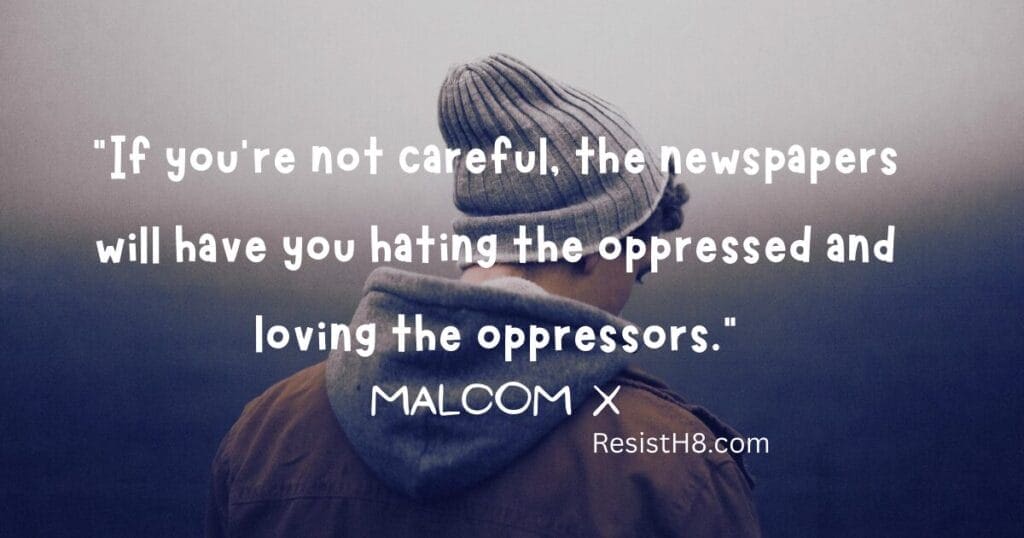
Misleading information, alternative facts, and deliberate misinformation can create a distorted sense of reality for the public.
This phenomenon is particularly troubling in the age of social media, where false narratives can spread rapidly, leading to widespread confusion and mistrust.
The “Big Lie” about the 2020 election results is a great example of this.
Elon Musk shared an AI-generated video of Kamala Harris during the 2024 election campaign, with her voice cloned. The video made it seem as if she were saying things she never said.
Some people aren’t tech-savvy, or they don’t possess the same abilities others have to discern whether a photo was AI-generated or manipulated.
X has the most misinformation, disinformation, and hate speech of all social media platforms. Users can become confused about what’s real and what’s fake.
When individuals are bombarded with contradicting information, they may begin to second-guess their own understanding of events.
This manipulation of public perception is a powerful tool often used by those in authority to maintain control and shape narratives to their advantage.
Could that be what happened with January 6th?
Recognizing Gaslighting: Signs That You’re Being Manipulated
Constant self-doubt
One of the most significant signs of being gaslighted is a continuous sense of self-doubt.
With President Trump gaslighting the country, people are constantly asking if they are “losing it” or if the U.S. is actually becoming a fascist country.
If you find yourself questioning your memory, feelings, or sanity after interacting with someone, that’s a red flag.
Gaslighters excel at making you feel uncertain about what you know to be true, leading to confusion and insecurity.
This self-doubt can manifest as an inability to trust your instincts or a tendency to apologize excessively for your feelings.
Recognizing this pattern is the first step toward reclaiming your confidence and setting boundaries with those who manipulate your reality.

Feeling Isolated
Gaslighters often employ tactics that isolate their victims from friends, family, or support systems.
They may suggest that others “don’t understand your situation” or that “you’re the only one who feels this way.”
This isolation creates a breeding ground for manipulation, as victims become increasingly reliant on the abuser for validation.
Feeling isolated is not just about physical distance; it’s also emotional.
If you feel alone in your experiences and unable to share your feelings with others, that’s a significant indicator of abuse.
Reconnecting with supportive friends or family members can help you gain perspective and reclaim your identity.
Gaslighting by Authoritarian Leaders and Donald Trump: A Power Play
Gaslighting extends beyond personal relationships and can be observed in the tactics used by authoritarian leaders.
These leaders often manipulate public perception to maintain power, employing strategies that distort facts and create confusion among the populace.
They may deny facts (”Russia, Russia, Russia hoax!”), promote conspiracy theories, or present alternative narratives to undermine trust in established institutions.
This manipulation serves to solidify their control and create a culture of fear where dissent is not tolerated.
By creating doubt and uncertainty, they ensure that citizens are less likely to challenge their authority or question their actions.
“Are all immigrants actually criminals?” “Is Donald Trump a stable genius?”
Creating a Culture of Fear and Doubt
In environments dominated by manipulation, individuals may feel trapped and fearful of expressing their opinions or dissenting viewpoints.
Authoritarian regimes often thrive on creating a culture where questioning the status quo is seen as dangerous.
This atmosphere stifles critical thinking and encourages conformity, allowing leaders to manipulate reality without challenge.
As people begin to doubt their perceptions and beliefs, they become more malleable and susceptible to control.
Recognizing these patterns on a societal level plays an important part in protecting democracy by empowering individuals to speak out against the lies and false narratives.
Trump administration officials came out immediately after the shootings of Renee Good and Alex Pretti to lie about what happened. Without videos of the incidents, the country wouldn’t have known they were lying.
Historical Examples of Authoritarian Gaslighting
Throughout history, there have been numerous examples of authoritarian figures using gaslighting.
One case is that of Joseph Stalin, who manipulated public perceptions through propaganda while denying events like the Great Purge.

His regime instilled fear, ensuring that people doubted their knowledge of history and the truth.
President Trump has denied history and science. He removed items from a museum that he didn’t like, fired scientists at NIH, and is now having Freedom Trucks travel the country with PragerU versions of American history on display.

More recently, leaders using similar tactics can be found across the globe. They are employing social media and communication technologies to spread misinformation to maintain their grip on power.
Taking Back Your Reality
Recognizing gaslighting is the first step toward reclaiming your reality.
Awareness of manipulative behaviors empowers individuals to set boundaries and seek support.
It’s important that you develop a strong sense of self and validate your experiences.
Engaging in self-reflection, journaling, or speaking with a trusted friend can help solidify your understanding of your feelings and experiences.
Remember, you’re not alone in this struggle, and there are communities and resources available to support you.
Resources for Support
If you or someone you know is experiencing gaslighting (besides what’s coming from government), it’s important to seek help.
Mental health professionals, support groups, and hotlines can provide guidance and resources.
If you’re experiencing domestic violence (mental abuse is abuse), you can reach out to the National Domestic Violence Hotline:
Website, Phone: 1-800-799-7233, or text: 88788
As a country we can lean on each other, try not to isolate, and spend time with friends or family. Attend mass protests like No Kings to push back against the lies while engaging with people who share your perception of reality.
Awareness and education are powerful tools in combating gaslighting, both personally and societally.
By understanding the dynamics of manipulation, we can work to create healthier environments—whether in relationships, workplaces, or entire democracies—where honesty and validation thrive.
See the article on Donald Trump’s use of another psychological manipulation tactic: Projection.
Don’t miss the Life in Trump’s America Series. A collection of stories about an American living under the Trump Administration a year from now.
Finally, be sure to check out the 10 signs of fascism so you’ll be able to recognize it before it’s too late.