

Mass shootings are a reality for everyone living in the United States. It doesn’t have to be this way but nothing will ever change unless we get money out of politics. The politicians taking money from the gun lobby and the National Rifle Association (NRA) will never vote for any form of gun control legislation, regardless of the fact that a majority of Americans support mandatory background checks and Red Flag laws (including gun owners).
Instead of doing something to fix the problem, students are forced to participate in active shooter drills at public schools. But how can you prepare?
What should you do to survive a mass shooting? This article discusses strategies for surviving a mass shooting as a type of “Active shooter drill” for the rest of the population.
Key Points
- If you can escape safely, do so immediately. If you can’t escape, find a hiding place and stay quiet until it’s safe to leave.
- Supporting someone after a mass shooting involves listening and validating their feelings.
- Various organizations provide mental health resources for people affected by mass shootings.
- Being prepared mentally and physically increases your chance of surviving a mass shooting.
Understanding the Reality of Mass Shootings
Mass shootings have become a tragic reality in the United States. These incidents, characterized by indiscriminate shooting in public spaces, evoke fear, confusion, and a deep sense of loss among communities.
In order to better understand mass shootings, we need to look at their frequency, their characteristics, and the underlying factors that contribute to these acts of violence.
Overview of Mass Shootings in the United States
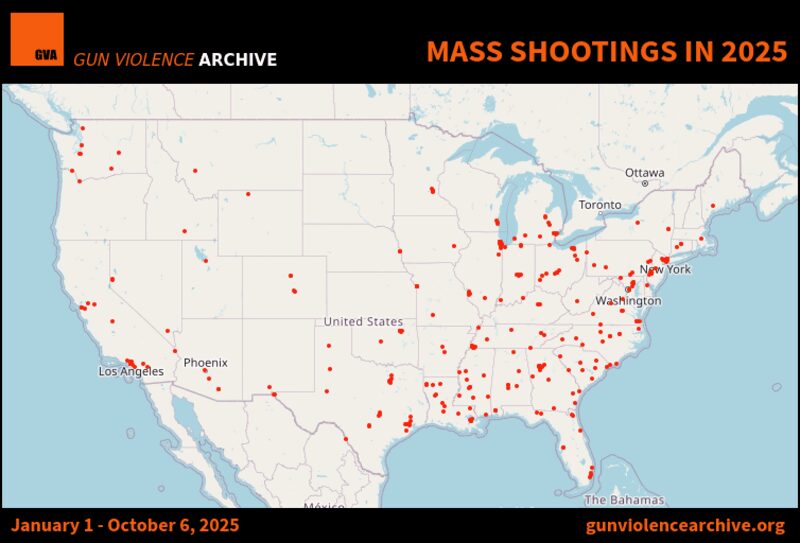
Over the past few decades, the frequency of mass shooting events in the United States has increased, with many high-profile incidents making headlines.
According to the Gun Violence Archive, there were over 500 mass shootings recorded in 2024 alone, a staggering figure that highlights the urgent need for awareness and preparedness.
Mass shootings often occur in places where people gather, such as schools, shopping malls, and concerts, shaking the very foundation of public safety and community trust.
Each incident is unique, but the common thread is the impact on victims, families, and entire communities.
The data reveals not only the scale of the tragedy but also the demographic diversity of the victims, proving that anyone can be affected regardless of age, gender, or background.
To address this issue, communities need to understand the patterns and motivations behind these acts of violence.
The Impact of Mass Shootings on Communities
The aftermath of a mass shooting extends far beyond the immediate loss of life. Communities often face a long and painful recovery process, struggling with grief, trauma, and fear.

Survivors may be dealing with physical injuries, while witnesses and families of the victims endure emotional scars that can last a lifetime.
Schools may implement lockdown drills, and public spaces may adopt stricter security measures, fundamentally changing the way communities interact with each other.
Public discourse surrounding gun control, the mental health crisis, and violence prevention increases after each event. Communities often rally together, forming support groups and advocacy networks to push for change and to promote healing.
The resilience of individuals and communities is tested, but it also provides an opportunity for collective growth and understanding.
Preparation Before an Incident
While the unpredictability of mass shootings can be daunting, there are steps you can take to prepare yourself and increase your chances of survival.
Being proactive in understanding possible threats and developing safety protocols can have a huge impact in a crisis.
Recognizing Potential Threats
Awareness is key when it comes to personal safety. Familiarizing yourself with the signs of potential threats—such as unusual behavior from individuals, threats made in person or online, and increased tension in certain areas—can activate your instinct to act.
The FBI emphasizes the importance of the See Something, Say Something campaign, which encourages individuals to report suspicious activities to authorities. Trusting your instincts and acting upon your observations can be the key to preventing violent incidents.
Understanding your surroundings is also important. Familiarize yourself with the layout of places you go to often—know where the exits are and how to get to them quickly.
Awareness also includes staying informed about current events and local news that could indicate increased tensions in your area.


Staying Informed About Local Events
Being aware of local events can help you assess potential risks. Mass gatherings, protests, or important community events can sometimes escalate unexpected tensions.
Following local news sources on social media or subscribing to community alerts can keep you informed of any developing situations. Being prepared doesn’t mean living in constant fear but rather equipping yourself with knowledge to make safe choices.
Consider joining community forums or organizations focused on violence prevention and safety. Having discussions about local issues can help community members stay on top of things that could possibly trigger violence.
What to Do During a Mass Shooting
In the face of a mass shooting, the way someone reacts varies. However, it’s important that you remain calm and assess the situation.
Every second counts, and how you respond affects your chances of survival.
Remain Calm and Assess the Situation
When confronted with chaos, it’s easy to panic. However, staying as composed as possible will help you to think clearly and make informed decisions.
I want to take a moment to say that while preparing ahead of a disaster will increase your chance of survival, no one can predict with certainty how they’ll react in a crisis. In that moment, you’re not thinking clearly and there’s chaos happening all around you. However, the more you “play out” an event in your mind and imagine yourself doing the right things, the higher the chance that “muscle memory” will kick in, enabling you to make the best choices regardless of your ability to think clearly in that moment.
Take a moment to observe your surroundings, identify where the shots are coming from, and determine the safest course of action.
If you’re with others, encourage them to remain calm as well, as a collective approach can often lead to better decision-making in stressful situations.
Listen for updates and observe the reactions of others for valuable clues.
If you hear someone saying to run or hide, take these cues seriously but assess whether it is the right decision for you personally.
The goal is to create a plan that maximizes your safety, whether that means finding an exit, hiding, or preparing to defend yourself.
Finding a Safe Location
Once you’ve assessed the situation, your next step is to find a safe location. If you can escape without crossing paths with the shooter, do so immediately.
Evacuating the area should be your top priority, as distance from the threat is your best hope. Look for exits and other opportunities to escape, but avoid crowded exits that could lead to bottlenecks.
If escaping isn’t an option, find shelter as quickly as possible. Look for rooms or areas with locks or that can be barricaded. Staying out of sight is the priority; choose a hiding place where you can remain unnoticed. Turn off your phone, and stay quiet. Remember, the goal is to avoid drawing attention to yourself.
How to Survive a Mass Shooting
Understanding the three primary reactions—running, hiding, and fighting—can help you decide on the best action based on your circumstances.
Running: The Best Option

If there’s a clear path to safety, running is usually the best and most recommended option. Quick and decisive action can save lives.
As you run, encourage others to follow but don’t let the presence of other people inhibit your escape.
Every person’s priority should be their own safety, and movement can often create an opportunity for more people to escape.
While running, keep your hands visible to law enforcement to avoid being mistaken for a shooter. Avoid carrying anything that restricts your movement, and try to stay low to the ground if you hear gunfire nearby.
Be aware of your environment as you escape, looking for cover or safe places to regroup once you’re out of immediate danger.
Hiding: Making Yourself Less Visible
In situations where running isn’t possible, hiding becomes the best option. Choose places that provide good visibility and cover.
Lock doors, turn off lights, and silence your phone. If you’re in a large group, look for places where you can blend into the surroundings, such as behind furniture or in closets.
During this time, situational awareness is important. Listen for updates to determine if it’s safe to leave or if the threat is still present.
Your ability to remain calm and invisible could mean the difference between life and death.

Fighting Back: When All Else Fails
Fighting back should always be a last resort and only considered if your life is in imminent danger.
If you find yourself in a situation where you must confront the shooter, your goal is to incapacitate them quickly.
Use anything at your disposal—chairs, bags, or other items—to distract or overwhelm the shooter.
Coordinating with others nearby increases your chances of overpowering the shooter. Act as a united front because initial surprise and collective action can lead to greater success.
Remember that your safety comes first, and make sure that any action taken is purely defensive in nature.
After the Shooting: Recovery and Support
The aftermath of a mass shooting is full of chaos and sorrow. Recovery is a multi-step process that requires physical, emotional, and community support for the best chance at recovery.
In the immediate aftermath, make sure that all individuals are accounted for and seek medical attention.
Emergency services will play an important role in this phase. Follow their instructions and cooperate fully.
Understand that medical personnel are trained to deal with traumatic situations, so trust their expertise .
Beyond the physical injuries, the mental toll of experiencing or witnessing a mass shooting is often worse.
Post-Traumatic Stress Disorder (PTSD), anxiety, and depression are common outcomes among survivors.
Accessing mental health resources is necessary in recovery, whether through therapy, counseling, or support groups specifically designed for victims of violence.
Community organizations often provide resources for mental health support and recovery.
Engaging with these services can help you process your experiences and create a sense of belonging. Remember, asking for help is a sign of strength, not weakness.
Community Support and Healing
Communities can play an invaluable role in recovery after a mass shooting. Together, they can organize support systems, memorials, and forums to discuss the tragedy and work on preventing another one.
The healing process often involves collective grief and recovery efforts, where people share their experiences and support one another through shared trauma.
Advocating for change is also part of community recovery. Many communities will come together and protest for legislative action on gun control, mental health initiatives, and violence prevention programs.
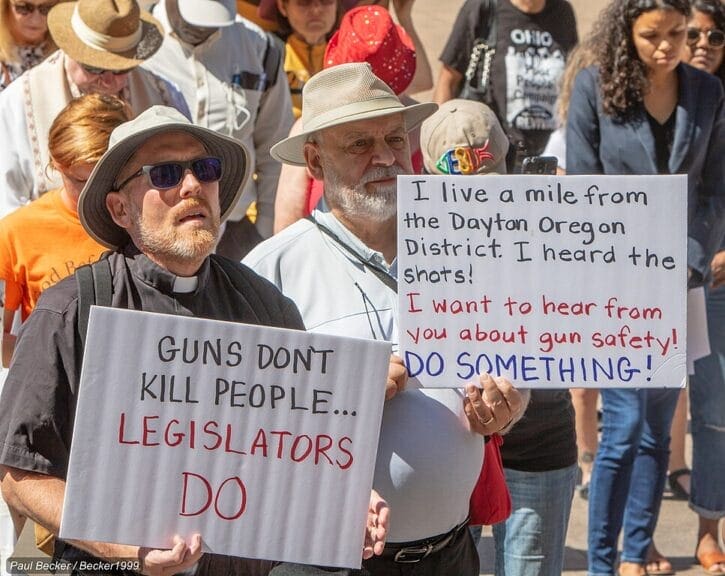
By driving awareness and change, communities can work to ensure that another shooting in that community is less likely to happen in the future.
Mass shootings are tragic events that affect individuals and entire communities. Understanding the realities of these incidents, preparing in advance, effectively responding during an attack, and supporting recovery efforts afterward are all important parts of this issue.
While no one can predict or prevent them entirely, learning the best strategies to survive a mass shooting can significantly improve our safety.
Advocating for Change and Awareness
As communities continue to recover from the trauma of mass shootings, advocating for change is important (though it seems impossible with money in politics).
Raising awareness about the importance of mental health resources, gun control legislation, and community safety initiatives can give individuals the strength to take action and push for positive changes in their community.
By working together, communities can fight for a safer society for everyone.
FAQs
What should I do if I witness a mass shooting?
If you witness a mass shooting, try to remain calm and follow the Run, Hide, Fight protocol. If you can escape safely, do so immediately. If you cannot escape, find a hiding place and remain quiet until it is safe to leave. Always listen for instructions from law enforcement.
How can I help someone who has experienced a mass shooting?
Supporting someone who has experienced a mass shooting involves listening and validating their feelings. Encourage them to seek professional help and offer to accompany them to support groups or counseling sessions. Be patient and understanding as they navigate their recovery process.
Are there resources available for mental health support after a shooting?
Yes, various organizations provide mental health resources for individuals affected by mass shootings. Local community centers, schools, and hospitals often have programs in place. Online resources and hotlines can also provide immediate support and information about counseling services.
What can communities do to prevent mass shootings?
Communities can engage in violence prevention programs, advocate for responsible gun ownership laws, and provide mental health resources. Building a culture of open communication and awareness can help identify potential threats early and mitigate risks.
How can I create a personal safety plan?
Creating a personal safety plan involves identifying safe places, accessible exits, and emergency contacts. Discuss potential scenarios with family members or friends, and practice scenarios where you may need to run, hide, or fight. Being prepared mentally and physically can enhance your safety in an emergency.