


In recent years, our society has witnessed an alarming rise in hate and division, fueled by deep-seated fears and anxieties. This climate of fear isn’t merely a backdrop; it’s an active force shaping our interactions and communities.
The divisive rhetoric, particularly in political discourse, has highlighted prejudices and biases that were perhaps simmering beneath the surface.
As social media amplifies every voice, those promoting hate and division have found platforms to spread their messages, creating an echo chamber of negativity.
Key Points
The Rise of Hate in Political Discourse
Political discourse has taken a sharp turn, especially in the era of social media. Politicians and commentators often resort to inflammatory rhetoric to garner attention. Terms that once might have been considered extreme have become commonplace, normalizing hate speech. This shift creates a dangerous precedent, as it emboldens those with harmful ideologies to voice their opinions more openly. The result is a polarized world where complex issues are reduced to black-and-white narratives, often leaving entire communities marginalized or scapegoated.
This rise in hate isn’t just about words; it’s manifesting in actions. Hate crimes have surged in various parts of the world, with vulnerable groups increasingly targeted. The consequences stretch beyond physical harm; they also affect mental health, creating an atmosphere of fear and mistrust. People begin to question their safety, leading to isolation and a breakdown of community ties.
Two groups often at the forefront of hate and discrimination are immigrants and LGBTQ+ individuals. The narrative surrounding immigrants has drastically shifted, with many political figures framing them as threats rather than contributors to society. This othering process not only dehumanizes immigrants but also reinforces stereotypes that can lead to systemic discrimination. It’s easy to forget that these individuals often seek better lives and contribute richly to the fabric of our communities.
Similarly, the LGBTQ+ community faces rampant challenges rooted in hate. Despite progress in rights and visibility, many still encounter hostility in everyday life. From derogatory remarks to physical violence, the risks are ever-present.
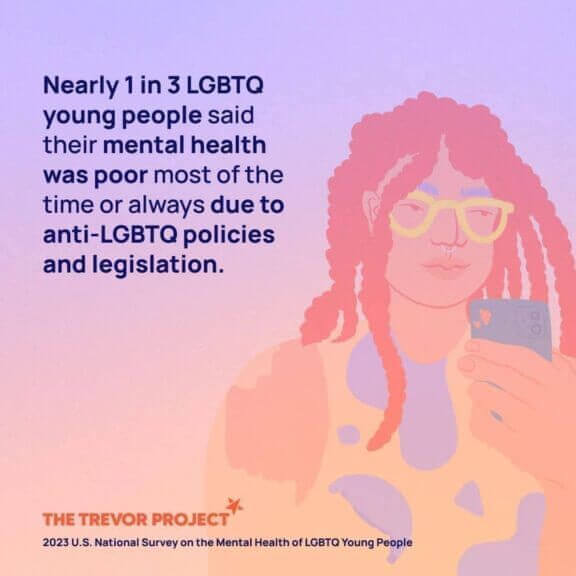
This ongoing discrimination leads to significant mental health issues, as individuals struggle with acceptance and safety. It’s vital to recognize that the fight for equality is far from over, and solidarity across communities is necessary to dismantle these harmful ideologies.
The narrative of blame extends beyond individual communities. Economic issues, such as the rising costs of living and affordable housing shortages, are often laid at the feet of marginalized groups rather than examined critically.
Politicians and media outlets may use scapegoating tactics, suggesting that immigrants or certain communities are responsible for economic hardships. This tactic shifts the focus away from systemic issues like income inequality and corporate greed.
The real impact of this blame game is devastating. Communities become divided, with mistrust brewing among neighbors. Instead of working together to find solutions, people retreat into their silos, perpetuating cycles of hate and division. It’s essential to challenge these narratives and have conversations that focus on understanding and collaboration, paving the way for healthier communities.
The Consequences of Hate
The consequences of hate are profound and far-reaching, affecting not just individuals but entire communities. When hate goes unchecked, it can lead to devastating outcomes that ripple across society. Understanding these consequences highlights the need for collective action against hatred in all its forms.
The Resist Hate Community
We work to combat hate and protect targeted groups. Learn more about what we do or join us. It’s free.
One alarming consequence of rising hate against immigrants is the implementation of mass deportation policies. These policies not only tear families apart but also lead to a climate of fear among immigrant communities.
People living in constant anxiety over their status can deter them from seeking healthcare, education, or reporting crimes, leading to further marginalization.
In one of the cities currently being terrorized by ICE, children and parents were traumatized after they witnessed ICE agents detain a father who was in line to pick up his children from school. They took him away without allowing him to make arrangements for his kids. Other parents in the line were shaken and upset by what they had witnessed.


Now some kids aren’t attending school because their parents are afraid to drop them off and pick them up. This incident wasn’t the first—or the last—time, ICE officers targeted a line of cars at a local school.
The social fabric of communities is weakened when families are split apart and individuals live in the shadows.
The economic impacts of such policies can be significant. Immigrants contribute to various sectors, from agriculture to technology. Their removal can disrupt labor markets and diminish local economies. Communities that once thrived on diversity may face decline, illustrating how hate-driven policies hurt everyone, not just the targeted individuals.
Inflation is rising, Trump’s tariffs are raising prices on food, and there’s a severe lack of affordable housing. At the same time, the Trump admin is rounding up and deporting farm and construction workers, exacerbating the issues.
The rise in hate has also led to an increase in violence against LGBTQ+ individuals. Hate crimes targeting this community have surged, with many falling victim to brutal attacks simply for being themselves.
This violence isn’t just physical; it can manifest in emotional and psychological trauma, leading to long-term effects on mental health. Fear of rejection and violence forces many into hiding, stifling their ability to live authentically.
The violence often stems from a lack of understanding and acceptance. Misinformation about LGBTQ+ individuals perpetuates myths that fuel hatred. By confronting these misconceptions and fostering empathy, society can take significant steps toward reducing violence and creating a safer environment for all.
Psychological Toll on Targeted Communities
The psychological effects of hate on targeted communities are devastating. Constant exposure to discrimination and violence leads to higher rates of anxiety, depression, and other mental health issues. Individuals may internalize the hate directed toward them, leading to diminished self-worth and a sense of hopelessness.
This cycle perpetuates feelings of isolation and despair, creating barriers to accessing help or support.

Communities affected by hate often develop coping mechanisms that don’t enable healing. While resilience is admirable, it can also mask the need for systemic change. Therefore, addressing mental health in these communities is not just about providing support but also advocating for broader societal transformations to dismantle the structures that perpetuate hate.
What Can We Do to Combat Hate?
While the rise of hate can feel overwhelming, there are steps we can take to combat it. Engaging in proactive measures can empower individuals and communities to encourage positive change, promoting a more inclusive society. Here are some strategies to consider.
Educate Ourselves and Others About Anti-hate Movements
Education is a powerful tool in the fight against hate. By educating ourselves about the experiences of marginalized communities, we can better understand the roots of prejudice and discrimination. This understanding fosters empathy, allowing us to challenge our biases and the biases of others. Workshops, seminars, and literature focusing on anti-hate movements can provide essential insights into the struggles faced by these communities.
Sharing this knowledge with friends, family, and social circles can amplify the message. Conversations about hate and division can be difficult, but they are necessary. By promoting awareness and understanding, we can collectively challenge hate and create environments of acceptance and inclusion.
Support Organizations Fighting Racism and Bigotry
Numerous organizations work tirelessly to fight racism and bigotry. Supporting these organizations, whether through donations, volunteering, or spreading their messages, can amplify their efforts. Local and national groups often have initiatives aimed at educating the public, advocating for policy changes, and providing support to affected communities. Engaging with these organizations can lead to meaningful change on multiple levels.
Additionally, participating in campaigns or events organized by such groups can help build solidarity and community engagement. When individuals come together, their collective voice can effect significant change, challenging the status quo that allows hate to proliferate. Every effort, no matter how small, contributes to a broader movement against hate.
Engage in Community Building and Activism
Active engagement in community-building efforts is important for combating hate. This can involve participating in local events that celebrate diversity, supporting local businesses, or joining activism efforts that promote inclusivity. Creating spaces where individuals from different backgrounds can come together nurtures understanding and relationships that transcend prejudice.
Activism can take many forms, from peaceful protests to online campaigns. Utilizing social media positively can help spread awareness and educate others about the issues at hand. By standing up against hate in all its forms, we contribute to a culture that values acceptance and love.
Standing Together Against Hate
The rise of hate in our society is an important issue that affects us all. It manifests through political discourse, violence against marginalized communities, and a culture of blame that can tear at the fabric of our communities. The repercussions are far-reaching, affecting mental health, community cohesion, and even the economy.
However, through education, support for anti-hate organizations, and community engagement, we can combat this tide of hatred. It’s essential to remember that change begins with us. Each conversation we have, each action we take, and each piece of knowledge we share can contribute to a society that values acceptance over division. Together, we can build a future that embraces diversity and promotes understanding, creating a safer and more inclusive world for everyone.