
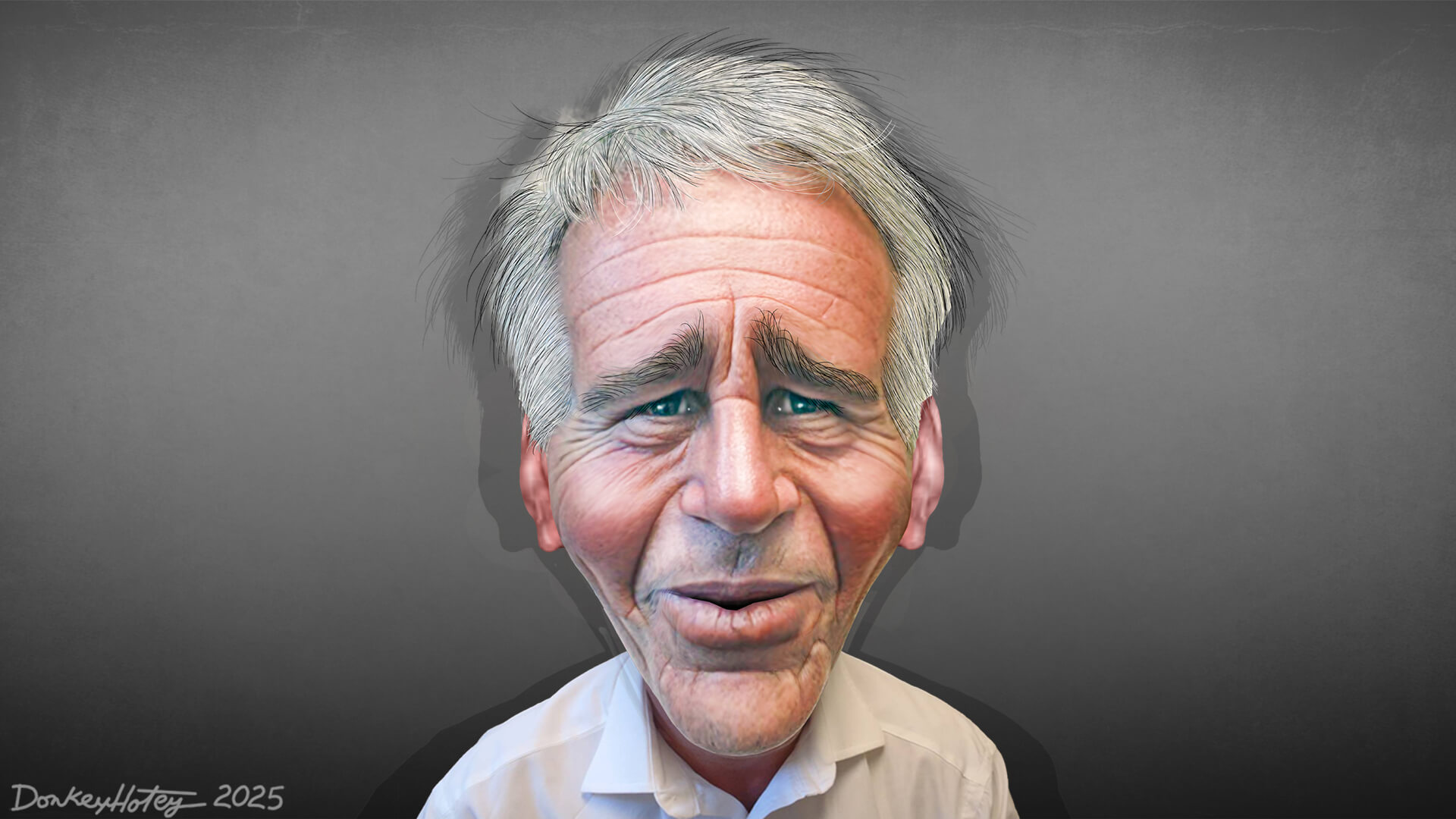

A newly unsealed Department of Justice email is raising serious questions about how the federal government handled convicted sex offender Jeffrey Epstein’s death.
The email, dated June 11, 2020, appears to show a federal prosecutor referring to an active investigation into what they called “the murder of Jeffrey Epstein” — a stark departure from the official ruling that Epstein’s death was a suicide.
The email was discovered among the latest batch of DOJ files released on the disgraced financier, adding to a growing pile of evidence that suggests the circumstances of Epstein’s death may not be as straightforward as the public was told.
What the Email Says
The sender identified themselves as an assistant U.S. attorney (AUSA) working in the Eastern District of New York.
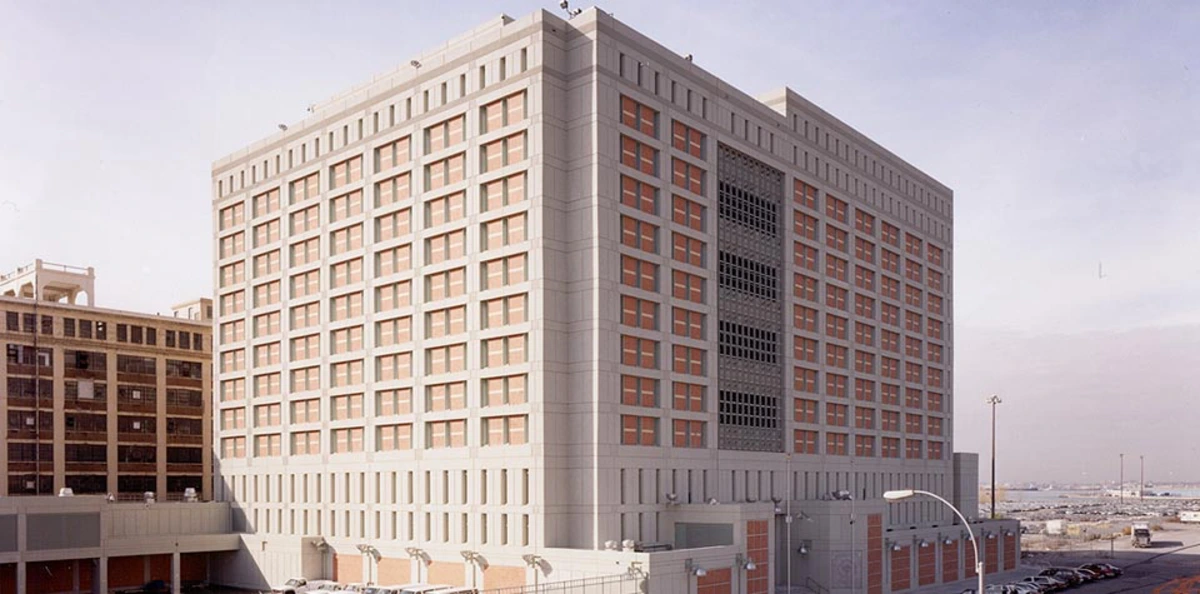
They described their work on “an investigation into the death of an inmate at the Brooklyn MDC,” a reference to the Metropolitan Detention Center.
In the email, the prosecutor mentioned that the Office of the Chief Medical Examiner (OCME) had signed a confidentiality agreement related to what they explicitly called “the investigation into the murder of Jeffrey Epstein.”
The sender asked for a copy of that agreement so they could extend a similar one for their own work. The DOJ redacted both the sender’s and the recipient’s names before releasing the document.
The language matters. This was not a journalist speculating or a conspiracy theorist posting online.
This was a federal prosecutor, writing in an official capacity during Donald Trump’s first term, using the word “murder” to describe a death that had been publicly ruled a suicide nearly a year earlier.
Epstein’s Death: A Growing Pattern of Doubt
Epstein, 66, was found dead in his cell at the Metropolitan Detention Center on August 10, 2019. He had been awaiting trial on federal sex trafficking charges.

Video: 5 Unanswered Questions About Epstein’s Death (The Sun)
Six days later, New York City Chief Medical Examiner Dr. Barbara Sampson officially ruled his death a suicide by hanging.
But from the very beginning, the circumstances surrounding Epstein’s death raised red flags. Security cameras near his cell reportedly malfunctioned.
The guards assigned to watch him were found sleeping and falsified records. The facility was chronically understaffed and plagued by safety concerns.
The questions intensified last month when the DOJ released over 3.5 million files related to the Epstein case.
Among those files was a draft public statement announcing Epstein’s death, dated August 9, 2019, the day before he was officially found dead.
That draft was attributed to the U.S. Attorney’s Office for the Southern District of New York, and no satisfactory explanation has been given for its early date.
Adding even more weight to the doubts, Epstein’s former cellmate Nicholas Tartaglione alleged in a pardon petition that Epstein was deliberately left unprotected while in federal custody.
Tartaglione claimed that those in power wanted the wealthy financier dead — an allegation that takes on new significance in light of the newly surfaced email.
Why This Matters
Jeffrey Epstein was connected to some of the most powerful people in the world, including politicians, business leaders, and celebrities.
His death before trial meant that his victims were denied the chance to see full accountability in a courtroom, and the public was denied a complete picture of who participated in or enabled his crimes.
Every new document that emerges from the DOJ files chips away at the government’s credibility on this matter.
If federal prosecutors were privately investigating Epstein’s death as a potential murder, the American public deserves to know why the official story never reflected that.
The DOJ has not yet responded to requests for comment on the email. But for the millions of people who have long suspected that the truth about Jeffrey Epstein’s death was being hidden, this latest revelation is one more reason to keep demanding answers.