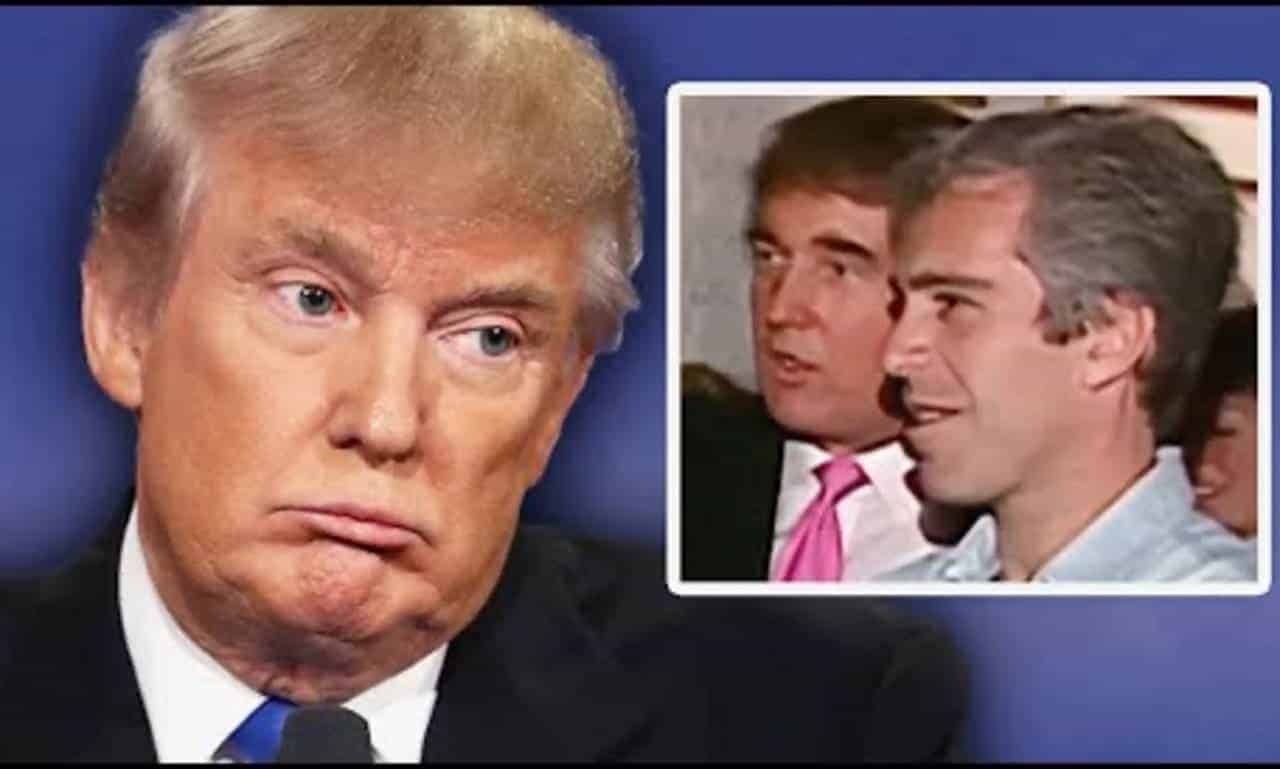

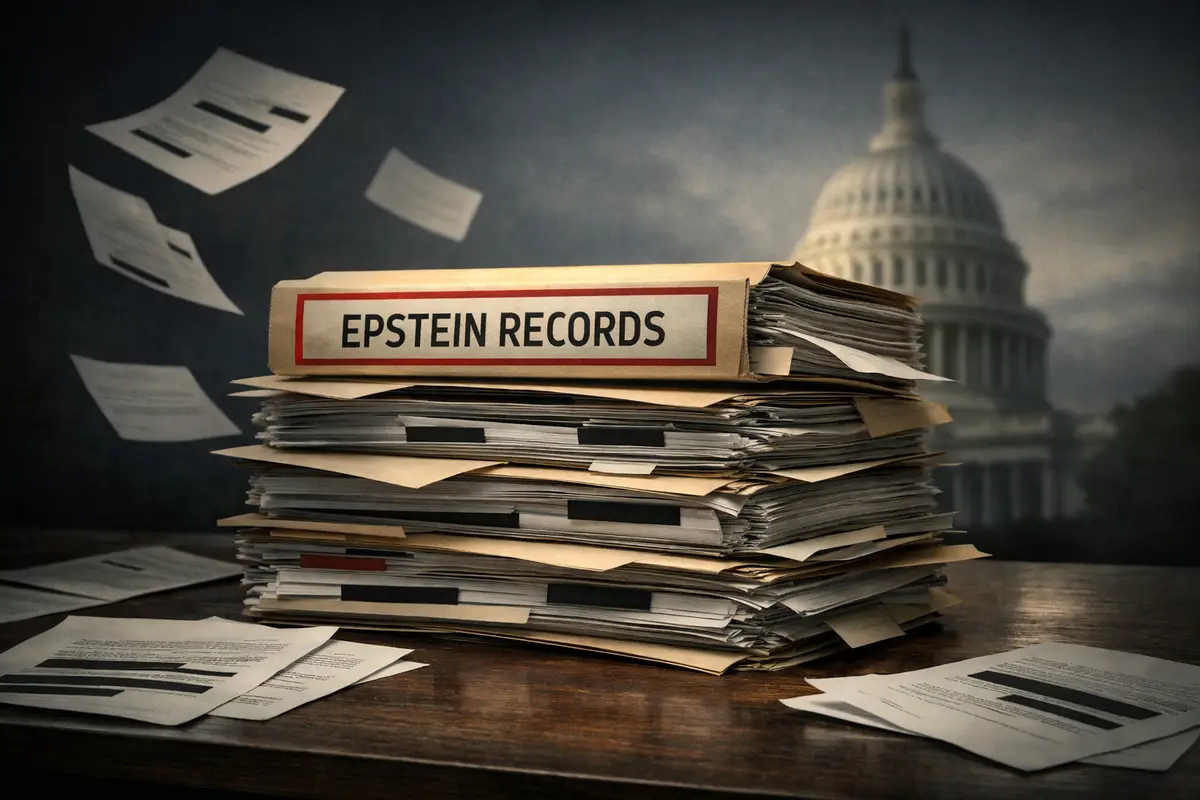
The Justice Department has withheld or removed more than 50 pages of Jeffrey Epstein files from public view — pages that contain allegations of sexual abuse against Trump, according to an investigation by NPR published Tuesday.
The missing documents include FBI interview memos and notes from conversations with a woman who accused Trump of sexually assaulting her when she was approximately 13 years old.
Despite a federal law requiring their release, the pages appear in the Justice Department’s internal tracking system but were never published in the public database of Epstein files.
NPR’s investigation identified the gaps by cross-referencing serial numbers stamped on publicly available documents with FBI case records, emails, and discovery logs from the criminal trial of Epstein’s co-conspirator Ghislaine Maxwell.
The review found roughly 53 pages of interview documents and notes that should be in the public record but are not.
According to files that were released, the first accuser alleged that around 1983, Epstein introduced her to Trump when she was about 13 years old.
She claimed Trump forced her to perform a sexual act, and when she resisted, he struck her.
The FBI interviewed this woman four times, but only the first interview — which does not mention Trump — appears in the public database.
Of 15 documents listed in Maxwell case discovery logs for this accuser, only seven have been made public.
A second woman, who served as a key witness in the Maxwell prosecution, described in FBI interviews how Epstein brought her to Trump’s Mar-a-Lago club when she was a minor.
She recalled Epstein telling Trump about her, and both men laughing while she felt uncomfortable but was too young to understand why.
That interview was initially published on January 30, then quietly removed from the DOJ website before being restored on February 19.
A related interview with the woman’s mother, in which she recalled hearing that Trump had visited Epstein’s home, remains offline.
The findings prompted immediate action from House Democrats. Rep. Robert Garcia of California, the ranking member on the House Oversight Committee, said he reviewed unredacted evidence logs at the Justice Department and confirmed that FBI interviews with the first accuser appear to have been illegally withheld.
Garcia announced that Oversight Democrats would open a parallel investigation into the DOJ’s handling of the files.

The Justice Department declined to answer NPR’s specific questions about the missing pages.
A spokesperson said any documents not published are either duplicates, privileged, or related to an ongoing federal investigation — but did not specify which category applies to these particular files.
Attorney General Pam Bondi and Deputy Attorney General Todd Blanche said in a letter to Congress earlier this month that no records were withheld based on “embarrassment, reputational harm, or political sensitivity.”
The White House pushed back on the reporting. Spokeswoman Abigail Jackson told NPR that Trump “has done more for Epstein’s victims than anyone before him” and called the president “totally exonerated.” Trump himself made a similar claim last week.
But the investigation raises serious questions about whether the Trump administration’s Justice Department is selectively withholding documents that implicate the president — even as it has published other files it characterizes as containing false claims about him.
Robert Glassman, the attorney for the second accuser, called the DOJ’s handling of the files “ridiculous,” noting the department exposed victims’ identities while failing to fulfill its core transparency mandate.
The NPR investigation landed on the same day as Trump’s State of the Union address, where dozens of Epstein survivors attended as guests of Democratic and Republican lawmakers demanding full accountability.
Together, the day’s events underscored a growing and bipartisan consensus: the Epstein files are far from fully public, and the fight for the complete truth is far from over.