

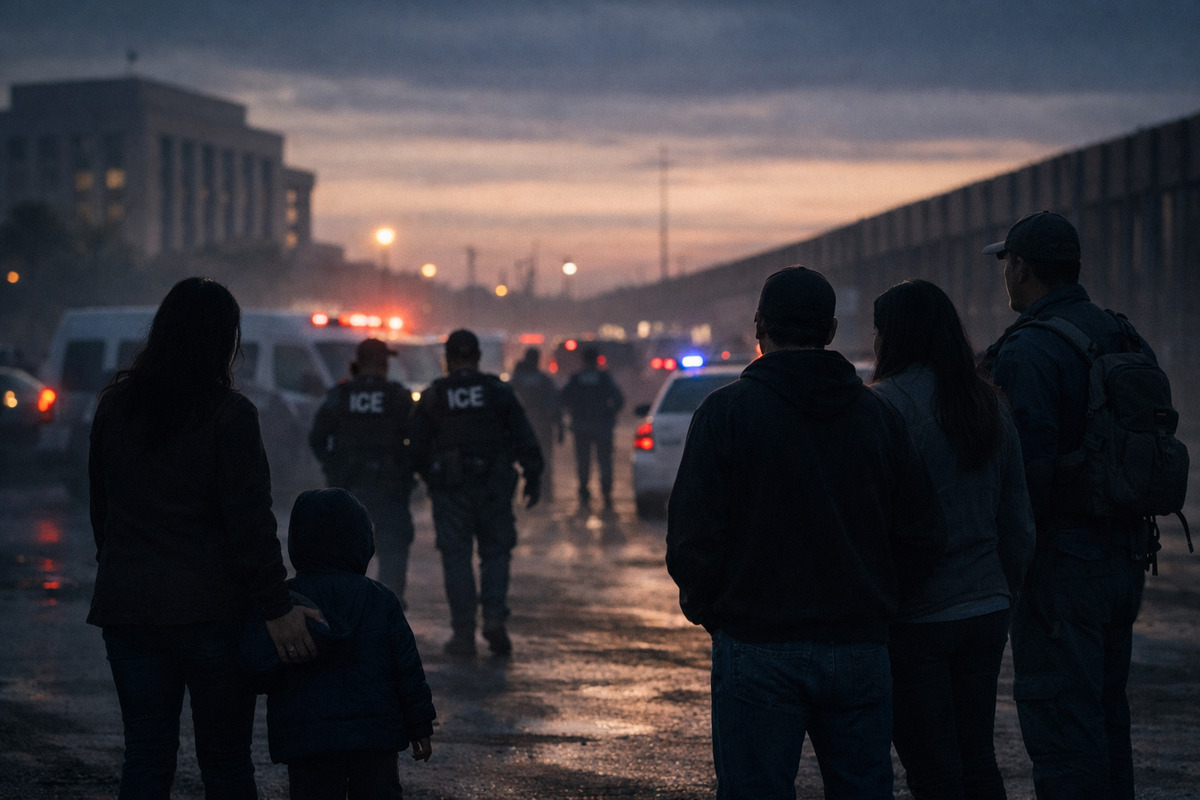
President Donald Trump is preparing to dramatically expand his administration’s immigration crackdown and enforcement strategy in 2026, doubling down on a mass deportation policy that has already sparked controversy, community resistance and political concern.
Despite mounting backlash from local leaders, civil liberty advocates and even some business voices, the White House is moving forward with plans to inject tens of billions of dollars into immigration enforcement and deportations next year.
At the heart of the strategy is a massive funding increase for Immigration and Customs Enforcement (ICE) and U.S. Border Patrol, with roughly $170 billion more allocated through 2029.
That represents an unprecedented boost compared with the agencies’ traditional budgets and signals a significant expansion of federal capacity to arrest, detain and remove undocumented immigrants across the United States.
Officials in the administration have said that the money will be used to hire thousands of new agents, open additional detention facilities and forge partnerships with outside firms to track down people without legal status.
Plans have also emerged to push workplace enforcement more aggressively, including raids on businesses that employ undocumented workers — a shift that could ripple into labor markets and local economies.
Enforcement Expansion and Changing Targets
The crackdown’s scope is broadening in several important ways. Beyond increased presence in border communities, federal agents have already been conducting high-profile operations in major U.S. cities, often leading to clashes with local residents and officials.
In cities like Miami, voters have responded — at least in part — by electing new Democratic leadership who have openly criticized the federal approach.
A key component is the expansion of deportation targets. The administration has revoked temporary legal protections for hundreds of thousands of immigrants from Haiti, Venezuela and Afghanistan, effectively making them eligible for removal.
While Trump had pledged to deport up to 1 million people annually, current rates suggest that goal may not be met — with roughly 622 000 people deported since January.
White House border czar Tom Homan has said that next year’s efforts will produce a sharp increase in arrests, including at workplaces and in neighborhoods.
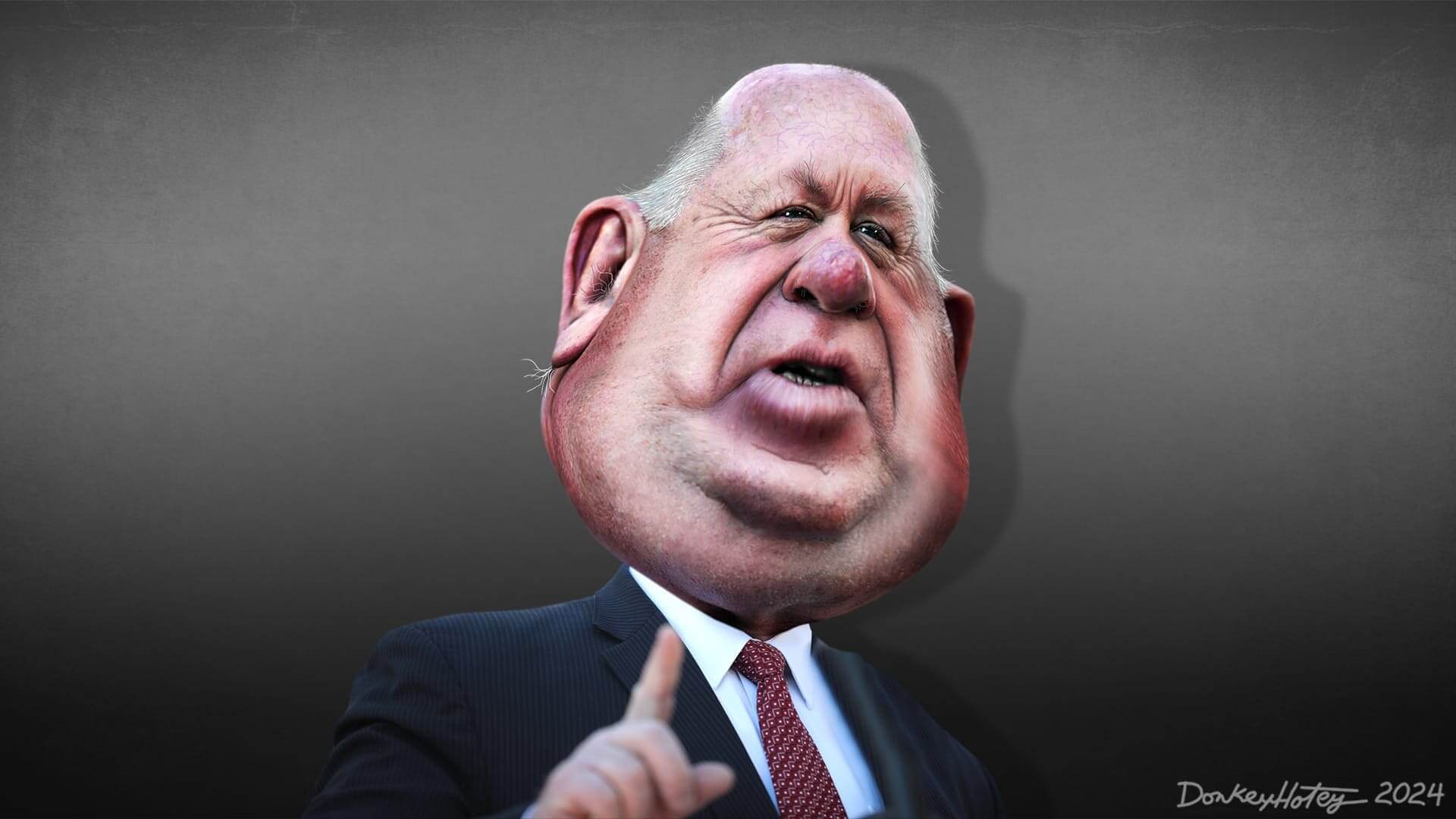
“Numbers will explode greatly next year,” he told Reuters, highlighting the administration’s intent to intensify enforcement operations.
Backlash and Political Fallout
Amid these aggressive policies, public pushback is growing across the country. Polling indicates that support for Trump’s immigration stance has slipped significantly, with approval ratings on these issues dropping from around 50 percent in March to approximately 41 percent by mid-December.
Critics have seized on reports of masked federal agents deploying tear gas in residential areas, detaining people without criminal histories and even arresting U.S. citizens by mistake, characterizing the tactics as heavy-handed and in some cases a violation of civil liberties.
Local and state leaders — including mayors and governors — have raised legal and moral objections to the operations. Some argue that these enforcement measures not only strain community relations but also divert law enforcement resources from other public safety priorities.
Economic Concerns and Business Reactions
The expanding crackdown is also prompting unease among business leaders. Economists and labor analysts warn that intensified workplace enforcement could disrupt industries that rely heavily on immigrant labor, including agriculture, manufacturing and service sectors.
Such disruptions might lead to labor shortages, higher labor costs and, ultimately, inflationary pressures at a time when economic stability remains a central concern for voters and policymakers alike.
So far, the business community’s response has been relatively muted, but observers suggest that could change if raids increasingly target workplaces and supply chains.
This potential shift raises the possibility of a broader coalition of criticism that extends beyond traditional immigrant-rights groups.
Looking Ahead to 2026
As the United States heads into a pivotal election year with midterm and local contests on the horizon, immigration policy is emerging as a central flashpoint in national political discourse. The Trump administration’s commitment to a more punitive approach reflects a broader political calculation about law enforcement, border security and national identity.
But with growing public unease and mounting consequences for communities and the economy alike, the strategy also carries significant political risk.
Whether the expanded crackdown will accomplish its stated goals or instead deepen divisions within the country remains a key question for 2026 and beyond.