

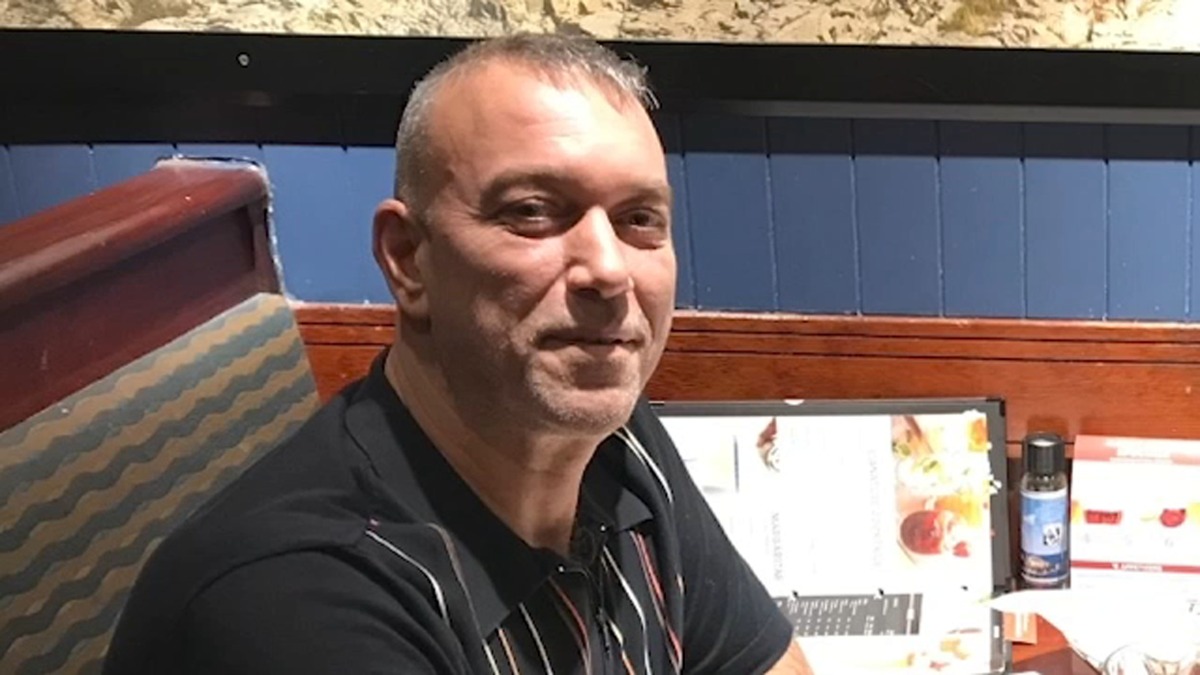
CHICAGO — A deep sense of loss and unanswered questions are rippling through this city’s immigrant communities after 56-year-old Nenko Stanev Gantchev, a long-time Chicago resident and Bulgarian native, died earlier this month while detained by U.S. Immigration and Customs Enforcement (ICE) at the North Lake Processing Center in Baldwin, Michigan.
His passing on December 15 has sparked grief from his family and friends, and urgent calls from lawmakers for a transparent investigation into the circumstances surrounding his death.
Gantchev’s story is one of perseverance and devotion to family. He arrived in the United States in 1995 as a student on a J-1 exchange visa, built a life in Chicago, and became the owner of a small trucking business that he ran for more than a decade. Having lived in the city for 30 years, he was beloved by neighbors for his warm personality and hardworking spirit.
“This year has seen more than 30 deaths in ICE custody, making 2025 the deadliest year on record for immigrants detained by U.S. authorities”
His wife, a U.S. citizen who asked not to be publicly named for fear of reprisal, described her husband as a devoted partner who paid taxes, ran a business, and dreamed of becoming a permanent resident through marriage. The couple had been married for eight years, and his death — announced on their anniversary — has compounded the family’s grief.
Gantchev’s journey in immigration proceedings had been difficult. After years of legal status, his lawful permanent resident status was revoked in 2009, and an immigration judge ordered his removal in 2023. He continued to pursue legal avenues, including a bond appeal pending at the time of his death.
According to family and advocates, Gantchev suffered from type-2 diabetes, and over the past few months, his health reportedly declined while he was detained at North Lake. Friends and relatives shared that he repeatedly expressed concern about his physical condition and the lack of appropriate medical care, though full details remain unclear as federal officials have not released complete information.
Several stories have come out about detainees who were sick or experienced medical emergencies that were ignored by detention center staff. A woman with cancer suffered in pain as she vomited blood due to serious complications, but her requests for medical care were ignored while in ICE custody.

In a statement, ICE officials confirmed Gantchev’s death and said he was found unresponsive during routine checks and that the cause of death is “suspected to be from natural causes.” They noted medical personnel performed CPR and contacted emergency services, but he was ultimately pronounced dead. The agency maintains that detainees receive medical care in custody, and communications were made with the Bulgarian consulate and the Department of Homeland Security as required.
For Gantchev’s family, the official description offered little solace. They report no direct communication from ICE or the facility explaining exactly what happened, no detailed explanation of medical treatment, and no timely contact from the Michigan Medical Examiner’s office. Gantchev’s wife also said she was not given the chance to identify her husband’s body or arrange for religious rites before it was cremated, adding deep distress to an already painful situation.
The response to Gantchev’s death has resonated beyond his family. U.S. Representatives Delia C. Ramirez (D-Ill.) and Rashida Tlaib (D-Mich.) issued a joint statement urging an “immediate, transparent investigation” into how Gantchev died and the conditions at the private facility operated by GEO Group, which is under contract with ICE. They highlighted allegations from other detainees that Gantchev had sought medical help that was not provided in time, underscoring long-standing concerns about medical care and oversight in immigration detention centers.




“This year has seen more than 30 deaths in ICE custody, making 2025 the deadliest year on record for immigrants detained by U.S. authorities,” Ramirez and Tlaib said. Their call for accountability reflects broader concerns among immigrant rights advocates who argue that institutional changes are urgently needed to protect the health, safety, and dignity of people in detention.
Advocates and community members stress that Gantchev’s death should prompt a careful examination of how vulnerable individuals are treated during immigration enforcement. As one friend put it, he was not just a detainee — he was a father, husband, business owner, and neighbor whose absence is deeply felt.

As the investigation continues, Gantchev’s family hopes that sharing his story will help prevent similar tragedies and spark meaningful reforms in detention practices. Their plea is simple: that compassion, transparency, and respect for human dignity guide the way forward for all who seek safety and opportunity in the United States.