

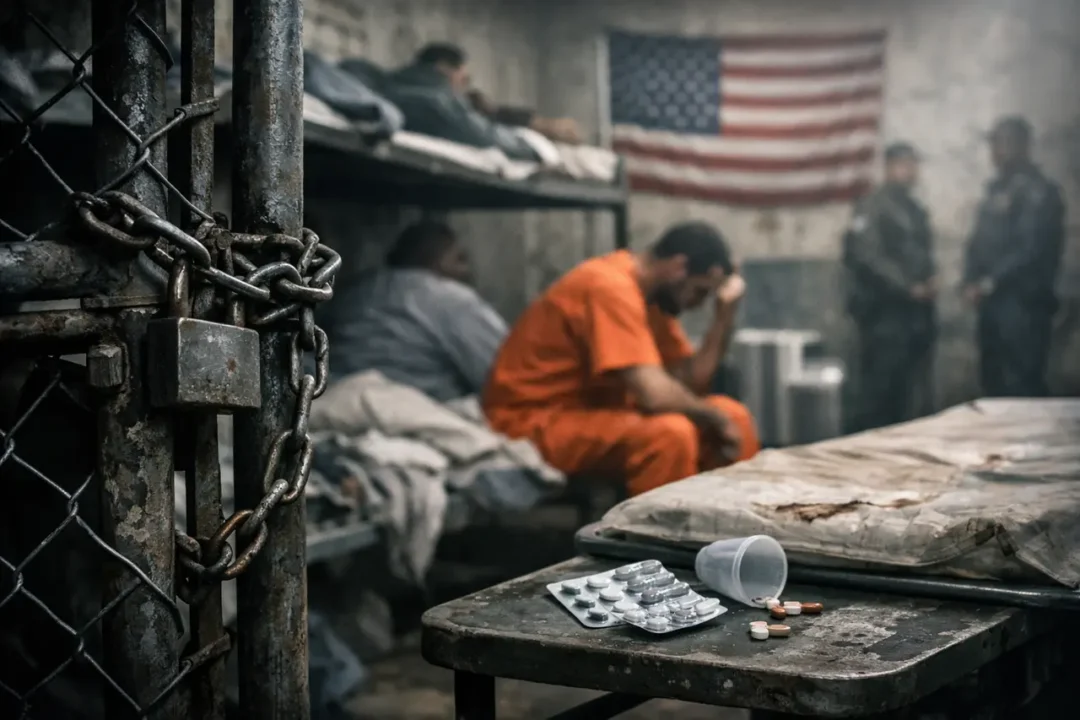

The reports of inhumane conditions and deaths inside ICE detention centers aren’t issues that can wait. The government is about to open Mega Centers, giant warehouses they’re turning into prison camps, to house hundreds of thousands more detainees. If we don’t hold DHS and ICE accountable now, the number of deaths is going to rise.
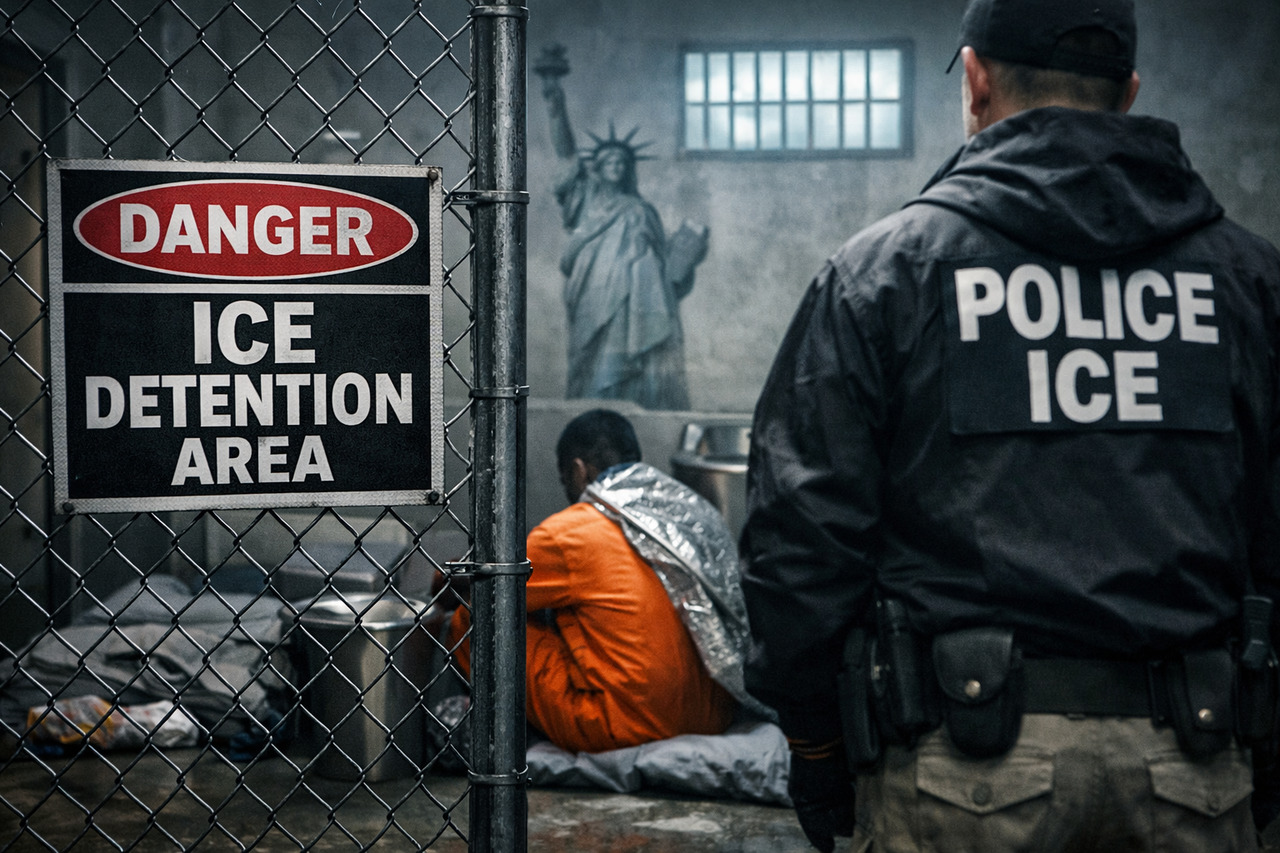
ICE detention is sold to the public as “civil custody.” In practice, it often functions like a patchwork shadow prison system: people held for immigration cases (not criminal sentences) are locked inside county jails, private prisons, and remote facilities where basic health care can become a privilege instead of a right.

Amidst the mass deportation operation being carried out by the Trump administration, these facilities are filling up quickly. Now they are purchasing massive warehouses across the country and plan to turn them into “Mega Detention Centers.”
It’s important that we do something about this now, before Mega Centers are operational. If ICE officials aren’t able to properly care for the detained populations in centers now, imagine the conditions in facilities housing thousands of detainees.
Local news report on conditions inside ICE detention centers

Over the past year, the warning lights have gone from “blinking” to “strobing.” Senator Jon Ossoff’s oversight investigation says his office received or identified 1,037 credible reports of human rights abuses in immigration detention between January 20, 2025 and January 12, 2026, including 206 reports of medical neglect and 181 reports of overcrowding and unsanitary conditions.
The same report notes ICE confirmed 36 deaths in that period, plus two more deaths after January 12, 2026. The report also states that 2025 saw the highest number of deaths in ICE custody in a single year since 2004.
This article breaks down what “terrible conditions” actually look like, why medical neglect keeps showing up in case after case, and the deaths that illustrate the stakes.
What people endure inside ICE detention
Conditions vary by facility, but the same themes repeat across states, operators, and contracts:
People can’t get timely medical care



Detained people report delays for urgent needs (including chronic conditions like diabetes, heart disease, seizures, and asthma), lapses in medication, ignored symptoms, and long waits to see clinicians. In Ossoff’s report, medical neglect is one of the most frequently documented categories of abuse.
Overcrowding and unsanitary living conditions
Overcrowding makes everything worse: toilets, showers, and sleeping areas become breeding grounds for disease and conflict. Ossoff’s report documents overcrowding and unsanitary conditions as another major category of credible reports.
Extreme temperatures, inadequate clothing, and sleep deprivation
These aren’t “comfort complaints.” Exposure to heat or cold can become dangerous fast, especially for infants, elderly detainees, and people with medical conditions. Ossoff’s report includes credible reports of exposure to extreme temperatures and imposed sleep deprivation.
Barriers to lawyers and outside accountability
When people can’t consistently reach attorneys or advocates, abuse can stay invisible longer. Ossoff’s report includes credible reports of denial of access to attorneys.
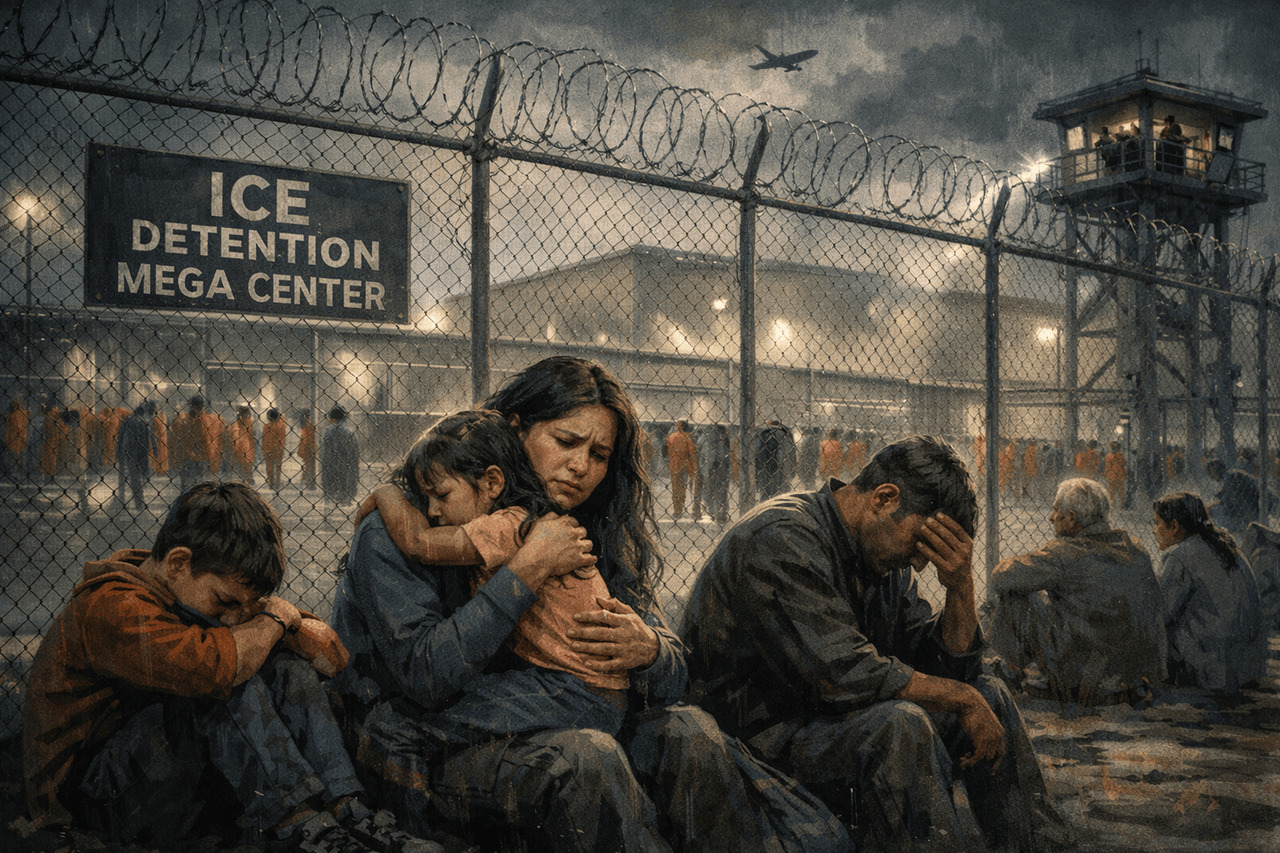
A system that’s hard to inspect, and easy to outsource
Many facilities are run by private prison companies or county jails under ICE contracts. That creates a blame maze: the jail blames ICE, ICE blames the contractor, the contractor blames “policy,” and the person suffering is still stuck inside.
The medical-care crisis isn’t hypothetical: courts are intervening
In February 2026, a federal judge ordered DHS/ICE to provide detainees at the California City detention facility with basics that should never need a lawsuit: proper medical care, access to attorneys, adequate clothing and blankets, and daily outdoor time, plus an independent monitor.
That ruling matters because it’s a judge looking at sworn declarations and saying, in effect: this is not fine, and you don’t get to keep running it on autopilot.
Deaths that show what “medical neglect” can mean
No two cases are identical. But together they sketch a pattern: untreated illness, delayed response, conflicting official narratives, and families left trying to pry truth out of a locked system.
Geraldo Lunas Campos (Texas): death ruled a homicide
One of the most shocking recent cases is the death of Geraldo Lunas Campos, held at Camp East Montana at Fort Bliss in El Paso. The medical examiner ruled his death a homicide, with the cause listed as asphyxia due to neck and torso compression.
From AP reporting: “The report said witnesses saw Lunas Campos “become unresponsive while being physically restrained by law enforcement.” It did not elaborate on what happened during the struggle but cited evidence of injuries to his neck, head and torso associated with physical restraint. The report also noted the presence of petechial hemorrhages — tiny blood spots from burst capillaries that can be associated with intense strain or injury — in the eyelids and skin of the neck.
Dr. Victor Weedn, a forensic pathologist who reviewed the autopsy report for AP, said the presence of petechiae in the eyes support the conclusion that asphyxia caused the death. Those injuries suggest pressure on the body and are often associated with such deaths, he said.
He said the contusions on Lunas Campos’ body may reflect physical restraint and the neck injuries were consistent with a hand or knee on the neck.”
Why this case matters: There were conflicting reports between ICE, witnesses, and the family. DHS and ICE’s narrative was destroyed when the autopsy report was released.
Nenko Gantchev (Michigan): death in ICE custody under suspicious circumstances
Nenko Gantchev, a 56-year-old Bulgarian business owner from Chicago, died in ICE custody in Michigan from what officials claim was “natural causes.” His family disputed the claim, but they were unable to get answers to their questions.
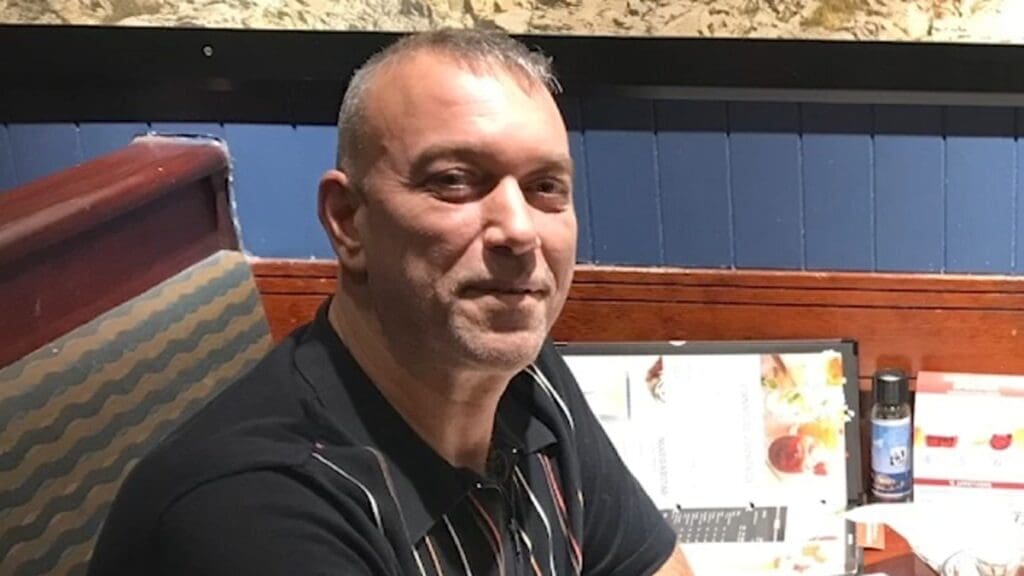
“I want people to know what happened to him, a man who lived 30 years here, hardworking, paid taxes, and they treated him like an animal,” said Gantchev’s wife, a U.S. citizen who asked ABC7 news not to use her name as she fears retaliation from federal officials. “They are so rude to him… They treated him like he was a murderer.”
Why this case matters: This was another example of DHS/ICE claiming the cause of death was “natural causes,” but a lack of transparency prevented the family from getting answers.
Marie Ange Blaise (Florida): death in ICE custody amid advocacy concerns
Marie Ange Blaise, a Haitian woman, died while in ICE custody at the Broward Transitional Center in Florida. ICE issued a death announcement, and advocacy organizations publicly demanded accountability and raised concerns about the circumstances and care.
Why this case matters: deaths in detention rarely arrive with full transparency. ICE notices often contain minimal detail, while families and advocates report barriers to records, timelines, and independent review.
Johnny Noviello (Florida): death while held in federal detention
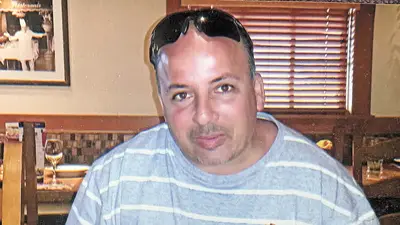
Johnny Noviello, a Canadian citizen in ICE custody, died at the Federal Detention Center in Miami. His death was reported by ICE and covered by the Associated Press; the cause was under investigation at the time of the reporting.
Why this case matters: ICE detention is not always a single “ICE jail.” People can be moved through a chain of facilities and systems. That churn can disrupt medications, continuity of care, and family/legal contact, and it complicates accountability when something goes wrong.
A Michigan case raising medical-neglect allegations (2026)
A February 2026 local report describes a family accusing a Michigan ICE facility of denying life-saving medical treatment; ICE disputed the allegations and said the death was due to natural causes. The victim’s name had not been released at the time of this reporting.
Why this case matters: even when a death is officially labeled “natural,” the question remains: was it preventable with timely care? In detention settings, “natural” can still include deaths accelerated by delayed treatment, ignored symptoms, or lack of medication access.
A well-documented history: trans detainees and neglect
Roxsana Hernández, a transgender woman living with HIV, died in 2018 after being taken into custody; advocates and reporting raised serious concerns about her treatment while detained.
Separately, the American Immigration Council wrote about an autopsy report indicating signs consistent with her being beaten prior to death, underscoring the extreme vulnerability of trans detainees in custody settings.

How the system keeps producing these outcomes
- Detention is “civil,” but the conditions are carceral
The legal label (“civil”) doesn’t magically create a safe environment. People are still locked up, dependent on staff for medication, transport, and emergency response. - Health care is structurally delayed
In the free world, if you feel chest pain you can call 911. In detention, you submit a request, wait, hope someone believes you, and only then might you see a clinician. That delay can turn manageable conditions into emergencies. - Private contracting and local jails create accountability fog
When medical care fails, each player can point elsewhere. Meanwhile, the detainee can’t shop for a new doctor, drive to urgent care, or change facilities. - Oversight exists, but it’s not the same as enforcement
Congressional and watchdog reports describe a long-running problem: standards on paper, inconsistency in practice, and limited consequences when facilities fail.
Why this matters
This isn’t only an immigration story. It’s a rule-of-law story.
When the government cages human beings, it takes on a duty of care. You cannot lock someone in a place where they can’t access a doctor and then treat their medical collapse like an unpredictable weather event. If the state controls the door, the state owns what happens behind it.
And here’s the slippery-slope truth: a system that normalizes neglect for “them” will eventually find new “thems.”
What accountability could look like
Independent medical access and continuity of care
Require outside clinicians for high-risk detainees and guarantee uninterrupted medication (including insulin and other critical maintenance drugs).
Real transparency after deaths
Autopsy reports, incident timelines, and facility video retention should be mandatory and quickly available to families and investigators, with narrow redactions.
Limits on solitary confinement and force
Medical vulnerability should trigger presumptive release or alternatives to detention, not isolation.
Court-enforceable standards and automatic penalties
If a facility fails basic health-and-safety requirements, contracts should be suspended, not “recommended for improvement.”
Expand alternatives to detention
Community-based case management is cheaper, more humane, and avoids turning medical care into a hostage situation.
For Families of Someone in ICE Detention
Print this and keep it nearby.