


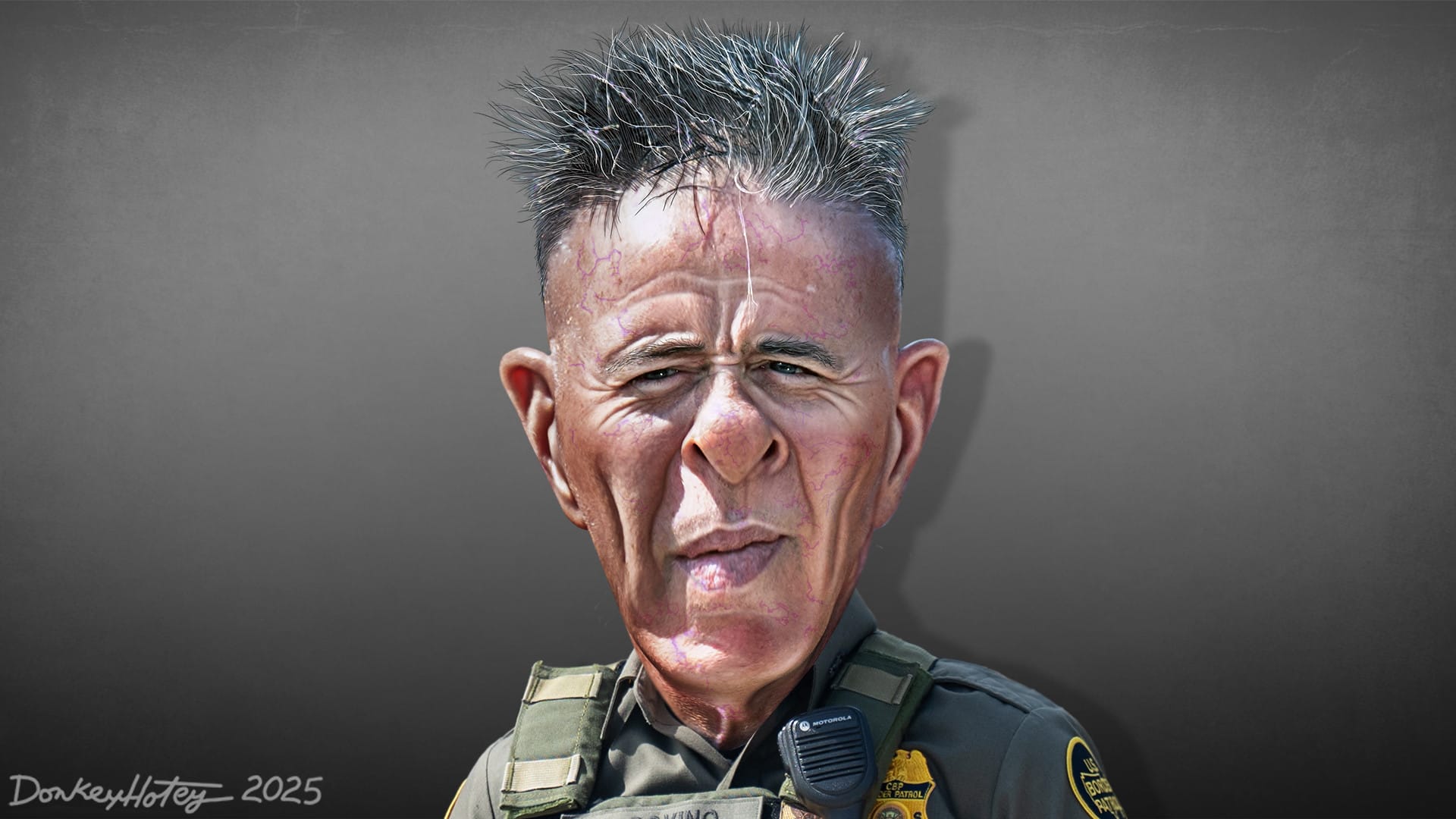
CBP agents are back in Chicago. In a dramatic moment this week in Chicago, U.S. Border Patrol agents — led by Commander Gregory Bovino — reentered immigrant-heavy neighborhoods such as Little Village and Cicero with renewed enforcement activity after a brief pause.
The federal operation, part of a broader immigration enforcement campaign, has ignited intense controversy, community resistance, and political criticism in what many describe as a city confronting federal power in its own backyard.
The renewed presence of Border Patrol agents in Chicago highlights how immigration policy and enforcement have become front-burner issues well beyond the U.S.-Mexico border, directly shaping everyday life in communities across the nation’s heartland. As these operations unfold, they raise urgent questions about public safety, civil rights, and how local and federal governments can find common ground in a deeply polarized environment.
CBP Agents are Back in Chicago: Voices From the Ground
State Representative Lilian Jimenez captured the emotional toll on families when she called the raids “very cruel”, saying, “It just seems very cruel to come in and snatch people off the streets and just destroy their families right before the holidays.”
That sentiment reverberates across Little Village, where residents and local advocacy groups have mobilized to monitor the federal presence. Ella Bueno, a Little Village resident who watches the neighborhood for signs of enforcement activity, described what she witnessed this week by saying, “It’s just so hard to watch. You feel so helpless.”
Community organizers also have spoken out. Marcela Rodriguez, executive director of Enlace Chicago, said that agents approached her organization while smiling and waving — adding a chilling note to operations happening near places meant to support local families. “As if causing fear in our community brought him joy,” Rodriguez told reporters.
Illinois officials joined in the criticism. State Representative Jesús “Chuy” García argued that these federal actions “sow panic, and intimidate hardworking people” at a time when residents should be celebrating the holidays with loved ones.
Shifting Ground in Chicago
What differentiates this week’s deployment from past operations is the growing sophistication of community resistance and political pushback.
Local schools, community councils, and advocacy groups have built networks to support families and monitor federal activity. Some residents compare this to previous months’ campaigns, which included rapid-response systems to help students get to school safely and neighborhood patrols to record federal agent movements.
Meanwhile, state leaders are using official mechanisms to push back. Illinois officials have encouraged residents to record interactions with federal agents and share them for accountability. The state also has moved toward formal hearings on federal conduct, signaling that these events are not only local matters but subjects of broader public policy oversight.



Status Coup reporters have been following the action, documenting the cruel, unlawful treatment of immigrants and U.S. Citizens that the mainstream media doesn’t.

A Path Forward?
As federal agents continue to operate in Chicago neighborhoods, several questions loom:
- Can local, state, and federal authorities find common ground on immigration enforcement that respects safety and civil liberties?
- How will community voices shape future policy and legal frameworks?
- What long-term strategies could reduce fear and tension while upholding law and order in immigrant communities?
Answering these questions won’t be easy — but the situation also reveals a powerful truth: communities are no longer passive recipients of policy; they are active participants shaping the narrative and advocating for solutions that prioritize dignity, safety, and shared belonging.

In an era where immigration policy can divide as much as it governs, Chicago’s experience underscores a hopeful possibility: constructive dialogue and meaningful reform emerge not from fear, but from engaged citizens asserting their rights and pushing for accountability and respect.
We love to promote individuals and organizations that are doing the right thing
Resist Hate is a member/supporter of an organization that walks right into the middle of chaos to document CBP activity. Reporters have been pepper-sprayed, tear-gassed, and threatened by agents with guns. It hasn’t stopped them from capturing the behavior of ICE and CBP agents on video.
Consider donating to Status Coup so they can continue to expose what’s happening on the streets of U.S. cities.
Learn more about Status Coup by visiting their website or you can check out their work on the Status Coup YouTube channel.