


Gun violence in the US is one of the country’s most persistent and divisive issues. It affects people in cities, suburbs, and rural towns. It appears in headlines after mass shootings, but it also happens quietly every day through suicides, domestic violence, accidental shootings, and everyday homicides that rarely make national news.
To help you better understand a nuanced issue like gun violence in America, this Resist Hate explainer looks past slogans to examine the full picture: How often it happens, who is affected, why the U.S. is different from other wealthy countries, and what experts say could be done to reduce the harm.
What is Considered Gun Violence?
For the purpose of this article, gun violence is defined as: Any situation in which a firearm is used to harm or threaten someone. This includes:
- Homicide: one person killing another with a gun
- Suicide: a person using a gun to end their own life
- Mass shootings: shootings where multiple people are injured or killed
- Domestic violence involving firearms
- Accidental shootings, especially involving children
- Police shootings and officer-involved incidents
When people think about gun violence, they often picture mass shootings. While these events are horrifying and deeply traumatic, they make up only a small percentage of total gun deaths.
The Scale of Gun Violence in the US
The United States has more civilian-owned guns than any other country in the world. Estimates suggest there are more guns than people in the country.
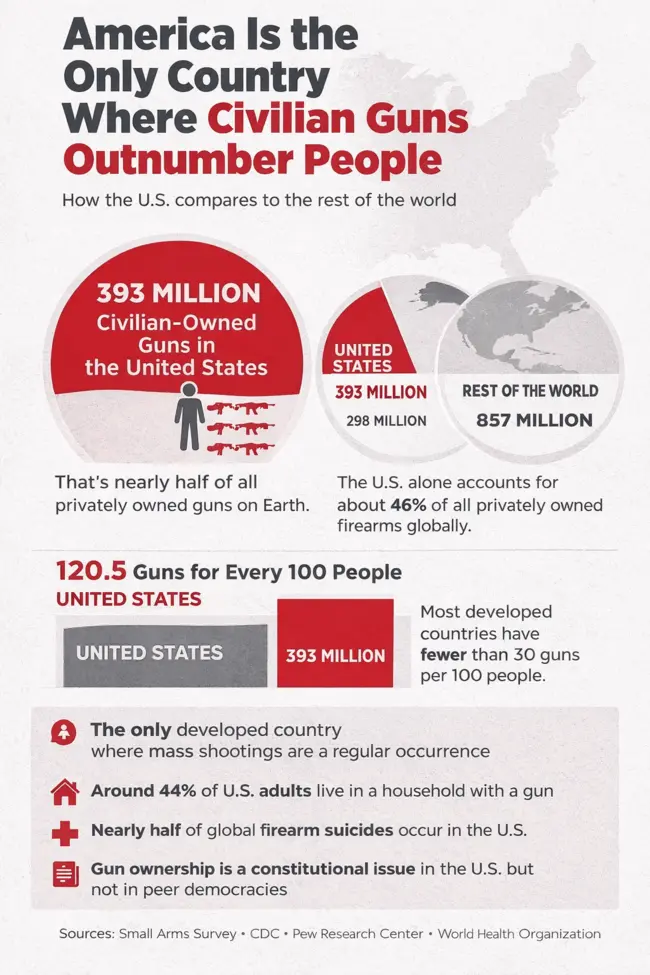
Each year, tens of thousands of people die from gun-related injuries. The majority of these deaths are suicides, not homicides. This is an important but often overlooked fact.
Firearms are especially lethal in suicide attempts. Attempts involving guns are far more likely to result in death than attempts using other methods. This means access to a gun during a mental health crisis can turn a temporary moment into a permanent outcome.
Homicides account for a large portion of the remaining deaths. These often involve arguments that escalate, domestic abuse situations, or disputes where a gun is present.
Children and teenagers are not spared. Firearms are now the leading cause of death for young people in the US. In 2024, firearms killed more children and teens, ages 1 to 17, than any other cause, including car accidents and cancer.
Why the US is Different From Other Countries
Gun violence exists everywhere, but the US stands apart from other wealthy nations.
Countries with similar levels of wealth and development have far lower rates of gun deaths. The key difference is access to firearms. Other countries tend to have stricter gun licensing, safe storage requirements, and limits on who can legally own certain weapons.
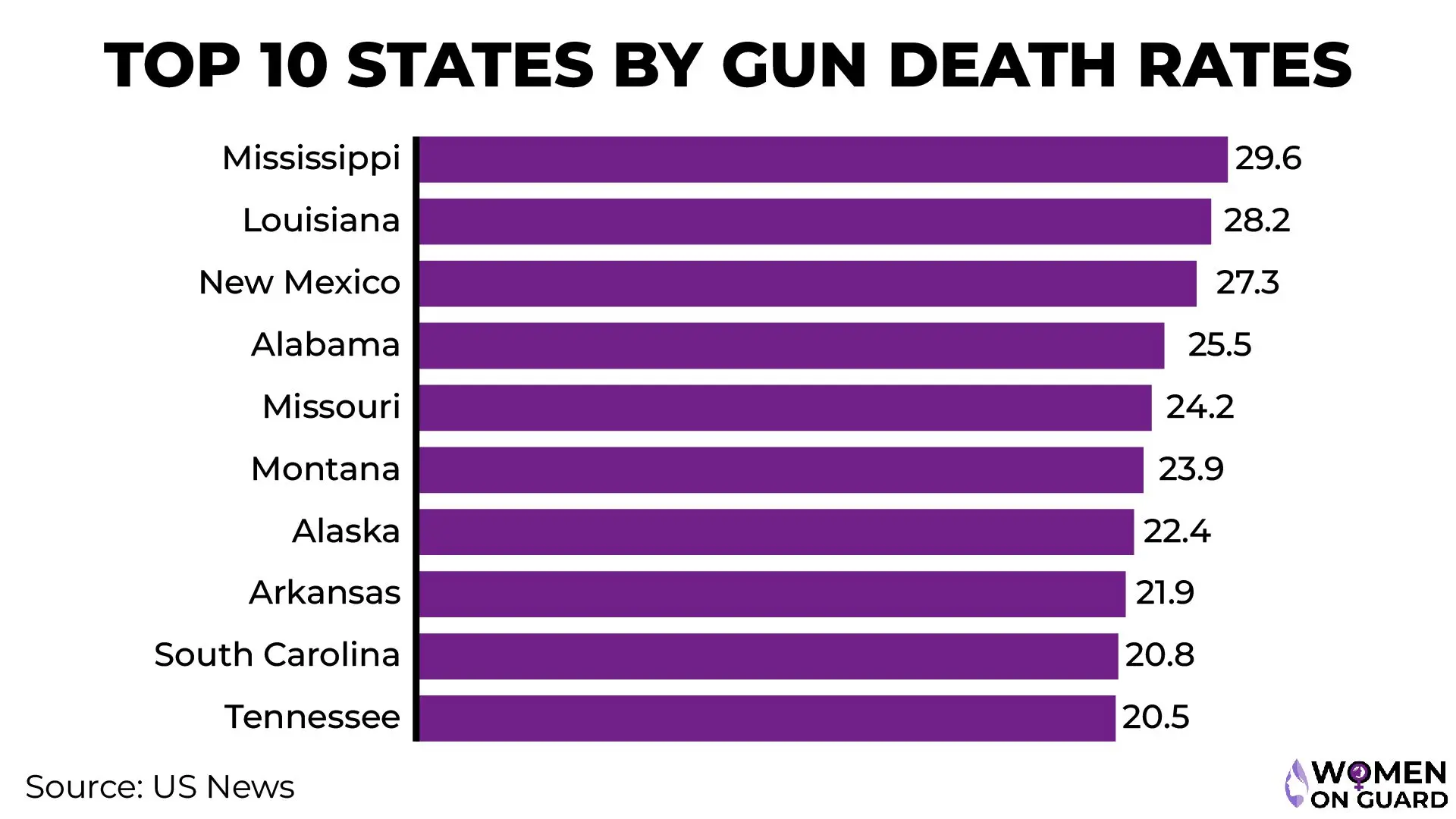
In the US, gun laws vary widely by state. Some states require permits, training, and background checks for most gun purchases. Others allow people to carry guns in public without a permit and place few restrictions on private sales.
Research consistently shows that states with weaker gun laws experience higher rates of gun deaths, including suicides and homicides.
Mass Shootings and Public Fear
Mass shootings receive intense media attention because they happen in public spaces like schools, grocery stores, churches, and workplaces. These attacks create widespread fear because they feel random and unavoidable.
While mass shootings account for only a small percentage of total gun deaths, their psychological impact is enormous. They change how people live: parents worry about sending their children to school, workers think about escape routes, and public spaces simply feel less safe.
Many mass shootings share common warning signs, including prior threats, domestic violence histories, or signs of severe emotional distress. However, gaps in reporting systems and background checks often prevent these warning signs from stopping access to firearms.
Resist Hate published a guide as part of the Life in Trump’s America series titled: How to Survive a Mass Shooting. The satirical introduction states: “If the government isn’t going to do anything about mass shootings, they should be educating the public on how to survive one.”
Domestic Violence and Guns

One of the most dangerous situations involving guns is domestic violence.
When an abusive partner has access to a firearm, the risk of homicide increases dramatically. Many victims are killed during moments when they attempt to leave or seek help.
Some laws exist to remove guns from individuals with domestic violence restraining orders temporarily, but enforcement varies widely. In many cases, firearms are never actually surrendered.
Accidental Shootings and Children
Accidental shootings are another major part of the problem, especially involving children.
Young children can and do find unsecured firearms in homes. These incidents often occur when a gun is stored loaded with the safety off.
Safe storage practices, such as keeping the storage container locked, the gun unloaded, and ammunition stored separately, are proven methods of reducing accidental injuries and deaths. However, not all states require or enforce them.
Mental Health and Gun Violence
Mental illness is commonly cited by Republican politicians as the primary driving force behind gun violence in the US. According to them, the proliferation of—and easy access to—firearms is irrelevant.
Most people with mental illness are not violent. However, mental health crises combined with easy access to firearms greatly increase the risk of suicide.
Mental health support, crisis intervention, and temporary removal of firearms during periods of extreme distress are key prevention strategies. Some states use “red flag” laws that allow family members or law enforcement to petition a court to temporarily remove guns from someone who poses a serious risk.
Evidence shows these laws can save lives when used properly.
Gun Violence in the US is Not Evenly Distributed
Gun violence affects some communities more than others. (In the United States, equality has never been this country’s strong suit.)
Low-income neighborhoods and communities of color often experience higher rates of gun homicides. These disparities are linked to poverty, lack of access to quality education, underfunded social services, and long-standing systemic inequalities.
At the same time, suicide by firearm is more common in rural and suburban areas, particularly among middle-aged and older white men.
Understanding patterns like these is important. Solutions must be tailored in order to be effective. What works to reduce urban gun violence may look different from what prevents rural suicide.
What Policies Have Been Shown to Help?
Research points to several strategies that work to reduce gun deaths:
- Universal background checks
- Waiting periods between purchase and possession
- Safe storage laws
- Red flag laws
- Domestic violence firearm restrictions
- Community-based violence interruption programs
No single policy eliminates gun violence, but combinations of these measures consistently reduce deaths without eliminating lawful gun ownership.
Why This Issue is So Politically Charged
Gun violence debates often become emotional because they touch on fear, identity, and constitutional rights. Many Americans view gun ownership as tied to personal freedom or self-defense. Others see widespread gun access as a public health crisis.
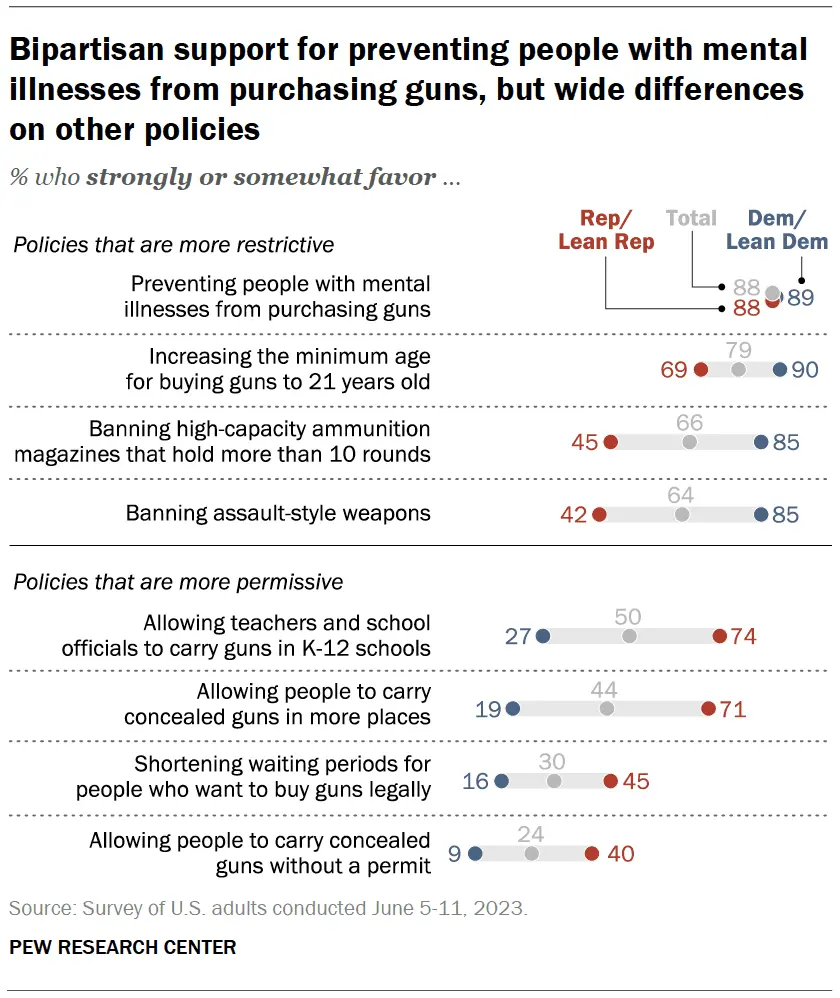
These views are not always mutually exclusive, but political polarization makes compromise difficult.
Despite the noise, polls consistently show that a majority of Americans support measures like background checks and safe storage requirements.
How Gun Violence Affects Everyone
Gun violence is not just about crime. It affects public health, mental well-being, education, healthcare costs, and community trust.
It shapes how children learn, how parents worry, how police operate, and how communities heal or fracture after tragedy.
Understanding gun violence does not require choosing a political side. It requires acknowledging reality, looking at evidence, and recognizing that preventable deaths deserve our attention.
Gun violence is not inevitable. Other countries have shown that fewer guns and smarter laws save lives. The question facing the United States is not whether the problem exists, but whether it is willing to address it honestly, compassionately, and with facts.
Other Resist Hate explainers on the topic of guns in America:
The Second Amendment: Overview and History
Gun Laws in Other Democracies Compared With the U.S.