



A new super flu variant is dominating headlines and healthcare discussions this winter, spreading rapidly across continents and reshaping expectations for the 2025-2026 flu season. Scientists and public health experts are watching closely as this mutated strain of influenza A continues to circulate, prompting urgent calls for vaccination, vigilance, and informed prevention.
What Is the Super Flu Variant?
The term super flu variant refers to a mutated influenza A virus known as H3N2 subclade K. This variant isn’t a different disease but a newly evolved form of the seasonal flu virus that has gained significant changes in its genetic structure, which appear to make it more transmissible and dominant in populations across the Northern Hemisphere.
Although the virus isn’t necessarily more deadly than previous strains, its ability to spread faster and earlier than usual has health officials and communities on heightened alert.
Global Spread and Early Seasonal Surge
Unlike typical flu seasons, where infections peak in late winter, the super flu variant began circulating weeks ahead of schedule. Epidemiologists in Europe first noticed an unusually early climb in influenza cases in October and November, driven largely by the H3N2 subclade K strain.
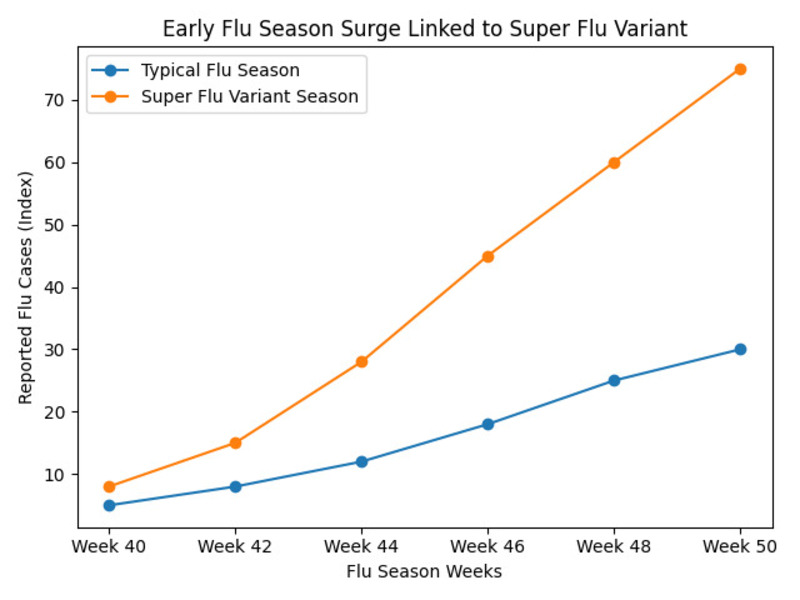
Since then, cases have been confirmed across North America, South America, Africa, and Asia, including first reports of the variant in Mexico and Argentina in mid-December.
Hospitals in the United States and United Kingdom are reporting higher flu admissions, stretching emergency services and echoing the pressures seen during other recent public health crises.
Symptoms and Risks
Symptoms associated with the super flu variant largely mirror those of typical influenza, including:
- High fever and chills
- Persistent cough and sore throat
- Headache and muscle aches
- Fatigue and nasal congestion
Most individuals recover within a week with rest and supportive care. However, vulnerable populations — including young children, adults over 65, pregnant people, and those with chronic conditions — face higher risks of complications and hospitalization.
Health authorities emphasize that the term super flu variant does not equate to a fundamentally different disease; rather, the high number of mutations facilitates rapid spread.
Vaccination: A Cornerstone of Protection
Vaccination remains the most effective tool against influenza, even in the face of an evolving strain. Public health agencies globally are urging people to receive the seasonal flu vaccine, which is designed to reduce the risk of infection and severe outcomes. While this year’s vaccine may be a less perfect match for the new variant than in past seasons, it still provides valuable protection, especially for high-risk groups.


Experts stress that getting vaccinated not only protects individuals but also helps slow community transmission, limiting strain on healthcare systems.
Practical Prevention Tips
In addition to vaccination, the following preventive measures can help curb the spread of the super flu variant:

- Practice respiratory etiquette by covering coughs and sneezes with a tissue or sleeve.
- Wash hands frequently with soap and water, especially after public exposure.
- Stay home when sick to avoid passing the virus to others.
- Wear masks in crowded or healthcare settings, particularly during peak transmission periods.
These actions remain foundational defenses against flu and other respiratory infections, helping communities stay resilient during peak seasons.
Although the super flu variant has sparked concern due to its rapid global spread and early season surge, ongoing surveillance and vaccination campaigns offer hope that its impact can be mitigated. Public health officials continue to monitor the situation, update vaccine recommendations, and communicate best practices to protect individuals and families throughout the winter months.
Staying informed, vaccinated, and proactive remains key.
FAQs
What is a super flu variant?
This variant isn’t a different disease but a newly evolved form of the seasonal flu virus that has gained significant changes in its genetic structure, which appear to make it more transmissible and dominant in populations across the Northern Hemisphere
Is the flu vaccine effective against it?
This variant isn’t a different disease but a newly evolved form of the seasonal flu virus that has gained significant changes in its genetic structure, which appear to make it more transmissible and dominant in populations across the Northern Hemisphere.
How can I protect my family?
Follow respiratory etiquette by covering your nose and mouth when you cough or sneeze. Remind family members to wash their hands frequently and avoid touching their face. For vulnerable family members, have them wear a mask when they go out in public. If another family member is sick, keep them away from the vulnerable family member until they’re feeling better. Finally, getting the flu vaccine is the best way to prevent serious illness or hospitalization from the flu.