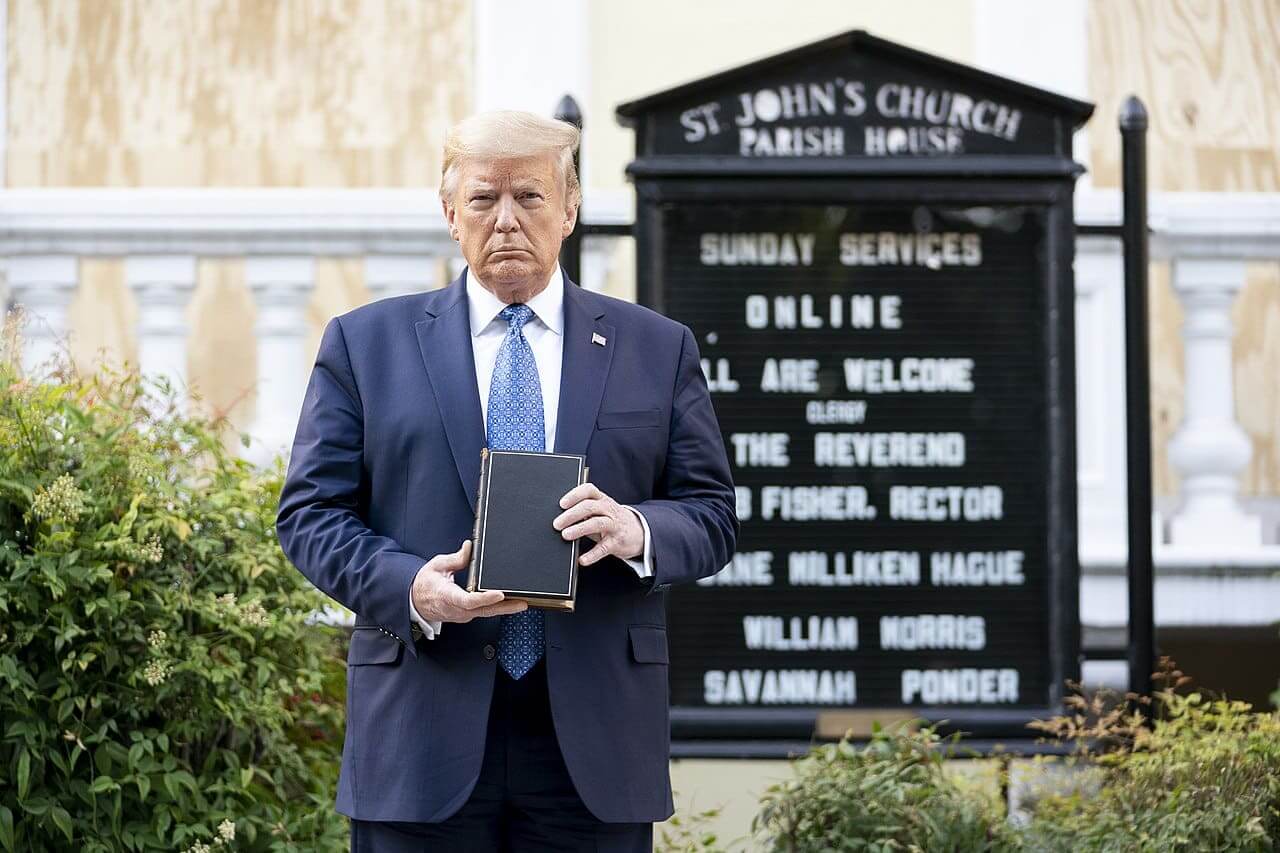


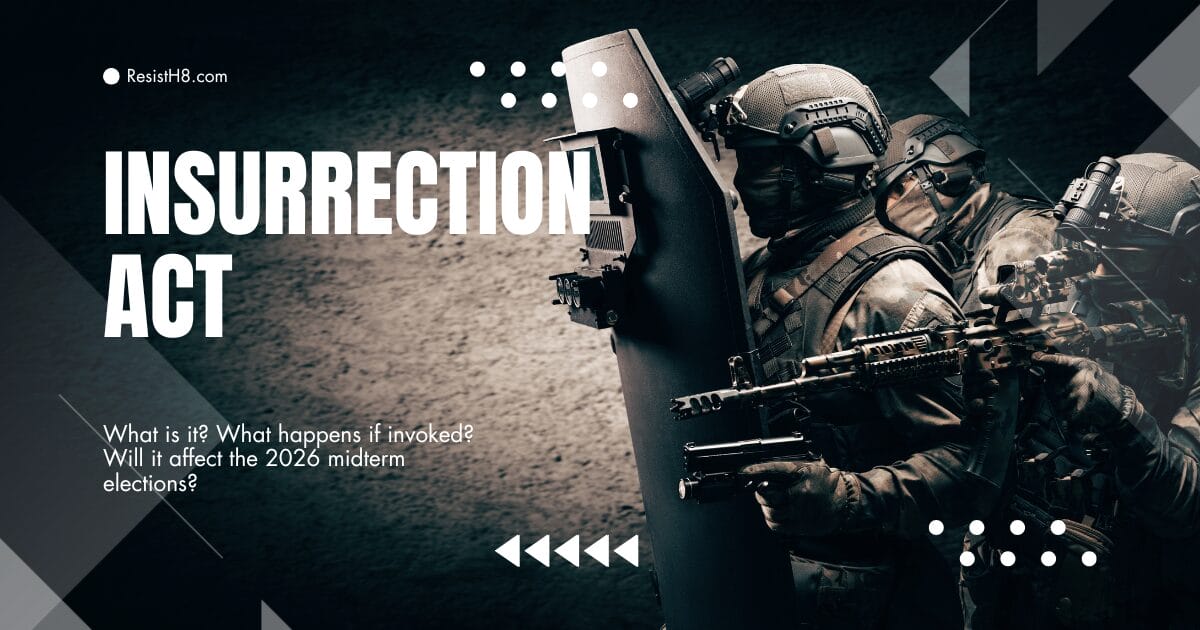
President Trump wanted to invoke the Insurrection Act during the 2020 protests following the murder of George Floyd in his first term. Serious, intelligent men and women were around to stop him. He’s now talking about invoking it in this term, but the people around him aren’t trying to stop him from doing it—they’re egging him on.
Key Points
- The Insurrection Act is primarily used to deploy military forces within the United States during situations of civil unrest where local law enforcement cannot maintain order.
- While there have been legal challenges related to the Insurrection Act, its invocation has historically faced scrutiny in courts regarding the balance of power.
- The risks include potential violations of civil liberties, escalation of violence, and long-term damage to community trust in government. It could also lead to widespread protests and legal challenges, complicating the situation further.
What is the Insurrection Act?
The Insurrection Act is a formidable piece of legislation that grants the President of the United States the authority to deploy military forces domestically during times of civil unrest and insurrection.
This law was created for maintaining order when local authorities are unable or unwilling to do so. In essence, it allows the federal government to intervene directly in state matters under extreme circumstances, ensuring that law and order are preserved.
Originating from the Militia Acts of the 1790s, the Insurrection Act was designed to allow for federal intervention when states fail to uphold the law.
This can occur in situations where insurrection or rebellion threatens the peace and safety of citizens. The law serves as a safeguard to prevent chaos and maintain constitutional order, highlighting the balance between state rights and federal authority.
Two key provisions underline the Insurrection Act: the President’s authority to call forth the militia to suppress insurrections and the power to employ the armed forces to enforce laws of the United States. The Act is generally invoked under two circumstances: if a state government requests federal assistance, or if there is a clear obstruction of justice that local law enforcement cannot address.
Where Did the Insurrection Act Come From?
The roots of the Insurrection Act trace back to the foundation of the United States, where the framers recognized the necessity for a national response to internal threats.
The Act was first codified in 1807, when President Thomas Jefferson faced challenges in maintaining order during the Burr Conspiracy. Throughout history, it has been amended to broaden its scope, an example of the evolution of civil unrest in America.
Over the years, the Insurrection Act has undergone several amendments. Notably, the Civil Rights Act of 1964 allowed federal forces to enforce desegregation orders, while subsequent amendments clarified the conditions under which the Act could be invoked.
The amendments are an example of the legislative intent to adapt the Act to modern day threats, ensuring it remains relevant in addressing insurrections in modern society.
What Does the Insurrection Act Say?
The Insurrection Act consists of several primary clauses that lay out the President’s powers. It specifically mentions the conditions that necessitate the use of federal troops, including insurrections against state authority, the obstruction of justice, and the inability of local law enforcement to maintain order.
Additionally, it grants the President the discretion to deploy troops without the consent of state governors under specific circumstances.
The legal implications of the Insurrection Act are considerable, as it can override state laws and local governance. The invocation of the Act often leads to legal challenges, as it raises questions about federal overreach and the violation of civil liberties.
Courts have historically played a role in interpreting the Act’s application, contributing to an ongoing debate about the balance of power between state and federal governments.
Has the Insurrection Act Been Used Before?
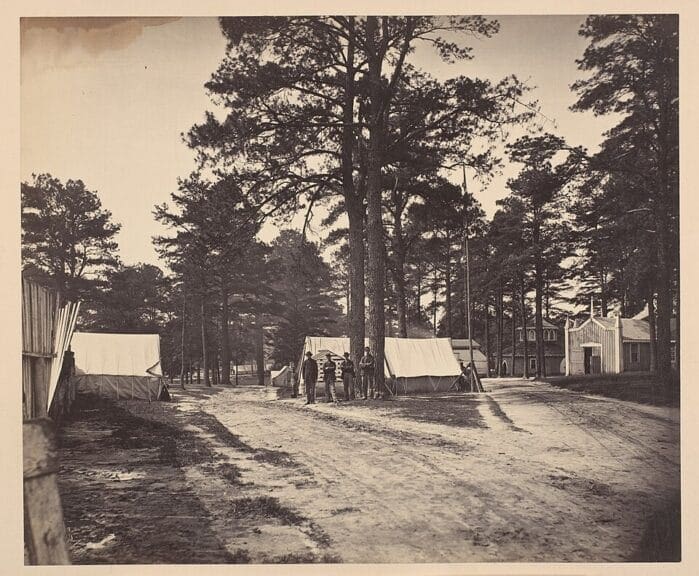
The Insurrection Act has been invoked in various historical instances, often during moments of extreme domestic unrest. One notable case was during the Civil War, when President Abraham Lincoln deployed troops to suppress a rebellion in Maryland.


More recently, it was invoked during the Los Angeles riots in 1992, showcasing its relevance in contemporary civil disorder situations.
Each invocation of the Insurrection Act has prompted a complex analysis of its necessity and consequences. In the cases of the Civil War and the Los Angeles riots, the deployments were met with mixed reactions.
Critics often argue that such actions exacerbate tensions, while proponents contend that they restore order effectively. This ongoing debate is an example of the contentious nature of federal intervention in state matters.
What Happened When It Was Used in the Past?
When examining the effectiveness of the Insurrection Act, two case studies stand out. The first is the 1965 Watts riots in Los Angeles, where the deployment of National Guard troops aimed to quell violence.
While the immediate impact was a restoration of order, the long-term effects on community-police relations were severe and negative. Similarly, the 1992 Los Angeles riots saw a significant military presence, which again prompted debates about the appropriateness of military intervention in civilian matters.
Outcomes and Reactions
The outcomes of invoking the Insurrection Act often lead to significant public discourse on civil liberties and governmental authority. In both case studies, while order was restored, the underlying issues that led to unrest—such as racial tensions and economic disparity—remained largely unaddressed.
This raises serious questions about the effectiveness of military intervention as a solution to societal problems, suggesting that long-term solutions require more than just immediate force.
While using force to stop unrest may work in the short term, it only worsens the issues that led to civil unrest in the first place. So it would only make sense that Trump invoking the Insurrection Act to quell an uprising against the deployment of National Guard and ICE thugs would only make things much worse.
Using the military against American citizens who are unhappy about National Guard troops in the streets of their cities seems counterproductive.
If the President Invokes It Now, What Would It Mean?
If the Insurrection Act were invoked today, it would mean that military forces could be deployed to American cities under the leadership of the President.
Given the current climate of political unrest and civil protests, such a decision would be highly controversial. This could entail a significant military presence in urban areas, in addition to National Guard troops and ICE agents already in some of the cities.
This could potentially lead to heightened tensions between civilians and the military, as well as concerns about the militarization of domestic law enforcement. There’s a good chance that we’d see “wars” break out between citizens and the Military exchanging gunfire.
To invoke the Insurrection Act right now would be like dumping gasoline on an already raging fire.
The consequences of invoking the Insurrection Act in America today would likely be irreversible. On one hand, it may restore order in the short term; on the other hand, it risks escalating violence.
It would lead to legal challenges, with courts evaluating the legitimacy of invoking it against constitutional rights. The potential for widespread protests and civil disobedience would further complicate things, making it a pivotal moment in America.
How Would Things Change?
The invocation of the Insurrection Act poses significant questions surrounding civil liberties. Many citizens fear that military presence would lead to violations of First Amendment rights, particularly the right to assemble and protest.
Historical instances show that military interventions often exacerbate tensions rather than resolve the core issues, leading to a cycle of distrust between the government and the American people.
Just as we are divided on the National Guard being deployed in cities to address “crime,” public perception of a potential Insurrection Act invocation would also be polarized.
Supporters may argue it is a necessary step to ensure public safety, while opponents would view it as an overreach of presidential powers. The response could result in widespread protests, further complicating the issue.
The potential for more protests and civil unrest is why using the Act to maintain order conflicts with respecting individual freedoms—a fundamental aspect of a democracy.
Could the President Use It to Cancel Elections in the Future?
People have voiced concerns that by invoking the Act, President Trump can then use it to interfere in or cancel the 2026 midterm elections. The same concerns surround the idea of going to war with Venezuela.
President Trump seemed intrigued by Ukrainian President Zelenskyy’s explanation of why there hasn’t been an election in his country since Russia’s invasion began.
Trump seems to be missing the point that an active war zone isn’t an environment where elections can be held safely. In a situation where we are at war with Venezuela, the bombs and gunfire wouldn’t be inside the United States. Americans could still safely travel to the polls to cast their votes.
Regardless, the worry that the Insurrection Act could be used to stop elections is a widespread concern.
While the legal framework surrounding the Insurrection Act doesn’t explicitly grant the President the authority to cancel elections, in extreme circumstances—such as widespread civil unrest or threats to public safety—there could be a perceived justification for delaying or altering electoral processes.
This opens a Pandora’s box of legal and constitutional questions regarding the integrity of democratic systems and the role of federal power in maintaining those systems.
Political Ramifications
Should the President attempt to invoke the Insurrection Act to cancel or delay elections, the political ramifications would be severe. Such an action would likely be met with intense backlash from both political opponents and civil rights organizations.
It could lead to a constitutional crisis and widespread civil unrest, further destabilizing an already contentious political atmosphere. The invocation of the Insurrection Act in this moment would challenge the very foundations of democracy, raising questions about the balance of power and the sanctity of the electoral process.
The Insurrection Act is a powerful tool for federal intervention in crises but comes with significant implications for civil liberties and state-federal relations. Historically rooted in the need for order, its evolution reflects changing societal dynamics.
While it has been used in past instances to quell unrest, its application today could lead to polarized responses and a challenging political battle.
FAQs
What is the Insurrection Act primarily used for?
The Insurrection Act is primarily used to deploy military forces within the United States during situations of civil unrest where local law enforcement cannot maintain order. It allows for federal intervention to restore peace and uphold the law.
Has the Insurrection Act ever been successfully challenged in court?
While there have been legal challenges related to the Insurrection Act, its invocation has historically faced scrutiny in courts regarding the balance of power. Outcomes often depend on the context and specific circumstances surrounding its use.
What conditions must be met for the Insurrection Act to be invoked?
The conditions for invoking the Insurrection Act generally include a clear insurrection against state authority, obstruction of justice, or a situation where local forces are overwhelmed and unable to maintain order.
Can state governors refuse federal troops if the Insurrection Act is invoked?
In some cases, state governors may refuse federal troops, but the President has the authority to deploy military forces without state consent under the Insurrection Act, particularly in urgent situations
What are the risks of invoking the Insurrection Act?
The risks include potential violations of civil liberties, escalation of violence, and long-term damage to community trust in government. It could also lead to widespread protests and legal challenges, complicating the situation further.