
In the days following January 6, 2021, after the entire country had witnessed an unprecedented attack on the U.S. Capitol, experts began raising the alarm. They had noticed something extremely troubling during the live coverage of the attack that day. Unfortunately, most Americans simply rolled over and hit snooze instead of waking up and paying attention.
At least 25 former and active-duty members of the U.S. Military had taken part in an attack on the seat of democracy—the one they took an oath to protect. Since then, experts have been studying the rise in radicalization and extremism in the U.S. Military. Why is this happening? What can we do to stop it?
Key Points
- Military radicalization refers to the process by which service members or veterans adopt extremist beliefs or engage in violent behavior that is often rooted in ideological, political, or religious convictions.
- Factors include individual psychological challenges, group dynamics within military life, and societal influences such as exposure to extremist narratives through social media.
- Studies suggest that around 10 to 20 percent of active-duty service members have been exposed to extremist views, with a smaller subset actively involved in extremist organizations.
- Notable examples include members involved in the January 6 Capitol riots and Timothy McVeigh, who orchestrated the Oklahoma City bombing.
- Preventive measures include comprehensive training programs, mental health support, community engagement initiatives, and counter-narrative campaigns to challenge extremist ideologies.
In this article, we’re going to dive into possible motivating factors behind extremist attacks carried out by active-duty and former service members, we’ll look at a few specific cases, and finally, we’ll discuss what our government could be doing to prevent radicalization and extremism.
The most obvious place to start is in eliminating barriers and red tape that make it difficult for service members to access the support or treatment they need. Congress needs to pass legislation to increase the funding of veteran’s programs and organizations that support our service members.
The Trump administration announced their plans to cut funding to the Department of Veterans Affairs and fire staff from VA locations across the country shortly after Trump took office.
Related

A group of veterans held a protest in front of the Capitol to push back against the cuts. They were able to pressure the White House to back down, but there’s no guarantee they won’t try again while the country is distracted by a crisis in the future.
The way we ignore and neglect the men and women who risked their lives to defend this country is shameful.
DOGE fired thousands of federal workers at the beginning of President Trump’s second term. 30% of the federal workforce are veterans.
We have been aware of this issue for years
The phenomenon of radicalization and violent extremism within the military has emerged as a real concern in recent years, particularly after military members were overrepresented in those charged for the Capitol attack on January 6, 2021.
The intersection of military service and extremist ideologies creates unique challenges that require thorough understanding if we are to prevent future violent acts.
This article was written after researching the factors that contribute to radicalization among members and veterans of the United States military, it examines statistical data, analyzes expert opinions, presents case studies, and discusses preventive measures that can be taken to combat this troubling trend.
By understanding the depth and breadth of this issue, we can work towards more effective strategies to ensure the integrity and safety of our military personnel and society more broadly.
Understanding Radicalization in the Military
Radicalization refers to the process by which individuals adopt extremist beliefs or engage in violent behavior that is often rooted in ideological, political, or religious convictions.
In the military context, radicalization can occur during a service member’s tenure or even post-service, leading some to align with radical groups that may promote violence to achieve political or ideological aims.
This phenomenon is particularly alarming because members of our military are trained to use weapons and may have tactical skills that can translate into acts of violence.
The complexities of radicalization lie in the multiple aspects of a person that it affects; including psychological components, social dynamics, and the potential for manipulation by external forces.
Members of the military may experience a range of emotional and psychological challenges, including a sense of alienation or trauma that can make them susceptible to extremist ideologies.
Understanding the nuances of this process is required when considering effective interventions and strategies aimed at preventing radicalization in the first place.
Contributing Factors
Several factors contribute to the radicalization of military personnel, which can be broadly categorized into individual, group, and societal influences.
On an individual level, experiences of trauma, stress, or disillusionment with military life can lead service members to seek meaning and belonging in extremist groups.
Related

Group dynamics also play a significant role; the camaraderie of military life can inadvertently create environments where extremist views are normalized and even encouraged.
Societal factors further complicate this issue. The proliferation of extremist narratives through social media and online platforms creates an echo chamber that can reinforce radical beliefs. Additionally, broader societal issues, such as political polarization and the normalization of extremist rhetoric in public discourse, contribute to the process. Recognizing these interconnected factors is an important part of addressing the root causes of military radicalization.
Statistics and Data
Recent studies indicate a concerning prevalence of extremist ideologies within the military ranks. For instance, a report from the Pentagon in 2021 highlighted that around 10 to 20 percent of active-duty service members had been exposed to extremist views, with a smaller subset actively involved in extremist organizations.
This statistic underscores the need for a closer examination of the factors contributing to this radicalization trend.
Incidents involving military personnel engaging in extremist activities have increased in frequency, prompting military leadership to take action. Addressing the presence of extremist ideologies is not only necessary for maintaining morale and unity within the armed forces but also for ensuring the safety and security of the nation.
Comparative Analysis with Civilian Populations
When analyzing radicalization trends, it is important to compare military data with civilian populations. Research indicates that while radicalization can occur in any demographic, certain factors make military personnel more susceptible.
For instance, military members are often exposed to high-stress environments and may experience trauma, making them more vulnerable to radical ideologies that offer perceived solutions or a sense of belonging.
The structure and culture of the military can create an environment that, while fostering loyalty and teamwork, may also inadvertently cultivate a breeding ground for extremist beliefs. In contrast, civilian populations might experience different motivators for radicalization, such as economic disenfranchisement or social isolation.
These distinctions highlight the need for tailored intervention strategies specific to the environment of our military.
Expert Analysis
Experts in psychology emphasize the significance of understanding the individual mental health challenges faced by members of the military. Many service members experience conditions such as Post-Traumatic Stress Disorder or PTSD, anxiety, and depression, which can heighten susceptibility to extremist ideologies. According to the National Center for PTSD, the disorder is more common among members of the military than civilians. In fact, 7 out of every 100 veterans will experience PTSD. Not everyone who experiences a traumatic event will develop PTSD.
The search for identity and purpose following military service often leads individuals to align with a group that offers a strong ideological framework and support. The concept of group identity plays a role in the radicalization process. As individuals begin to feel marginalized or disconnected from their peers, they may gravitate towards tight-knit extremist communities that provide a sense of belonging.
This psychological perspective underscores the importance of mental health support and community integration programs for veterans and active-duty personnel to mitigate the risk of radicalization.
Societal Influences and Media Impact
The impact of societal influences and media cannot be overstated when examining military radicalization. The rise of social media has made it much easier to quickly spread extremist propaganda, which can reach military personnel and veterans who may be struggling with their identities or emotional states.
Military bases in the United States have been reported to have televisions located in common areas tuned to Fox News network 24/7. Fox News is known for its bias, false narratives, and propaganda. They use divisive rhetoric and fearmongering to get people to vote for Republican candidates who will “keep them safe” and “eradicate the imaginary threat.”
There was a family member of an elderly viewer—who had been a loyal, long-term Fox News watcher—who sued Fox because their family member died from COVID after being told not to wear a mask, not to engage in social distancing, and not to get vaccinated by hosts they trusted.
Maybe that network being the only source of news available on military bases is part of the radicalization process?
Platforms such as Facebook, X, and Reddit have been identified as breeding grounds for extremist recruitment, where like-minded individuals can congregate and share radical beliefs. Societal narratives around conflict and heroism in military service can sometimes be co-opted by extremist groups to justify their ideologies.
The glorification of violence and a skewed interpretation of patriotism can resonate with service members seeking meaning in their lives. Addressing these societal influences through counter-narrative campaigns and education is essential in preventing radicalization.
Case Studies of Violent Extremism
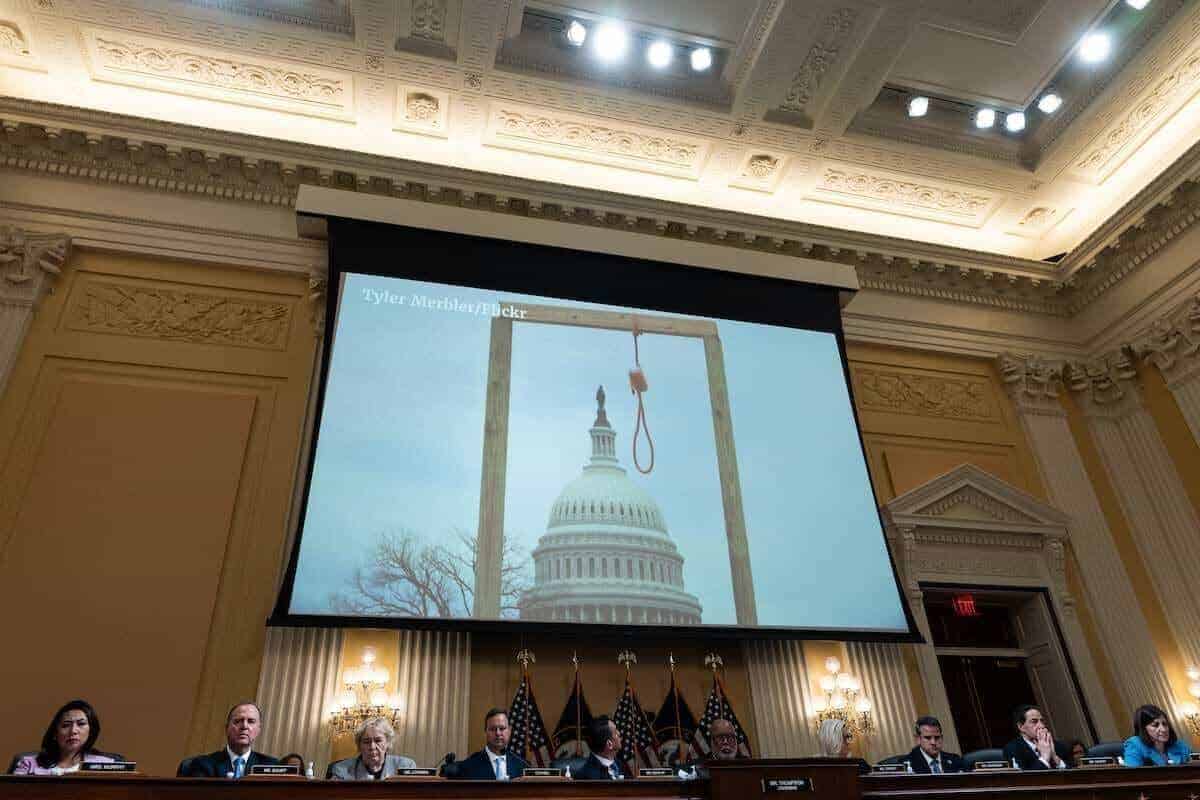
Notable Incidents Involving Current and Former Military Members
Capitol riots—January 6, 2021:
Several high-profile incidents have drawn attention to the issue of military radicalization. One of the most notable was the participation of former military personnel in the Capitol riots on January 6, 2021. Reports suggested that at least 25 members of the military were identified among the rioters, with some actively promoting extremist views. This incident raised alarms about the potential for radicalized individuals within the military to engage in violent actions against the state they took an oath to defend.
Oklahoma City bombing:
The case of Timothy McVeigh, a Gulf War veteran, serves as a tragic example of how military service can intersect with extremist ideology. McVeigh’s actions in orchestrating the Oklahoma City bombing in 1995 were motivated by a radical anti-government ideology, showcasing the potential consequences of radicalization among veterans.
These cases not only reflect the severity of the issue but also emphasize the need for proactive measures to identify and intervene with individuals at risk.
Analysis of Neo-Nazi and White Supremacist Involvement
The infiltration of neo-Nazi and white supremacist groups within the military is another concern. Several investigations have uncovered instances where active-duty and former military personnel have participated in violent hate groups that advocate for racial purity and anti-government sentiments. The Southern Poverty Law Center has documented multiple cases of service members involved in these movements, underscoring the need to pay attention to extremist affiliations within the ranks.
The hierarchical structure of military life can create avenues for extremist groups to recruit service members. The camaraderie and shared experiences among military personnel may be exploited by these organizations to promote loyalty and commitment to their ideologies. It’s important that we implement strategies to counteract the influence of these groups and do more to promote inclusivity and tolerance within the military (which will be difficult to achieve with the Secretary of Defense attacking diversity and inclusion, calling them “woke ideologies”).
The January 1, 2025 attacks in New Orleans and Las Vegas
The terrorist attacks that occurred on January 1, 2025, in New Orleans and Las Vegas highlighted the potential consequences of unchecked radicalization within the military. The attacks, orchestrated by an Army veteran and a Green Beret soldier, resulted in 15 deaths and many injuries.
From Rueters: Investigators seek clues to New Orleans attacker’s path to radicalization.
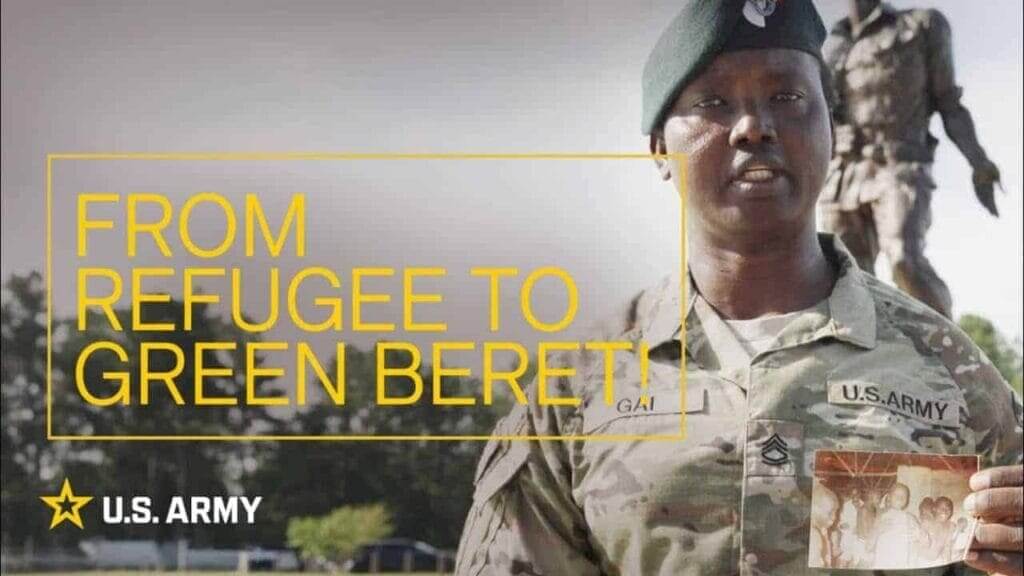
They shattered the sense of security within the nation. Investigations revealed that these individuals had been radicalized through online platforms and extremist networks, demonstrating the need for interventions that specifically target military members. In the aftermath of these attacks, calls for accountability and reform within military institutions grew louder. Unfortunately, the peoplein power have been aware of this issue for years, it’s unlikely that our current Department of Defense or broken Congress will address this any time soon.
Regardless, the tragic outcomes of these incidents serve as reminders of the need to address the underlying issues of radicalization in the military before things escalate to violence.
Preventive Measures and Solutions
In response to the growing concern about radicalization, military institutions should implement immediate, effective intervention strategies. One approach would be to establish comprehensive training programs focused on recognizing the early signs of radicalization among service members. These programs should educate military leaders and personnel about extremist ideologies, mental health challenges, and the importance of promoting a culture that prioritizes inclusion and respect.
Another approach would be to create support systems for service members dealing with trauma or mental health issues. Access to mental health resources, peer support programs, and counseling services can help mitigate feelings of isolation or disillusionment that can lead to radicalization. By prioritizing the well-being of military members, the armed forces can create an environment that discourages extremist ideologies.
Currently, our veterans return to civilian life without any form of reintegration guidance or therapy. This is not surprising when you recognize that the same failure exists in our prison system. Offenders exit the prison system and return to a society that may be completely different from what they were accustomed to prior to their entry into the institution.
Those who end up entering the criminal justice system at a young age will continuously return to prison, exit, commit a crime, and go back to prison, after they realize that they have been institutionalized, meaning they are more comfortable in a regimented environment.
Recidivism rates are high in the U.S. due to the lack of support available to people after they’re released from prison, along with a failure of the system to provide any type of rehabilitative services, education, or job training while they’re incarcerated. Norway’s prison system is an example of a system focused on rehabilitation versus punishment, which results in a very low recidivism rate.
Community Engagement and Support Initiatives
In addition to internal intervention strategies, community engagement plays a vital role in preventing radicalization. Collaborating with civilian organizations, mental health professionals, and community leaders can help create a supportive environment for veterans transitioning to civilian life. Programs that promote social integration, job placement, and mentorship can help former military members find purpose and community outside the armed forces.
Counter-narrative campaigns that challenge extremist ideologies and promote inclusivity can be effective in diminishing the appeal of radical groups. These campaigns should leverage social media and community outreach to directly engage with at-risk individuals, providing them with alternative perspectives and support networks. By addressing the societal factors that contribute to radicalization, we can work towards a more resilient society that protects both military members and the broader community.
The issue of radicalization and violent extremism among members and veterans of the United States military is complex. Understanding the definitions, contributing factors, and statistical prevalence of this phenomenon is important if we are to develop effective interventions. The psychological and societal influences at play further complicate things, necessitating tailored strategies to mitigate risks.
By looking at notable case studies, we see the consequences that unchecked radicalization can have when left unaddressed. However, proactive measures—such as targeted intervention strategies within the military and community engagement initiatives—can help combat this trend. It’s important that we continue to work toward solutions that not only protect military personnel but also safeguard society as a whole.
FAQs
What is military radicalization?
Military radicalization refers to the process by which service members or veterans adopt extremist beliefs or engage in violent behavior that is often rooted in ideological, political, or religious convictions.
What factors contribute to military radicalization?
Factors include individual psychological challenges, group dynamics within military life, and societal influences such as exposure to extremist narratives through social media.
How prevalent is radicalization in the military?
Studies suggest that around 10 to 20 percent of active-duty service members have been exposed to extremist views, with a smaller subset actively involved in extremist organizations.
What are some examples of military personnel involved in extremism?
Notable examples include members involved in the January 6 Capitol riots and Timothy McVeigh, who orchestrated the Oklahoma City bombing.
What preventive measures can be taken to combat military radicalization?
Preventive measures include comprehensive training programs, mental health support, community engagement initiatives, and counter-narrative campaigns to challenge extremist ideologies.