

One of the major policy ideas animating the One Big Beautiful Bill Act (OBBBA) was the notion that the federal government was wasting money providing Medicaid to healthy adults.
OBBBA addressed this supposed problem by instituting work requirements for non-disabled adult Medicaid enrollees – a red tape obstacle course that will cause an estimated 10-15 million people to lose federal Medicaid coverage.
This will occur even though the vast majority of those who will become uninsured already satisfy the new work requirements. Most adult non-disabled adult Medicaid enrollees already work, but experience in states like Georgia shows that many will struggle to prove that fact to a government bureaucracy every six months.
In principle, state governments could step in to prevent this by covering those who lose federal Medicaid using state-only dollars. But even deep-blue New York, where I live, seems unwilling to do so: Governor Kathy Hochul has already announced that New York can’t afford to “backfill” federal cuts. So states are likely to attempt to save money by kicking people off Medicaid.
It won’t work – states can’t save money this way. The trouble with attempting to save money by denying people insurance is that some of the people involved are healthy, and don’t cost money, while others are sick, and will flood hospital emergency rooms if they don’t have insurance.
You can’t save money by denying healthy people healthcare, because healthy people aren’t the ones using healthcare.
That’s true in private insurance, where 80 percent of healthcare spending goes to the sickest 20 percent of the insured population. And it’s true in Medicaid, too: The vast majority of Medicaid spending goes to providing healthcare to sick people.
Merely enrolling someone in Medicaid, after all, costs almost nothing at all; you update the state database, you mail them a card, you’re all set. What costs money is providing healthcare when they get sick.
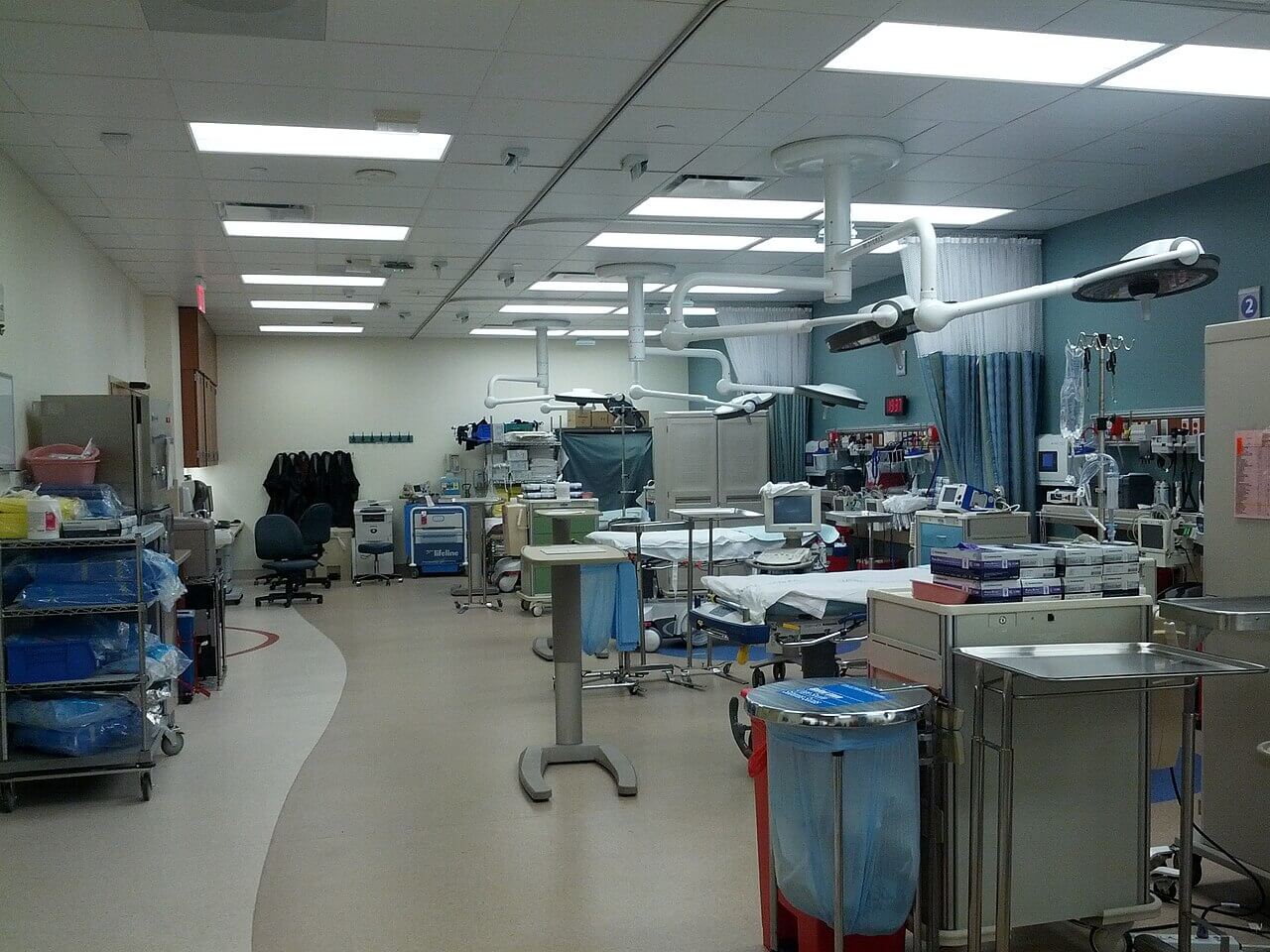
Hospital visits, specialist treatment, chemo, prescription drugs – that’s where the money goes. It’s when someone gets hit by a bus, or gets a cancer diagnosis, or suffers from diabetes, that covering them on Medicaid begins to cost money.