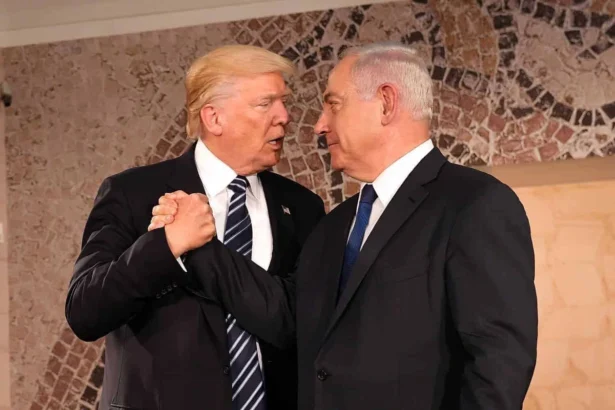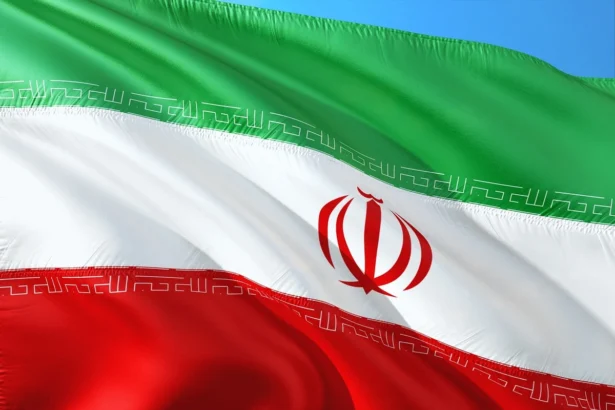

The U.S. launched “major combat operations” against Iran on Saturday in a joint assault with Israel, triggering retaliatory missile strikes across the Middle East.
While the administration celebrates what it calls a decisive blow against Tehran, energy analysts are warning that this military escalation could send oil prices skyrocketing — and potentially push the entire global economy into a recession.
The Strait of Hormuz: The World’s Most Dangerous Chokepoint
At the center of the economic fallout is a narrow strip of water called the Strait of Hormuz, sitting between Iran and the Arabian Peninsula.
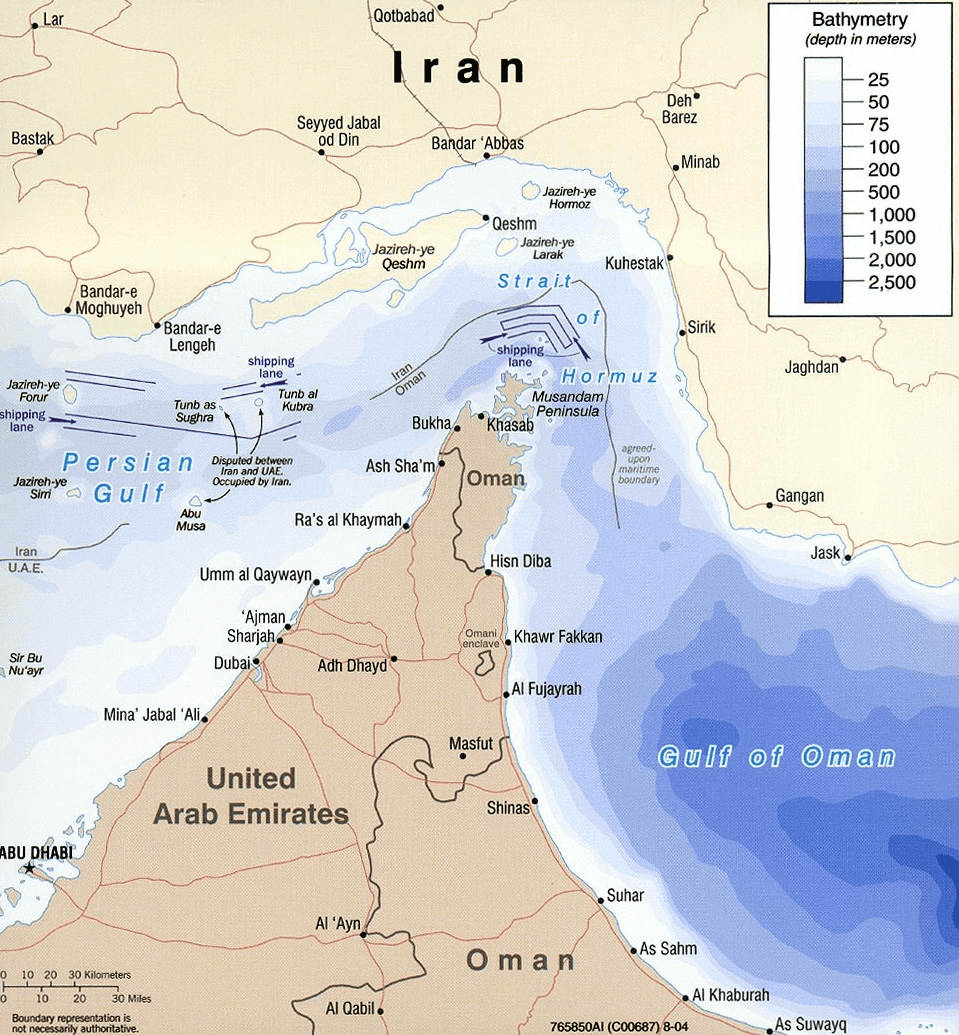
Roughly one-third of the world’s seaborne crude oil passes through this waterway every single day — more than 14 million barrels, according to energy consulting firm Kpler.
Another 20 percent of global liquid natural gas shipments flow through the same passage.
Related
Iran controls the northern coastline of the Strait, and it has massive stockpiles of mines and short-range missiles capable of shutting down commercial shipping traffic.
Energy analysts say that if Iran makes good on its longstanding threat to close the Strait — or even make it too dangerous for tankers to traverse — the consequences would be catastrophic.
“A prolonged closure of the Strait of Hormuz is a guaranteed global recession,” said Rapidan Energy Group’s Bob McNally, one of the most widely cited energy strategists in Washington.
That’s not hyperbole. China gets half of its crude oil imports through the Strait.
Japan, South Korea, and India are similarly dependent.
There simply isn’t enough oil flowing through alternative pipelines — Saudi Arabia has one running to its western Red Sea coast, and the UAE has another bypassing the Strait — to make up the difference if this critical waterway goes dark.
Oil Prices, Gas Prices, and Your Wallet
Even before Saturday’s strikes, oil prices had been climbing for weeks on fears of exactly this scenario.
Brent crude was already trading around $73 a barrel, up roughly 20 percent since the start of the year.
Analysts at Capital Economics warn that a prolonged conflict could push oil to $100 a barrel, potentially adding more than half a percentage point to global inflation.
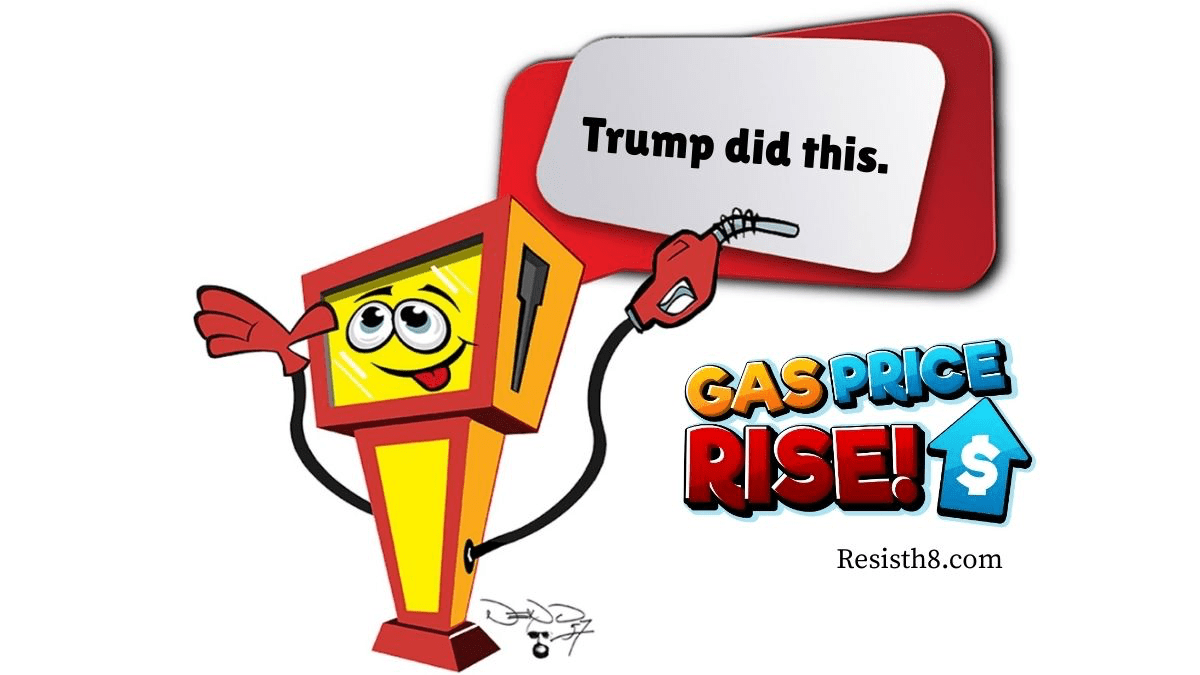
For everyday Americans, that translates directly to pain at the gas pump.
The administration has spent months boasting about lower energy costs, but a sustained oil price spike would reverse those gains virtually overnight — right as working families are already squeezed by tariff-driven price increases and a stubborn housing market.
The irony is thick: the same president who built his political brand on cheap gas could be engineering the conditions for a price shock that hits his own voters hardest heading into the November midterms.
What Comes Next
Markets won’t fully react until Asian exchanges open Sunday evening, but early indicators are grim.
Some major oil companies and trading firms have already suspended crude shipments through the Strait of Hormuz.
Analysts expect global equities to drop 1 to 2 percent or more at Monday’s open, with investors flooding into gold (already up 22 percent this year) and U.S. Treasury bonds.
Related

The best-case scenario, according to market analysts, is that this remains a short, concentrated military campaign and the Strait stays open.
In that case, oil might spike temporarily but settle back down within weeks — similar to what happened after last June’s more limited Israeli strikes on Iranian nuclear sites.
The worst case is a prolonged conflict that shuts down the Strait, removes millions of barrels of oil from global markets, and triggers a full-blown recession affecting billions of people worldwide.
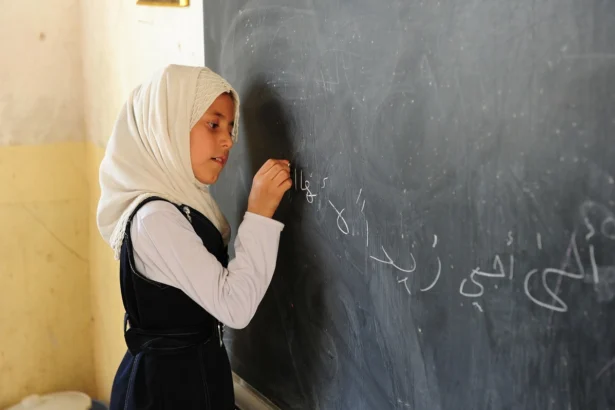
Either way, ordinary people — Iranian schoolchildren, American families at the gas pump, workers across Asia whose economies depend on Middle Eastern oil — bear the consequences of decisions made in war rooms they’ll never see.
This is what regime change looks like in practice: not the clean, decisive victory the administration promised, but chaos, civilian death, and the very real possibility of economic catastrophe that will be felt in every grocery store and gas station in America.