

The 25th Amendment explained: Calls to remove President Trump from office are getting louder — and not just from Democrats. Here’s what you need to know about the constitutional tool at the center of the debate.
Why is the 25th Amendment in the News?
On Easter Sunday 2026, President Trump posted a profanity-laced threat on Truth Social aimed at Iran, warning of strikes on bridges and power plants and telling Iranian leaders they’d be “living in Hell.”
Two days later, he escalated further, posting that “a whole civilization will die tonight, never to be brought back again” if Iran didn’t meet his deadline to reopen the Strait of Hormuz.
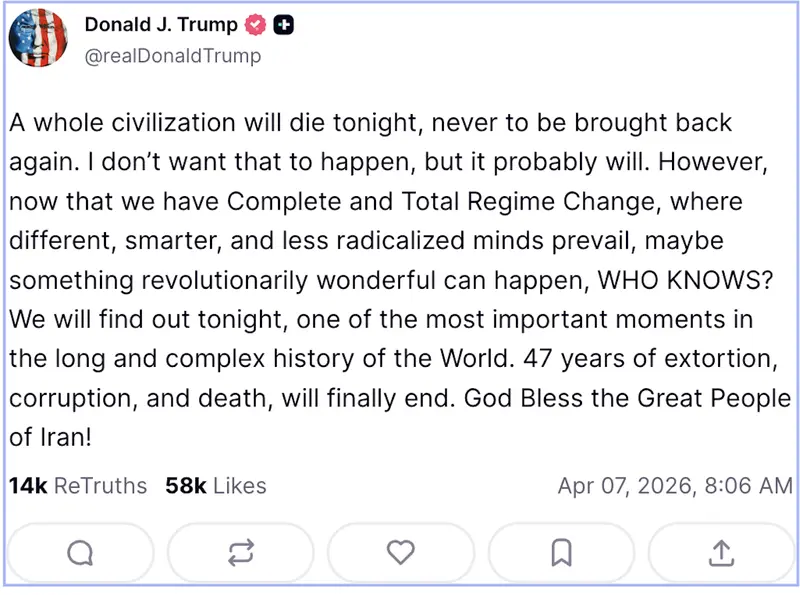
The posts triggered a wave of calls for Trump’s removal. Sen. Chris Murphy (D-CT) wrote that if he were in Trump’s Cabinet, he’d “spend Easter calling constitutional lawyers about the 25th Amendment.” Dozens of Democrats joined in.
But the most striking voice came from an unlikely source: former Rep. Marjorie Taylor Greene, once one of Trump’s fiercest allies, who posted “25TH AMENDMENT!!!” on X and called his rhetoric “evil and madness.” In a CNN interview, Greene said this wasn’t tough talk — it was “absolute madness” and “insanity.”

That’s a remarkable turn. When a president’s own former loyalists are publicly questioning his fitness for office, the 25th Amendment conversation shifts from partisan theater to something harder to dismiss.
The 25th Amendment Explained
The 25th Amendment exists because of one terrible afternoon in Dallas.
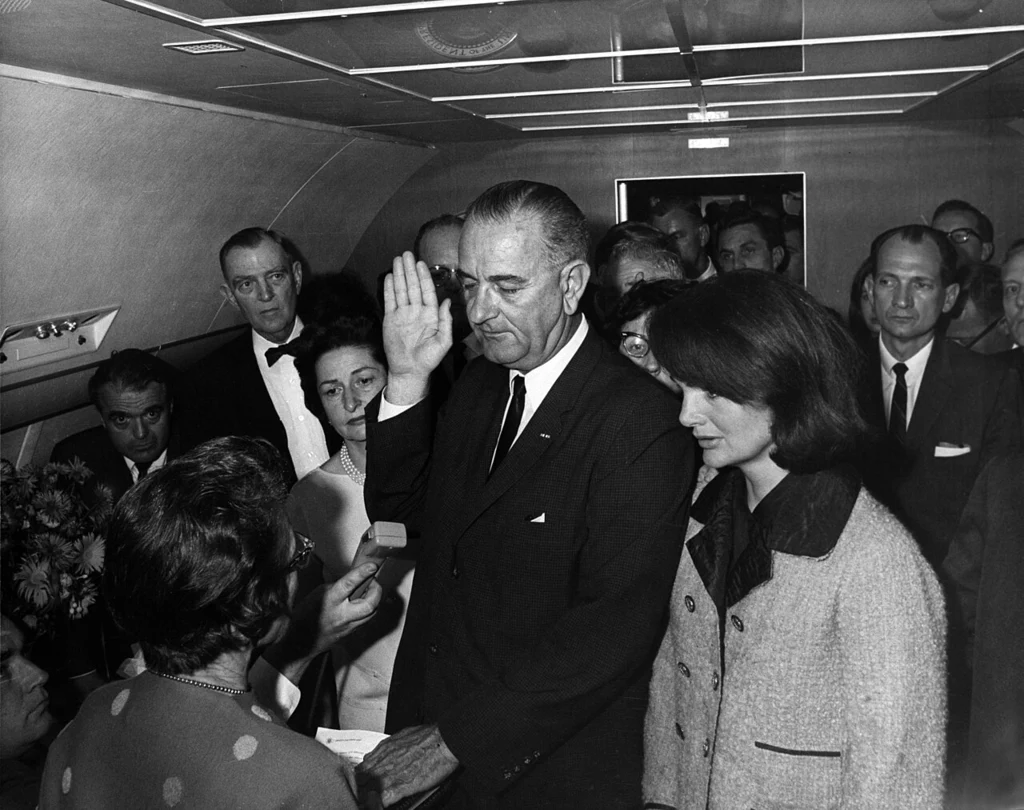
When President John F. Kennedy was assassinated on November 22, 1963, the country was briefly plunged into constitutional uncertainty. Vice President Lyndon Johnson was in the same motorcade, and early reports falsely suggested he’d been wounded too.
Johnson took the oath of office about two hours later aboard Air Force One — but the whole episode exposed a glaring problem.
The Constitution had always been vague about what happens when a president dies, becomes incapacitated, or can’t do the job. It said the vice president takes over, but didn’t spell out the details.
What happens if a president is alive but too sick or impaired to govern? Who decides? What if there’s no vice president?
These weren’t hypothetical concerns. By 1963, eight presidents and seven vice presidents had died in office, leaving gaps in the line of succession with no clear legal framework to fill them.
Senator Birch Bayh of Indiana championed the amendment through Congress with President Johnson’s support. Congress approved it on July 6, 1965, and the states ratified it on February 10, 1967.
What Does it Actually Say?
The 25th Amendment has four sections, and they do very different things:
Section 1 establishes that if a president dies, resigns, or is removed, the vice president becomes president — not “acting president,” but the actual president. This seems obvious now, but it wasn’t always clear.
Section 2 creates a process for filling a vice presidential vacancy. The president nominates someone, and both chambers of Congress have to confirm them by majority vote.
This section got its first real workout during Watergate, when Gerald Ford replaced Spiro Agnew as VP, then became president himself when Nixon resigned, and then Nelson Rockefeller was confirmed as Ford’s vice president.
Section 3 lets a president voluntarily hand over power temporarily. Presidents have used this for routine medical procedures — like when a president goes under anesthesia for a colonoscopy and transfers authority to the vice president for a few hours.
Section 4 is the big one — and the one people are talking about now. This section allows for the involuntary removal of a president who is unable to do the job but refuses to step aside.
How Does Section 4 Actually Work?
This is where it gets complicated — by design.
Section 4 has never been invoked. The framers of the amendment deliberately made it difficult because they understood how dangerous it would be to make it easy to remove a president against their will. Here’s the step-by-step:
Step 1: The vice president and a majority of the Cabinet (currently 15 department heads) must jointly send a written declaration to the Speaker of the House and the president pro tempore of the Senate stating that the president is “unable to discharge the powers and duties of his office.” At that point, the vice president immediately becomes acting president.
Step 2: The president can fight back by sending their own written declaration saying no inability exists. This would normally restore their powers.
Step 3: But the vice president and Cabinet can challenge that within four days by sending another declaration insisting the president is unfit. This kicks the decision to Congress.
Step 4: Congress must assemble within 48 hours and vote within 21 days. Removing the president requires a two-thirds vote in both the House and the Senate. That’s the same supermajority needed for impeachment conviction — an extraordinarily high bar.
The language is deliberately vague. The amendment doesn’t define what “unable to discharge the powers and duties” means. It doesn’t say the president has to be physically incapacitated.
Legal scholars have noted that the framers used open-ended language because they couldn’t predict every scenario — including the possibility of a president whose judgment or mental state raises concerns.
Could it Actually Happen to Trump?
Almost certainly not — at least not under current political conditions.
The first and most fundamental obstacle is Vice President JD Vance. Nothing happens under Section 4 without the vice president’s participation. Vance would have to agree that Trump is unfit, put his name on a formal declaration, and effectively stage a constitutional confrontation with the man who put him in office.
There is no indication VP Vance is willing to do this.
The second obstacle is the Cabinet. A majority of Trump’s Cabinet members would have to join Vance in declaring the president unable to serve. These are people Trump personally selected and who routinely praise him publicly.
Getting eight or more of them to sign on to removing him is, under the current dynamic, a political fantasy.
Have you seen one of this administration’s cabinet meetings?

And even if those two hurdles were cleared, Congress would have the final say — requiring two-thirds of both chambers. In a Senate and House where most Republicans have remained loyal to Trump throughout the Iran crisis, that math simply doesn’t work.
After January 6, 2021, there were similar calls for invoking the 25th Amendment. House Speaker Nancy Pelosi asked Vice President Mike Pence to invoke it as an alternative to a second impeachment. Pence refused.
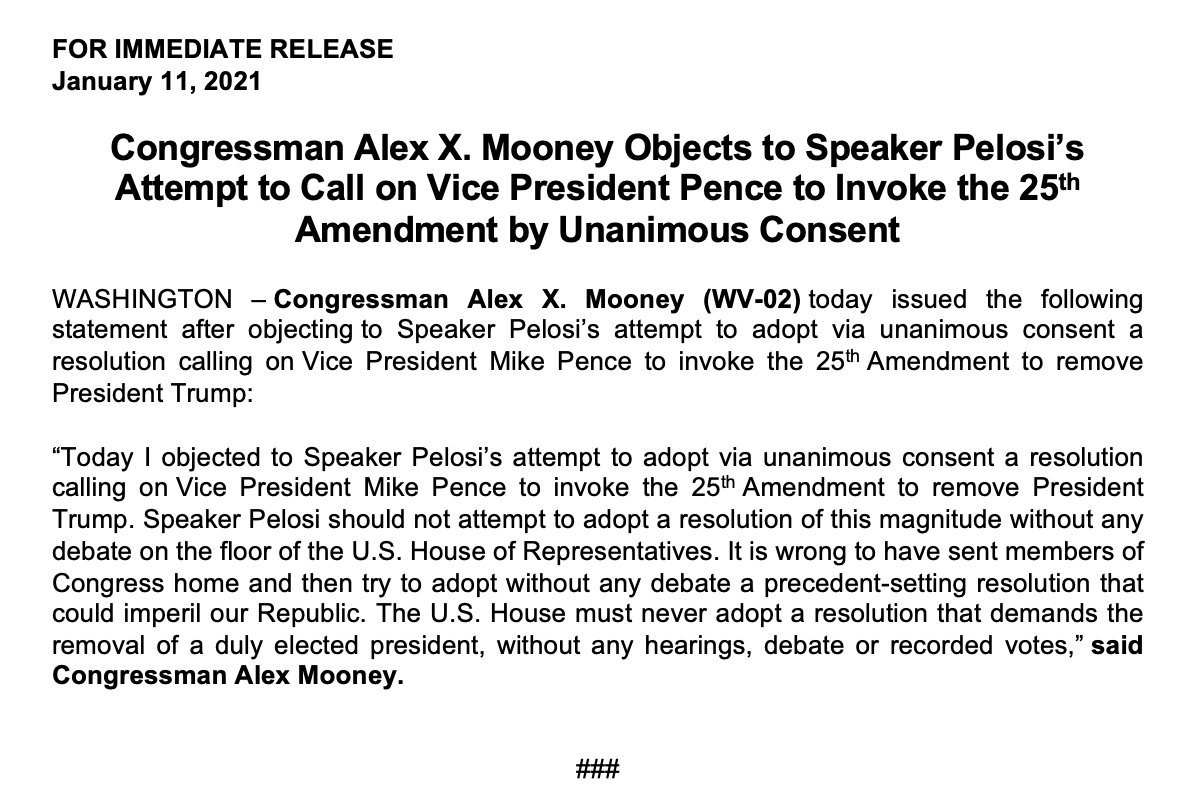
The current scenario follows the same pattern: the calls are growing louder, but the people who would actually need to act show no signs of acting.
So Why Does it Matter?
If the 25th Amendment is unlikely to be invoked, why are so many people talking about it?
Because the conversation itself is significant. When sitting senators, former allies like Marjorie Taylor Greene, and legal scholars are publicly debating whether a president’s behavior constitutes an inability to serve, that’s a political and historical marker — even if it doesn’t lead to removal.
The 25th Amendment was written for moments of genuine crisis. Whether this moment qualifies depends on who you ask.
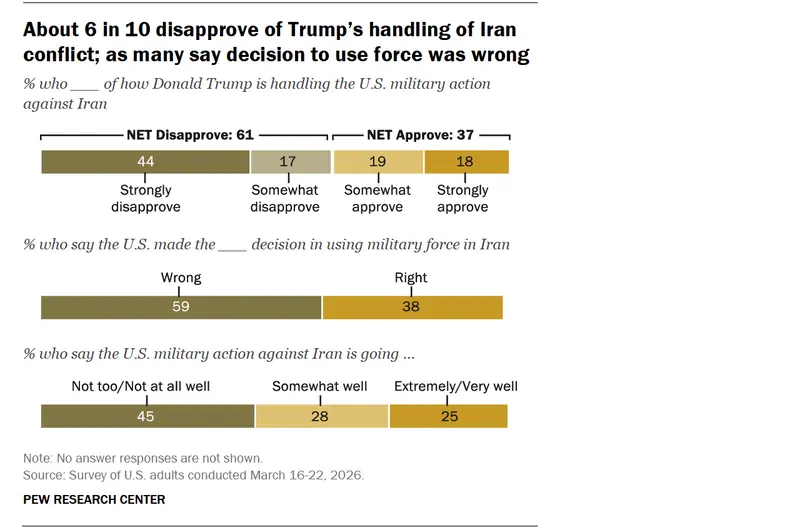
But the fact that the question is being asked — not just by the opposition party, but by people who once stood firmly in Trump’s corner — tells you something about where this presidency stands as it wages a war that a growing number of Americans, and even some of its own supporters, do not want.